
6 Best Plum Varieties for Planting in the Leningrad Region
Content
Climatic features of the northwest
To understand the climate that prevails in Russia's northwest, consider the weather typical of St. Petersburg. Residents of this region often experience overcast skies, with the sun rarely shining through, while rain falls almost daily.
The climate of northwestern Russia is moderately continental. High humidity negatively impacts the development of fruit crops. Most fruit trees grown in the southern regions fail to bear fruit, lag in development, often suffer from fungal infections, and are prone to rot. Severe winters and late spring frosts do not contribute to high yields of fruit crops.
Video: "How to Plant a Plum Tree"
This video will show you how to plant a plum tree.
The best varieties
The climatic and geographical features of northwestern Russia somewhat limit local gardeners' choices of fruit crops. For example, self-fertile plum varieties are considered the best option for the Leningrad Region; they don't require additional pollinators in the garden.
The ideal plum for the northwest region is compact in size, can withstand severe frosts and late spring frosts, is resistant to various diseases, ripens early, and is tolerant of temperature fluctuations. It is also self-fertile.
Below we present to your attention the best plum varieties for the northwest of the country.
Early ripening red
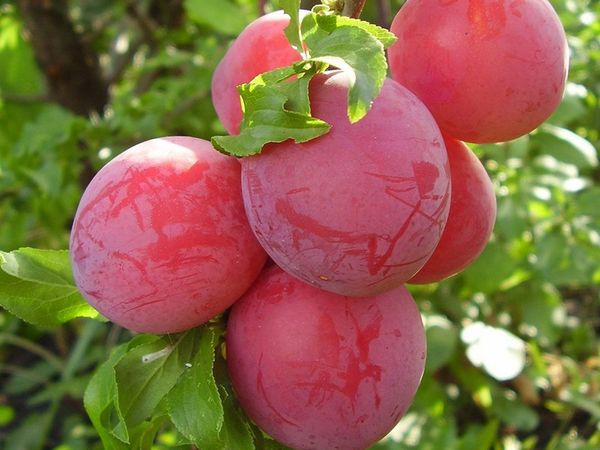
The plum variety Skorospelka Krasnaya, known as the "people's" plum, is characterized by early fruiting. Despite its excellent winter hardiness, the flower buds are prone to freezing.
It bears fruit regularly and abundantly. In terms of taste, the fruits of this stone fruit have a sweet taste and a pleasant aroma, but the flesh is slightly dry, which may not be to everyone's liking.
Early ripening round
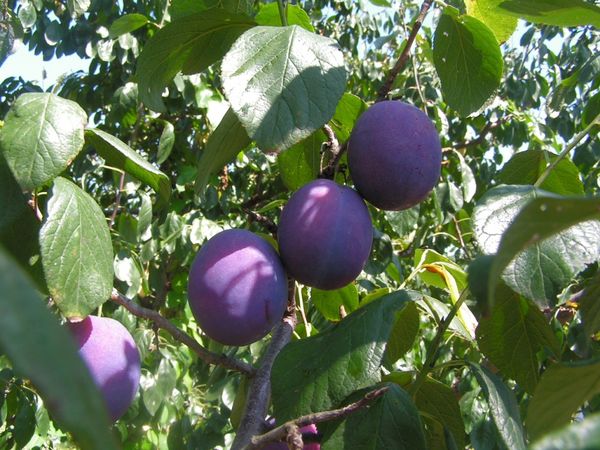
The Skorospelka Kruglaya plum is a home-grown variety. It is renowned for its frost resistance and adaptability to various weather conditions. The fruits are small but very tasty. Thanks to their pleasant sweet-tart flavor, they are eaten fresh and preserved.
This variety is self-sterile; the plum Skorospelka Krasnaya acts as a pollinator.
Collective farm greengage
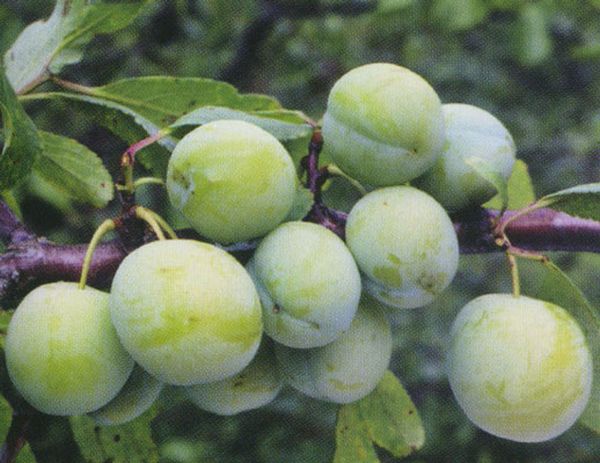
The Renclode Kolkhozny variety, or yellow plum, is ideal for the Leningrad Region, as it is characterized by high winter hardiness and rapid recovery, and is highly valued for its resistance to various fungal diseases. The juicy and sweet fruits have found widespread use in industrial canning.
Speaking of plum's shortcomings, it's worth mentioning its self-sterility. The best pollinators are the Eurasia 21, Moskovskaya Hungarian, and Volzhskaya Krasavitsa varieties.
Emma Lepperman
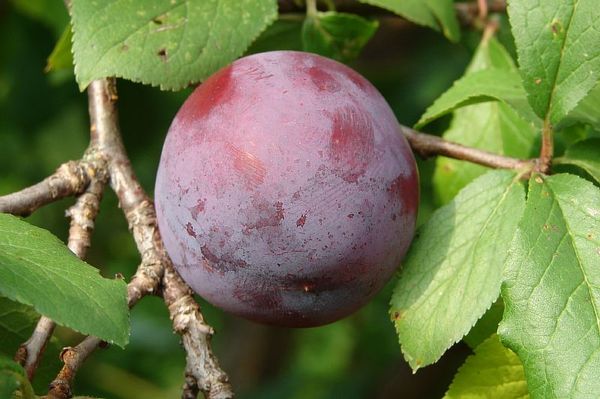
The yellow plum variety Emma Lepperman is ideal for the northwest region of the country. This fruit tree is self-fertile, undemanding in terms of growing conditions, and requires little care. The Emma Lepperman plum is an early-ripening variety, harvested in early August. Ripe, oblong-round fruits are covered in bright yellow skin with a beautiful light red blush.
As gardeners note, thanks to its regular and abundant yield, this variety is considered one of the most profitable.
Edinburgh
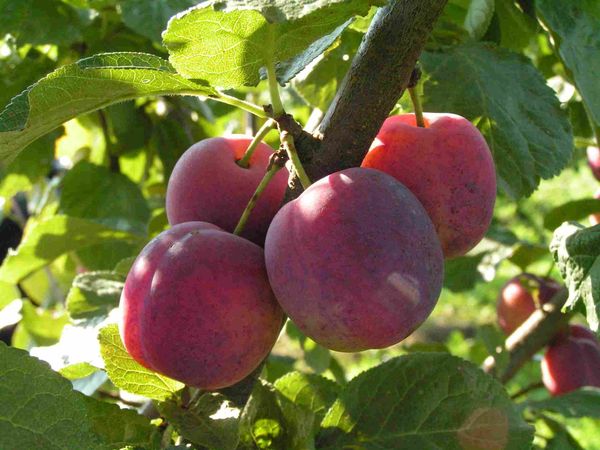
When choosing plum varieties for northwestern Russia, experienced agronomists recommend considering the Edinburgh stone fruit. This plum is characterized by high winter hardiness and rapid recovery from spring bud frost. It also has good immunity and is rarely susceptible to various fungal and viral diseases.
Fruiting begins in the fifth to seventh year after planting. With proper cultivation techniques, it produces a bountiful harvest. There are known cases of at least 100 kg of ripe fruit being harvested from a mature tree. The Edinburgh variety has excellent flavor. However, don't rush the harvest; early-picked plums are tart and not very sweet.
Eurasia-21
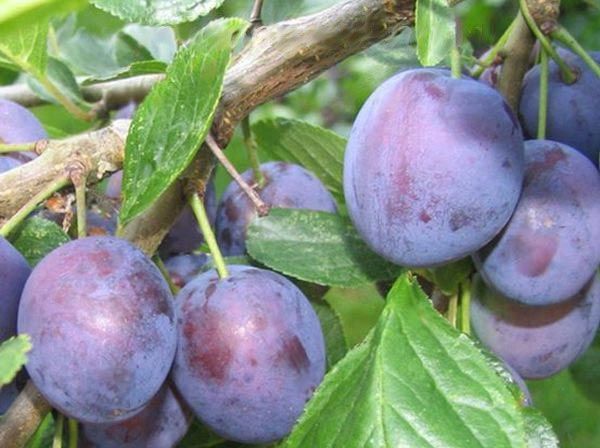
The Eurasia 21 plum variety for the northwest is self-sterile and therefore requires cross-pollination. Plum varieties such as Renklod Kolkhozny and Renklod Urozhany can be used as pollinators.
Eurasia 21 is highly valued for its excellent frost resistance and strong immunity to fungal diseases and insect infestations common to stone fruit. It produces abundant fruit, with medium-sized fruits (25–30 g) ripening early. The fruits of this variety have a rich aroma and a pleasant sweet-tart flavor.
The disadvantages of Eurasia 21 include low transportability, as well as a tendency for fruit to fall off and plum skin to crack when there is insufficient moisture.
Landing rules
When asking novice gardeners how to properly plant plum trees in the spring in the Leningrad Region, it's recommended to start by choosing the right planting material. It's best to purchase seedlings from specialized nurseries, where you'll find plants specifically zoned for the Leningrad Region.
A young tree should appear strong and healthy, with a well-developed root system and no rot. Saplings that are one or two years old take root most quickly.
Plums are moisture-loving plants. However, when choosing a site for a plum tree, it's best to choose fertile soil at a slight elevation. Excess moisture and a close water table contribute to root rot, which can lead to the tree's death. To ensure good growth and development of a fruit tree planted in a region with high humidity, choose sunny, wind-protected areas of the garden.
So, how do you plant a plum tree seedling? Prepare a 70x80 cm planting hole in advance. Mix the topsoil with fertilizer and let it sit for two weeks.
When planting a seedling, carefully level the root ball and then add nutrient-rich soil. The root collar should not be buried deep. After planting, it is recommended to tie the seedling to a wooden stake, water it generously, and mulch the soil around the trunk with peat or sawdust.
Secrets of care
In the first year of planting, the plum does not require special attention and care; it is enough to water the plant several times during periods of no precipitation.
Starting in its second year, fruit trees should be fed with nitrogen- and potassium-phosphorus-containing fertilizers, and organic matter should be added to the soil in the fall. Don't forget to perform annual sanitary and rejuvenating pruning of the crown.
Fruit trees in the garden are periodically inspected for signs of the presence of harmful insects and symptoms of various diseases.
Preparing for winter
Despite the high frost resistance of most plum varieties grown in northwestern Russia, the plants require additional winter protection. First, whitewash the tree trunk, then insulate it by wrapping it with roofing felt, then laying a layer of fiberglass and reflective foil on top. These measures will help the fruit tree survive even severe frosts.