
A review of the most delicious plum varieties of different ripening periods
Content
Early
Early-ripening plums, which produce their first harvest of delicious and aromatic fruit, are highly prized by commercial fruit growers. The first fruits always bring a good profit.
The following varieties of domestic plum are considered the best representatives of this species: Skoroplodnaya, Zarechnaya rannyaya, Nezhenka, Kabardinskaya rannyaya, Renclode ranny, Eurasia 21, etc.
Red ball
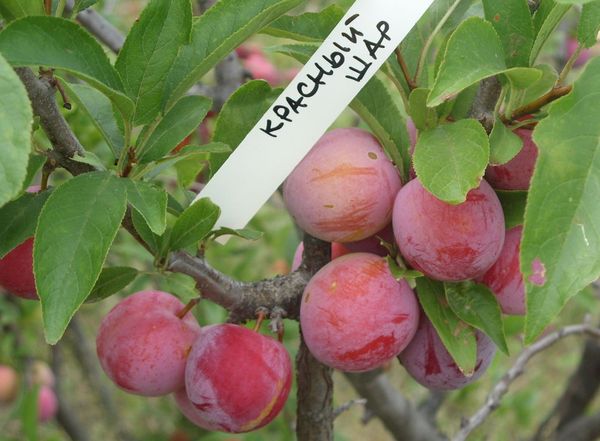
This medium-sized plum tree with a dense, spherical crown can easily withstand the harsh winters typical of central Russia. However, late spring frosts and early flowering can cause bud damage.
It bears fruit vigorously and regularly, with the first harvest occurring in the second or third growing season. The red plum is heavily covered with a waxy, bluish-gray bloom. Self-sterility is considered a drawback of the variety; the best pollinators are the Chinese plum and the European plum.
Honey white
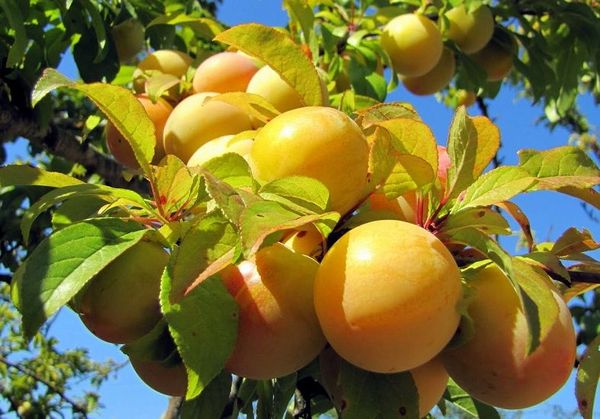
The plum got its name from the unusually sweet taste of its ripe fruit. At harvest, the skin of the fruit has a beautiful bright yellow hue, while the flesh is greenish. Its main advantages include high drought and frost resistance. With proper planting and care, it can be grown in both southern and northern regions.
Honey White plums are best eaten fresh. Processing causes only a slight loss of flavor.
Video: "Plum Tree Planting Guidelines"
This video will show you how to plant plum trees correctly.
Average
Canning and home winemaking enthusiasts highly value mid-season plums. The most popular varieties, with their rich flavor and vibrant aroma, include: Renclode Altana, Hungarian Belarusian, Ashatan, Hollywood, and Romen.
Victoria
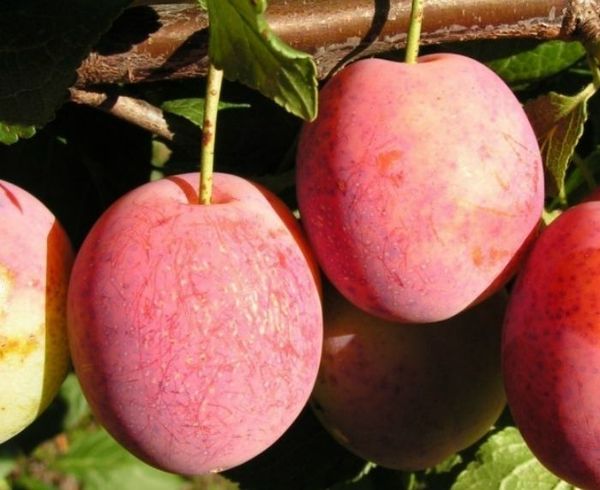
The distinctive features of the Victoria plum variety, also known as Queen Victoria, are excellent winter hardiness, which is unusual for southern fruit crops, early fruiting, high yield and self-pollination.
At technical maturity, the skin of the fruit is a beautiful red-violet hue with a thick, light-blue bloom. The fruits are large, with an average ripe fruit weighing up to 40 g.
Souvenir of the East
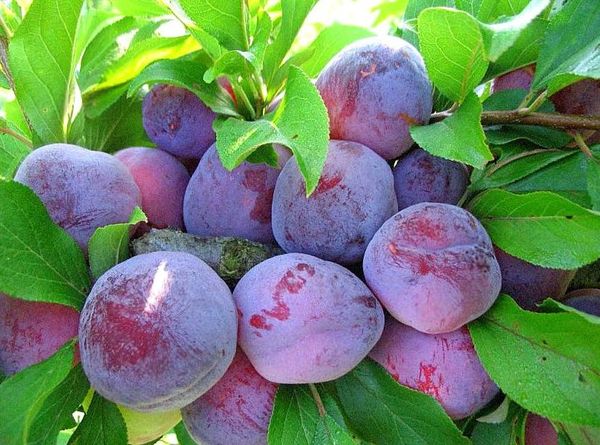
If you're looking for a fragrant and delicious plum, we recommend the Souvenir Vostoka variety. The fruits have an interesting flavor, reminiscent of peaches. However, they are unsuitable for compotes, as they tend to overcook during cooking. Souvenir Vostoka is widely used in industrial production for making plum preserves and marmalades.
Late
Most late-ripening plum varieties are distinguished by high winter hardiness and good transportability. The best late-ripening plum varieties include Empress, President, Italian Hungarian, Eldorado, Zhiguli, and others.
Stanley
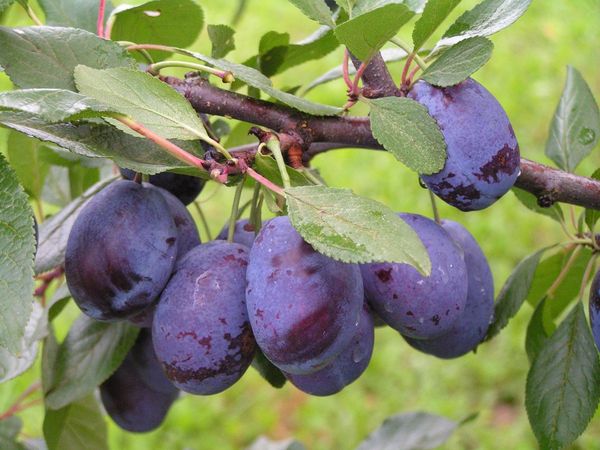
This fruit tree attracts gardeners with its delicious flavor. It's a versatile variety: its large fruits (50–55 g) can be eaten fresh, processed into jam, and are also excellent for drying.
According to the variety description, the Stanley plum is partially self-fertile. However, with additional pollinators in the garden, it produces a more abundant harvest.
Renclode Michurinsky
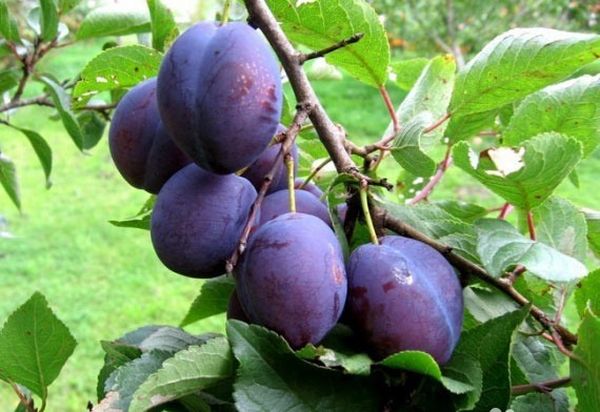
This variety is considered one of the most suitable for long-distance transport. With proper storage and packaging, the Renclode Michurinsky plum retains its flavor and marketability for a long time.
When ripe, the skin of the fruits, which average 25–30 g in weight, takes on a beautiful purple-red color. The orange flesh has a delicate texture and a slightly tart flavor.
Self-fertile
Self-fertile plum varieties, which do not require cross-pollination, are in high demand among gardeners working in small garden plots. The most successful varieties include Orlovskaya Mechta, Krasny Shar, Smolinka, and Zheltaya Samoplodnaya, among others.
Blue Bird
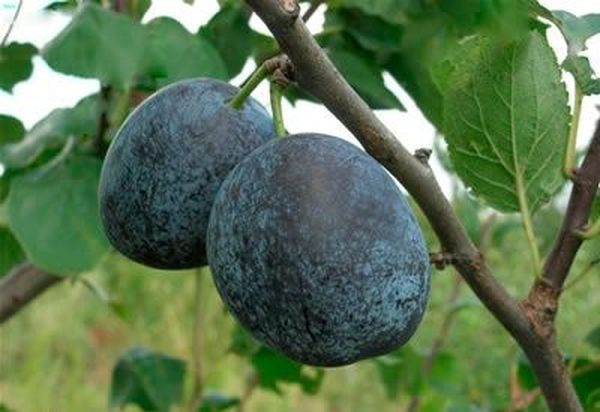
According to experts, the plum variety "Sinyaya Ptitsa" is the most successful option for growing in the Moscow region. Its advantages include excellent winter hardiness, high yields (up to 35 kg per mature tree), and strong immunity to diseases such as moniliosis and clasterosporium.
Large dark blue fruits weighing up to 50 g are widely used in canning.
In Memory of Timiryazev
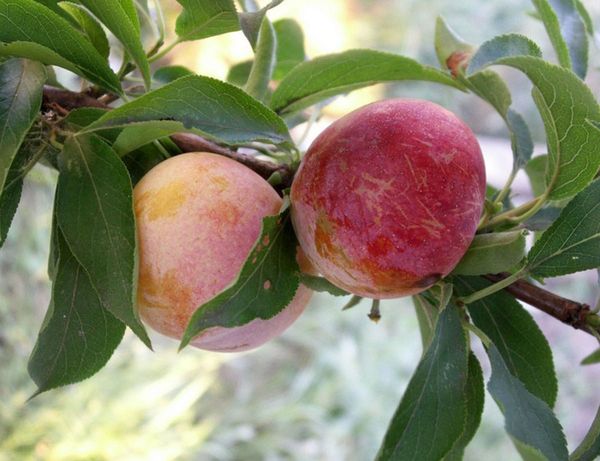
This variety is among the top ten most popular. Its advantages include self-fertility, good transportability, versatile fruit use, and long-lasting fruiting. With proper care, the tree will produce fruit for 20 years.
However, according to some experts, the fruits of the Timiryazev Memory plum are small, their weight barely reaching 20 g.
Yellow
The plum tree not only delights with its delicious and juicy fruit but also makes a beautiful addition to any garden, with its purple, pink, blue, red, black, yellow, and other colors. The most popular yellow plum varieties include Zolotoy Shar, Zavet, Yaichnaya, Ochakovskaya Belaya, Kompotnaya, and others.
Golden large
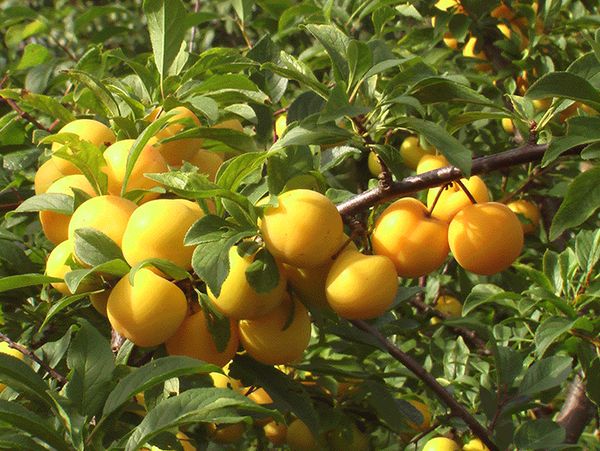
The sweet plum variety Zolotistaya Krupnaya is eaten fresh, as well as in compotes, juices, jams, and plum pastilles. The tree is partially self-fertile. The average yield is 27 kg.
This plant is highly valued by agronomists for its resistance to numerous viral, bacterial, and fungal infections that often affect stone fruit crops. A drawback of this variety is its limited frost resistance and susceptibility to bud damage during spring frosts.
The largest
Compared to the common plum, whose fruits rarely exceed the size of a quail egg, large-fruited varieties are in greater demand and enjoy greater attention from gardeners. These plums often boast an attractive presentation and interesting flavor. Among the many plum varieties, large fruits include the Gigant, Kitayanka, Volgogradskaya, Startovaya, Renklod Sovetsky, Ispolinskaya, Lyubimitsa Sultana, and Angelina.
President
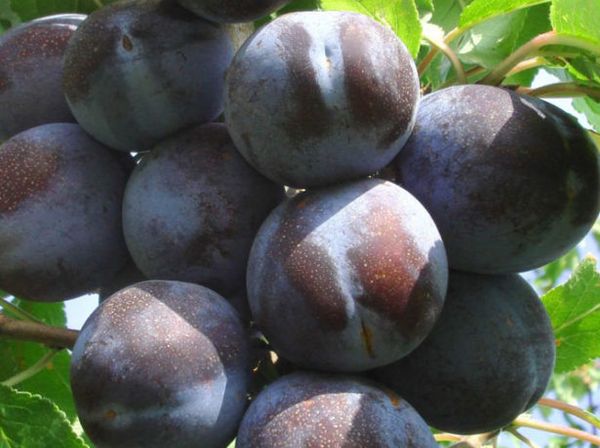
Want to grow a large-fruited plum variety in your garden? The President plum may be the best choice, known for its high yield (40 to 70 kg, depending on care and growing conditions) and excellent drought tolerance. Another advantage of this variety is its self-fertility.
Beautiful large fruits measuring 60–70 g have a pleasant sweet taste, so they are widely used in industrial production for making preserves.
To achieve good fruiting, you need to know not only the advantages but also the disadvantages of the crop you're growing. The President plum requires annual pruning and is often susceptible to attacks from harmful insects.