
Why are plum tree leaves curling and what can I do about it?
Main reasons
To understand what help a tree needs, you first need to determine the cause. This can be done by examining the affected leaves. If most of them remain green despite the deformation, the most likely causes are pests or poor care. Curling and drying usually indicate a fungal disease.
Let's take a closer look at why green plum leaves curl:
- The plum pipe roller, also known as the plum elephant, is a weevil-like insect, ranging in length from 2 to 10 mm. Females gnaw at leaves near the petiole and lay eggs on them. When the larvae hatch, they curl their leaf into a tube or "envelope." The leaf gradually dies.
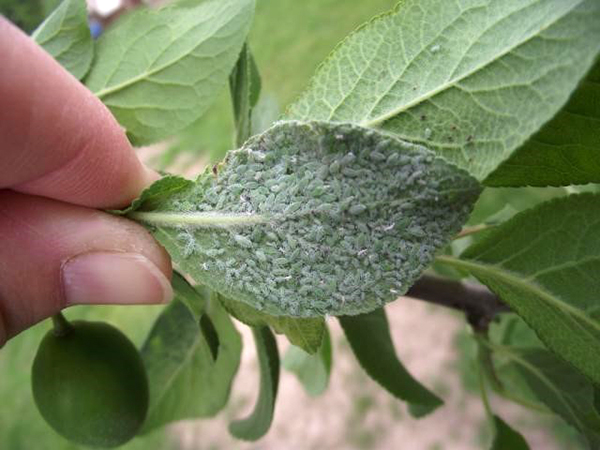
- Aphids. These insects feed on leaf sap, causing the leaves to curl and dry out. Up to 16 generations of parasites can occur in a single season. The affected tree weakens, stunts growth and development, and its yield significantly decreases;
- Leaf roller moth. The caterpillars pose a threat to the tree; they feed on buds and flowers in the spring, then begin to nibble on leaves and wrap themselves in them before pupating.
If you haven't found any parasites on the tree, review your fertilizing schedule:
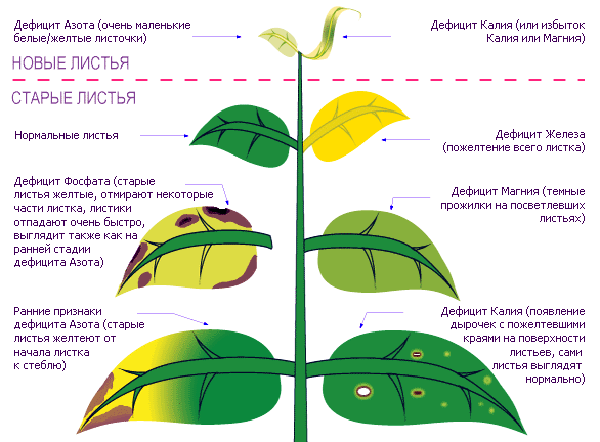
- With a calcium deficiency, leaves curl upward, shoots slow down in growth but thicken. Few buds form;
- Due to a lack of potassium, leaves become wrinkled and lighter in color, their edges droop and dry out. Shoots develop thin, with short interstitial spaces;
- Excess nitrogen causes leaves to darken and curl, and they can grow unnaturally large. Numerous new shoots appear, including fattened "suckers." Flower buds are rarely formed, and fruit ripens more slowly than usual.
Now let's find out what fungal infections can cause leaves to curl:
- Verticillium wilt. Spores of the pathogenic fungus penetrate through damaged areas of the roots. The mycelium grows in the tree's nutrient channels, forming a type of "thrombus." Due to a lack of moisture and nutrients, the leaves dry out, curl, and fall off. Please note: the disease can be fought if it has affected only the lower branches, but if dry, curled leaves appear at the very top, the plum tree must be disposed of immediately to prevent an epidemic;
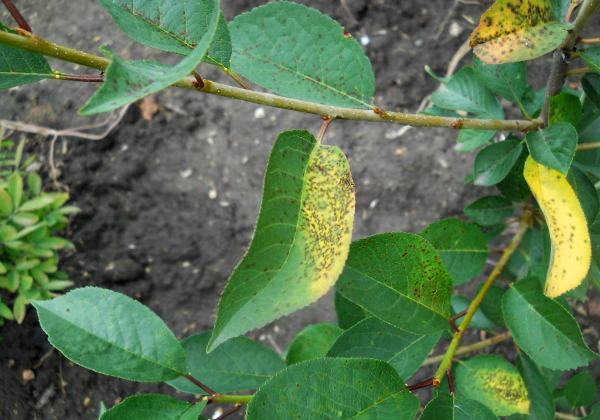
- Coccomycosis. Initially manifests as small brown spots on the leaves. These gradually enlarge and eventually cover the entire leaf blade, causing it to dry out and curl up along the midrib. Light pink fluff can be seen inside. With extensive damage, the bark cracks, and visible mycelium appears in the cracks.
- sometimes plum tree leaves curl due to mechanical injury to the roots during transplantation or their rotting due to overwatering;
- Finally, leaves may curl if the tree is frozen. This also affects yield, but there are no signs of other problems. In this case, provide the plum with careful care, and it will return to normal within 1-2 years.
What to do
We've learned why leaves can curl. Now let's figure out what to do in each specific case.
If parasites have appeared on a tree, and there are only a few of them, you can simply pick and destroy the infected leaves. For extensive infestations, spraying is recommended. If there is more than a month left before harvest, chemical insecticides can be used. Otherwise, biological treatments will be sufficient.
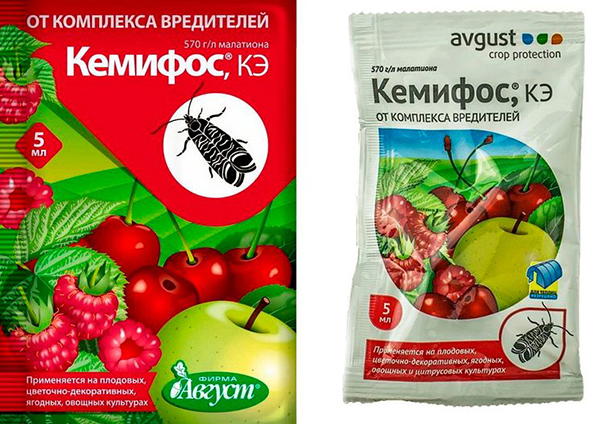
Powerful products include Karbofos, Actellic, and Kemifos. They quickly and effectively kill pests, but they must be used with caution and according to the instructions.
Of the biological treatments, Fitoverm has proven effective. It kills all the described parasites within a week, and they cease damaging the tree within 24 hours. The effect lasts up to 3 weeks (shorter if there is frequent rainfall).
You can spray the infested plum tree with "Aktarin." After 12 hours, the insects' harmful activity ceases, and after another 3 days, they die completely.
Lepidocide is also recommended. Insects stop damaging the tree within 24 hours of spraying and are completely dead within a week. This product should not be used within 5 days of harvest.
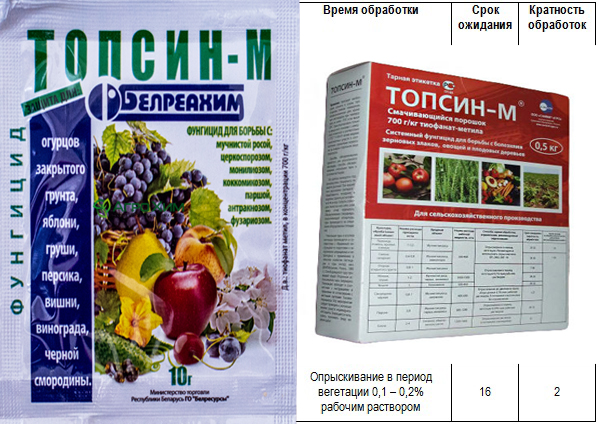
If the curling of the leaves is caused by a fungal infection, the plum tree should be treated with fungicides such as Topsin-M, Vitaros, or Kuprozan. Please note that such sprays are also not recommended during the late stages of fruit ripening (a month or less before harvest). Before treating the tree, consult the instructions.
If the upper branches are affected by verticillium wilt, the tree must be uprooted and burned, and the soil must be disinfected with a strong solution of potassium permanganate or a solution of "Carbation" (2%).
To prevent your plum tree from suffering from pests and diseases, it's important to provide proper care: timely watering, adequate fertilizing, proper removal of dead branches, and clearing the area around the trunk of weeds and fallen leaves. Regular preventative spraying is also essential.
It is also recommended to regularly inspect the plum tree: the sooner you detect a problem and begin to solve it, the higher the chances of saving the tree.
Video: "Why do plum tree leaves dry up?"
A video about why plum tree leaves turn yellow even though the autumn cold is still a long way off, and what might be causing it.