
Planting and caring for frost-resistant plum varieties in Siberia
Content
Climatic features of the region
Plums in Siberia are exposed to numerous adverse factors due to the region's harsh climate. The crop faces particular challenges in snowy regions such as the Tomsk, Kemerovo, and Novosibirsk regions. The Omsk and Altai regions are considered the most suitable for plum cultivation, as winters there are little snow and summers are quite warm.
Video: Growing Plums in Siberia
A gardener's story about the practice of growing plums in Siberian conditions.
Sharp fluctuations in temperature pose a great danger to trees. Such sudden cold snaps following a brief thaw are observed in Siberia every year, primarily in late winter. Another problem is damping-off of plant tissue (when the bark at the base of skeletal branches or trunks suffers). This is caused by prolonged temperatures around 0°C with abundant snow cover.
The best frost-resistant varieties
Obviously, not every plum variety can be grown in the vast Siberian wilderness. Experienced gardeners identify several plum varieties suitable for planting in Siberia:
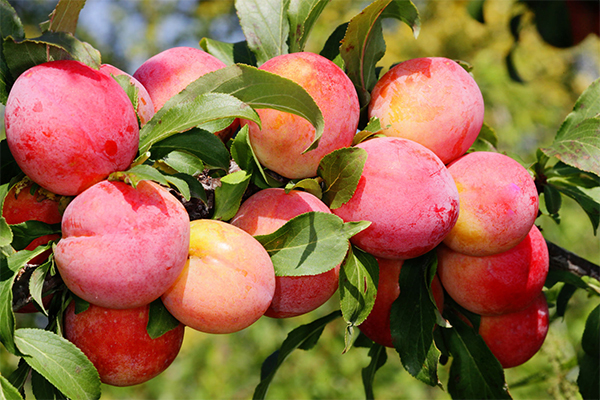
- Yubileynaya Altayskaya. An early-ripening variety. The fruits are medium-sized, perfectly rounded, weighing approximately 15 grams each. The skin is yellow-orange with a bright blush. The flesh is tender and juicy, with a distinct tartness. The trees are medium-sized, disease-resistant, and begin bearing fruit in the third year after planting.
- Peresvet. An early-ripening variety with small orange fruits with red markings. The skin is thin, the flesh is very juicy. The tree grows to a medium height, with a compressed, slightly raised crown;
- Pride of the Urals. A frost-hardy, self-fertile variety. It tolerates winter frosts well, as well as spring frosts. It bears fruit abundantly, but irregularly—the tree requires a 2-3-year break. The fruits are medium-sized, oval, and dark red. The flesh is firm and juicy.
- Scarlet Zarya plum. A wonderful dessert variety with fragrant and juicy fruits. It is distinguished by high frost resistance and is grown on a semi-dwarf rootstock. Scarlet Zarya produces medium-sized fruits and ripens early.
Self-fertile plum varieties are preferable for Siberia, since the gardener does not need to worry about planting pollinators.
Landing rules
Planting and caring for plum trees in Siberia depends on the region's specific conditions. It's best to choose a one-year-old sapling to minimize damage to the root system.
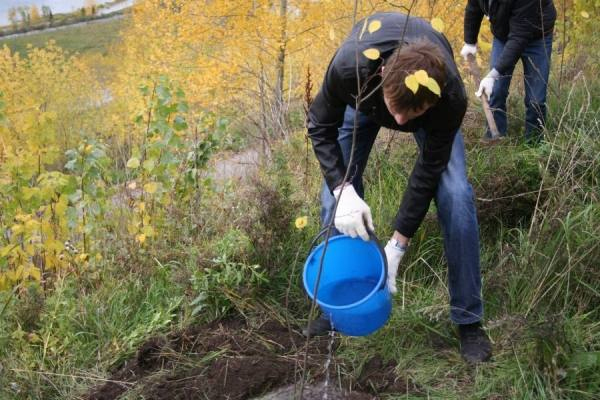
Experts recommend planting trees in the spring to allow time for rooting. However, planting in early fall is also possible. The planting hole should be approximately 60 cm deep and 60 cm to 1 m in diameter. Each hole should be supplemented with the required fertilizers: 200 g of superphosphate, 100 g of potash fertilizer, and 10 liters of organic fertilizer. This nutrient "cocktail" will provide the young tree with enough nutrients for the next few years.
The root collar of the seedling should not be deepened into the ground.
After planting is complete, each plum is watered generously (at least 3 buckets per plant) and mulched with organic matter.
Care Features
Caring for plum trees in Siberia requires freezing the soil. This is necessary to protect the tree from damping off. This procedure is carried out using any convenient method, such as compacting the snow around the base of the trunks.
Another important step in care is removing root suckers. These should be removed in the year they appear, or at the latest the following spring.
Regular pruning should also be kept in mind. For sanitary purposes, it is carried out in early spring, and thinning of dense crowns occurs in early summer. And, of course, preventative treatments against diseases and insects are essential.
Preparing for winter
Young trees, which haven't yet had time to fully adapt after planting, are especially sensitive to frost. Care for them should be tailored to your winters. If snowfall is heavy, you can build a special shield around the trunk and periodically add snow inside to prevent it from being blown away.
Video: "Shelting Trees for Winter"
Preparing fruit trees for frost.
If your winters are low in snow, you can cover the seedlings with spruce branches.
When the tree grows to a point where its trunk can no longer be bent to the ground, its branches should be gathered into a "broom" and the trunk surrounded by small perches, creating a kind of shelter. Inside, place a layer of insulation—straw or sawdust. The entire structure is carefully secured with twine. Also, be aware that the tree's roots are at high risk of damage from small rodents. To protect them, place a few sprigs of peppermint between the perches.
Growing plums in Siberia is challenging. But that only adds to the joy and satisfaction of harvesting the fruit.