
Planting and caring for the 7 best plum varieties in the Urals
Content
Climatic features
Gardeners in the Urals, Siberia, and other northern regions are limited in their choice of fruit crops. Harsh weather and climate conditions dictate their own rules. Most heat-loving plants will not adapt to such harsh conditions.
The Urals' climatic characteristics are determined by its geographic location. A significant portion of the territory is comprised of the Ural Mountains. The relief is uneven and dissected. Because the region is located inland and extends extensively from north to south, precipitation is unevenly distributed not only across regions but also within each locality.
Despite the region's challenging weather and climate, with the right approach and due attention, Ural gardeners are able to achieve good yields from a variety of fruit crops.
Video: Plum Pruning Guidelines
This video will show you how and when to prune a plum tree.
The best varieties
The plum is one of the most popular fruit crops. This plant is highly prized for its taste and beneficial properties.
Plums grow well and bear fruit in the Urals if you select the right varieties for planting. Today, the state register lists over a hundred plum varieties, at least 30 of which are suitable for cultivation in northern Russia: Peresvet, Ural Red Plum, Ural Yellow Plum, Kuyashskaya, Zarya, Uyskaya, Krasnoselskaya, Chebarkulskaya, Belosnezhka, Shershnevskaya, and others.
Pride of the Urals
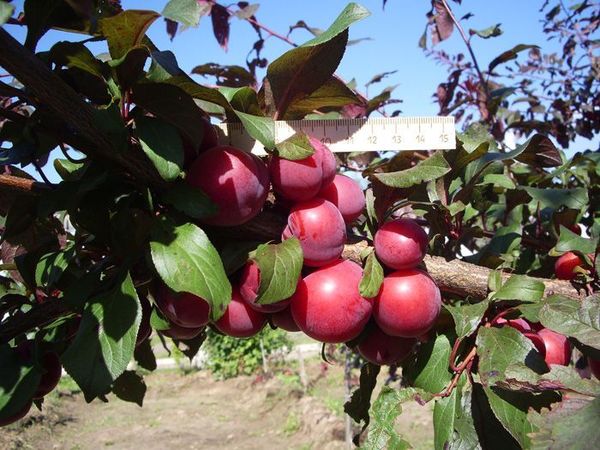
The Pride of the Urals plum is a self-fertile stone fruit. Thanks to its late flowering and early fruiting, this plant can withstand harsh northern winters and severe frosts.
The dark red fruits are covered with a slight bluish bloom, have an interesting flavor profile, and attract gardeners with their size. The average fruit weight is 40 g.
With proper care, the tree produces a bountiful harvest of ripe, juicy fruit. However, every 2-3 years the plant goes into a dormant period, during which time the Pride of the Urals plum does not bear fruit.
Pearl of the Urals
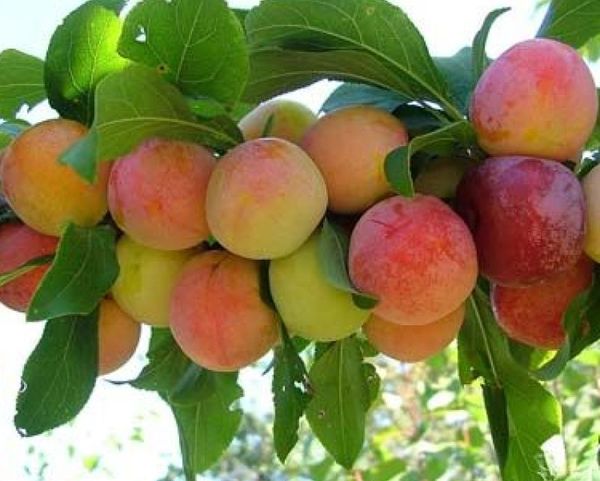
The Zhemchuzhina Urala plum was bred in 2005. In such a short time, this fruit crop has gained many fans. Ural gardeners have praised the plant for its good winter hardiness, high yields (at least 18–20 kg per mature tree), and resistance to most fungal diseases common to stone fruit crops.
Another advantage of the Zhemchuzhina Urala variety is its self-fertility. Cross-pollination can be used to increase fruit production and improve the plums' flavor.
Chemal's Gift
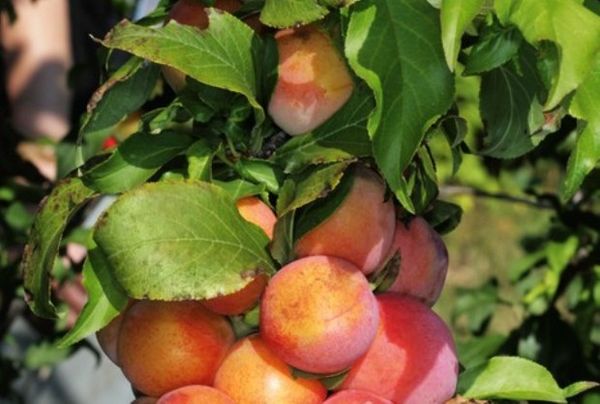
According to the variety description, the Podarok Chemala plum is a mid-season fruit tree. It begins bearing fruit 3–4 years after planting in its permanent location. With proper spring care, the fruit tree is not affected by late spring frosts.
Regarding its drawbacks, gardeners complain about the small size of the fruit. At harvest maturity, the plum weighs no more than 12–15 g. The Ural plum has an interesting sweet and sour taste and a pleasant aroma.
Chebarkulskaya
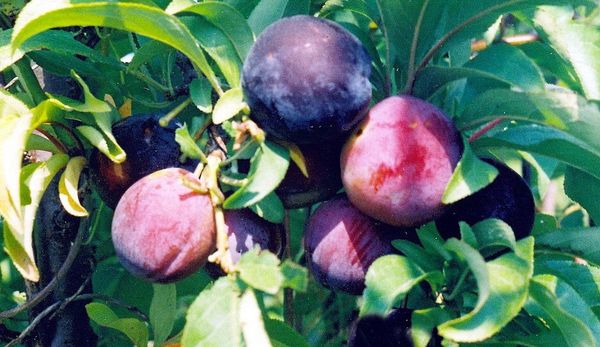
The Chebarkulskaya plum variety, with its compact size, is highly popular among gardeners in the Urals. The average height of a mature tree is 3–3.5 m, with a crown diameter no more than 3.5 m.
As noted by agronomists in northern regions, when cultivation techniques are followed, this variety is resistant not only to frost, but also to root freezing, damping off, and various ailments common to most stone fruit crops.
Snow White
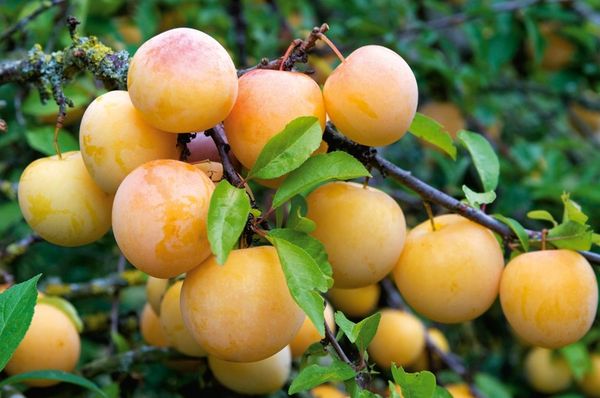
The compact "Snezhka" plum variety is distinguished by its high winter hardiness. With proper planting and care, it will delight gardeners with abundant fruit production. Cases have been recorded of at least 20 kg of ripe, juicy fruit being harvested from a single mature tree.
The variety got its name from the distinctive color of its fruit. Thanks to a waxy coating, the skin has a beautiful whitish hue.
Ural prunes
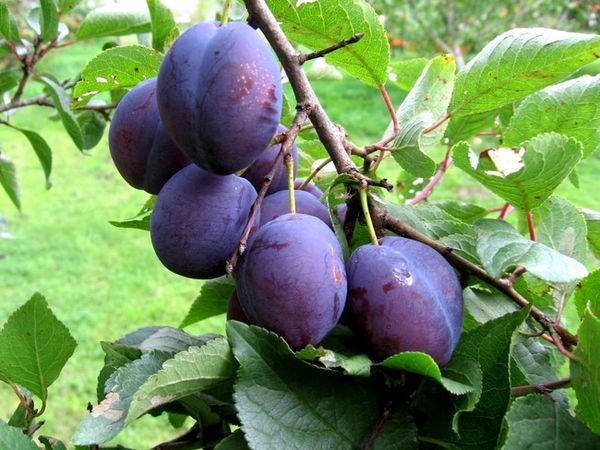
When pollinated by Ussuri plums, the Uralskiy chernoslivo variety is characterized by abundant yields and good frost resistance.
The small fruits, weighing 13–15 grams, are covered with a dense, blue-red skin with a slight waxy coating. The fruits of this fruit tree are rich in vitamins and minerals and are renowned for their medicinal properties.
Ural golden
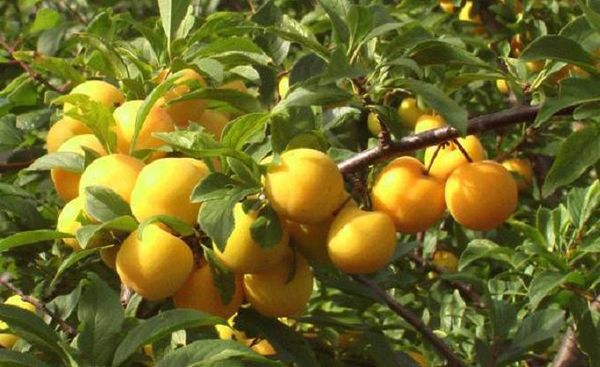
The Ural Golden plum is prized for its good frost resistance and abundant yield. Its golden-colored fruits have a pleasant aroma and a wonderfully sweet, slightly tart flavor.
The Uralskaya Zolotistaya variety is used in industrial production for the production of plum juice, compote, jam and preserves.
Landing rules
Many novice agronomists are interested in how to properly plant plum trees in the spring in the Urals. Planting a fruit tree begins with selecting the planting material. Experts recommend purchasing seedlings from local specialized nurseries. The ideal plum tree seedling is a young tree, one or two years old, with a well-developed root system.
Want to grow a healthy and productive fruit tree? First, you need to choose the right planting location. A south- or southwest-facing slope with plenty of sunlight and no drafts is ideal. To prevent root freezing, avoid locations near groundwater and low-lying areas where water often accumulates during floods and heavy rains.
Planting a plum tree in the Urals in spring begins with preparing a hole approximately 70 x 80 cm in size. The topsoil, rich in various nutrients and fertile substances, is mixed with wood ash, superphosphate, and compost. A wooden stake should be installed in the center of the hole to support the young tree. The plum tree should be planted carefully to avoid damaging the root system. The root collar should be above ground level.
After you have successfully planted the plum tree, you need to water it generously and mulch the soil around the tree trunk.
Care Features
To ensure vigorous growth and fruit production, a fruit tree requires proper care: watering, loosening and mulching the soil around the tree trunk, fertilizing with mineral and organic fertilizers, sanitary, rejuvenating, and shaping pruning, insect control, and protection from fungal, bacterial, and viral diseases.
Plum trees grown in the Urals require special attention during winter preparation. During this period, the trunks are whitewashed and covered. Gardeners often train the plum tree into a dwarf form, which promotes greater winter hardiness.