
Step-by-step instructions for planting plum trees for beginners
Content
Selecting a variety and seedling
Thanks to years of work and the incredible efforts of scientists, numerous plum varieties have been developed through selective breeding. These fruit varieties differ in ripening time, frost and drought resistance, yield, taste, and marketability.
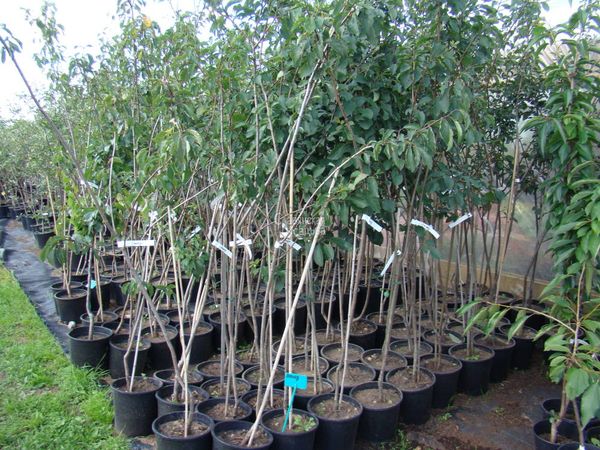
When choosing a young tree, it's important to consider the variety's characteristics. Some fruit crops can only be grown in southern regions, while others quickly adapt to any weather and climate conditions and thrive regardless of the region they're grown in. Experienced agronomists recommend that plants grown locally for a specific region produce the best growth and fruit production.
When answering the question of how to plant a plum tree and avoid the typical mistakes of novice gardeners, we suggest starting with choosing the planting material. It is better to buy plum seedlings, as with any other fruit crop, from specialized nurseries focused on growing garden plants. Here you can be offered a plum on a seed rootstock or a own-rooted seedling.
Once you've decided on the variety and selected a tree, carefully inspect the proposed planting material. A plum tree seedling should have a well-developed and healthy root system. The optimal trunk diameter for a one- or two-year-old plum tree is 1–2 cm, with branches 15–30 cm long.
Video: How to Grow Plums
In this video, an expert shares tips on growing a plum tree.
How to choose a landing site
Planting a plum tree in the fall or spring begins with selecting and preparing a site. Plums are sun-loving fruit trees, so it's recommended to choose well-lit and wind-protected areas of the garden. Experienced gardeners note that some shade is beneficial for the tree's growth. However, try to avoid placing the tree near tall trees that provide excessive shade. Cherry trees can be grown next to plums, but it's best to avoid placing them next to apple trees.
Plum does not like excess moisture in the soil, so you should not plant a seedling of this fruit crop in a lowland where liquid accumulates during spring and autumn floods and heavy rainfall.
Plums grow best in well-drained loamy soil rich in various nutrients and beneficial substances. Dry, sandy soil and clay soil are unsuitable for growing this fruit crop, as the roots are located almost on the surface and do not penetrate deep into the soil.
It's important not only to choose the right garden plot for plum planting but also to consider the groundwater level. For fruit crops to thrive, the groundwater level should be at least 1.5–2 meters below the ground surface.
Preparing the pit
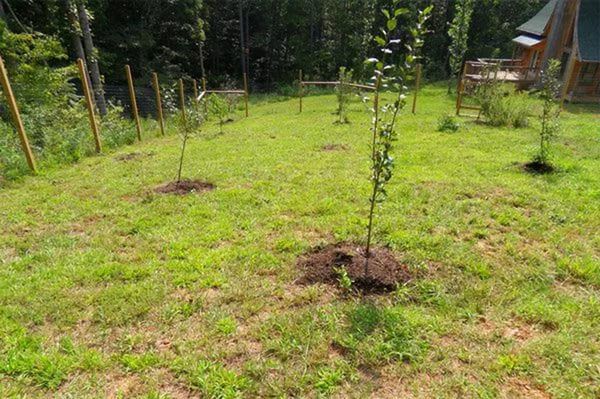
The planting hole is prepared in advance—two weeks before planting the seedling in its permanent location. The optimal planting hole dimensions for plum trees are:
- depth – not less than 60 cm;
- diameter – 60–70 cm.
The selected area of the garden must be cleared of excess vegetation and weeds. The soil excavated from the hole should be mixed with compost and humus, then refilled and allowed to settle. Please note that it is not recommended to use strong or highly concentrated fertilizers, which can burn the roots of a young tree. Excessive fertilizers have a detrimental effect on plum yield, stimulating plant growth at the expense of fertility.
Planting diagram
Depending on the region's climate and the fruit crop's varietal characteristics, planting patterns may vary. In addition to choosing the right location, soil, and seedlings, it's important to determine the planting timing.
Many gardeners wonder when is the best time to plant a plum tree. For central Russia, spring planting is more successful. Summer and fall will give the tree time to establish roots and strengthen, making it better able to withstand winter cold. However, in southern regions, some fruit trees can be planted outdoors in the fall.
Try to plant varieties appropriate to the region and pay attention to the weather forecast. To give the plum tree time to adapt, it's best to plant it in early September.
If other fruit or deciduous trees are already growing in the garden, new plants should be planted at a certain distance from each other. For columnar varieties, 1.5–2 meters of space is sufficient, while taller varieties are more demanding—some require 6–8 meters of space.
Step-by-step instructions
Let's move on to planting the plum tree. Following the step-by-step recommendations from experienced gardeners, this task won't be difficult or time-consuming.
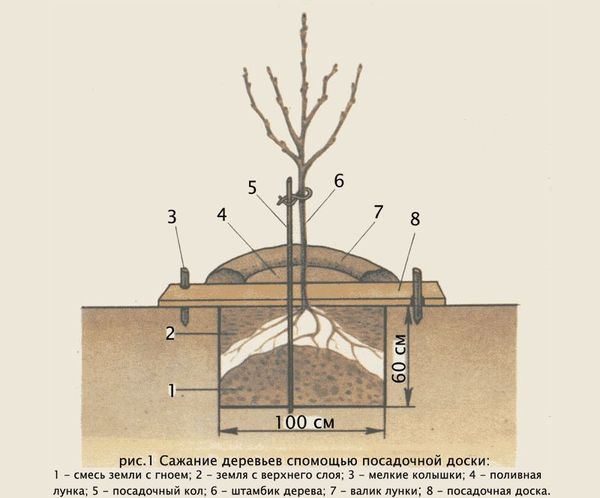
Place a small wooden stake in the center of the hole where the plum tree will be planted to support the young tree. Carefully, so as not to damage the root system, place the seedling in the hole, then fill the hole with fertile soil. The root collar should be 3–5 cm above the soil surface.
Lightly compact the soil. Then, water the planted tree generously. It's recommended to water around the edge of the tree's trunk. The final step in planting a fruit tree is to mulch the trunk with a layer of peat or compost.
Further care
To ensure a bountiful harvest from a fruit tree, you need to not only plant it correctly but also provide it with proper care. You already know how to plant a plum tree, now let's talk about the techniques for cultivating this fruit tree.
So, how do you care for a plum tree? First, it's important to carefully study the plant's varietal characteristics, as care instructions vary depending on the specific needs of the particular plant. Some plum varieties require more attention and monitoring, while others are more tolerant of growing conditions and care.
Proper plum tree care consists of several steps: crown formation, watering, loosening and mulching the soil, fertilizing, and preventing diseases and pest infestations.
Have you noticed yellow, brown, or black spots appearing on your plum tree's leaves? The tree is bearing little fruit, has stunted growth, and appears unhealthy? If your plum tree is sick or has become the target of insect pests, time-tested folk remedies and modern chemical-based treatments can help.
Plums don't like excess moisture, but suffer even more from drought. If there's no precipitation in June and July, which is typical in southern regions, monitor soil moisture levels. Mature trees require infrequent but generous watering.
Don't forget to prune the plums. This procedure increases fruit production and improves the plums' flavor.