
Why do plum tree leaves turn yellow and what can I do about it?
Content
Main reasons
Before taking any action on your plum tree, you need to understand why its leaves have turned pale green or yellow. There are many reasons why plum trees have light green leaves. Let's look at the most common factors that lead to this situation.
Video: "Why Plum Leaves Dry Up and How to Help the Tree"
A video about why plum tree leaves turn yellow even though the autumn cold is still a long way off, and what might be causing it.
Root damage
If plum tree leaves are turning yellow, the cause may be damage to the root system. Mechanical damage to the roots can occur during planting or replanting. In this case, the root system was improperly prepared for the procedure (for example, pruning diseased or rotten roots was done incorrectly).
In young plants, damage to the underground part can occur due to an incorrectly chosen planting location. In this case, the soil characteristics may be unsuitable for growing this crop. Plum trees should not be planted in the following locations:
- marshy areas;
- soil where groundwater comes too close to the surface of the earth;
- Lowlands. Water stagnation occurs here, which causes the underground parts of plants to rot.
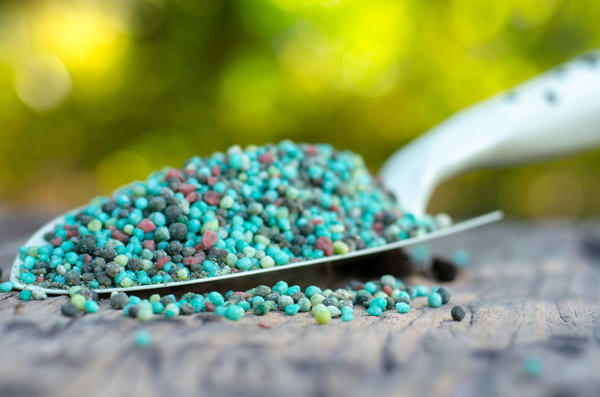
Improper use of chemical fertilizers can also cause chemical damage to the root system, resulting in chemical burns to the roots.
Chlorosis
If yellow spots appear on plum tree leaves, the tree is most likely affected by chlorosis. This disease is not common. It develops only in plants growing in limestone soils. A distinctive feature of chlorosis is the appearance of green veins on the yellowed leaf.
Aphid
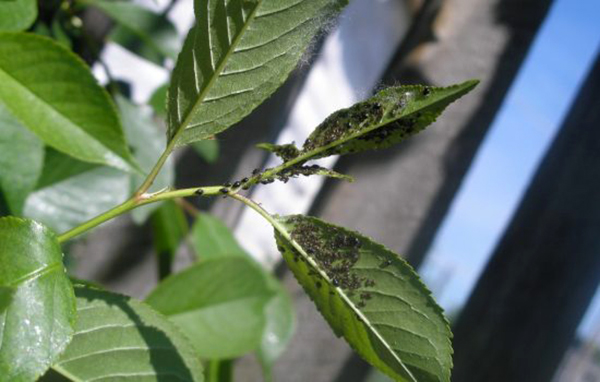
When plum tree leaves turn yellow, many people first think of pests. In spring and summer, this plant is often attacked by aphids. These are parasites characterized by rapid reproduction. Aphids feed on plant sap. Therefore, when attacked en masse, plum trees weaken, which negatively impacts their leaves and fruits. They begin to yellow and dry out.
The presence of aphids on a tree is indicated by the characteristic black coating that appears on the leaves. The waste products of this parasite also create favorable conditions for the development of sooty mold.
Frosts
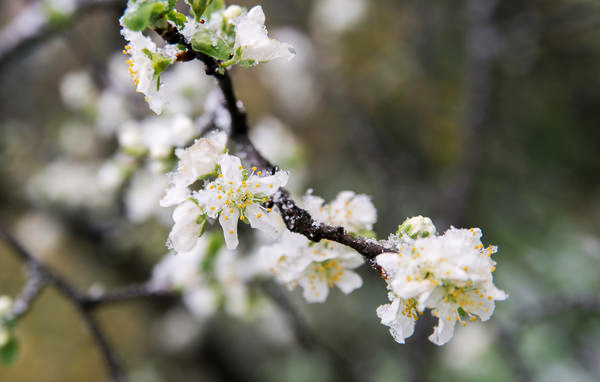
Another reason plums turn yellow is frost. The leaf and branch can be damaged by nighttime, spring, and fall frosts. This can happen with significant temperature fluctuations, which occur during sudden changes in weather conditions. This causes plum tree leaves to become pale and may even turn yellow.
It's worth noting that unstable weather, characterized by sudden temperature fluctuations, primarily affects the root system. As a result, the crown suffers a double blow: first, the branches themselves freeze, and then they begin to receive fewer nutrients due to impaired root function.
Fungal diseases
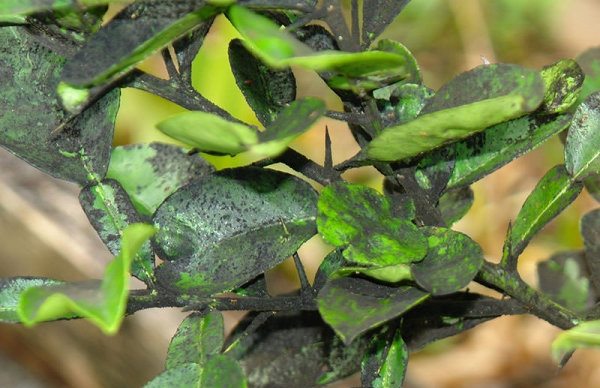
Plum leaves often begin to wilt, turn light green, or yellow and fall off due to fungal infections. Initially, a spot appears on the leaf, which has a characteristic description for a particular disease. After this, fungal spores and mycelium form. The spots can be various colors: white, gray, black, etc. They can even turn red. The most common fungal diseases affecting this crop are:
- Verticillium wilt. It infects the leaves. They begin to turn lighter and soon fall off. Without treatment, the tree dies;
- Shot hole. Characterized by the appearance of brown spots on the leaf blade. These spots have a dark border. The spots themselves are red. Without treatment, affected leaves can quickly dry out, which will negatively impact crop production.
- Coccomycosis. Small reddish-brown spots appear in mid-June. Over time, they merge. A pinkish, powdery coating appears on the underside of the leaf. This causes the leaves to take on a light yellowish tint, dry out, and fall off.
- Moniliosis. The shoots take on a scorched appearance. Fruits damaged by the fungus rot, and chaotic gray growths appear on their surface.
Fungal pathogens affect not only plums, but also other trees and shrubs grown in the garden (apple trees, viburnum, gooseberries, etc.). Peak infestations occur in summer (June and July). This is when warm weather sets in and rain is frequent. These conditions are ideal for fungal growth. If these conditions are absent, the risk of these diseases is significantly reduced.
What to do
When plum tree leaves turn yellow in June or any other time, certain steps must be taken to restore the tree to its normal condition. The specific course of action in each situation depends on the underlying cause.
As we've already established, plum tree leaves can turn lighter or yellow for a variety of reasons. Therefore, it's important to first determine the exact cause of the change. Only then can you take the following proactive steps:
- if the roots are damaged, it is necessary to transplant the plant (if it is young) to a new location;
- If chlorosis appears, use products such as "Antichlorosin" or "Chelate." They must be properly diluted in water to prevent further damage to the tree. Protective equipment is essential;
- In case of fungal infections, plums are also treated with special agents (such as Vitaros, Topsin-M, or Previkur). For more effective treatment, a product specifically designed to combat the specific ailment should be used. General-purpose remedies are less effective in this case.
- When plantings are infested with parasites, the choice of chemical agent depends on the type of pest and the extent of damage to the tree.
The best way to combat yellowing of fruit tree leaves is proper care and preventative measures (spraying, weeding, pruning, etc.).
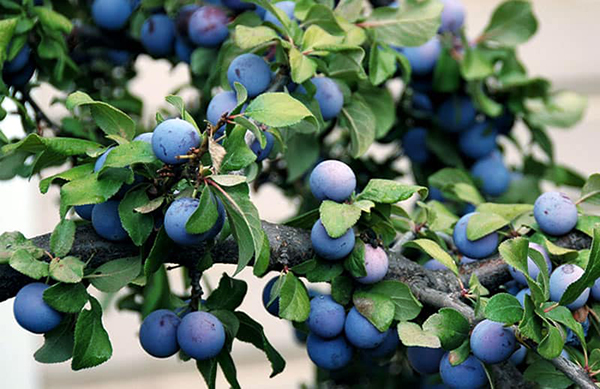
Knowing why plum tree leaves turn yellow allows you to quickly solve the problem and prevent it from occurring in the future.