
Why are plum tree trunks and leaves drying out and what can I do about it?
Plums are prized for their exquisite flavor and rich supply of vitamins and minerals. Despite their undemanding growing conditions and low maintenance requirements, plums, like any other fruit tree, can wilt, stunt growth and development, dry out, and stop bearing fruit. Faced with such problems, young, inexperienced gardeners wonder why plum leaves aren't blooming and what to do if a plum tree is drying up.
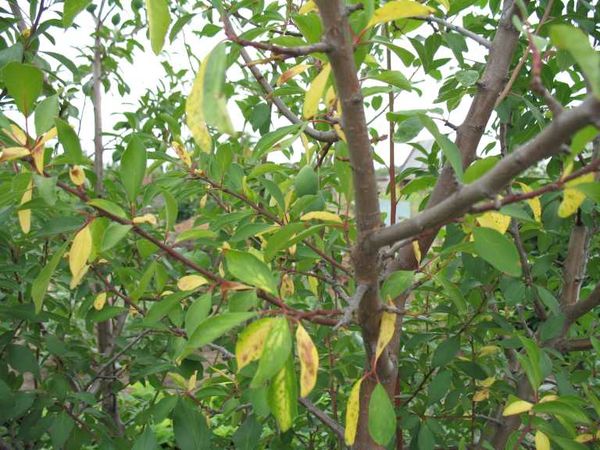
To answer the question of why a plum tree has dried out after winter and whether it can be helped to recover, it's important to understand the main reasons why the leaves and branches of the fruit tree begin to wilt and dry out. Most often, plum trees dry out as a result of adverse weather conditions, improper care, pest infestations, and diseases.
When choosing a seedling, carefully examine the characteristics of the chosen variety. Some varieties, characterized by low frost resistance, are unsuitable for growing in regions with harsh climates. For example, after a cold and frosty winter, the plant may partially or completely dry out. Today, breeders have developed many varieties of fruit trees. For this reason, it is recommended to select fruit crops based on the weather and climate of the growing region.
Dried young shoots and leaves can be the result of improper care. Often, novice gardeners water and fertilize plants incorrectly, causing the trees to wilt and dry out.
Have you noticed your plum tree's leaves wilting, the plant's growth has stalled, flowers aren't blooming, and fruit buds aren't forming? As gardening experts advise, carefully inspect the tree for signs of pests and symptoms of diseases common to stone fruit trees.
One obvious answer to the question of why a plum tree is drying out could be the plant wilting as a result of a fungal, bacterial, or viral infection, or a pest attack. Popular folk remedies and various chemicals can help correct the situation and save the garden.