
How to grow ornamental Pissardi plum in your garden
Content
Description of the tree and fruits
The red-leaved plum, or Pissardi plum, was brought to Europe from Iran and quickly gained popularity among gardeners.
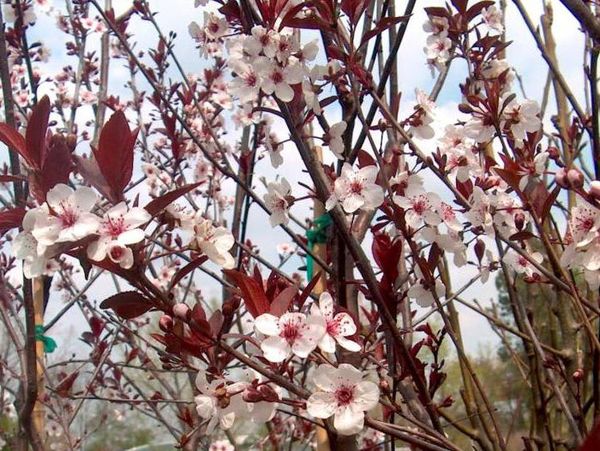
The tree grows quite tall, reaching a maximum height of 12 meters, but on average, it doesn't exceed 7-9 meters. The trunk is brown and not very long. The crown is fairly dense, spherical or oval in shape. Young shoots have a reddish tint, but darken noticeably with age.
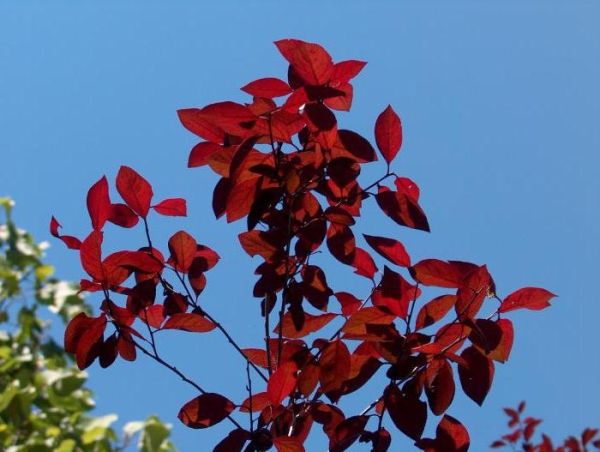
The leaves of this ornamental plum are elliptical and crimson. One of the distinctive features of this variety is that the leaves retain their exotic red color throughout the entire flowering cycle. The buds of the Pissardi plum are a beautiful soft pink, and can be seen as early as April. Over time, they open to reveal small white flowers.
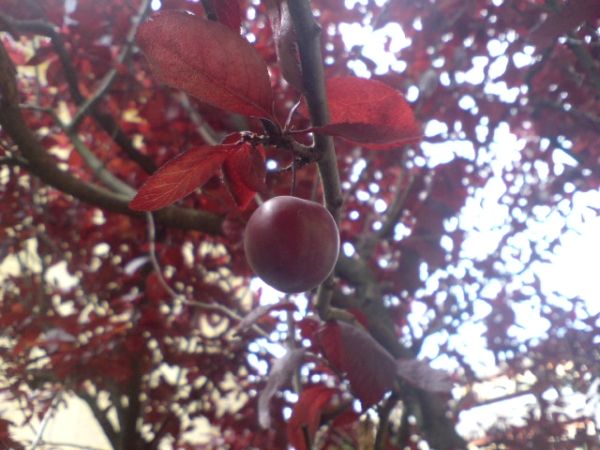
Now let's move on to a description of the plum tree's fruits. They aren't particularly large, weighing about 30 grams on average, and are covered with a rich, dark-burgundy skin. Inside, you'll find a fairly large, oval-shaped pit. Although the fruits themselves aren't particularly large, they ripen in large numbers, so you'll be able to reap a bountiful harvest.
It is also worth considering that this tree with red leaves is planted more for appearance than for its tasty fruits (they do not have outstanding taste characteristics). Harvesting can begin as early as late summer, although if you don't rush, it's okay – the fruits hang on the tree until mid-autumn.
The tree thrives in temperate climates and tolerates drought well. However, excess moisture has a very negative effect on the plum. Besides moisture, Pissardi also does not tolerate low temperatures well, so it is best not to grow it in cold regions.
Rules for planting seedlings
Plum trees can be planted in either the fall or spring. First, choose a suitable planting location, considering the following factors:
- The location should be well lit, so make sure that the plum tree is not in the shade of other trees or buildings.
- There should be no other plants around the tree, otherwise it will not be able to grow normally.
- The soil should be light and loose. Also, pay attention to the groundwater level—it shouldn't be too high. Otherwise, you'll need to ensure drainage when planting.
- Plant the tree in a place where there will be no strong gusty winds, otherwise there is a chance that it will not live very long.
Now let's move on to the landing itself.
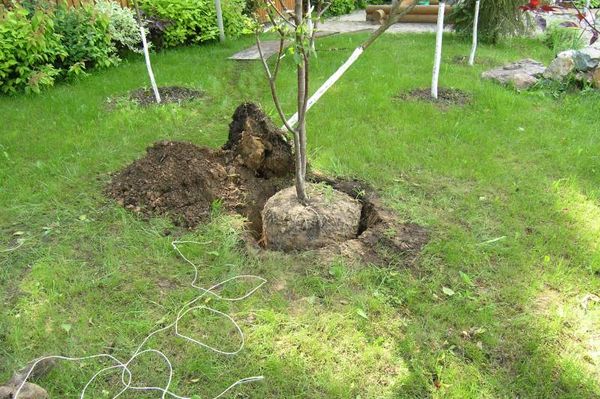
Prepare the planting hole 2-3 weeks in advance. Its depth and width should be 50 cm and 70 cm, respectively. Add a fertile layer of soil, mixed with humus, to the bottom of the hole, and insert the planting stake.
Place the seedling carefully into the hole to avoid breaking its roots. The root collar should be a few centimeters above the soil level. Once the seedling is covered with soil, tie it to a stake to prevent it from breaking in the wind. Immediately after planting, mulch the soil around the tree and water it thoroughly.
Agricultural cultivation techniques
Caring for the Pissardi plum is not too difficult, but to achieve maximum results, you should follow these recommendations:
- Watering. The plant needs to be watered generously and regularly. Typically, it should be watered every two weeks. One tree requires 4 to 6 buckets of water. However, remember that too frequent watering can lead to root rot, so make sure the top layer of soil is completely dry before watering.
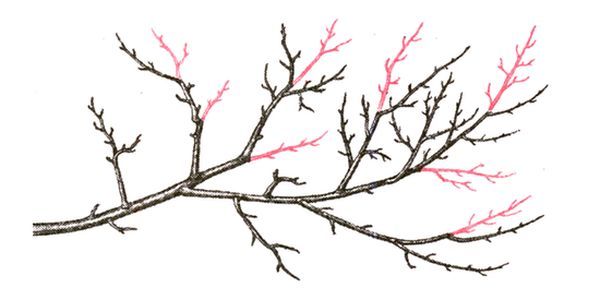
- Pruning. A necessary annual procedure. By removing broken and dead branches from trees, you'll reduce the risk of various diseases and ensure healthy branches have access to sunlight.
- Fertilizers. In the first year of a plum tree's life, you can get by without them, but then it needs regular fertilization. In the fall, for example, humus is added, but in the spring, potassium fertilizers are necessary. When the plum tree begins to bear fruit, it is recommended to help the tree by applying urea fertilizers.
- Winter shelter. Given that Pissardi is a heat-loving variety, care must be taken to ensure the plum survives the winter. To do this, prepare it for winter by watering, mulching the soil, and then covering the trunk with straw or peat.
Diseases and pests
Although the Pissardi plum has a good immunity, it is still susceptible to certain diseases. The most common are powdery mildew and trunk canker. Powdery mildew can be controlled with fungicides, but trunk canker can be saved in the early stages by pruning away all affected areas (if possible).
Various insects can also cause problems. Plums are most often attacked by leaf rollers and fruit moths. These can also be controlled with specialized chemicals, which are available at specialty stores.
To avoid problems with diseases and pests, you must adhere to the following rules:
- Trim the tree in a timely manner.
- Burn removed infected plant parts rather than leaving them on the ground near the tree.
- Regularly mulch the soil around the tree trunk and get rid of weeds.
- Apply fertilizer and ensure that the plant has good immunity.
- To prevent insects, carry out spring treatment with insecticides, for example, "Aktara".
Video: Planting and Fertilizing Plum Trees
This video will teach you how to properly plant and fertilize plum trees in your garden.