
Pruning and shaping rules for plum trees
Content
Pruning times
Pruning plum trees may seem like a labor-intensive task for novice gardeners. Indeed, this procedure requires a certain amount of theoretical knowledge and skill. The first thing every domestic gardener should remember is that pruning plum trees should be systematic and performed at least once a year.
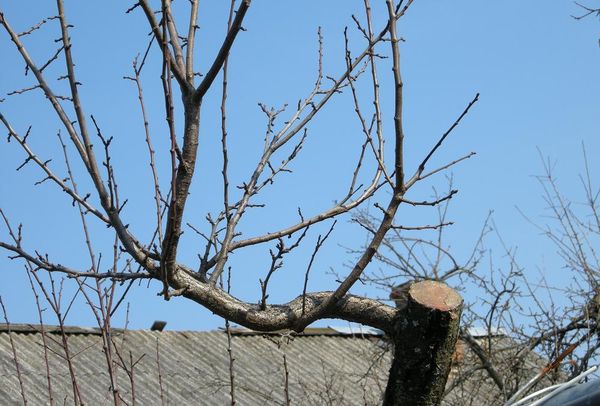
This way, you'll ensure the plant's health and ensure it produces abundant fruit every year. Interestingly, pruning and shaping the tree ideally occurs in spring, summer, and even fall. Each pruning stage is crucial for the plum tree and has its own unique characteristics.
Pruning plum trees in spring is the best solution for a novice gardener. This time is considered the most favorable for plant formation, and you'll also cause less damage. It's best to begin this procedure in late March or early April. One of the key advantages of spring plum pruning is the opportunity to spot branches growing in the wrong direction. These are the ones you should remove first, as they determine the tree's fruiting rate.
As for summer crown shaping, it's necessary to thin out the most densely populated areas. These can be identified by the accumulation of foliage, which can significantly impede the full ripening of the fruit. It's also worth remembering that pruning old or diseased branches is also recommended in the fall. This procedure is carried out solely for sanitary purposes.
Video: Plum Pruning
This video will show you how to prune a plum tree correctly.
Main types of pruning
Properly shaping a young plum tree requires thorough training. Not only the time of year but also the technique you use is crucial. Since branch removal is performed at different times for different purposes, the type of pruning will also vary. Let's review the basic methods for pruning plum trees so we can clearly understand what's required at each time of year. Pruning plum trees in summer, spring, and fall is also necessary because this fruit tree grows quite rapidly. If left untreated, the plant will become overgrown within a year.
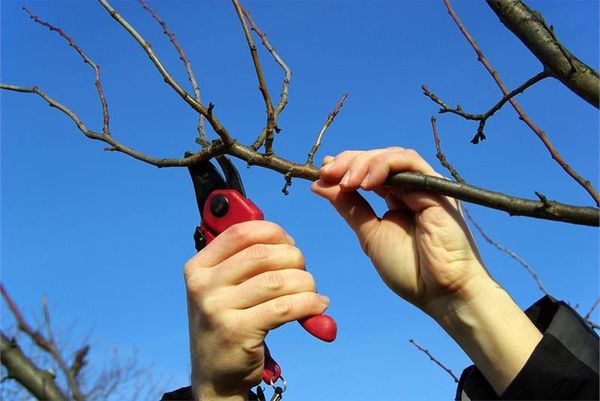
This is why plum trees need to be cared for properly, and the following pruning methods are most often used for this purpose:
- Formative. This method is indispensable in the first years of growing plums in a garden plot. It's crucial to establish the correct direction for crown growth from the very beginning, shaping it so that nothing interferes with the formation and ripening of the fruit;
- Regulatory. Once the young plum tree has formed in the spring, it's too early to relax. It's recommended to monitor the tree's development throughout the year. If necessary, trim back some branches or remove those that are hindering fruit ripening.
- Rejuvenating pruning. As the plant ages, it produces less fruit. This is when rejuvenating pruning should be considered. This will help you remove damaged or diseased branches, as well as those that are no longer producing fruit.
- Restorative. All dry or mechanically damaged branches of the plum tree must be removed;
- Sanitary pruning. After your indoor tree has recovered from a disease or you've saved it from a pest colony, it's time to perform restorative pruning. This stimulates the plant's further development.
Tree training and subsequent crown care are the keys to successfully growing a plum tree in your garden. Only then can you expect a bountiful harvest.
Pruning at different times of the year
Every gardener who wants to grow this fruit tree in their garden must understand how to prune a plum tree properly. The specifics of the procedure will depend on the time of year, and this factor must be taken into account before removing excess branches.
Spring
Proper pruning of a young tree in the spring is usually carried out according to the following scheme:
- First of all, it's recommended to remove any shoots that are growing in the wrong direction. This will significantly interfere with the fruit plant's ability to produce fruit properly.
- If the crown of the plant is lush, it is better to thin it out in early spring - before the plum is covered with leaves;
- It is also better to remove the shoots that appeared during the previous growing season, since new fruit-bearing branches will form in their place.
Having studied the features of spring pruning of plums, you will certainly be able to shape it correctly.
Summer
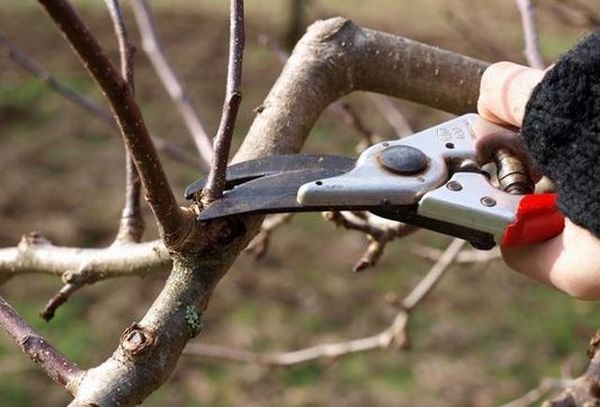
In the first half of summer (June-July), sanitary and maintenance pruning is essential. This will not only thin out the dense crown but also protect the plant from pests. Plum trees are especially susceptible to pests during the first year after establishment, so sanitary pruning is essential.
Autumn
In the fall, it's crucial to properly prepare your plum tree for winter. It's recommended to prune all damaged or diseased branches. This way, your plum tree will survive even severe frosts, and with the arrival of spring, it will begin to actively develop its crown again.
Tips for Beginners
To ensure successful plum tree planting, it's essential to properly care for the plant. Remember that if you're growing fruit trees in regions with harsh climates, it's best to prune in spring and summer. Avoid touching the plum tree's skeletal branches if it's just beginning to bear fruit—such stress can have a detrimental effect on the plant.
Another key factor is crown shape. For indoor plums, opt for a bowl-shaped or tiered form. Take care of your plum tree, learn how to thin its crown, and one day you'll appreciate the taste of its nutritious fruits.