
3 secrets for treating plums from diseases and pests
Content
Processing times
All fruit trees, including plums, require treatment throughout the season. However, proper tree care requires spraying stone and pome fruit trees in spring and fall. Proper treatment at these times will provide reliable protection and ensure a bountiful and delicious harvest.
In the spring
Plum trees are sprayed for the first time in early spring. This procedure is performed before the sap begins to flow. Spraying can protect the tree from the following pests:
- rose leaf roller;
- plum pollen aphid;
- yellow leaf sawfly.
To protect against gypsy moth, treatment is carried out twice: before flowering and after this period.
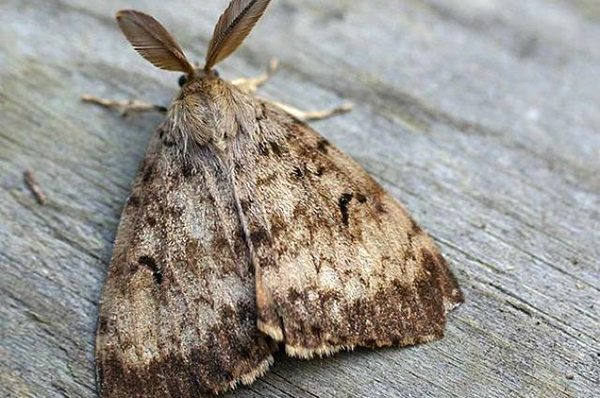
In addition to protecting against pests, spring spraying will protect plums from various diseases. This treatment is effective against moniliosis and marsupial disease. In this case, spraying should be done when the first leaves appear on the tree. The procedure should be repeated approximately every 14 days.
Thus, the gardener decides for themselves when to perform preventative treatments. Early spring treatments and those after flowering kill parasites and pathogens that overwinter in the bark or soil.
Sometimes, to better protect crops, it's necessary to spray the trees in early summer (June). At this time, treatment is performed if signs of insect presence (webs, damaged leaves, etc.) are detected. Damage to the crop is also a sign of infestation. For example, unripe fruit will have external damage caused by caterpillars and pathogens. Sometimes, worms are found inside the fruit.
Video: "Types of Spring Spraying"
In this video, an expert will explain the stages of spring treatment of fruit trees.
In the fall
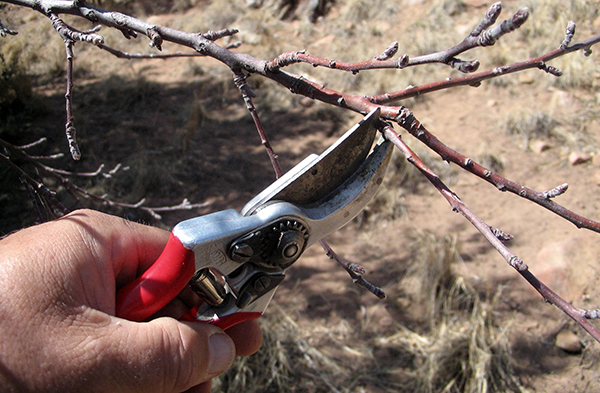
Autumn spraying of plum trees is carried out after the harvest has been removed. Treatment at this time is necessary to destroy pests and pathogens hidden in the bark or soil. In this case, tree care involves pruning first, followed by spraying.
It's worth noting that specific products should be used during each season. The gardener determines which spray to use on plum trees in spring, fall, and summer based on the desired outcome.
Choice of drug
To effectively protect plum trees from pests and pathogens, you need to know what to treat them with in the spring, after flowering, or in the fall. A different spray product must be used each time to prevent microorganisms and insects from developing resistance.
If you fight pests and microflora with the same product, after just a couple of treatments it will be ineffective or will have no effect at all.
Therefore, it is very important to know how to treat plums against worms, spider mites, or fungus.
From diseases
When a plum tree takes on a diseased appearance, it indicates a viral, fungal, or bacterial infection. In the early stages of the disease, folk remedies and preventatives can be used, such as infusions made from certain plants. However, due to their low effectiveness, such remedies are used only as a preventative measure.
If the disease has progressed significantly, chemical treatments should be used. They are considered the most effective. The choice of treatment depends on the specific disease affecting the tree. Treatment against pathogenic microflora can be carried out using the following agents:
- Copper oxychloride solution. To prepare it, dissolve 30 g of the substance in a bucket of water (10 liters);
- Bordeaux mixture (1% solution);
- copper sulfate (1% solution).
Spraying should be carried out in conjunction with preventive measures (pruning affected branches, removing fallen leaves and fruits).
From pests
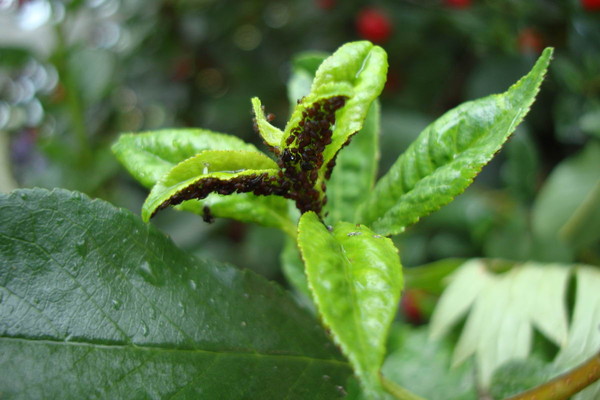
Many pests lay eggs in plum ovaries after awakening in spring. To protect plants from insect infestations, it's important to know how to treat plums after flowering. The choice of treatment also depends on the type of pest.
At the initial stage of plum infestation by aphids and other insects, you can use a soap-kerosene solution, as well as herbal infusions (for example, onion peels and garlic). Since many pests are sensitive to strong odors, infusions should be made from such plants. For example, a nettle infusion is less effective than one made from onion peels.
In case of severe damage, it is necessary to use chemical preparations: "Karbofos" (helps against goldenrod, yellow and black plum sawfly), "Nitrofen" (effective against aphids), etc.
Compliance with instructions
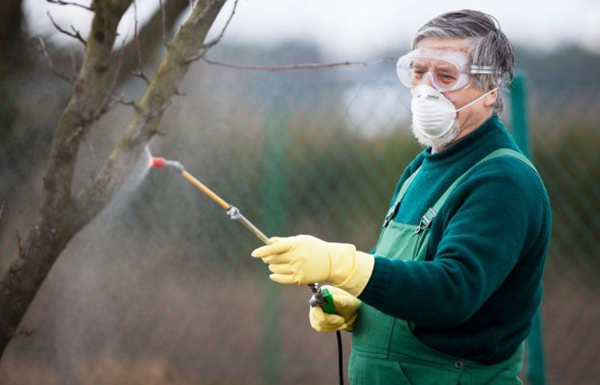
When using chemical sprays, it's important to carefully read the instructions. This is the only way to achieve the best results and protect yourself from the negative effects of chemicals.
According to the instructions, many chemicals should be applied in calm weather in the evening or morning. Such treatments should not be carried out before or during rain, or on hot, sunny days.
When working, be sure to wear a protective suit, gloves, goggles, and a mask. After finishing, wash your hands with soap.
For maximum effect, spraying is repeated after a certain period of time (specified in the instructions) to destroy parasites at different stages of their development.
Knowing how to treat plums against diseases and pests can not only save the harvest but also minimize the risk of future attacks.