
Growing the best plum varieties in the Moscow region
Content
Climate in the region
Experienced gardeners know the best plum varieties for the Moscow region, producing a good harvest. Less experienced gardeners should be aware that, given the region's specific climate, not every variety can be planted outdoors. Low-growing, winter-hardy varieties are preferred.
When plum trees are in bloom, frosts are common in this region. Even in spring, temperatures can drop below the acceptable level for this crop. Fruit buds can simply freeze. However, compared to the Moscow region's climate with that of northern regions, it's certainly milder here. One of the main characteristics of the region is its fluctuating temperatures, which many plum varieties don't tolerate well.
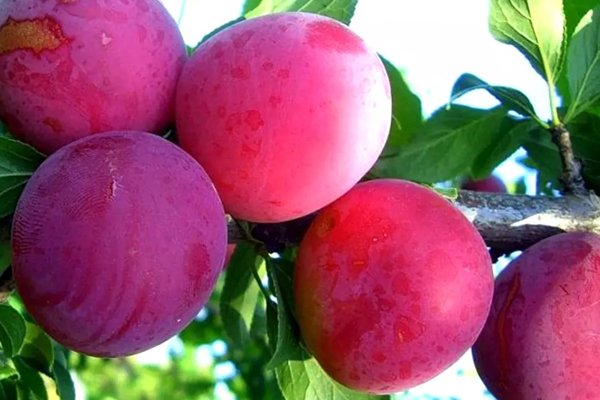
The main thing is to select a variety that is resistant to cold. Planting and caring for these crops in the Moscow region is essentially the same as growing them in other regions. Self-fertile and self-pollinating varieties are listed below. Make your choice based on the desired harvest timeframe.
Landing rules
Before selecting a plum variety for the Moscow region, learn about the basic planting requirements for normal growth and development of the plant.
If you've chosen self-pollinating plum varieties for the Moscow region, avoid planting them in low-lying areas. These trees are best planted on sunny slopes. If a natural hill isn't available, you can create an artificial one.
You need to prepare the site in the fall. Add humus, potassium salt, and superphosphate to the soil where you plan to plant this crop. Once the minerals have dissolved in the soil, the soil will be suitable for planting plums by spring.
Care Features
Whether it's a columnar plum for the Moscow region or other varieties, proper care is essential to ensure a good harvest. You can find descriptions and basic care guidelines on any forum. Unfortunately, not all of them contain truly useful and valuable information.
Experts recommend pruning similarly to other garden crops. Any plum variety suitable for planting in the Moscow region is not overly demanding when it comes to crown shaping. This procedure is best performed in the spring. The cut areas should then be sealed with garden pitch.
Don't forget about fertilizing. In the second year after planting, add nitrogen and urea to the soil. You'll also need to fertilize the soil around the trunk with potassium sulfate.
The best varieties
There are several varieties best suited to this region. All produce sweet fruit, but they differ in ripening time and plum color.
Video "Plums and Pears for the Moscow Region"
Expert advice on growing fruit trees in the Moscow region.
Early
Among the early ripening varieties, the following plum varieties should be noted:
- Zarechnaya early;
- Early fruiting;
- Oryol dream.
The Zarechnaya rannaya plum yields in July. These fruits are excellent for transport. Each plum weighs up to 60 g. Its taste is rated 4.5 out of 5.
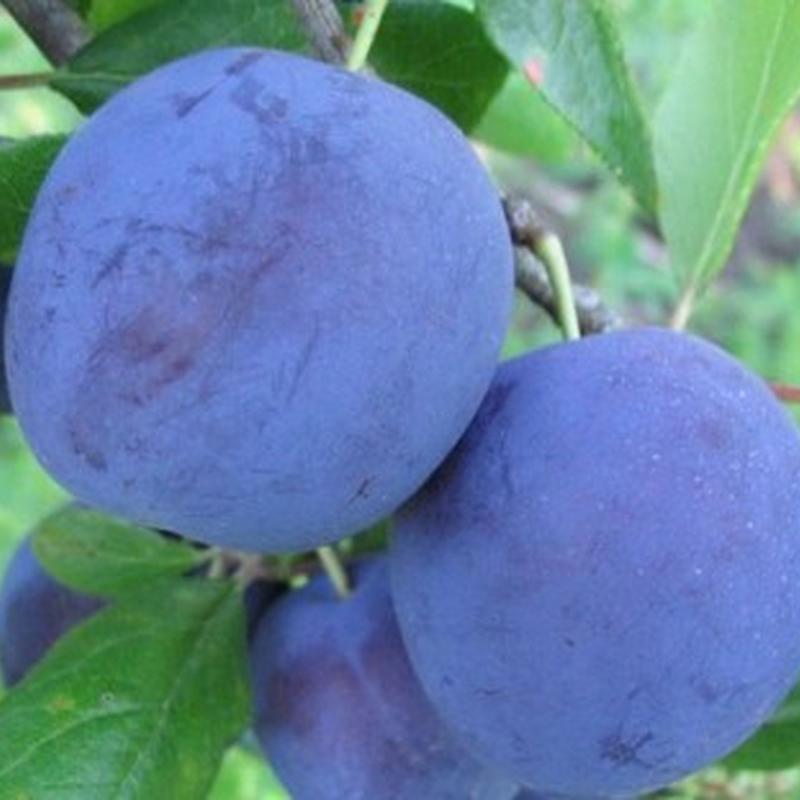
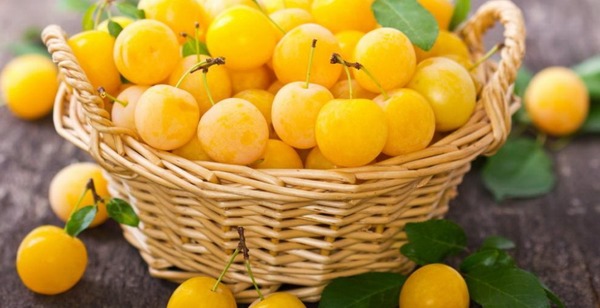
This early-ripening plum bears fruit well even in the northern part of the Moscow region. This variety produces both pinkish and yellow fruits. They are quite small. This yellow plum is quite suitable for the Moscow region, as it can withstand even severe frosts. This variety is pollinated by cherry plum hybrids.
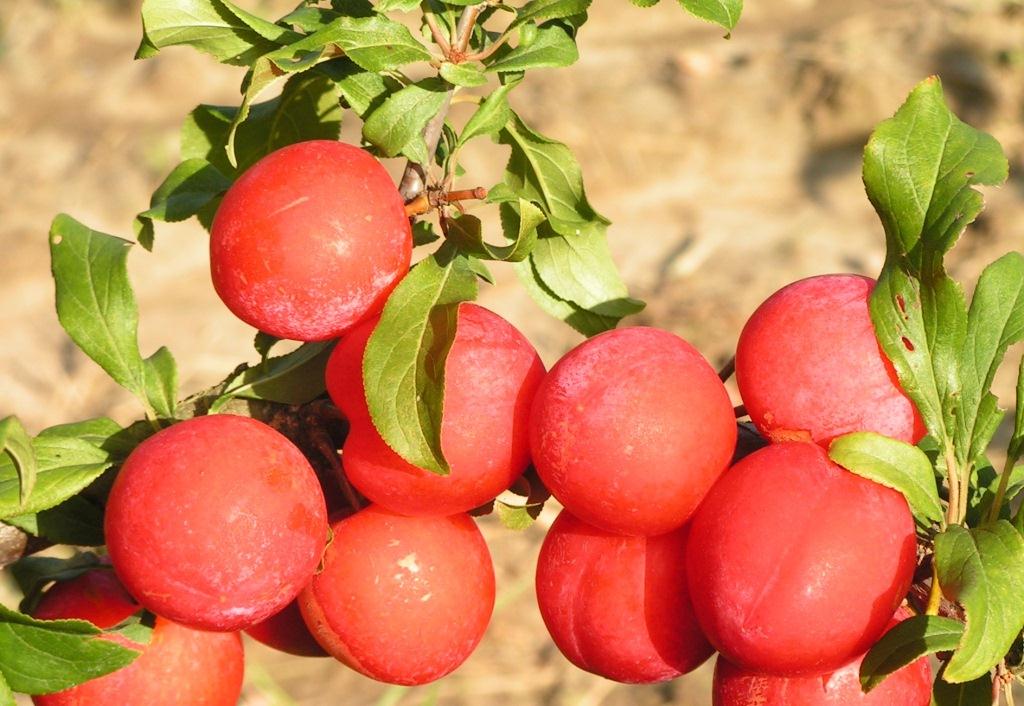
Orlovskaya Mechta is a variety of stone fruit distinguished by its juicy and fibrous fruits. The trees reach a height of only 2.5 meters. The fruits ripen in early August and are relatively small.
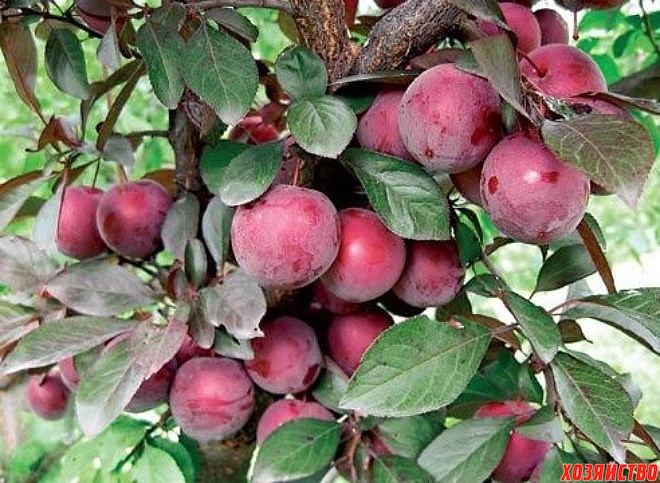
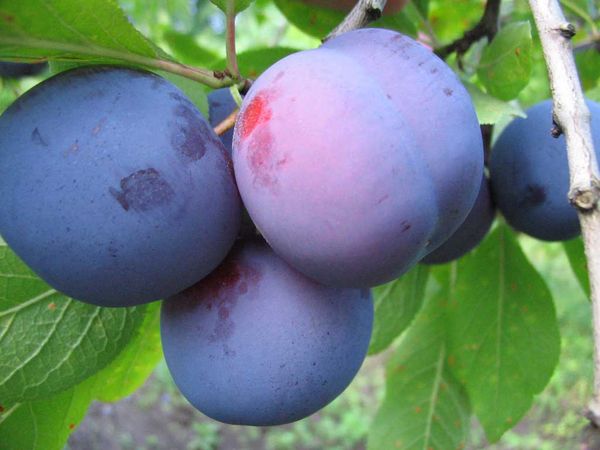
If you want to get a harvest of very sweet, large fruits, you should choose the Blue Bird plum.
Average
When choosing mid-season seedlings, pay attention to the following varieties:
- Yakhontovaya;
- Mara.
The first is a fairly tall tree, reaching up to 5 meters in height. However, given the likelihood of spring frosts, be extremely careful with this plant. It doesn't tolerate frost very well. Low temperatures during this period can cause the death of flower buds.
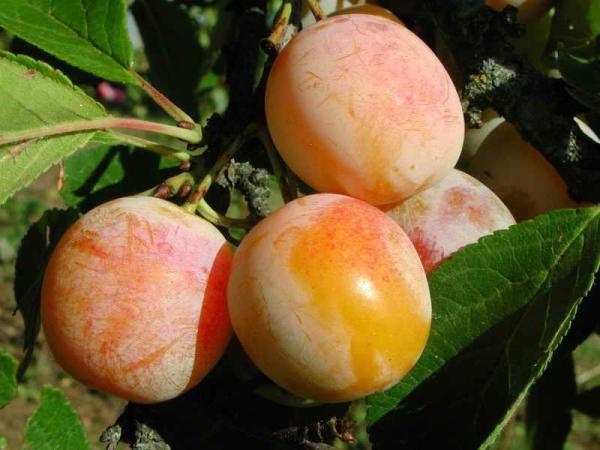
Mara is a variety grown in many gardens around the capital. It tolerates even harsh winters well and is resistant to various diseases. It's excellent for making jam or preserves.
Late
Of the late-ripening varieties, we'll highlight the best—'Pamiat Timiryazeva.' The fruit ripens in late August or early September (depending on the location). Even after a frost, the tree quickly recovers on its own and produces fruit well.
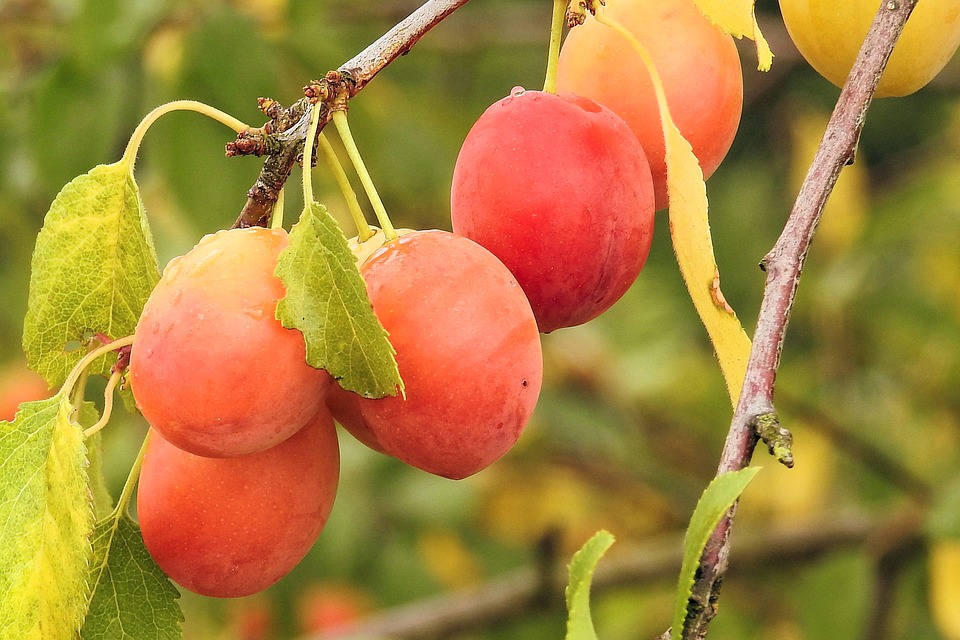
The only drawback is the high risk of tick infestation.