
Features of planting and caring for columnar plum
Content
General characteristics
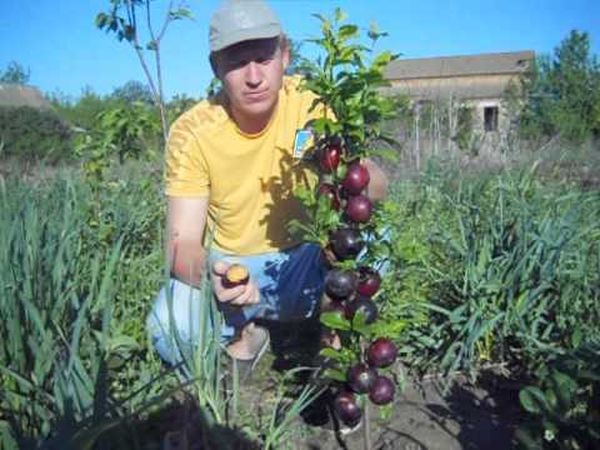
A typical plum tree has a dense, spreading crown, making it quite tall and difficult to care for, making harvesting difficult. A columnar plum has a completely different crown structure. A mature tree does not exceed 2.5 meters in height, the trunk lacks spreading skeletal branches, and the fruit buds form on small, cluster-shaped branches that reach 15–20 cm in length.
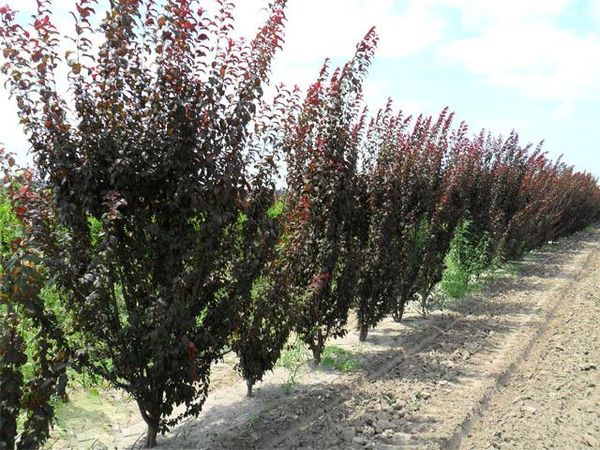
Proper planting and care guarantee fruiting in the second year after planting. The tree's root system is very weak, so it requires support. Depending on the variety, columnar plums come in three main colors: yellow, blue, and purple.
Columnar plums offer many advantages over standard plums. A low-growing tree is much easier to care for, and pollinating insects have easy access to each blossom. Although miniature plums produce 5–10 kg of fruit per tree, planting several seedlings in a plot is very easy, thereby increasing the yield.
The only drawback in the description of the variety is the short lifespan of the tree. After just 10 years, columnar plums begin to age, and the yield decreases accordingly. Therefore, if a gardener is interested in constant and abundant fruiting, they will need to periodically replant the garden.
Popular varieties
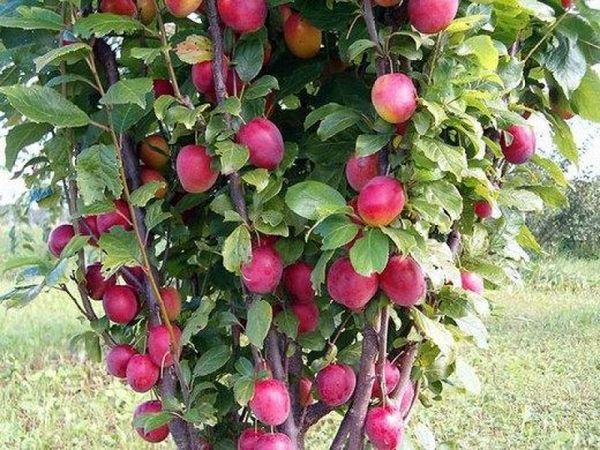
A popular plum tree suitable for Moscow region gardens, Blue Sweet boasts a compact trunk. It produces dark blue fruits, and with proper care, the tree can yield up to 15 kg of fruit. The fruit is juicy, fleshy, and has a sweet-tart flavor. The pit separates easily from the pulp.
The Imperial plum, a columnar plum with a pyramidal crown, is the earliest ripening. Its flesh has a delicate pink hue and a sweet, fruity aroma. The Imperial plum is characterized by low acidity and good sweetness retention.
The columnar Mirabelle plum variety delights with a bountiful harvest. It's considered an early-bearing variety, with the plums fully ripening by mid-August. The skin is a pleasant yellow with a slight blush. The flesh is firm and very sweet.
Selecting seedlings and planting locations
Choosing a columnar plum tree seedling depends on the gardener's individual preferences. Most often, a variety is selected based on fruit color, yield, frost hardiness, and disease resistance. Since the columnar plum tree was recently registered by breeders, seedlings are not available at every garden nursery. It is not recommended to purchase planting material from untrustworthy markets or on the highway.
High-quality seedlings can be found for sale exclusively in professional nurseries, where the crop is grown in the local climate. All seedlings at these establishments undergo an adaptation period. Consultants have a clear understanding of the crop's basic characteristics and can advise on care and cultivation methods.
One-year-old seedlings thrive best in new soil; older specimens will be susceptible to illness for a long time. When purchasing, pay attention to the roots—they shouldn't be dry, broken, or damaged. The upper part of the tree should have healthy, green leaves and no signs of pest attack.
The site chosen for the columnar plum tree determines the tree's future harvest and growth. An open, bright area with plenty of sunlight is ideal for growing this variety. A shaded area will adversely affect the future harvest. The plant is sensitive to drafts and cold winds. Close groundwater, ideally at a depth of at least 2 meters, has a detrimental effect on the root system.
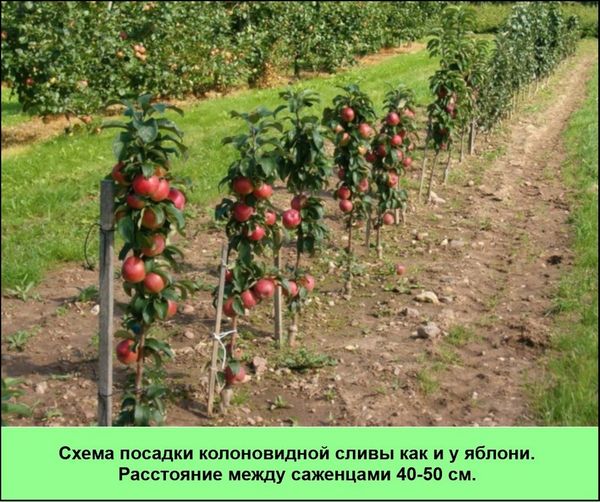
Trees can be placed at a distance of 50 cm from each other.
Soil preparation and planting process
It's best to plant trees at elevated sites, as groundwater and cold air masses accumulate in low-lying areas. Immediately before planting, the selected site should be dug to a depth of at least 40–50 cm. At this point, humus is added to the soil. The surface is then leveled and loosened with a rake. Light, nutritious soil is considered ideal for columnar plums.
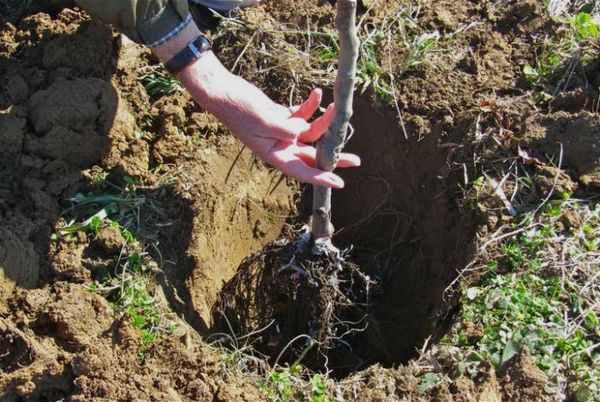
The appropriate planting time for this crop varies by region. For example, if you live in central Russia or the Moscow region, plant in the spring; if you live in the south, plant in the fall. At the planned site, dig holes measuring 40 x 40 cm. Next, prepare a special soil mixture consisting of 4-5 kg of humus and fertile garden soil. Adding fertilizers or mineral supplements to this mixture is dangerous, as it could kill the seedling.
The bottom of the hole is covered with a 10 cm layer of drainage material. Broken brick or fine gravel are excellent options. The next layer consists of fertile soil, onto which the seedling is placed. Its root collar should be 3–5 cm above the soil surface. The roots are spread out horizontally and covered with the remaining soil. After planting, you can water the tree with a growth stimulant to help it establish faster.
Agricultural cultivation techniques
To ensure a tree maintains a healthy appearance, produces abundant fruit, and grows easily and quickly, it requires regular care. The process is simple, but it does require attention.
Watering
The plant prefers moderate watering. Once a month is sufficient – throughout spring, summer, and fall. If dry weather occurs, the watering frequency can be doubled.
Loosening and mulching
It is recommended to loosen and mulch the area around the tree trunk as needed. This process ensures airflow to the tree's root system and makes the soil light and porous. To prevent moisture from evaporating quickly, sprinkle the soil with peat. When cultivating the area around the tree trunk, remove all weeds—this simple action helps prevent bacterial diseases.
Top dressing
This crop requires regular fertilization with urea. It is diluted in water at a ratio of 50 g per 10 liters. Fertilization is performed three times, with a two-week interval. The first applications are made during the active growing season.

Trimming
Columnar plums don't require pruning or crown shaping, as they have virtually no lateral shoots. Only sanitary pruning of diseased, dry, or damaged branches is performed. The tree's top is also pruned if severe frost damage occurs.
Preparing for winter
Preparation for winter is always intense, as young saplings are frost-sensitive. The tree's trunk area is always insulated with straw or fallen leaves, and the trunk itself is wrapped in spruce branches to prevent damage from rodents during the winter.
The columnar plum is a wonderful alternative to the common plum. It helps conserve space in a small garden while still producing a bountiful harvest each year.
Video: Planting a Columnar Plum
This video will show you how to properly plant a columnar plum tree.