
How to grow a plum tree from a seed at home
Content
Selection of planting material
Plums are a very popular stone fruit in our country: they're delicious fresh, dried, and canned, and they're also quite easy to grow. Therefore, those just starting out on the challenging path of gardening will soon be wondering whether it's possible to grow a plum from a seed. Of course, it is. However, it's important to heed the advice of experienced gardeners and choose varieties that are native to your region and adapted to local climate conditions.
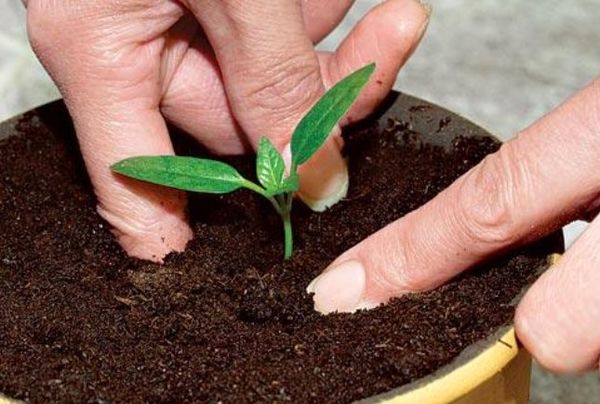
The first step is to select the right planting material. It is selected only from fully ripened fruits—only in such plums can a full, strong embryo develop, suitable for germination. It's worth noting right away: it's unlikely that you'll be able to grow a tree completely identical to the mother tree. This depends on many factors, primarily the pollination method and the genetics of the plant itself. This could result in a specimen with unsuitable fruit or one that doesn't bear fruit at all.
To minimize the risk, it's recommended to select varieties with stable genetic traits for planting, which can suppress the "parental traits" of other varieties. Hybrids are ideal for this purpose. If you want to grow scions with frost resistance or other characteristics, it's best to choose proven varieties that are locally grown.
Video "Plum from a Pit"
This video will show you how to grow a plum tree from a seed.
Pot and soil
Growing a plum from a seed is a labor-intensive and lengthy process. It's also unclear whether a plum from a seed will actually bear fruit. Before germinating the seed, prepare the necessary planting container and soil. The pot should be large (at least 20 cm in diameter). It's advisable to disinfect it, especially thoroughly if it's not your first time using it. A formalin solution can be used for disinfection.
A drainage layer is essential at the bottom to prevent moisture retention and ensure free air access to the roots. You can buy a ready-made one or make your own. You'll need small stones or broken brick, charcoal, and coarse sand.
Next, you need to create a soil that will provide optimal conditions for the seedling—ventilation, moisture balance, and nutrients—and prevent mold and mildew. Experiments have shown that a substrate containing humus, leaf mold, or peat, vermiculite, and perlite have these properties. The latter can be replaced with calcined river sand.
How to germinate a seed
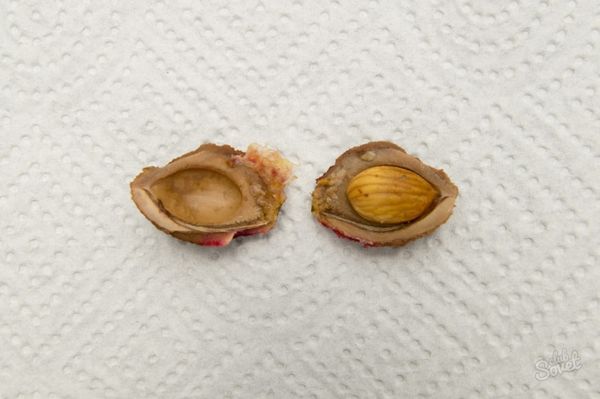
The germination process begins with stratification, which involves placing the seed in specific cold and humid conditions. Stratification promotes germination, embryo growth, and the rupture of the seed coat, allowing the sprout access to light. First, the seed is placed in water for several days. It's important not to completely cover the seed, but only halfway. The water should be changed daily and the seed turned several times a day.
The seed is then placed in a pre-prepared and disinfected substrate made of moss, sawdust, river sand, perlite, and peat. The soil can be disinfected and moistened with a solution of potassium permanganate. Suitable soil should be moist enough to hold its shape. Air holes should be made in the stratification container to prevent mold and mildew.
There are three main stages of germination: warming, cooling, and pre-sowing. During the first stage, a temperature of around 20°C is required, and the container is placed in a warm place. During the second stage, temperatures are lowered to 2–5°C for a period of just over two months. During pre-sowing, the temperature should not exceed 0°C, and can be as low as -1°C. Once the seed coat has cracked, it can be planted in a temporary container.
Seedling care
You can grow a healthy seedling only by providing it with proper care.
Growing a plum tree from a seed at home is much easier, as you can constantly monitor the seedling. It will require basic gardening care, such as watering, fertilizing, and picking. Plum trees should be watered infrequently, no more than twice a week, but thoroughly. Since the container should have drainage holes, a tray should be placed under the pot to allow the soil to absorb moisture as needed.
Use slightly warm, settled water. Apply nitrogen-containing fertilizers three times from the first shoots to the end of the growing season. Ammonium nitrate works well.
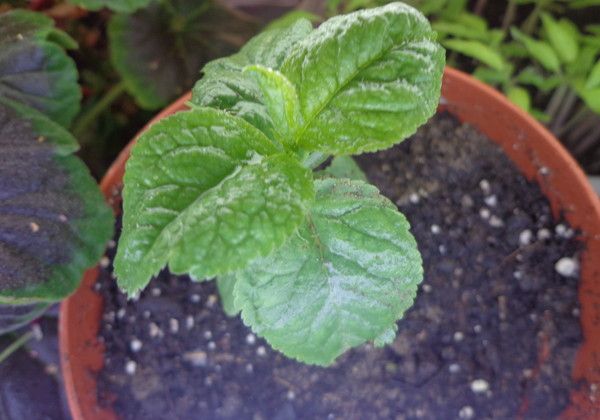
During the cotyledon stage, the roots should be pinched back by a third, before two true leaves appear. This will ensure the root system develops strong and healthy. After pinching, the seedling is replanted in a new nutrient mixture, watered, and given light shade. The seedling is then repotted into a larger container every three months. After a year, it can be planted outdoors.
Growing conditions
To ensure a strong plum seedling grows from a seed, it needs optimal conditions. First and foremost, you need to ensure the plant's microclimate is maintained: create the right temperature and humidity for growth and development. The temperature should be between 21–24°C. If the air in the room is dry, it might be a good idea to place containers of water or a humidifier nearby.
The seedling also requires good, consistent light, but avoid direct sunlight. A southwest exposure is ideal. Additional lighting can be provided with fluorescent lamps. The room should be well-ventilated, while avoiding excessive cold and drafts.
Relocation to a new location
The final step is to find a spot where the seedling can grow safely and bear fruit. If you're growing the tree in your garden, a well-lit area near a house or fence is ideal, as it will protect the seedling from gusty winds and drafts. The site should be gently sloping, with good soil warmth and ventilation. If such a spot isn't available, no problem! You can simply plant the seedling on a small mound.
Groundwater levels should be deep, at least 3 meters, as plum roots are sensitive to waterlogging. The planting hole is prepared in advance, about six months in advance. It is moistened and fertilized with complex mineral and organic fertilizers. Before planting the tree, remove any nearby weeds that could spread fungal spores. Carefully place the seedling in the hole and fill it with soil, not compacting it but leaving no air pockets.
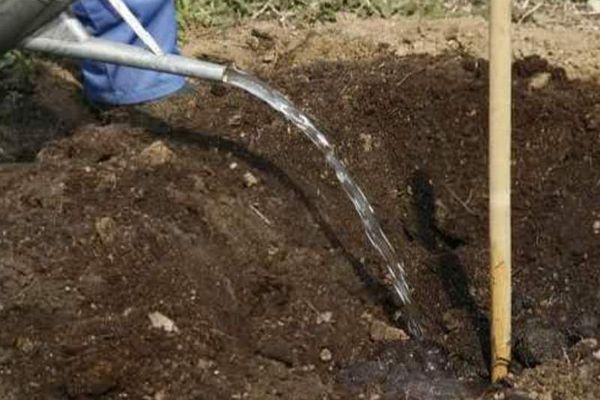
The root collar should be at least 5 cm above the ground. Then, compact the soil, water, and mulch. These are the basic steps for planting a plum tree from a seed. Propagating plums this way isn't quick, but it's fun!