
How to choose a healthy rootstock and graft a plum tree
Content
Vaccination timing
Grafting a plum tree is a task that should not be undertaken without proper preparation. This fruit tree requires a great deal of attention from the gardener. It's also important to understand that this procedure isn't carried out at will. There are specific optimal times for grafting young green cuttings.
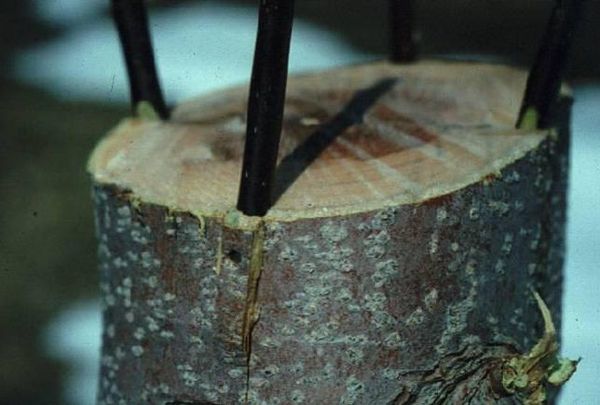
Many beginning gardeners wonder when they can begin this process and whether the time of year really matters for the success of the procedure. In fact, this factor plays a significant role: each season has its own unique characteristics that must be taken into account. Spring is considered the optimal time for grafting new branches onto a domestic plum tree. This is because with the onset of warmer weather, the plant sap begins to actively circulate throughout the plant. This means your rootstock will take root quickly. Carrying out this procedure in the spring is also advantageous because if the branch fails to grow, you can attach more than one such cutting, as you have plenty of time.
For those gardeners who, for whatever reason, couldn't graft their plum tree in the spring, summer is the optimal time. If the plants are well-heated, the chances are high that the young cutting will take root and become sufficiently strong before the cold weather sets in. Autumn is considered an undesirable time for grafting. Even if you attach the cutting to the tree on a warm autumn day, a sudden cold snap or even frost may soon arrive. In this case, the cutting will be damaged or may not take root at all. Therefore, grafting trees in the fall is not recommended. Grafting plum trees in spring or summer is the optimal choice for domestic gardeners.
Video "Plum Grafting"
This video will show you how to properly graft a plum tree.
Rules for choosing a scion
What can be grafted onto a plum tree and how to select the right cuttings are questions that typically concern gardeners first. First, you need to learn how to properly prepare cuttings. Some beginners simply buy them from experienced gardeners or nurseries. However, you can also select and cut the necessary branches yourself; the main thing is to keep these basic guidelines in mind.
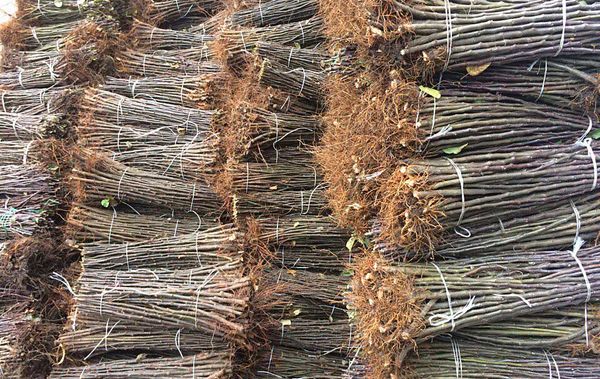
If you plan to graft a cherry tree onto a plum tree in the spring, it's best to prepare the cuttings in the fall, after the tree has lost its leaves. In some cases, you can take the necessary branches in early spring. However, you should only take this step if the winter in your region has been mild.
In this situation, it's important to take cuttings from the plant before buds begin to swell. It's best to cut one-year-old shoots—the ends of branches before they fork. Avoid selecting shoots that are much more than a year old for grafting, as this will not produce the desired results.
Many beginning gardeners consider the downside of taking cuttings in the fall to be the difficulty in preserving them until spring. However, this problem can be solved. All you need to do is place the cuttings in damp sand or bury them in soil.
When harvesting twigs in the spring, simply place them in a plastic bag. Your main goal is to prevent them from drying out. This way, your shoots will be fresh when you graft them.
How to choose a healthy rootstock
Plum trees need to be grafted correctly.
The success of the procedure depends not only on how well you prepare the cuttings. Particular attention should also be paid to the rootstock—the plum tree. It is carefully pruned in the spring. It is advisable to perform this procedure immediately before grafting. Another important point: it is recommended to use a fruit tree that is less than 10 years old as the rootstock. Also, remember to thoroughly wipe the junction of the cutting and the branch with a clean cloth at the very beginning of the procedure.
Methods of grafting and instructions
Let's take a closer look at whether it is possible to graft a plum onto a plum, and what is the best way to do this.
Among the most popular techniques, the following are worth highlighting:
- in a cleft. If your scion is several times larger in diameter than the cutting, it is better to resort to this method;
- bud. Identical cuts are made on the rootstock and scion, after which they are joined and carefully fastened together;
- Cuttings. The diameters of the branches must match for successful grafting.
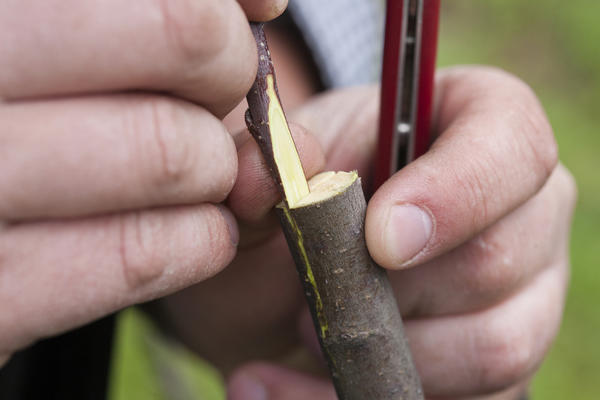
After joining the branches, it's crucial to tape the joints. It's also recommended to seal any gaps or cracks with garden pitch. This will prevent infection from getting inside the plant.
Gardener's Tips
Grafting an apple, pear, or plum tree onto a plum tree is possible with proper preparation of the cuttings and the tree itself. After the procedure, it's crucial to monitor the further development of the grafted branches. It's best to loosen the bandage for the first time in July. After just three weeks, you'll be able to determine whether the results are truly achievable.
If a growth appears at the junction of the scion and rootstock, it means you've done everything correctly. The tape can be completely removed the following spring. In some cases, it can be done earlier, when the growth is growing rapidly. Even a novice can graft a cherry tree onto a plum or other plant using a vein in the summer. Keep in mind the key recommendations and optimal timing, and you'll certainly appreciate all the benefits of grafting.