
A hybrid of blackthorn and plum or damson
Content
Description and characteristics of the hybrid
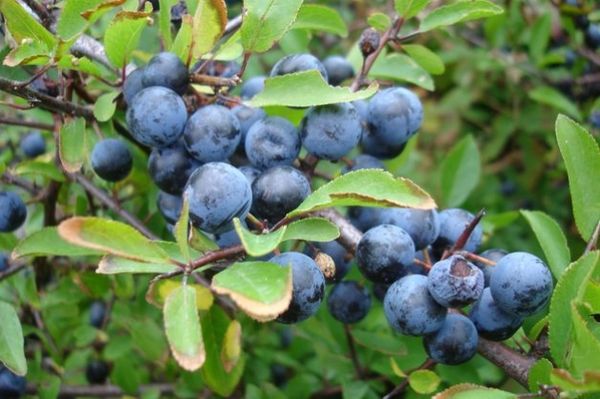
As mentioned earlier, the blackthorn hybrid is a cross between a sloe and a domestic plum. Blackthorn, or blackthorn, has absolutely no soil requirements. It tolerates low moisture levels very well. The only thing it doesn't like is saline soil and marshy areas.
The blackthorn produces small but numerous fruits. It confidently surpasses plums and cherry plums in vitamin and micronutrient content. Its "ancestor" has endowed the blackthorn with winter hardiness and a distinctly tart flavor. However, compared to the prickly blackthorn, the fruits of this domestic plum are larger and sweeter, and the branches have significantly fewer thorns. Furthermore, the hybrid is resistant to sunburn and disease. It is no coincidence that the blackthorn is successfully used as a rootstock.
The blackthorn is a shrub with thorny branches. It grows up to 4 meters tall. The oblong leaves are elliptical in shape and open later than the single white flowers.
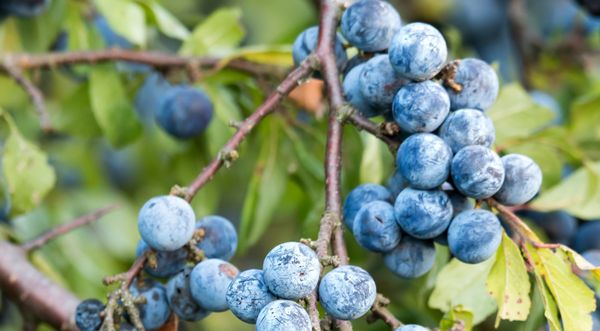
The fruits are dark blue with a bluish bloom and ripen in August to early September. The plum tree has a consistent quality: every year, its branches literally break under the weight of the enormous number of fruits.
Unlike sloes, blackthorn plums have sweet, soft fruits with a pleasant flavor. The astringent aftertaste completely disappears during cooking, making them excellent syrups. In France, for example, they are pickled.
The fruits are beneficial for the stomach. Eating them will reduce the frequency of gastritis attacks. Regular consumption of blackthorn will normalize blood pressure, boost metabolism, and eliminate toxins from the body.
The fruits make excellent wine. Dried plums make delicious and aromatic tea. Plums can remain on the tree for a long time. They hold up well, don't fall off, and retain their flavor even until the frost.
Growing a hybrid plum is not particularly difficult, as it is considered an unpretentious crop.
Video: "The Latest Harvest – the Unpretentious Blackthorn"
This video will tell you what a blackthorn is and how to care for it.
Pros and cons
The hybrid of blackthorn and plum has a number of advantages:
- frost resistant;
- excellent yield;
- the fruits stay on the branches perfectly until the frost;
- excellent raw material for medicinal products;
- easy to care for;
- tolerates transportation well;
- has strong immunity to diseases;
- perfect for winter preparations, culinary products, wine making;
- has a good vitamin composition.
Disadvantages include slight astringency, astringency of taste and the size of the fruit.
If this bush was previously successfully grown everywhere, today other plum varieties are unfairly preferred to it.
Growing blackthorn, a crown jewel of breeders, is a profitable business. Blackthorn is used commercially to make vinegar and liquors.
How to grow
The shrub propagates well by root suckers. Choose a site with moist soil for planting. Dig holes in the fall. With the onset of spring, a week before planting, fertilize the soil. For this, mix mineral fertilizer with lime. Place eggshells in the bottom of the hole, then separate the root suckers from the bush and plant them in the prepared holes. Plum can also be propagated by seeds, but this process is time-consuming and laborious, so it is less common. In the spring, the seeds are planted under cover and, after a couple of years, moved to a permanent location.
Although the blackthorn is frost-hardy and can grow even in Siberia, it thrives in full sun. Therefore, choose a well-lit site for planting. Planting the tree in the shade will significantly reduce your harvest. Blackthorn isn't picky about soil, but grows best in clay soil. It can be planted along the edge of a plot; it provides excellent protection from wind gusts. The only limitation is to avoid planting valuable crops nearby, as it quickly spreads and produces numerous shoots.
This stone fruit requires regular pruning, as young shoots take up a lot of space. This is probably the most labor-intensive part of caring for a damson tree. It's done three times a season: in March, June, and July. Using sharp pruning shears, remove young shoots or partially cut them off by the roots. In the spring, perform regular rejuvenation pruning, removing side shoots and leaving about four fruiting branches to prevent overcrowding.
The plant is watered only when the summer is very dry and long.
To ensure a high-quality harvest, blackthorn requires regular feeding. To achieve this, apply mineral fertilizers to the tree's trunks annually and mulch. Cow manure diluted in water is used as organic matter. However, don't overuse this fertilizer, as blackthorn doesn't need excess nitrogen. The shrub also makes a good hedge. To achieve this, trim the branches back to 15 cm after planting.
Damsons are winter-hardy, so they don't require winter protection. However, the plant does have enemies from which it must be protected during the winter. These include rodents. To prevent damage, pack snow around the trunk and fence it with barbed wire. Damsons are so resilient that even if they freeze in the winter, the root shoots will allow them to recover very quickly.