
How to treat plums against aphids for the fastest possible results
Content
Signs of pest presence
Most plum varieties have strong immunity to various fungal, viral, and bacterial infections, but not all can withstand attacks by such a harmful insect as the plum aphid. To save fruit trees infested by these pests and prevent new infestations, immediate action is often necessary.
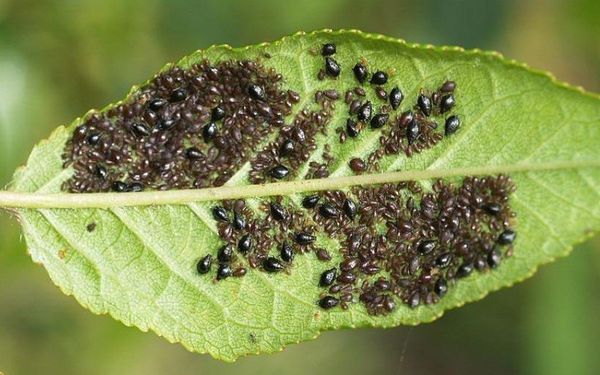
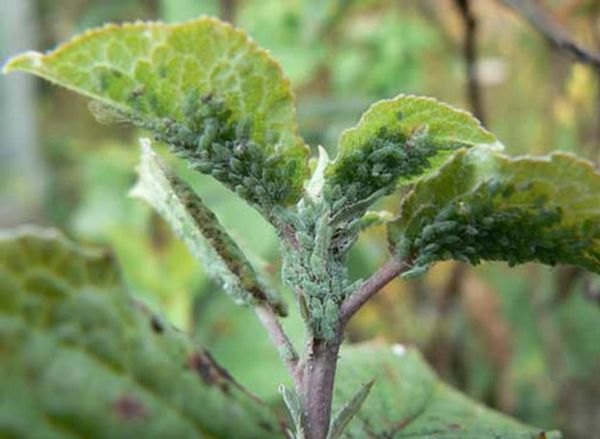
Visually detecting the presence of pests is not difficult. These microscopic organisms attack stems, leaves, and berries, covering plants with a sticky coating and causing them to wilt and dry out. Plum aphids, a type of sucking insect, live on the outer side of the leaf blade, gradually spreading to the fruits, young shoots, and even the inflorescences of petals during the flowering period of the tree.
The main signs of the presence of aphids on a fruit tree include:
- deformation of the sheet plate;
- yellowing of the upper surface of the leaf blade along the veins;
- exhaustion, wilting and drying of young shoots;
- the presence of a sticky substance on leaves, branches and berries;
- high activity of ants during the spring flowering period.
Video: "How to Fertilize Fruit Trees"
This video will show you how and what to use to properly fertilize plums and other fruit trees.
Why are aphids dangerous?
Many novice gardeners, who have never encountered harmful insects before, not only don't know how to get rid of aphids on plum trees, but also don't fully understand the danger of the situation.
Aphids are small beetles, ranging from 2 to 5 mm in length, and available in green, black, brown, red, and yellow. Some subspecies of plum aphids have wings and quickly spread throughout the garden. Wingless varieties of these pests migrate from plant to plant with the help of ants.
The danger lies in the rapid reproduction of aphids. With the arrival of early spring, new populations of the pests can be observed every six to eight weeks. These pests, which survive on the flow of sap in plants, quickly gain strength and produce new offspring.
The plum pollinate aphid, which produces up to 14–20 generations and is considered one of the most destructive pests, has taken a liking not only to plums but also to other stone fruit crops, including cherry plums, peaches, cherries, and apricots. If urgent measures are not taken to eradicate the aphids, most of the stone fruit crops in the garden can be lost within a short period of time.
A tree infested with aphids does not receive sufficient nutrients for growth and development, weakens, and quickly wilts. In this weakened state, the plant becomes highly vulnerable to various diseases and cannot cope with adverse weather conditions. For example, a sudden cold snap or frost can cause the plum tree to freeze.
The sticky, sugary coating left behind by aphids is no less dangerous for fruit trees. This sticky secretion primarily deprives the plum tree of oxygen. It also provides a breeding ground for bacteria, viruses, and fungi.
Methods of control and prevention
When answering the question of how to treat plums against aphids, please note that this problem (we're talking about an infestation of these harmful insects) is common to many varieties of stone fruit crops. Wanting to quickly and effectively get rid of the pests, gardeners use a variety of methods and products.
For young seedlings, mechanical or biological methods of controlling plum aphids are often used. If the tree is only slightly infested, remove all damaged leaves by hand and burn them in a location away from the garden. Small infestations can be controlled by using their natural enemies (ladybugs, hoverflies, lacewings, etc.).
But how do you combat plum aphids during a severe infestation of these harmful insects, you ask? In this case, treating your garden plants with proven folk remedies and modern chemical-based products is essential.
Chemicals
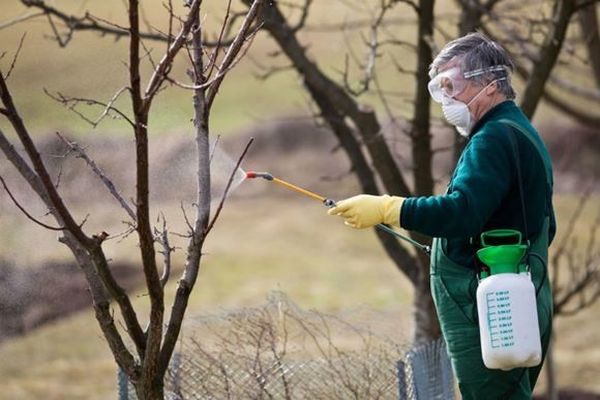
If plum trees are heavily infested with aphids, chemicals are essential. Handling them requires extreme caution and attention. Although most modern insecticides are safe for humans, remember to take safety precautions. When spraying plants in the garden, wear protective clothing and gloves. If the product comes into contact with skin or mucous membranes, immediately rinse the affected area with water.
Some novice gardeners wonder when it's appropriate to treat their plants with chemicals. For best results, it's recommended to spray trees early in the morning at dawn or late in the evening after sunset.
Spraying with insecticides is carried out in three stages:
- with the first warmth of spring;
- during flowering;
- during the budding period.
If plum aphids appear in the summer, the plants need to be treated again. The following products have proven effective in controlling these pests: Aktara, Fitoverm, Kinmiks, Karbofos, Danadim Expert, Confidor, Tanrek, and others.
Experienced agronomists recommend avoiding treating fruit trees with strong chemicals during the fruiting period. There are gentler options available. Low-concentration chemicals can be used not only to control but also to prevent insect infestations.
Traditional methods
To combat various harmful insects, including plum aphids, not only toxic chemicals but also time-tested folk remedies are used. When asking how to treat plum trees for aphids after flowering to avoid losing the harvest, it is recommended to spray the tree with a garlic or potato infusion.
Infusions of dandelions, yarrow, marigolds, tomato tops, and other plants containing insecticidal components are also highly effective. These plants impart an unpleasant odor and taste to plum leaves and young shoots, thus repelling aphids.
To combat plum pollen aphids, use a soap and soda solution. Dissolve a quarter of a bar of laundry soap or a third of a packet of green liquid soap in 1 liter of water and add 1 tablespoon of washing soda. The initial treatment is carried out before the flowers bloom. The tree can be sprayed again two weeks after flowering.
Cow's milk diluted in water at a ratio of 1:10 helps eliminate aphids on stone fruit crops. This solution can be applied to fruit trees even in June, when early plums are beginning to set fruit.
Dwarf plum varieties with compact sizes and small, neat crowns can be periodically pollinated with wood ash. Microparticles of ash, when caught in the spiracles of plum aphids, lead to mass deaths of the pests. As a preventative measure, wood ash is applied not only to the fruit tree but also to the area around the tree trunk, where ants, the main carriers of the aphids, live.