
Description and characteristics of the mulberry tree's fruiting
Content
Description and Features
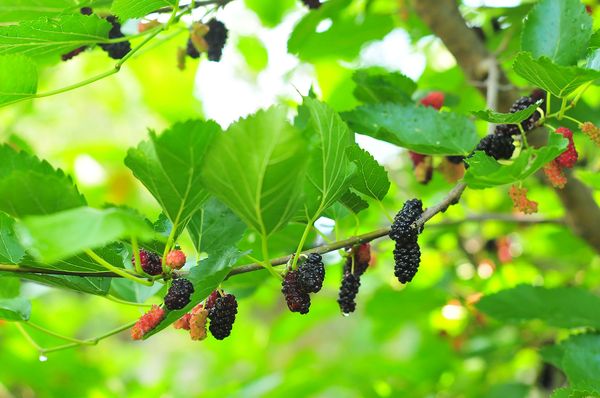
What is remarkable about the mulberry category, or the well-known mulberry, is that it includes 10-15 species of deciduous trees.
Those wishing to plant this garden specimen in their garden should remember that the tree is considered vigorous. However, this is only typical of the seedling during its initial growth. Once the mulberry tree actively develops vegetative mass and its crown becomes more established, its growth rate will decrease significantly. Generally, the tree reaches a height of up to 15 meters.
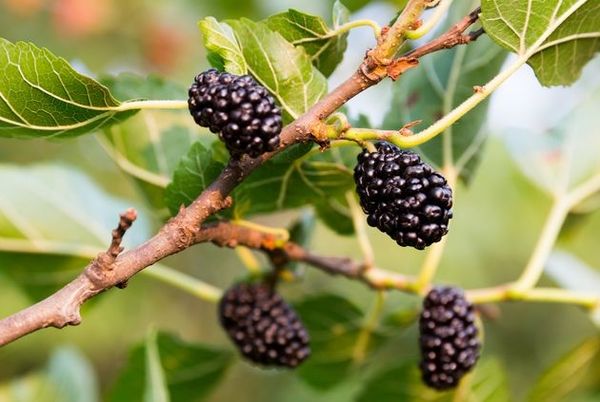
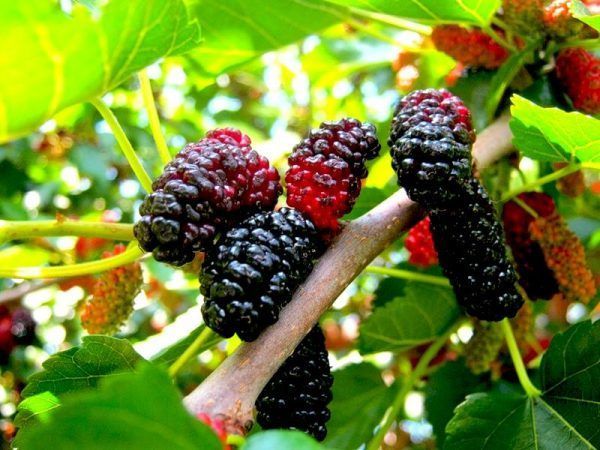
The mulberry tree's fruits are quite fleshy and contain drupes. Their color ranges from deep dark red to purple. Interestingly, these berries are widely used in cooking. They are used to make various wines and as a filling for pies. The fruits of a domestic mulberry tree exude a pleasant, light aroma. However, if you decide to plant a tree with light-colored berries in your garden, don't expect any particular fragrance.
Video: Planting and Caring for Mulberries
In this video, an expert will tell you how to properly care for a mulberry tree.
Varieties
Many Russian gardeners will likely want to plant a mulberry tree in their garden. However, before heading to the fair and choosing a seedling, consider the different varieties of this plant. Also, determine the care requirements for different specimens and determine which mulberry varieties are best suited for rooting in your region.
If you are focusing solely on species recognized in modern horticulture, pay attention to the following trees:
- Black mulberry. Originally cultivated in Southwest Asia, this tree is prized for its tasty and highly nutritious fruits. It is also widely used in industrial sericulture.
- White mulberry. This fruit is believed to be native to eastern China. It was in this region that mulberries were grown as the primary food source for silkworms. Regarding climate, this shrub is recommended for growing in the European part of the country, no further north than the Volgograd line. If planted in the north, it is unlikely to withstand low winter temperatures.
- Red mulberry. This shrub grows naturally in North America. The tree's fruits are edible and have a pleasant taste.
- Small-leaved mulberry. This garden species is native to southern North America. Its species characteristics resemble those of the red mulberry. However, its leaves are comparatively smaller.
Many Russian gardeners grow the mulberry tree. Choose a specimen that will delight you with its nutritious fruit, but also adapt to your region.
Where it grows
This bush with nutritious berries will look attractive in your garden and produce tasty and healthy fruit. However, it's essential to study the plant's description if you want to reap a truly bountiful harvest.
These trees are primarily cultivated in Africa, the Americas, and Asia. However, this crop has also become quite popular in Russia. However, gardeners here most often prefer white or black mulberries.
When it blooms
Mulberries generally don't require pollination, so where to plant them is entirely up to you. Their flowering period begins in May. Interestingly, the inflorescences of this tree are not very noticeable. The flowers take on a yellow hue. From late June to mid-July, the berries on the bush actively ripen.
Fruiting characteristics
Many people wonder whether mulberries are berries or fruits. In fact, they are woody plants, although their fruit is called by different names. This green tree begins to bear fruit five years after the seedling is established in its permanent location. The key is to create optimal growing conditions for the bushy plant.
If you don't want to wait that long to enjoy the delicious and nutritious berries, graft your tree. If you follow all the experts' recommendations correctly, you can stimulate your mulberry tree to bear fruit much earlier. This means that berries will ripen on a green tree approximately in the second or third year after rooting.
Medicinal properties of leaves and fruits
The tree with its spiral-shaped fruits is primarily distinguished by its medicinal properties. The berries contain approximately 4.5% iron. Eating these fruits is also recommended because they replenish the body with vitamins and copper. If you suffer from anemia or poor circulation, be sure to include mulberry fruits in your diet.
Moreover, this plant also contains a relatively high percentage of B vitamins. This is why these berries are a must-eat for diabetics.
Mulberries contain a large amount of mineral components that will have a beneficial effect on your health in the following ailments:
- atherosclerosis;
- ischemic heart disease;
- tachycardia;
- hypertension;
- heart defects.
What's special about mulberry leaves is that they're often used to make various herbal remedies, particularly compresses. To do this, crushed leaves are steeped in hot water and then scalded in a double boiler.