
How to Propagate Mulberry Trees in 5 Different Ways
Content
Seeds
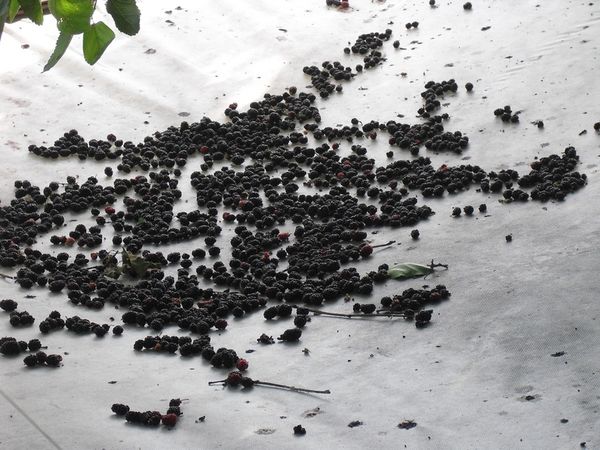
One of the most popular methods of propagating mulberries is rooting seeds. Using this method, you can obtain fruiting specimens that will not resemble their "parents" in their characteristics. This is why this technique is used to develop new mulberry varieties.
Domestic gardeners living in the northern part of the country often prefer this method of rooting mulberries, as the seedlings acclimate much more quickly to the region's conditions. Another use for sown mulberry seeds in substrate is to produce rootstocks for varietal seedlings.
While seed propagation is rarely used in most cases (as it germinates rather slowly), mulberry trees can be safely planted from seeds. This is advantageous because they don't require stratification, keeping them moist, or any other preparation for rooting.
As soon as you collect the seeds, you can sow them directly into the ground. If you do this in the summer, before the cold weather sets in, the seedlings will not only germinate but also grow noticeably stronger. It's recommended to move the small green seedlings to a basement or cellar for the winter. To prevent them from freezing before spring, be sure to cover the soil with sawdust.
In an open space or somewhere on the veranda, mulberry sprouts can also be left. However, in this case, be sure to sprinkle their substrate with dry grass and leaves.
You can also plant mulberry seeds in the spring. To do so, follow these guidelines:
- pick a few berries from the tree, mash them thoroughly, and wash them to remove the pulp;
- Dry the seeds and then place them in cloth bags;
- With the arrival of spring, you will need to place the seeds in a container with water or a solution of nutrient growth biostimulants. This procedure should last from 5 hours to 24 hours;
- sow in boxes or other containers with soil.
Knowing how mulberry reproduces by seeds will help you care for young seedlings properly.
Video: "Mulberry Planting Guidelines"
This video will show you how to properly plant a mulberry tree.
Green cuttings
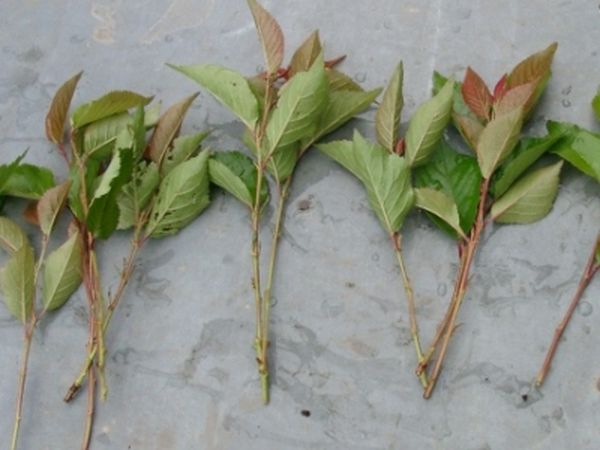
Mulberry tree care is no less important in summer than the rest of the year. Gardeners pay special attention to sanitary pruning. This procedure can also be combined with propagation using young green cuttings. Carefully inspect your tree and select healthy, strong branches. It is recommended to take cuttings from the middle of the shoot. Ideally, each cutting should have about 2-3 buds.
The resulting cuttings should be rooted in the substrate to a depth of about 3 cm. Cover the future seedlings with plastic film. This will create a greenhouse effect for them.
Caring for mulberry seedlings at first is quite standard: be sure to mist them with water and lift the film slightly to allow the branches to breathe. A month after the seedlings emerge from the seeds, it's recommended to fertilize the soil with a mineral mixture.
Full rooting will occur if new shoots appear on your cutting. Propagating garden mulberry by cutting is recommended if you want to obtain a plant that is completely identical to the parent plant. New varieties are not developed using this method.
Semi-lignified cuttings
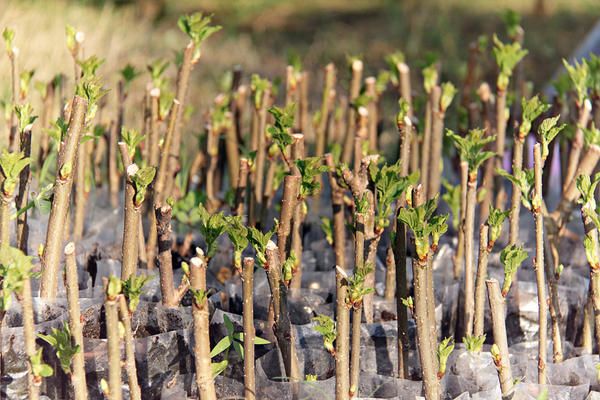
The next summer pruning of mulberry trees is an excellent opportunity to propagate the tree using semi-hardwood cuttings. This is because strong shoots emerge from the plant in July, but they haven't yet developed wood. These shoots are the ones that should be cut from the mulberry tree for rooting in midsummer. Caring for the resulting seedlings is virtually the same as cultivating green cuttings in containers. However, in this case, the process takes slightly longer: about six weeks.
Lignified cuttings
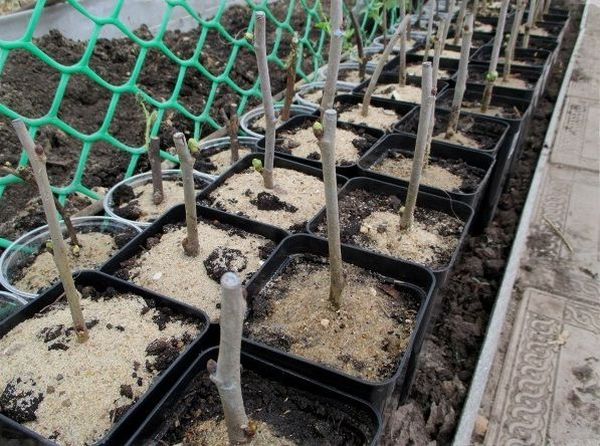
Planting mulberries in your home garden is a worthy choice for any domestic gardener. However, first and foremost, you need to take care of the cuttings you take for rooting. It's believed that woody cuttings don't take root well in the substrate, making this method less effective.
Cuttings are taken in October-November, when the leaves are actively falling. Each cutting should be about 20-25 cm long. Then, soak them in a rooting solution. Finally, place the cuttings in plastic bags and tie them tightly. It is recommended to keep them indoors at a temperature of 20-25°C.
Top grafting

Mulberries can be propagated by cuttings or seeds, but another method is top grafting or copulation. This is recommended in winter or early spring, before the sap begins to flow.
The scion and rootstock must be cut at identical angles to ensure a tight connection. The joint must be carefully wrapped in soft plastic.
Remember that the sprouts must be connected very tightly, because if they shift, they may not take root.
It is not difficult to propagate mulberry at home if you follow key recommendations.