
How to decorate your garden with ornamental weeping mulberry
Content
Description
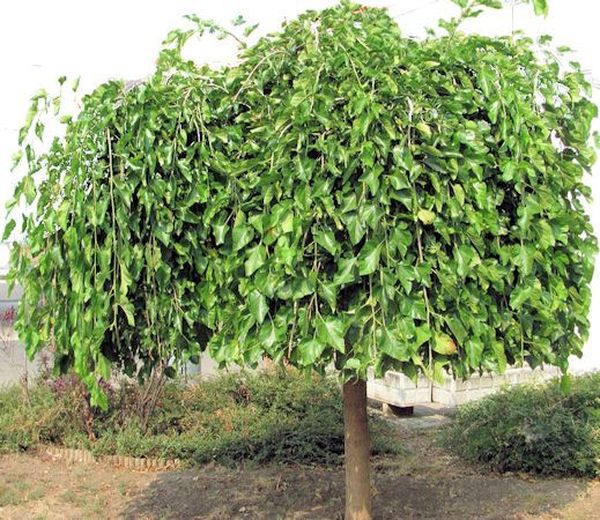
The ornamental mulberry, referred to in botanical reference books as the Pendula mulberry (Morus Pendula), has over 400 varieties. However, only the pyramidal, spherical, weeping, dissected, large-leaved, and golden varieties have become established in our region.
The average lifespan of such a tree is at least 200 years. However, the history of the ornamental mulberry tree's development includes records of trees reaching 500 years of age.
According to the description, this fruit tree is characterized by its compact size and umbrella-shaped weeping crown. The height of a mature mulberry tree ranges from 1.5 to 5 meters, while the crown diameter can range from 3 to 6 meters.
The standard mulberry tree has a straight trunk with fissured, grayish-brown bark. The leaves are heart-shaped, have serrated edges, and are a rich green with a subtle sheen. Remarkably, a single tree can have leaf blades of varying shapes, sizes, and even slightly different shades.
The fruit crop blooms from April to May. At this time, the tree's crown is covered with white or white-green blossoms. Under favorable weather conditions and with proper care, it bears fruit vigorously. Harvesting begins in mid-summer. Depending on the variety of Pendul mulberry grown, the berries are black, white, cream, or red.
Video: Caring for a Weeping Mulberry
This video will show you how to properly care for a weeping mulberry tree in your garden.
Landing features
Many people wonder when and how to plant ornamental mulberry seedlings so that the tree quickly adapts and thrives in its new location. According to gardening experts, the best time to plant this fruit tree is in the spring, before the active sap flow begins, or in the fall, before the rainy season begins.
When choosing a planting site, it's recommended to choose a sunny, wind-protected section of the garden. Mulberries don't like waterlogged or overly saline soil. Try to avoid areas with dry, sandy soil, which lacks nutrients. The groundwater level should be no higher than 1.5 meters below the ground surface.
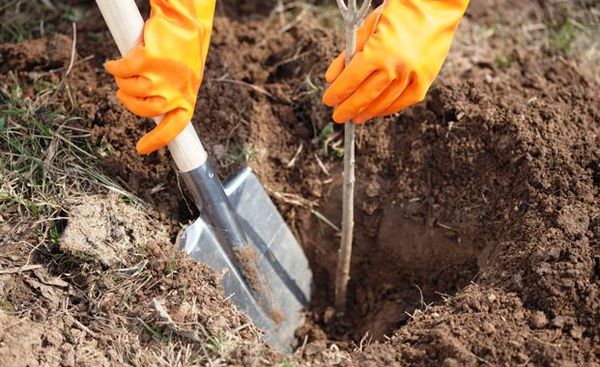
A planting hole measuring at least 50 x 50 x 50 cm is prepared in advance. Well-rotted manure diluted with superphosphate is added to the bottom of the hole.
The seedling can be planted 10–14 days after applying fertilizer to the soil.
When planting, carefully manipulate the mulberry's root system. After planting, lightly compact the soil around the tree's trunk and water generously. After the water has soaked in, the area can be mulched with peat, sawdust, or dried leaves.
Care instructions
Caring for weeping mulberry involves a range of standard measures, including watering and fertilizing, loosening and mulching the soil, removing weeds, shaping the crown, and protecting the tree from diseases common to fruit crops and attacks by harmful insects.
Ornamental mulberry thrives on moisture, but it shouldn't be overwatered. Adjust the frequency of watering based on weather conditions. During the summer heat, for example, watering should be increased, while during the rainy season in spring, the tree can be left without watering altogether.
How do you know if the soil needs watering, you ask? According to experienced gardeners, the main sign that watering is needed is a dry topsoil around the tree's trunk.
Fertilizers should be applied from early spring to midsummer. In the spring, when plants awaken from their winter dormancy, fruit crops should be fed with nitrogen-containing fertilizers. In the summer, mulberries are fertilized with phosphates and potassium fertilizers.
Most mulberry trees have strong immunity to many fungal and viral diseases, but they often suffer from mealybug and mulberry infestations. Insecticides can help quickly and effectively control these pests.
Pruning and shaping
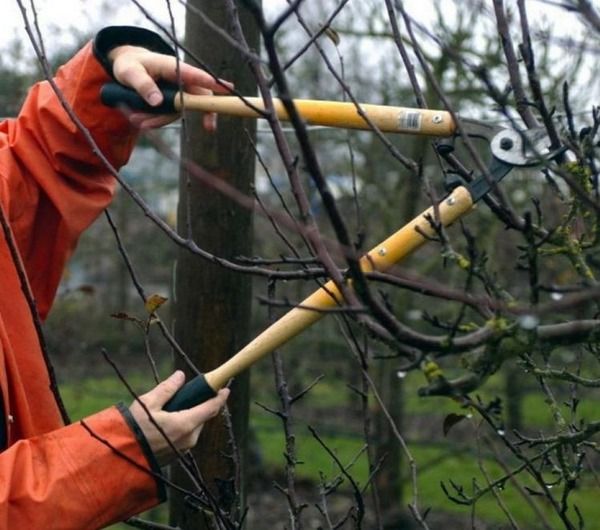
The main characteristic of the standard mulberry is its unique crown shape. For this reason, it's important to train the crown in a timely manner. Height adjustments begin once the tree reaches 1.5 m.
Formative and rejuvenating pruning is performed in the spring. However, sanitary pruning, during which damaged or aged branches are removed, occurs in the fall.
The cut areas must be treated with garden pitch to protect the tree from rotting and various fungal infections.
Reproduction
The ornamental mulberry is a dioecious fruit tree. Consequently, male trees do not bear fruit. However, don't expect a harvest if you plant only female trees in your garden. The best option is to plant monoecious mulberries, which produce both male and female flowers.
Like most fruit trees, standard mulberries are propagated by seeds or cuttings. The former, which takes a considerable amount of time and effort from gardeners, requires specific knowledge and skills, so this propagation method is most often used by geneticists and breeders.
Gardeners who have been growing ornamental mulberries for years prefer the grafting method. While any variety adapted to specific growing conditions is used as a scion, the weeping white mulberry is often used as a rootstock. The first harvest of juicy, sweet berries is harvested 4–5 years after grafting.