
How to Make Apple Wine at Home: 14 Easy Recipes
Content
- 1 The benefits of homemade apple wine
- 2 Video: "Homemade Apple Wine"
- 3 Selection and preparation of products
- 4 Step-by-step recipes for making apple wine at home
- 5 Some tips for storing the drink
The benefits of homemade apple wine
Apple wines are comparable in quality to many store-bought beverages. They are not too strong (around 10°), are aromatic, have a beautiful amber color, and, if brewed correctly, preserve the beneficial properties of the fruit. They retain all the vitamins, minerals, acids, pectin, phytoncides, and tannins, which have a healing effect on the body.
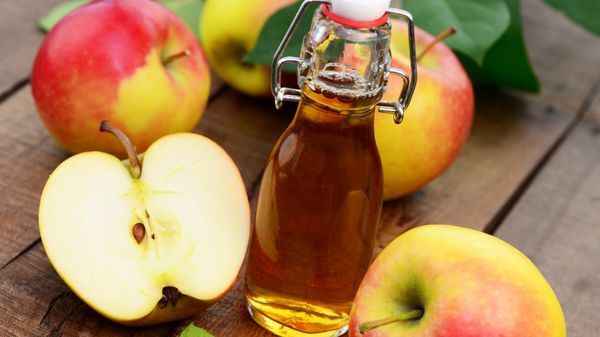
In reasonable doses, the drink helps lower blood sugar levels, relieves physical and emotional stress, accelerates metabolism, and stimulates peristalsis, improving gastrointestinal function. Used in cosmetic masks, it rejuvenates the skin, makes hair silky, and is also used in cosmetology for massages and body wraps.
Video: "Homemade Apple Wine"
This video will show you how to make apple wine at home.
Selection and preparation of products
The main ingredients of wine are fruit and sugar. All apple varieties are suitable for winemaking. It doesn't matter whether they're summer or winter, red or light, the main thing is that they're ripe and juicy. Of course, the flavor of the fruit influences the quality of the drink. If you're making a light table wine, choose juicy, sweet-and-tart varieties like Antonovka or Sinap. For fortified and liqueur wines, use sweeter apples.
Sometimes, to improve the flavor, sour or tart varieties are blended with sweeter ones. Some winemakers dilute the juice with water, but this is only advisable when using very sour fruits, and then no more than 1:10. To avoid bitterness in the wine, the cores and seeds are removed. Washing the fruit is not recommended, as bacteria that cause fermentation live on the surface. If they become dirty, they can be gently wiped with a dry cloth.
Important! In addition to the ingredients, you'll need utensils: various 10-20 liter containers, vessels, spatulas, and spoons. They should be made of glass or plastic (metal is not used in winemaking) and absolutely sterile.
Step-by-step recipes for making apple wine at home
Below are several options for preparing the drink.
Traditional recipe
The result depends on how closely you follow the recipe, as the slightest deviation can turn the aromatic drink into a sour vinegar, ruining the ingredients. You'll need about 20 kg of fruit and sugar at a rate of 150-300 g per 1 liter of juice.
Extracting juice
The easiest way to do this is with a juicer. It will produce pure, almost pulp-free juice. If you don't have one, you can use a blender or a regular grater, and press the applesauce using cheesecloth or a press.
Juice settling
The pressed juice is poured into a non-metallic container with a wide mouth, covered with cheesecloth, and left in a dark place for 2-3 days. During this time, the yeast spores will begin to multiply, a "cap" of pulp will rise to the surface, and clear juice will settle at the bottom. The mixture should be stirred daily, every 6-8 hours, to allow the wine fungi to interact with the juice. By the third day, foam with a characteristic alcoholic aroma should form. This stage is complete; the "cap" should be removed, leaving only the juice and a thin film no more than 3 mm thick.
Adding sugar
The amount depends on the sugar content of the fruit. If this level exceeds 20%, fermentation will stop, so the must should be tasted. On average, sugar is added at a rate of 150-300 g per liter of fermented juice, and this is done in several stages. The first 100-150 g is added when removing the "cap." The second portion (50-100 g) is added 4-5 days later. This time, remove the lid, pour off some of the must, dissolve the sugar in it, and then pour the syrup back in. The process is repeated a couple of times, adding granulated sugar at a time, 50-80 g each time.
Fermentation process
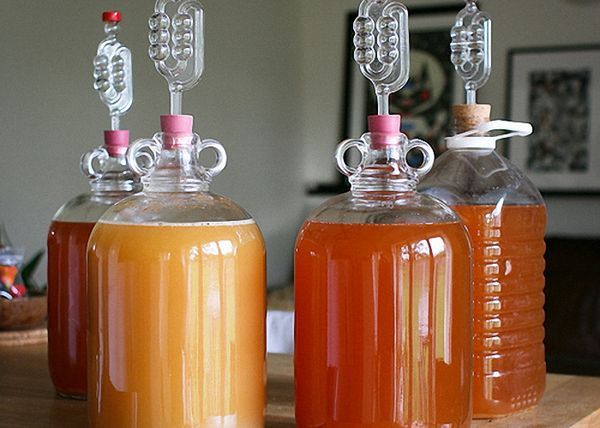
Fermentation requires creating conditions that prevent oxygen from entering the atmosphere and allow the gases produced during fermentation to escape. A lid with a water seal is ideal for this purpose. You can buy one or make one from flexible tubing. A hole is made in the lid, and the tube is inserted into the seal. The top of the tube is raised, and the bottom is submerged in a container of water. The vessel with the wort is placed in a dark, warm place (20…25°C) for 1-2 months. When gas emission stops and sediment forms at the bottom, fermentation is considered complete.
Wine maturation
The taste and aroma of young wine are sharp and not very pleasant. These flaws are eliminated by maturation. The drink is poured into a clean container using a plastic tube, being careful not to disturb the sediment. At this stage, it should be tasted and sweetened if necessary, then stored in a cool place (+6…+15°C). Every 10-15 days, the contents of the bottle should be poured into another container until the sediment stops accumulating and the drink itself becomes clearer. On average, this process takes 3-6 months.
Homemade cider
Cider is a low-alcohol drink made by fermenting apple juice. To make it, you need:
- 5 kg of sweet and sour fruits;
- 1.1 kg of sugar (700 g in pulp and 400 g in juice).
Grate the fruit, add some of the sugar, and let it ferment for three days. Squeeze the fruit pulp to extract the juice, add the remaining sugar, pour everything into an airtight container, and let it ferment for about three weeks in a dark place. Then, rack the drink, discarding the sediment. Real homemade cider should be slightly cloudy, 5.5-7° ABV, and taste like soda.
-
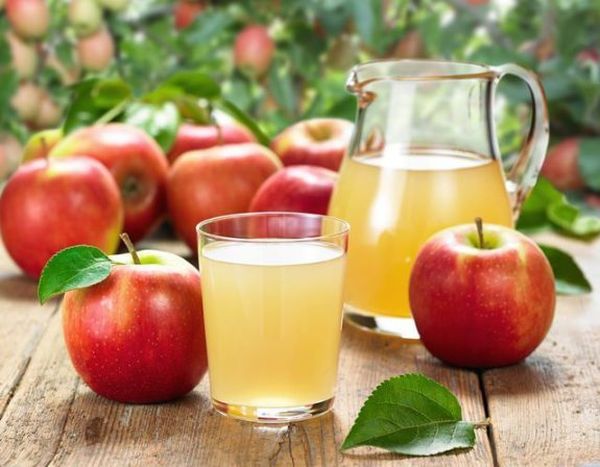
- You can make apple cider yourself.
-
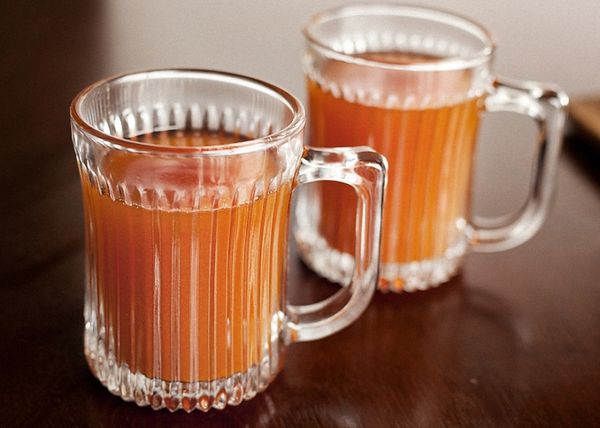
- The strength of apple cider does not exceed 5.5-7°
-
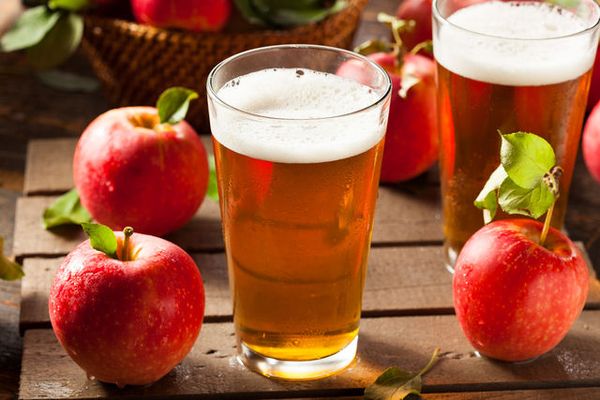
- Cider is produced by fermenting apple juice.
Carbonated cider
If cider is carbonated, it will resemble champagne. The drink itself can be prepared as described above or using traditional methods. Once the main fermentation stage is complete, the cider is bottled, adding a small amount of sugar (10 g/l of liquid) to promote carbonation during maturation. The bottles are filled to 5-7 cm from the rim, sealed tightly, and aged in the dark for two weeks, periodically releasing excess gas.
Cider with lemon
For this refreshing drink you will need:
- 8 kg of fruit cut into slices;
- zest of 2 lemons;
- 2 kg of sugar;
- water – 10 l.
Step by step manufacturing process:
- Mix the fruits, sugar and zest, place in a suitable container and cover with water.
- Cover everything with gauze and leave to ferment at a temperature of 20-24 °C.
- After 7 days, strain the drink, pour it into a bottle, and seal it tightly. It should be light in color.
Fortified wine
Fortification of wines occurs by adding alcohol. This makes the drink sharper, stronger (13-14°), and keeps longer.
List of ingredients:
- 10 kg of fruits crushed into puree;
- 150 g raisins;
- 2.5 kg of sugar;
- 200 g of vodka or 100 g of alcohol.
Cooking process:
- Add raisins and sugar to the apple base, pour everything into a container with an airtight lid and leave in a warm place for 3 weeks.
- If sediment forms, pour the drink into another container, add a glass of sugar, and wait for another 2 weeks.
- After the specified time, drain again, add alcohol, keep in the cold for another 3 weeks, and then pour into glass containers.
Semi-sweet homemade
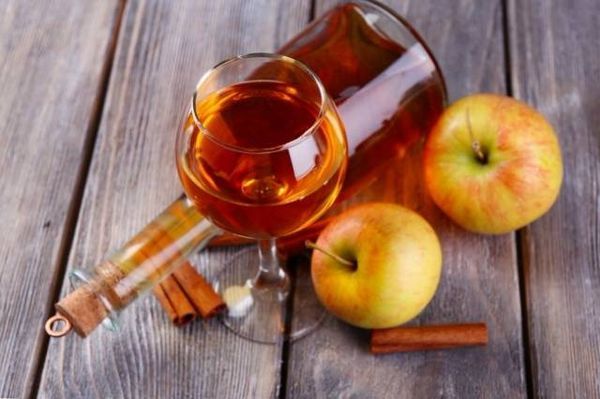
Semi-sweet wines are made using traditional techniques, but the sugar content is increased to 300 g per liter of juice. When it's time to add the sugar, it is divided into nine equal parts and added to the must every five days. After 1.5 months, the wine is racked into containers and aged in the cold for three to six months, periodically draining it from the sediment.
Spiced wine
This easy-to-make drink gets a spicy kick from the addition of cinnamon.
For this you will need:
- fruit slices – 4 kg;
- 4 liters of water;
- 1 kg of sugar;
- ground cinnamon – 40 g.
- The fruits are cooked over low heat with the addition of water and spices until softened.
- The apple mass is mashed, poured into a container, and, stirring occasionally, left to ferment in a warm place for 3 days.
- Then add sugar and move the container to a dark place for a week.
- Pour into bottles and keep in the cold for another week.
With raisins
For 10 kg of chopped fruit, you'll need 1 kg of sugar and a handful of raisins. Puree the fruit, add the sugar and unwashed raisins, stir, and leave in a warm place to ferment. After a month, pour the contents into bottles, seal tightly, and store in a cellar to mature for 3-5 months.
With black chokeberry
For the drink you will need:
- 2.5 kg of fruit;
- 5 kg of chokeberry;
- 1 liter of water;
- 1.5 kg of sugar.
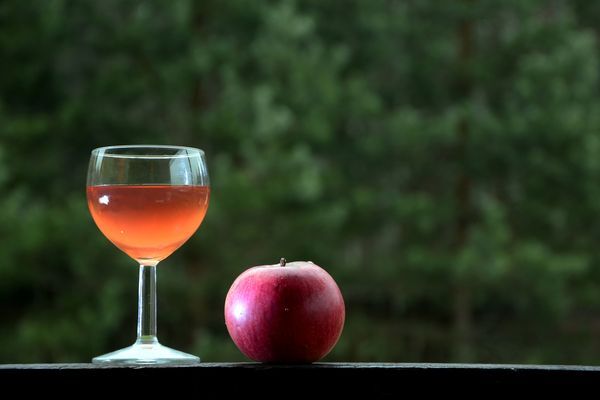
Juice the unwashed berries and fruits, add half the sugar, pour into a large container, and let ferment for 3 days. Then remove the resulting "cap," add the remaining sugar, pour the juice into bottles, and let it ripen for 30-40 days.
With pear
Ingredients:
- 10 liters of apple juice;
- 2 cups pear;
- 2 kg of sugar.
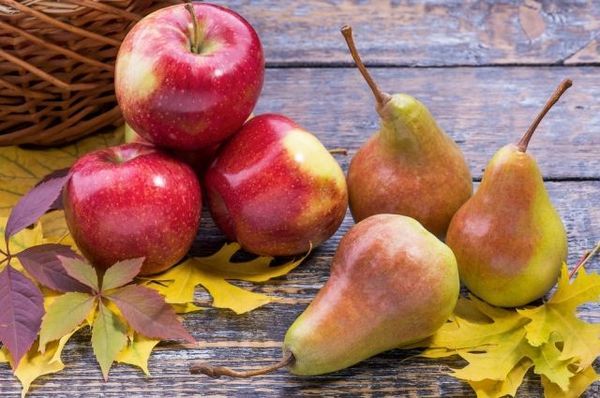
Let the juice mixture sit in a dark place for three days, add some of the sugar, and let it ferment for a month. Then filter, add the remaining sugar, pour into smaller containers, and let it ferment for at least a month.
From apple compote
For 1 liter of compote, you'll need 100 g of sugar and a handful of raisins. If the compote has already fermented, you can omit the raisins. Add the sugar and raisins to the compote and let it ferment for two weeks. Then filter the liquid, pour it into glass containers, and let it sit in a cool, shaded place for about two months, decanting it each time you notice sediment.
Important! Raisins are used to incorporate the wine fungi found on the skins. They can be substituted with any berry: grapes, currants, or rowan.
From dried apples
The dried fruit (1 kg) is steamed, mashed into a puree, and then 1.5 liters of boiling water and 1.5 kg of sugar are added. One teaspoon of yeast is dissolved in a glass of water, all ingredients are combined, strained, and the bottle with the wort is left in a warm place for two weeks. Then it is filtered again, poured into small containers, and stored in a cool place.
From frozen apples
After freezing, the fruits don't contain wine fungi, but they still make a decent drink. In this case, the basic technique requires some modifications:
- Dilute the resulting wort half and half with water.
- Add some raisins before fermentation begins.
- Reduce sugar to 100-150 g/liter.
From apple jam
Last year's candied jam can be used to make wine. For 1 liter of product, you'll also need:
- 1 liter of water;
- a handful of raisins;
- sugar, if the jam is sour.
Combine all ingredients in a container and, stirring occasionally, leave in a warm place for 5 days. On the 6th day, filter the liquid, pour it into a bottle with an airlock, and leave it to ferment for 30-60 days. Then, drain it several times as sediment appears and store it in the cellar.
Some tips for storing the drink
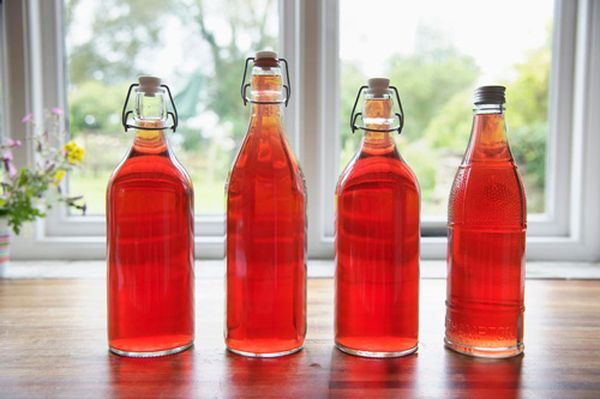
The shelf life of homemade wines is about 3 years, and to ensure that their quality does not deteriorate during this time, they must be stored in the following conditions:
- pour into glass containers and seal with real corks (made from cork oak bark);
- store filled bottles horizontally;
- maintain a cool temperature in the range of +6…+15 °C;
- do not allow sunlight to enter the storage area;
- Do not move or shake bottles.
As we can see, making apple wine is not difficult and is within the reach of even those unfamiliar with the craft. The key is to have sufficient raw materials and the right recipe, which will make winemaking a pleasant and engaging process.