
How to Make Homemade Cherry Wine: 13 Interesting Recipes with Step-by-Step Photos
Content
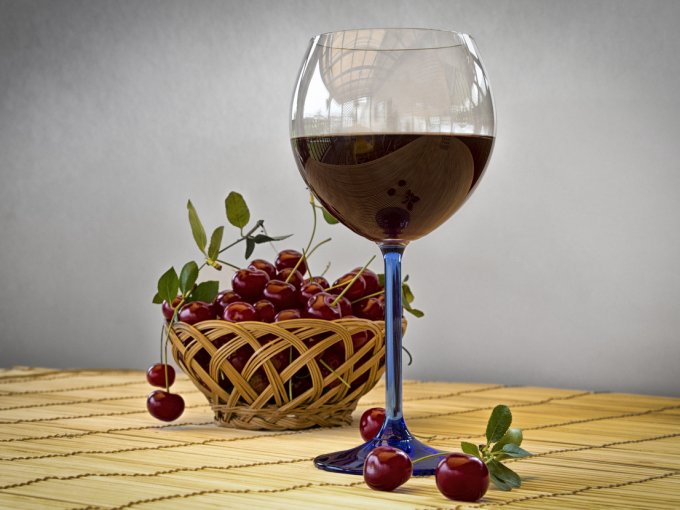
The benefits and harms of homemade cherry wine
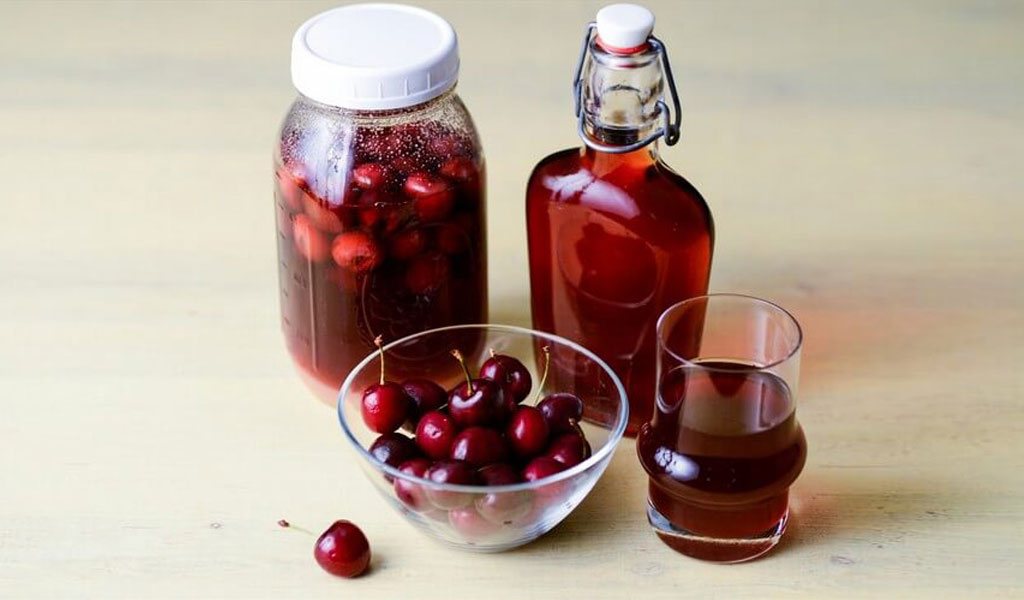
Fruits contain many beneficial components, including vitamins, organic acids, pectin, natural sugars, and more. Properly prepared homemade wine preserves these nutrients. If the dosage is individualized for each person, the benefits of the drink are undeniable.
A glass of cherry liqueur drunk with lunch has the following effects:
- improves mood;
- stimulates appetite;
- relieves certain intestinal disorders.
However, wine also has its own dangers. Due to its high acid concentration, it is prohibited for people suffering from:
- high acidity;
- stomach ulcer;
- diabetes mellitus.
The acid contained in the drink has an adverse effect on tooth enamel.
How to choose the right berries
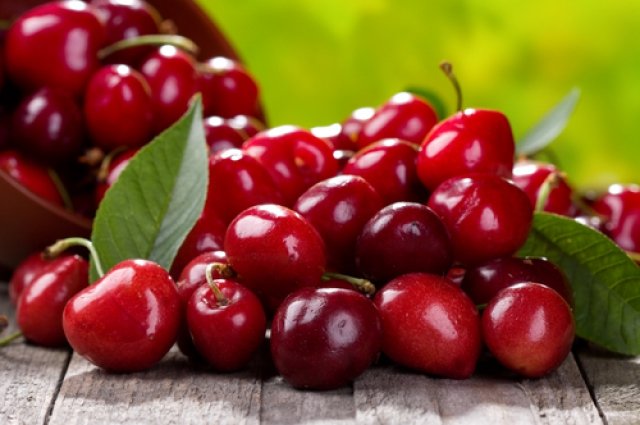
The quality of the future wine depends on the source material. For winemaking, select dark-colored berries with a pleasant flavor and fleshy pulp. Preparation should begin as early as the harvest:
- The fruits need to be dry, so they are collected on a warm, sunny day.
- Only whole berries are suitable. They are picked from the tree carefully and placed in the bucket, not thrown.
- The picked cherries are not washed to avoid losing their natural yeast.
- Purchased fruits should be rinsed. Then, they are allowed to dry, covered with a mosquito net, and placed on a windowsill to allow the yeast to multiply again.
The harvest is sorted, removing any defective, dried, or rotten fruit. The stems are removed, but the seeds are sometimes left on.
Video: How to Make Cherry Wine
This video shows how to make the drink at home.
Recipes for making cherry jam
For any recipe you will definitely need:
- plastic, wooden or enamel containers for fermentation;
- rubber gloves;
- a wooden stirring spoon that reaches the bottom.
Fermentation requires granulated sugar, water, and yeast (if the natural yeast from the fruit skins isn't sufficient). Any cherry can be used as a raw material—fresh, frozen, juice, fermented compote, or candied jam. Each type of raw material requires a specific recipe.
The essence of making simple wine is as follows:
- Boiled water is poured into a container with the selected cherry mass, sugar is stirred in and the container is left to ferment in a room at room temperature.
- The thick mixture is stirred periodically.
- After 5–7 days, the liquid is strained through cheesecloth, sugar is added to the thick mixture and it is left to ferment again.
- The filtered wort is poured into jars, filling them 2/3 full, a water seal is installed instead of a lid (a rubber glove can perform this function) and they are also taken to a warm place.
- After 5-6 days, the must is filtered again from the pulp and combined with the rest of the mass. Sugar is again added to the pulp.
Gradually, sediment will form at the bottom of the jars. Remove this by carefully pouring the ingredients into a clean container. Add the remaining sugar, secure the airlock, and let sit until more sediment forms.
The fermentation process is completed in 25–55 days (depending on the recipe). Then:
- get rid of sediment;
- fill the prepared bottles with liquid up to the very neck;
- They are sealed and left to mature in a cool place (6–15 °C) for 6–12 months.
The sediment will gradually accumulate in the bottles; it is removed periodically by pouring the contents. If the bottom remains clear for a long time, the young wine is ready.
Classic recipe
The most common method for making wine. To process 3 kg of ripe cherries, you'll need 4 liters of water and 1.5 kg of sugar.
The drink is made according to the following scheme:
- The seeds are removed from the berries.
- Prepare the syrup by stirring 500 g of sugar in warm water, pour into a container, and add cherries.
- Cover the container with cheesecloth and leave it to ferment (it will begin within 24 hours). Periodically, lower the fruit to the bottom to prevent mold from forming.
- Fermentation is accompanied by hissing and foaming. When it stops, the wort is racked and 500 g of sugar is added.
- After 5 days, add 250 g of sand and after the next 5 days, add the remaining 250 g.
- The wort is stored “under the glove” for about 30–60 days.
- The liquid clears, and the sediment at the bottom is removed by pouring it into another container. This process is repeated several times until the sediment stops settling.
-
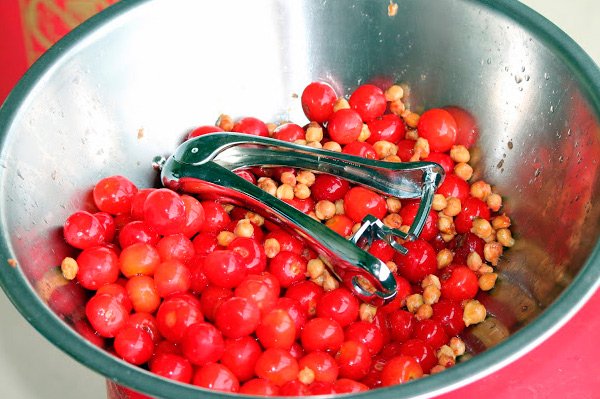
- Remove the seeds
-
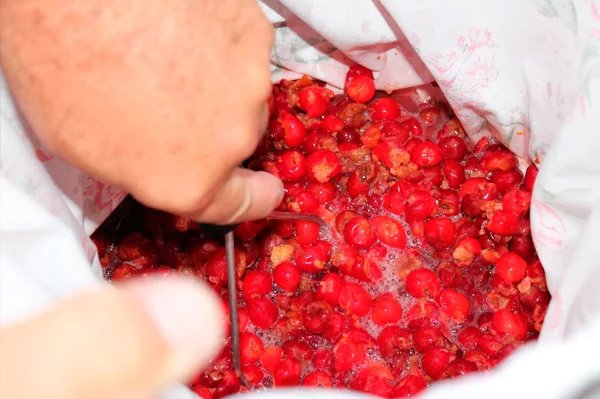
- We squeeze out the juice
-
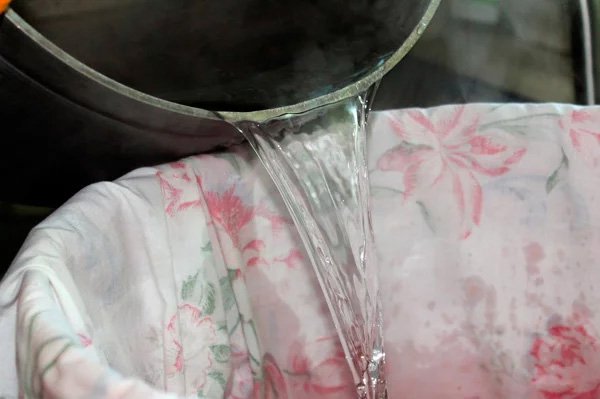
- Add water
-
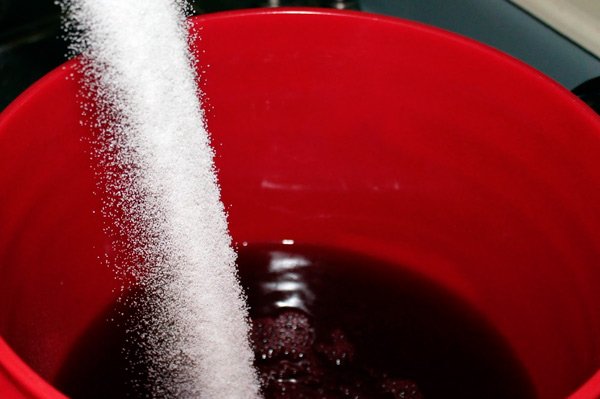
- Add sugar
-
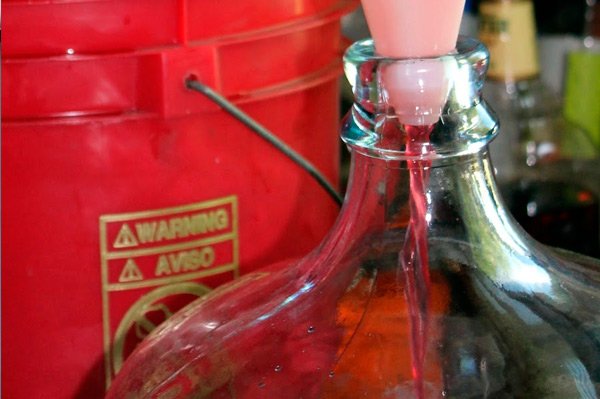
- We send it for fermentation
Dry homemade wine
The recipe doesn't call for the use of water. 4 kg of sugar are used to process 10 kg of fruit. The wine is made according to the following algorithm:
- Remove the pits, collect them in containers, and add sugar. Cover with gauze to protect from insects. Ferment. This will take about a month, stirring the pulp periodically.
- Filter the wort into jars, install a water seal, and wait a week.
- Remove the sediment and taste. If the drink is too strong or thick, add sugar and boiled water. Let it sit for another week under the airlock.
- The bottles are filled, corked and stored in the cellar to mature.
Fortified wine
Sometimes, alcohol or vodka is added to create a stronger, more aromatic drink. To prepare, you'll need:
- 3 kg of fruit – fresh and frozen are suitable (defrosting is not required);
- 500 g sugar;
- 8 liters of water;
- 100 ml of vodka.
Wine is prepared like this:
- The berry mixture is collected in a container, sugar is added, and the mixture is placed in a warm place until the juice is released.
- Add water, stir, cover with a glove, and return to a warm place for 3 weeks for fermentation.
- The wort is filtered into bottles and the pulp is discarded.
- Add vodka, seal, and refrigerate for 2 days.
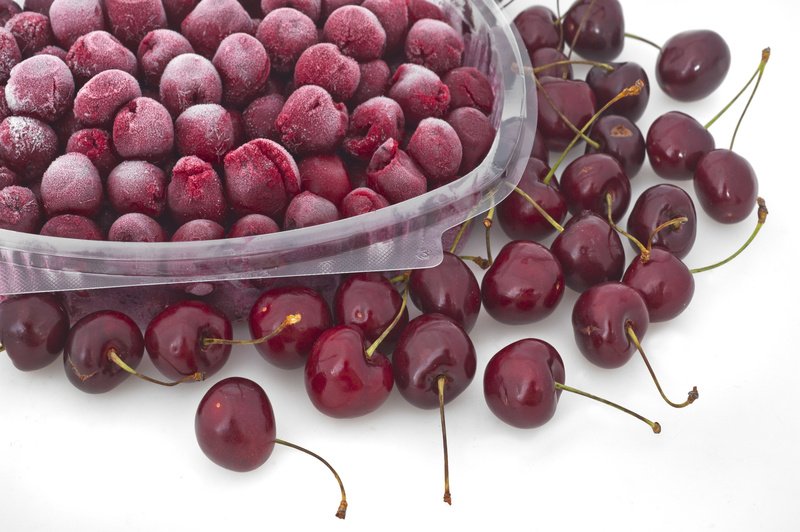
From frozen berries
Leftover frozen fruit at the end of winter can be turned into wine. For the recipe, you'll need:
- 2.5 kg cherries;
- 850 g sugar;
- 2.5 liters of water;
- 2 tablespoons raisins (source of natural yeast).
The cooking recipe involves the following steps:
- Let the fruits thaw, remove the seeds and chop them in any way.
- Collect in a container, add raisins, and leave in a warm place for 2 days.
- Add water heated to 40°C to the mixture and stir. Strain the wort into a clean container (the pulp can be discarded).
- Add sugar, install a water seal, and leave to ferment for 25–40 days. During this time, periodically remove the sediment.
- Once fermentation is complete, the liquid is poured into bottles, sealed and left to mature.
From cherry compote
Fermented compote is usually used for wine, as long as the jar is mold-free. To make 6 liters of compote, prepare 400 g of sugar and a handful of raisins (do not wash!).
Wine is made like this:
- The compote is collected in a single container, and the sugar and raisins are added. A water seal is fitted and the compote is placed in a warm place to ferment.
- Once fermentation is complete, the mixture is racked to remove sediment, bottled, corked, and refrigerated.
After 5 months, the young wine can be drunk.
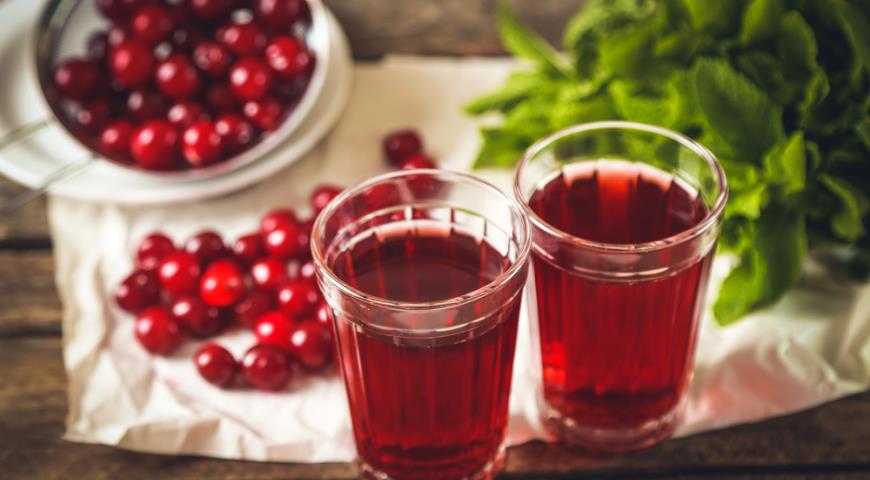
From cherry juice
In this case, the fermentation process won't start on its own—you need a starter. It's made like this:
- Pour half a liter of warm water (about 25°C) into a two-liter jar and stir in 200 g of raisins. Add sugar to taste.
- The neck is tied with gauze and left in a warm room for a week.
- The starter is shaken from time to time to prevent mold from forming on the surface.
To prepare the wine itself you will need:
- 3 liters of juice;
- 0.5 l of sourdough;
- 500 g sugar;
- alcohol.
The cooking process is as follows:
- Add sugar and yeast to the juice and leave in a warm place for a week.
- The sediment is removed, alcohol is added. Bottled, corked, and refrigerated.
After six months the wine is ready to drink.
From cherry pulp
If you have a lot of crushed cherries left over after harvesting, you can also use them to make homemade cherry liqueur. For the recipe, you'll need:
- 5 kg of pulp;
- 3 liters of water;
- 4 liters of sugar syrup (350 g per liter of water).
Prepare according to the following scheme:
- The mixture is collected in a 10-liter bottle, and the syrup is poured in. The neck is covered with gauze and kept in a warm place.
- On days 5-6, the pulp rises. The cheesecloth is replaced with a water seal. The fermentation is left for 30-40 days (the warmer the room, the shorter the fermentation period).
- The must is filtered into bottles, the juice is squeezed out of the pulp, filtered, poured into clean containers, a seal is installed and kept like that for another month.
- The young wine is poured into bottles, corked, and stored in the cellar.
With bones
This recipe is not recommended for those without experience. The seeds accumulate toxic hydrocyanic acid, which can be hazardous to health. However, connoisseurs love wine made with the seeds for its distinctive astringency and slightly bitter flavor.
To process a bucket of cherries, 3 kg of sugar is prepared. The preparation process is as follows:
- The pitted fruits are crushed (by hand, wearing gloves) and placed in a container. Water is added, and sugar is added. Cover with cheesecloth and left to ferment for a week.
- The mixture is stirred daily to allow the grounds to settle and prevent mold from forming. On the 8th day, the wort is filtered into a clean container, and the grounds are pressed, extracting all the juice.
- Place a glove over the neck and leave it to ferment. Wait a month until the swollen glove collapses.
- Remove sediment by pouring into empty bottles. Seal and store in a cool place to finish fermenting.
The young wine matures for a month. If mold appears in the container during fermentation, do not continue with the fermentation process—drain the must and discard the lees.
With white currant
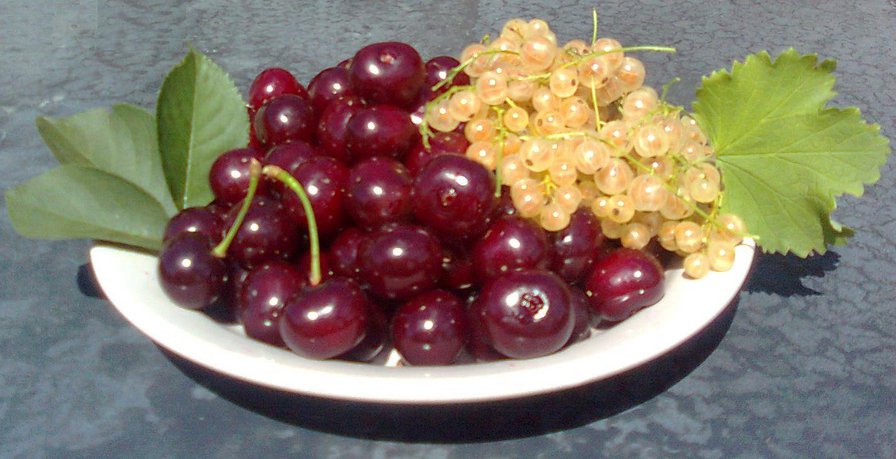
If you have currant bushes at your dacha, the berries can also be used as an ingredient in homemade wine. The recipe calls for the juice of both currants, a liter of each. You'll also need half a kilo of sugar and 1 liter of water.
Wine is made like this:
- The cherries are crushed and left to stand in a warm place for 24 hours.
- Squeeze the cherries and currants and mix them. Add half a liter of water and dissolve the sugar. Collect in a container and cover. Leave to ferment, stirring occasionally.
- When fermentation is complete, add boiled water to the very top and leave for 2–3 days.
- The young wine is racked into bottles, corked, and placed in a cool place to age.
With raspberries
Sometimes, to give homemade alcoholic beverages a special flavor and aroma, sweet berries are added. Here's a recipe for cherry-raspberry wine. Cherries and raspberries are used in equal parts. To process 5 kg of this mixture, you'll need a kilogram of sugar and 4 liters of water.
The recipe is as follows:
- The unwashed cherries are mixed (the pits are removed) and crushed using any method. The juice is filtered. The berry pulp is collected in a jar, filling it 2/3 full.
- Add 500 g of sugar. Cover with cheesecloth and leave in a warm place for a week.
- The wort is filtered and the sediment is removed.
- The remaining sugar is dissolved in the juice and added to the wort. A water seal is installed and the wort is left to ferment for 45 days.
- Remove the sediment from the bottom by pouring it into another container. Seal the container and store in a cool place for three months. The sediment will need to be removed again every two weeks.
With cinnamon and ginger
This exotic recipe makes the drink aromatic and tart. You'll need quite a few ingredients:
- 3 kg cherries (fresh or defrosted);
- 2 kg of sugar;
- 5 liters of water;
- 2 liters of vodka;
- 200 g ginger roots;
- 2 g cinnamon;
- zest of a whole lemon.
The drink is prepared like this:
- The berries are mashed. The ginger is peeled and grated.
- Mix the berries with ginger, add sugar and cinnamon, and leave for several hours to allow the berries to soak in the sugar.
- Add warm water and zest, cook the syrup.
Next, the wine is prepared according to a familiar scheme.

Without water
A drink made according to this recipe is popularly known as "cherry wine." The rules for making dry wine have been discussed previously. It's worth noting that women enjoy drinking cherry wine, as it has a pleasant, sweet taste that distinguishes it from other dry wines.
Yeast-free
This recipe is most often used when processing fresh cherries, as unwashed fruit contains sufficient natural yeast. For 3 kg of cherries, you'll need 3 liters of water and 1 kg of sugar.
Prepare it like this:
- The fruits with seeds are poured with water, sugar is added, covered with gauze and left in a warm place for a week.
- The wort is filtered into a jar. The mass is mashed, removing the seeds, and the juice is added to the wort. A glove is pulled over the neck and left to ferment.
- Once finished, remove any sediment, pour into clean bottles, cork, and leave to mature.
- During the process, drain the remainder from time to time and taste. If necessary, add sugar to taste.
Rules for storing homemade cherry wine
The longer the wine is left to mature, the better it tastes. To prevent spoilage, it needs proper storage. A cellar is ideal for this purpose. If you don't have one, any place that maintains the following conditions will do:
- temperature 10–12 °C;
- humidity 65–80%;
- good ventilation;
- The bottles are at rest, in a horizontal position.
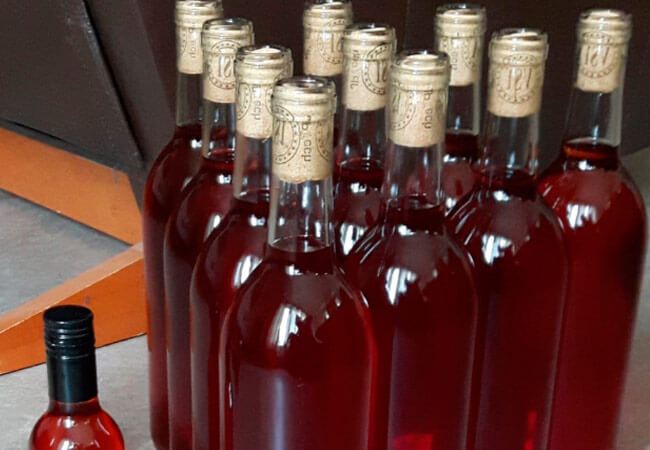
Homemade wine, stored in suitable conditions, can be stored for up to 5 years. Making it isn't difficult; patience is key, as the hardest part is waiting for the results.