
How to Make Plum Wine at Home: 9 Recipes with Photos
Content
The benefits and harms of plum wine
Plum alcohol, when consumed in moderation, can be very beneficial for the body. The components contained in the fruit have preventative and therapeutic effects, and the alcohol helps them be absorbed more quickly. For example, the drink contains:
- vitamins B, A, PP, H;
- trace elements: Zn, K, Cu, Ca, Na, P, Mn, Mg, F, I, Cr;
- glucose;
- sucrose;
- fructose.
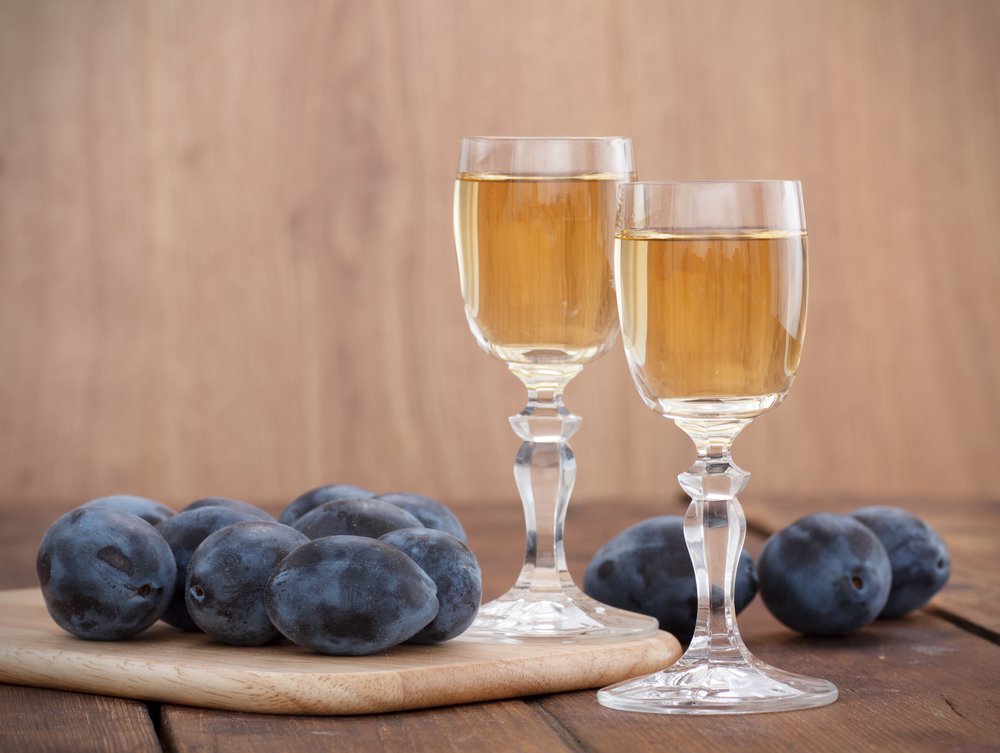
Plum wine helps stabilize the gastrointestinal tract, normalize cholesterol levels, remove toxins, and cleanse the body of waste. It is recommended to drink it in small doses for the following diagnoses:
- ulcers;
- gastritis;
- gout;
- diabetes mellitus.
Plum Wine Making Algorithm
Making plum liquor only seems complicated at first glance. By following the steps and a few simple rules, you can create an exquisite wine drink at home.
Preparing the harvest
Plums of various varieties are suitable for homemade wine. The fruit should be overripe, meaning wait until they begin to fall from the tree. For a more intense drink, the fruit should be left in the sun for a couple of days, laid out in a single layer. During this time, natural yeast, necessary for proper fermentation, forms on the surface. For this same reason, washing the harvested fruit is strictly not recommended.
Extracting juice
The fruits are carefully broken in half and the seeds are removed. The halves are then pureed until smooth and then covered with purified water. The container with the raw material is covered with cheesecloth to prevent the entry of insects or debris. The mixture is left to ferment, maintained at room temperature. Fermentation lasts about a month and a half. When the active phase is complete, the must is carefully poured into another container, filling it only three-quarters full.
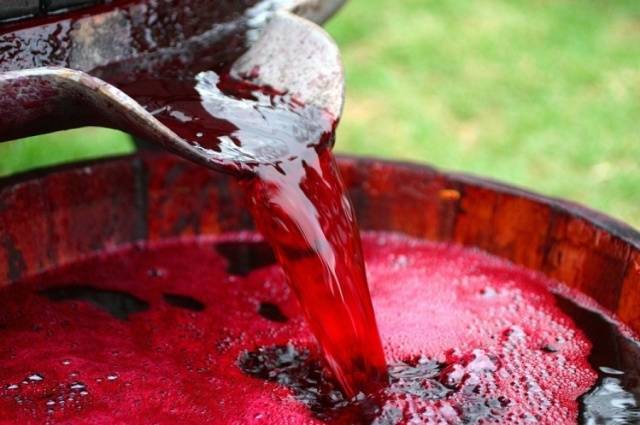
Fermentation process
Transfer the must into a clean bottle, install a water seal, or put on a medical glove. The mixture is left to ferment for six weeks at room temperature. If fermentation has not stopped after the allotted time, the future wine is carefully decanted again and placed under the air seal again. This is necessary to prevent the development of an unpleasant bitterness in the finished product.
Regulating the amount of sugar
When the mixture stops fermenting, sugar is added. The amount depends on the desired result:
- dry or semi-dry wine – 250 g/l;
- sweet or semi-sweet – 350 g/l.
It's best to introduce granulated sugar gradually, dividing the total amount into four portions. The first addition is made immediately after pumping. Then, leave the bottle for five days, and then repeat the process three more times.
To ensure the crystals are completely dissolved, stir them thoroughly every 6 hours.
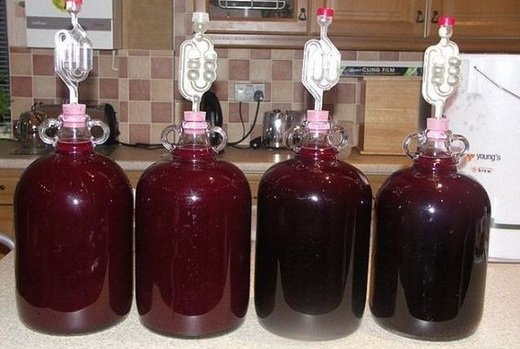
Defending
The final stage is the longest in plum liquor production. It's all about pectin, which prevents the drink from becoming completely clear. The finished product only fully clarifies after 2-3 years.
Once all fermentation stages are complete and sugar has been added, the rested mixture is carefully poured into a clean container. It is left to age for about six months before being bottled.
Video: "Homemade Plum Wine"
This video shows how to make plum wine at home.
The best recipes for homemade plum wine
If you've decided to make homemade wine, don't be afraid to experiment. We've prepared several step-by-step recipes that can serve as the basis for your signature drink.
Classical
Alcohol made according to a traditional recipe turns out to be universal.
- Pour purified water over a kilogram of pureed plums in a 1:1 ratio.
- Cover the container with gauze and leave it for 3 days.
- When the pulp separates from the puree, strain the juice.
- Add granulated sugar and then place the bottle under the seal for a month and a half.
- After the allotted time, pour the drink, close it with an airtight lid and let it sit for six months.
Simple
The recipe is very similar to the classic one, but the preparation algorithm is somewhat simpler.
- Pour boiling water over 5 kg of pureed fruit, maintaining a 1:1 ratio.
- Cover the container with gauze and let it stand for 2 days.
- Carefully collect the pulp and drain the juice.
- Add granulated sugar at a rate of 500 g per two liters of liquid.
- Add a fifth of ground plum pits there.
- Place the workpiece under the shutter to ferment.
- Once fermentation is complete, strain the drink and then bottle it.
-
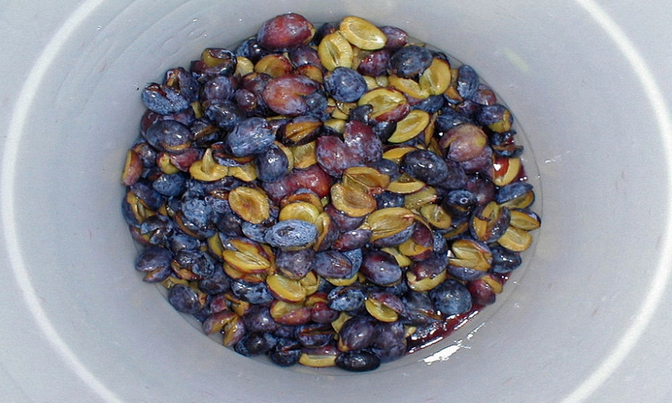
- We clean and wash the plums
-
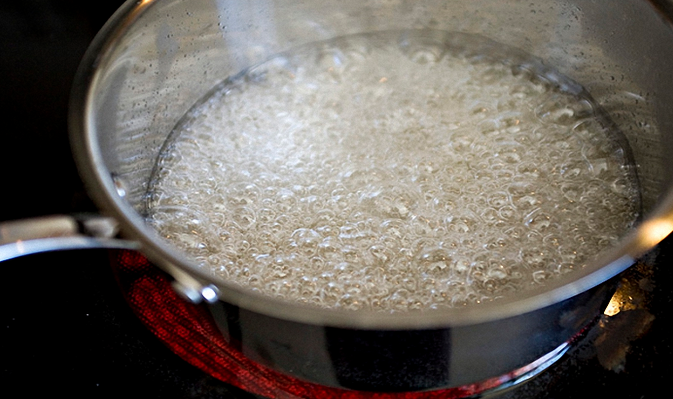
- Cook the syrup
-
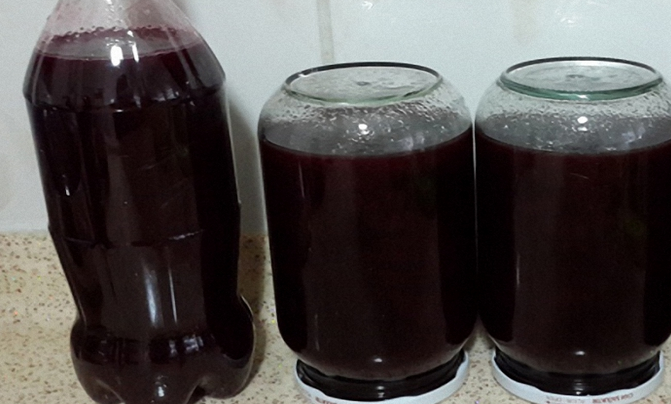
- We infuse the drink
-
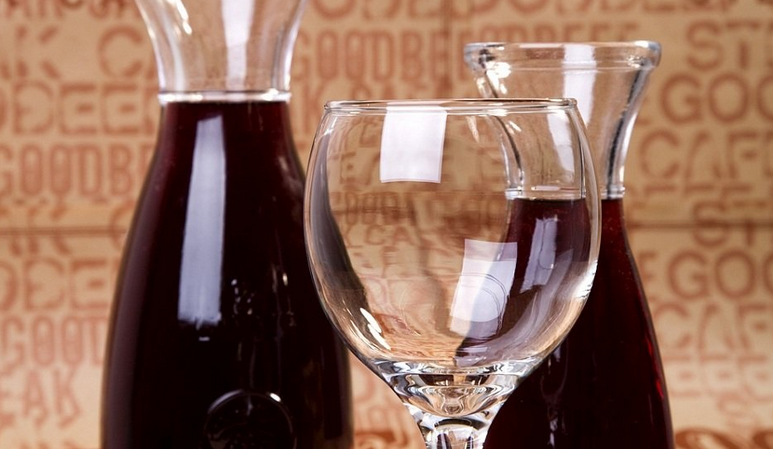
- Ready-to-drink wine
From plum jam
If you don't have fresh ingredients, candied winter preserves will do the trick for making delicious alcohol.
- Mix a liter of plum jam and half a glass of granulated sugar.
- After pouring a liter of purified water over the mixture, cover the jar with gauze.
- Once you have collected the pulp, add another 50 g of sugar to the juice, and then place the must under the lock.
- Once fermentation is complete, strain the liquid and leave for another 3 months.
From plum compote
You can safely use compote instead of jam.
- Strain three liters of compote through a sieve, separating the fruit.
- Slightly warm a glass of liquid, adding a handful of raisins ground with 50 g of granulated sugar.
- Let the starter sit for 3-4 hours, combine it with the juice, and then seal the jar.
- Mix plum puree with 2 tablespoons of sugar.
- Boil the fruit mass for a quarter of an hour over low heat.
- Also leave it to ferment.
- When both fermentation processes are complete, filter the mixture and pour it into a common container, mixing thoroughly.
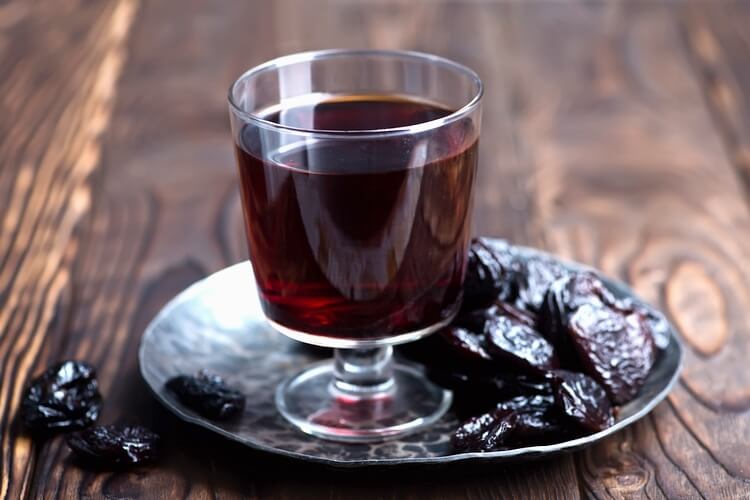
From prunes
Some winemakers prefer to make wine from dried plums.
- Pour 7 kg of pitted prunes with a liter of warm water.
- After 4-5 days, collect the pulp and add a kilogram of granulated sugar to the remaining liquid.
- Wait until fermentation is complete, and then strain the drink.
With bones
Plum pits will give the alcohol a unique almond flavor.
- Take 10 kg of fruit. Divide the pits in half and remove the kernels from one half.
- Pour purified water over the pureed plums, maintaining the proportions (1:1).
- Add granulated sugar at a rate of 2 tablespoons per liter of liquid.
- Cover the kernels with bones.
- Cover the bottle with gauze and let it stand for 2-3 days.
- Pour off the fermented wort and then sweeten again in the same ratio.
- Place under a water seal, and after 5 days, stir in the sugar again.
- When fermentation has stopped, strain carefully.
In Japanese
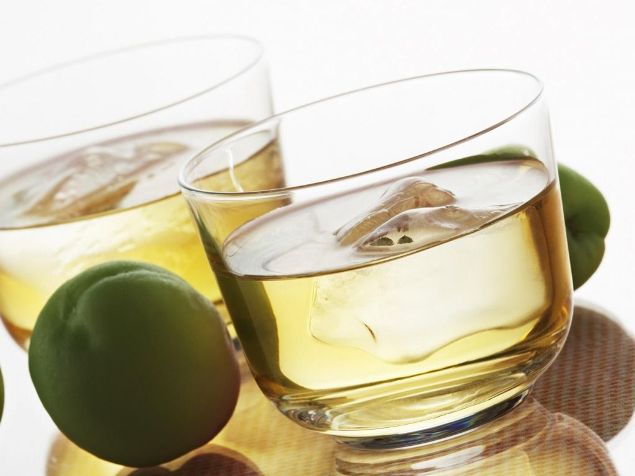
Traditional oriental wine is made from unripe fruits of the Ume tree.
- Remove the pits from a kilogram of fruit.
- Sprinkle 500 g of granulated sugar on top.
- Enter a liter of shochu (fruit alcohol).
- Close the bottle and leave it for six months, shaking it periodically.
In Chinese
Another oriental recipe based on green Japanese plum.
- Add 1 kg of fruit to half a kilo of granulated sugar.
- After pouring in 1 liter of setyu, let the mixture sit for a while.
- Add additional ingredients (liquid honey, mint or other spices).
- Let it sit for a year, shaking the bottle regularly.
Without water
Due to the lack of additional liquid, the alcohol produced in this recipe is richer and more aromatic.
- Puree the plums, removing the pits first.
- Cover the container, wait for the pulp to rise, and then filter the mass.
- Add granulated sugar at a rate of 150-250 g per 1 liter of wort.
- Heat the mixture to 40°C, cool, cover with gauze and leave for 3 weeks.
- Next, carefully strain, add more sugar, and then place under a water seal.
- After a month and a half, bottle the drink.
Storage conditions for plum wine
Plum alcohol has a short shelf life. If the wine contains a small amount of sugar, it will age for no more than 5 years. If the drink has been fortified with alcohol, it can be stored longer. Choose a dark, dry, and cool location (cellar or refrigerator). The bottles should be small and tightly corked to prevent air from leaking.
Plum wine can be enjoyed within six months of fermentation. However, the best flavor will emerge after a couple of years, when the wine has settled and matured.