
The health benefits and best recipes for homemade chokeberry wine
Content
Features and beneficial properties of chokeberry wine
When properly prepared, the drink inherits many of the plant's medicinal properties. Chokeberry wine helps with:
- high cholesterol;
- blood pressure surges;
- thinning of the walls of blood vessels.
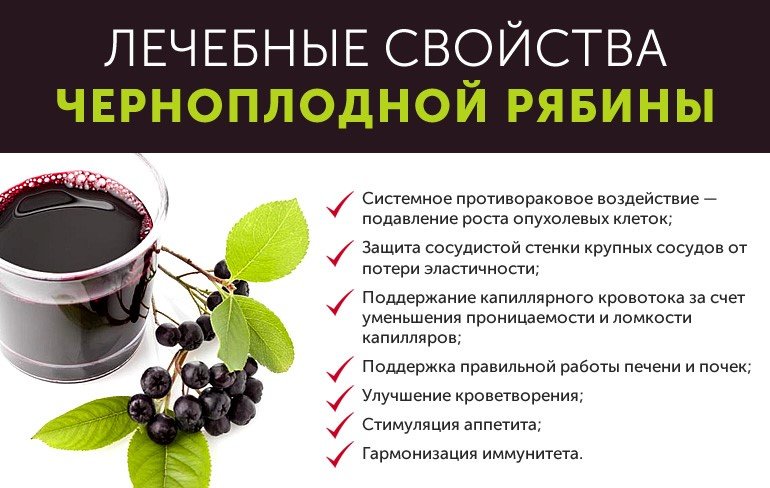
The benefits of wine don't end there. Moderate wine consumption has a healing effect on the body, namely:
- immunity is increased;
- toxins are removed;
- improves well-being in cases of rheumatism, radiation sickness, stomach ailments, and oncology;
- the nervous system is strengthened;
- metabolism improves.
Aronia wine contains anthocyanins, making it a popular choice for cancer patients. It is also used for cancer prevention.
Contraindications and harm of the drink
However, chokeberry wine is beneficial only in moderation. For maximum therapeutic benefits, people with hypertension, for example, should consume no more than a tablespoon of the drink daily before each meal.
Wine, being an alcoholic beverage, is particularly dangerous for those with alcohol dependence. It is not recommended for diabetics and nursing mothers, as it can alter blood glucose levels. Another risk group includes those prone to migraines. Wine contains a number of allergens, such as pollen, yeast, and histamines.
List of diseases for which drinking the drink can cause harm:
- gastric ulcer and duodenal ulcer;
- gastritis;
- low blood pressure;
- high blood clotting, thrombophlebitis;
- varicose veins;
- constipation.
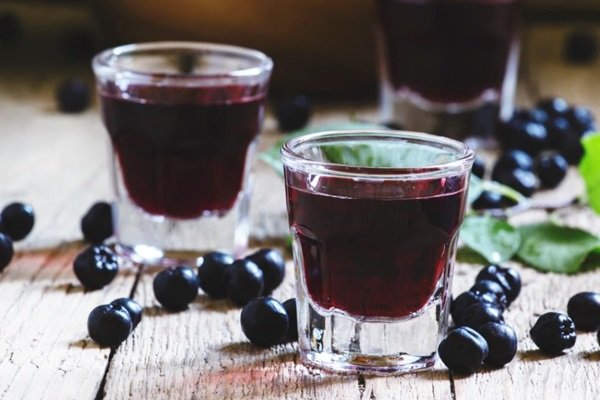
Basic technologies for preparing the drink
Beginning winemakers will face certain challenges. Various technological processes are used to produce delicious wines, allowing for the choice of the most appropriate method for each specific application. Let's explore the basic techniques.
Fermentation
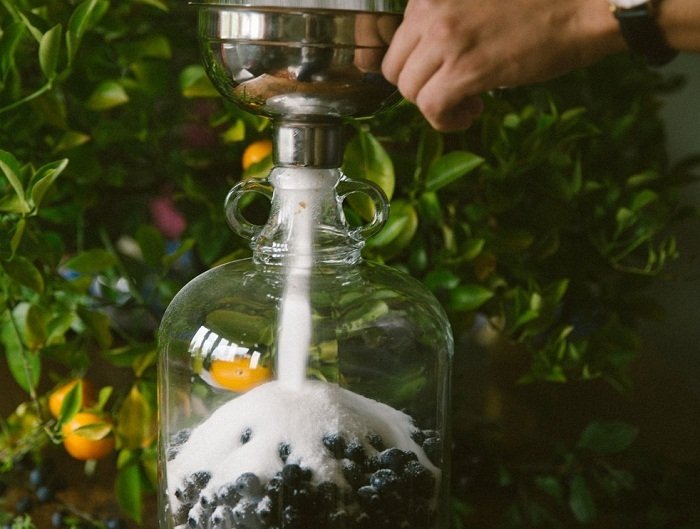
The most popular method is to mix the squeezed berry pulp with water, add sugar, and then let it ferment for a long time. The proportions are as follows:
- berries – 7.5 kg;
- sugar – 3 kg;
- warm water – 1.5 liters.
The technology involves several stages:
- The selected fruits are crushed until a homogeneous puree is formed.
- Add 2/3 of the specified amount of sugar and warm water, stir until the sugar dissolves, cover the container with gauze and place in a room with room temperature, away from windows.
- Fermentation of chokeberries takes about a week. The mixture is stirred once a day. When the fermentation begins, a foamy cap will form on top of the mixture.
- After a week, the accumulated liquid is drained through a colander, and the berry pulp is lightly pressed. The collected must is poured into a fermentation vessel, filling it halfway.
- The container is tightly sealed with a water seal (you can use a medical rubber glove) and left to ferment again.
- The remaining pulp is mixed with the remaining parts of warm water and sugar (1/3 each), covered again with gauze and placed next to the wort for a week to “ferment”, stirring once a day.
- The pulp is strained again, adding the liquid to the containers with the wort. The resulting pulp is then used to make jam.
- Fermentation of the wort takes 45 days. The end of the gasification process is determined by the condition of the lock (the glove will fall off).
- The young wine is poured into jars through a narrow tube; the container with the must must not be tilted. If you want a fortified drink, add the required amount of sugar at this stage.
- For 2-3 days, the containers with wine are placed in a cold place until sediment appears, after which the drink is poured into bottles, corked and put into storage for six months.
Every time the container containing the must is opened, it must be resealed with a sterile airlock. The airlock is washed for this purpose, and the glove is replaced with a new one. Although young wine can be drunk immediately after preparation, it will taste somewhat bitter without aging.
-
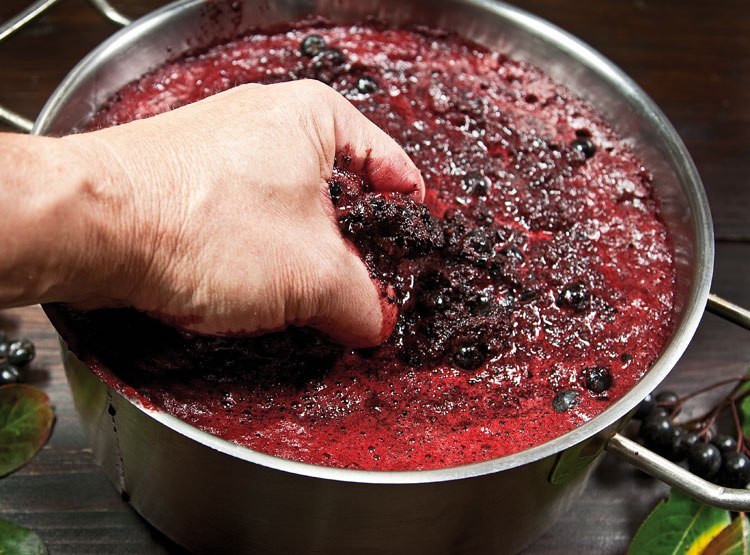
- Mash the berries
-
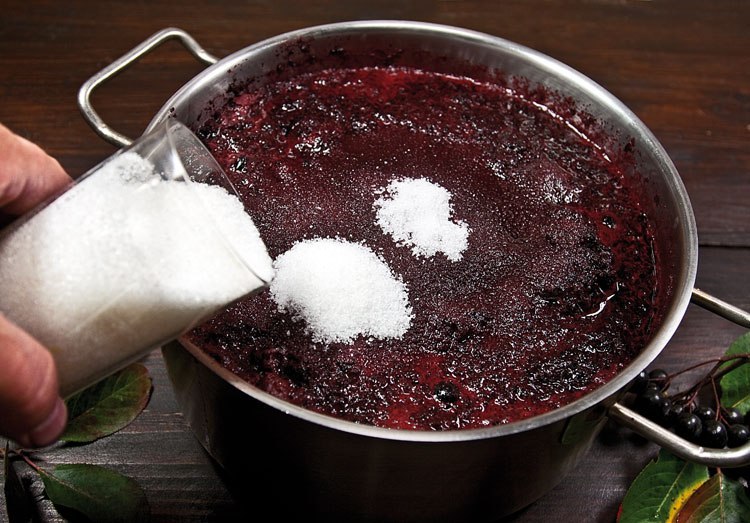
- Adding sugar
-
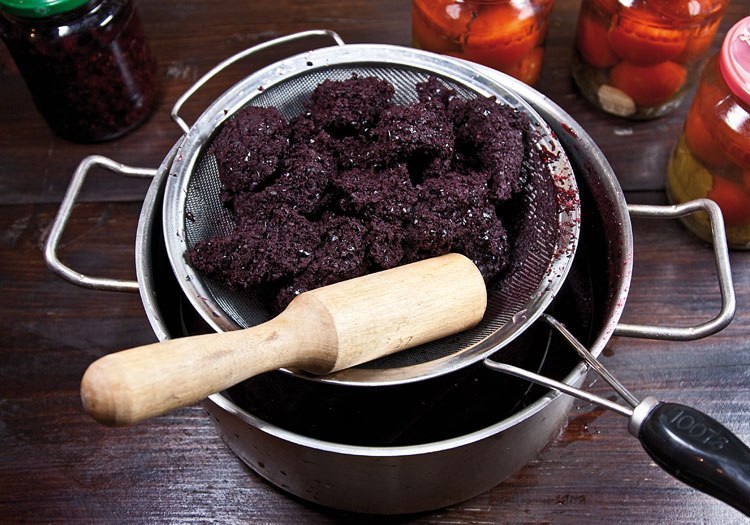
- Separation of the pulp
-
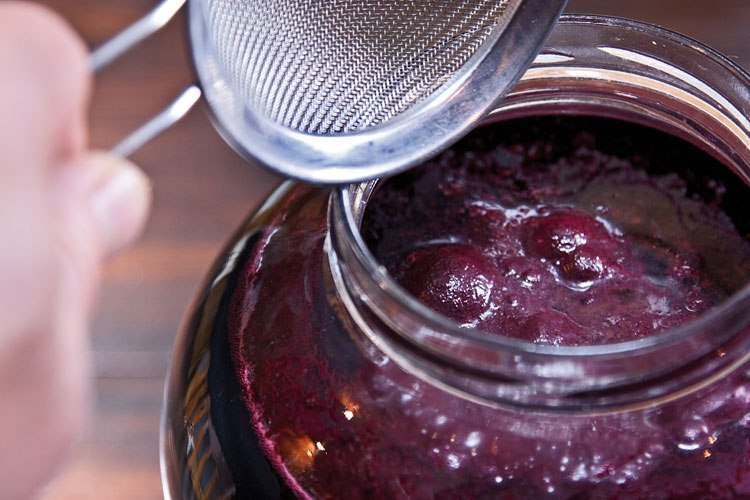
- Infusing the drink
-
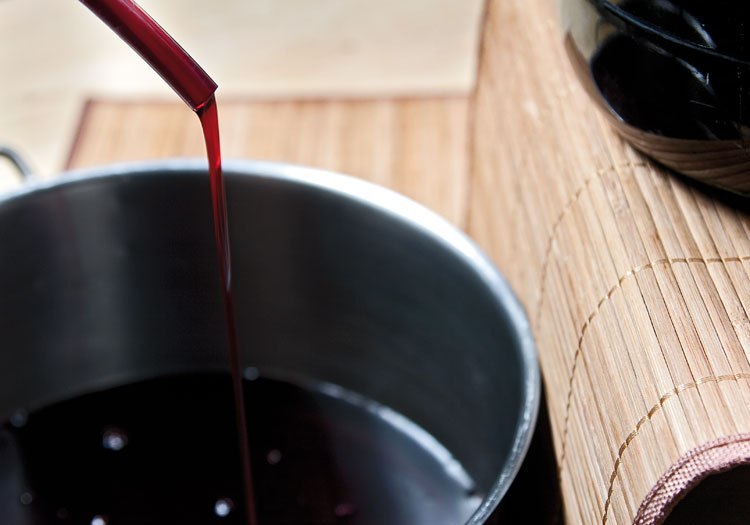
- Filtration stage
-
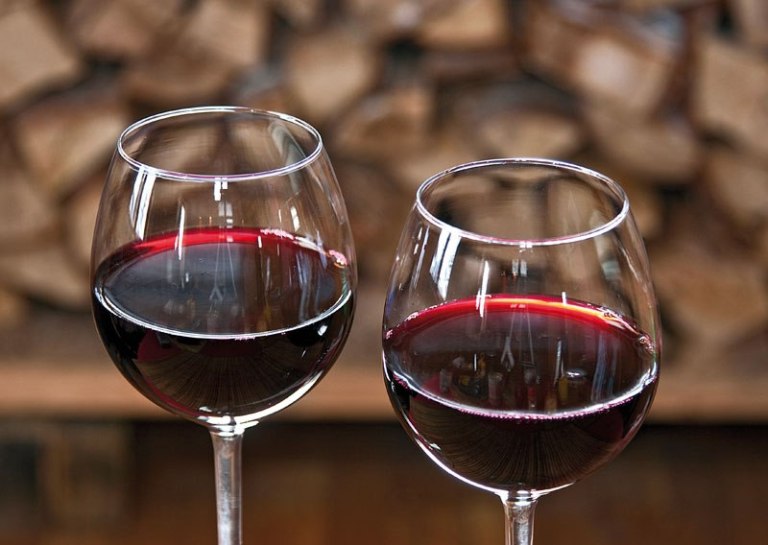
- Ready to drink drink
Using yeast
This method is suitable for beginner winemakers because it's so simple. The following proportions are used for preparation:
- berries – 3 kg;
- water – liter;
- sugar – 6 kg;
- yeast – 15 g.
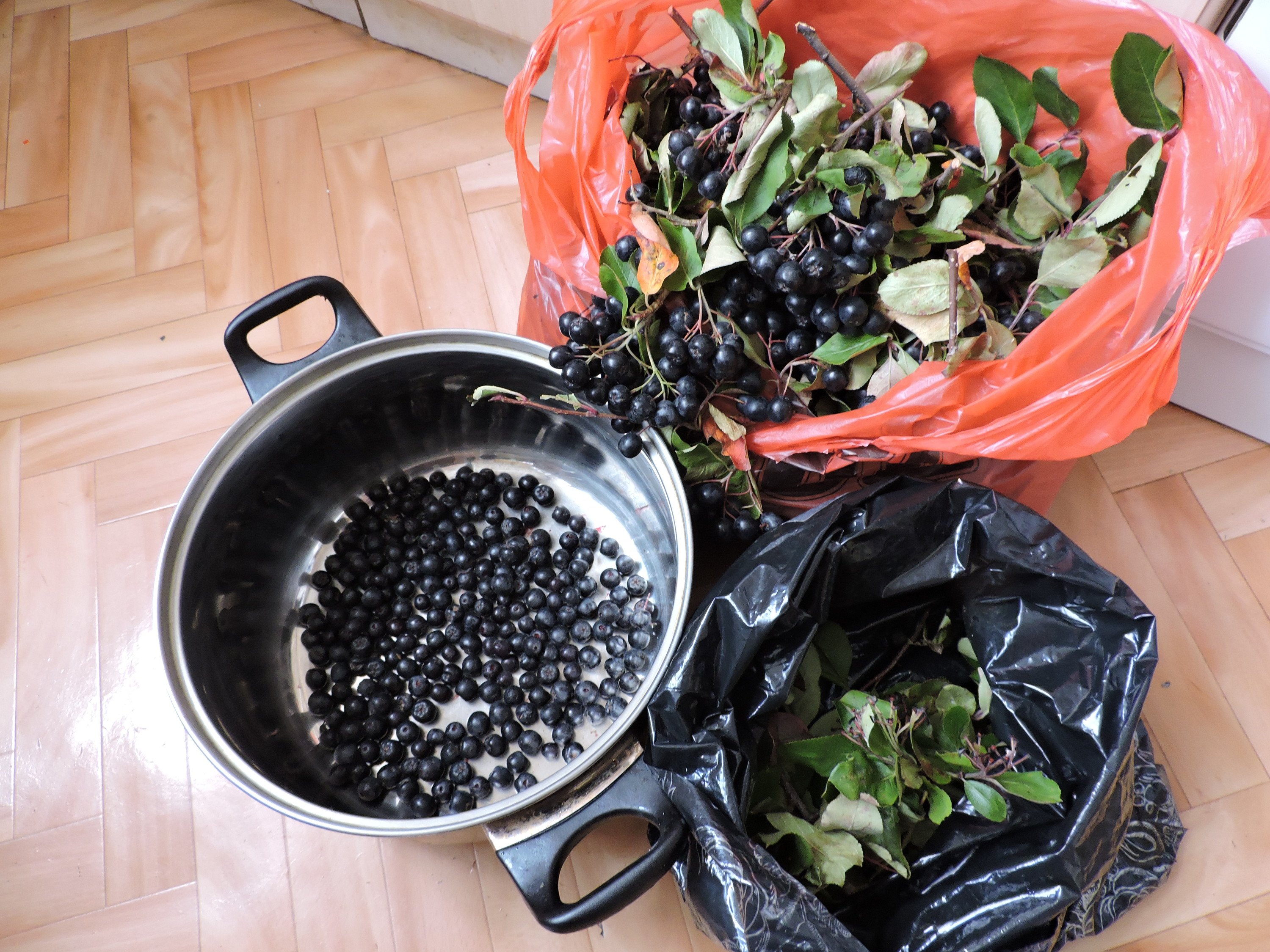
The selected mass is mashed or crushed, then strained. About 3 kg of fruit should yield about 2 liters of juice.
The further procedure is as follows.
- The pressed pulp is poured with boiling water, allowed to settle, and then the liquid is poured into a glass jar. The process is repeated several times until about 5 liters of wort are collected.
- Add 1.5 kg of sugar and yeast. The container is sealed and left to ferment. The process will take about a month.
- Every week, another one and a half kilograms of sugar is added to the wort. When sediment forms, the drink is decanted into bottles, sealed, and left to age.
By type of Cahors
In this case, the drink won't be able to eliminate the astringency and sourness; it will taste like a dry grape wine like Cahors. The proportions are as follows:
- berries – 5 kg;
- sugar – 1 kg.
Puree the rowan berries in a blender until smooth, then add ¾ of the sugar. The preparation method is as follows:
- Place several rowan branches wrapped in gauze into the container with the mixture, then leave in a warm place at room temperature.
- The aging process lasts for a week, with the mass being stirred daily.
- The pulp is squeezed out, the juice is poured into a container, covered with a water seal and put away in a cool place for 3 weeks.
- The pulp is again filled with a liter of water, the remaining sugar is mixed in and it is also left to ferment.
- The liquid is drained again, added to the wort, and left for two months. During this time, the sediment is removed three times by carefully pouring the drink into an empty container.
The analogue of black chokeberry Cahors acquires a ruby-red color.
Video: "A Simple Recipe for Homemade Chokeberry Wine"
This video shows how to make an alcoholic drink at home.
Step-by-step recipes for chokeberry wine
Most recipes are based on classic fermentation of prepared raw materials. The wine's flavor depends on the chosen method.
The classic way
You need to prepare the chokeberries, extract the must from them using the fermentation method, ferment, filter the drink into bottles and leave it to ripen.
At the bank
Used when making wine in large quantities, 3-liter jars are used as containers. The recipe calls for the classic preparation of the berries, but the crushed pulp is poured directly into the jars. Raisins and other ingredients are also added according to the recipe.
You'll need a lid with holes to allow gases to escape. Stir or shake the mixture daily. After a week, add more sugar, stir, and let it sit. Repeat the same procedure a week later. After another two weeks, add the remaining sugar and wait until the berries sink to the bottom. The liquid should clear. Strain and pour into bottles or other jars with tight lids.
With cinnamon
The recipe is based on a fermentation method. When the pressed mash is ready for fermentation, an additional 5 grams of cinnamon are added. If given enough time to settle, the finished wine will acquire a liqueur-like flavor with a spicy undertone.
With grapes
The berries of this crop pair well with chokeberry, producing homemade wine with a classic flavor and aroma. To prepare, you'll need:
- chokeberry – 5 kg;
- grapes – 5 kg;
- sugar – 2 kg;
- water – 5 l.
Both types of berries are sorted, weeding out any spoiled or rotten ones. They are then crushed, water and sugar are added, and the mixture is left to ferment according to the above-mentioned method. The strained must is left to mature for 40 days. The young wine will need 3-4 months to fully mature.
With apples
This recipe is designed for patient winemakers, as it requires frequent addition and stirring of sugar. Ingredients:
- chokeberry – 3 kg;
- apples – 2 kg;
- water – 2 l;
- sugar – 1.5 kg.
Here are step-by-step instructions:
- The apples are not washed, but simply wiped with a dry cloth. The core and wormy parts are removed, and the pieces are finely chopped.
- Prepare the rowan berry mass using the fermentation method described earlier, add the apples, cover with cheesecloth, and let it sit in a warm place for a week. Stir the mixture frequently—2-3 times daily.
- Install a hydrodoser and let it sit for another two weeks. Once a week, add 500 g of sugar and stir.
- No more sugar is added for the next two weeks. After a month, the drink is decanted, bottled, and stored.
With cherry leaves
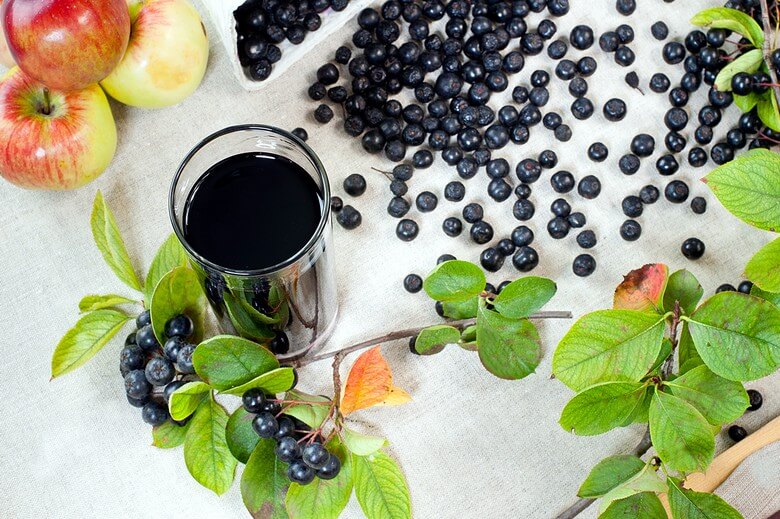
This recipe is perfect for those who enjoy cherry-flavored drinks. In addition to the leaves, berries are added for a richer flavor. The result is a liqueur-like drink.
To prepare the classic recipe, add (per glass of chokeberry):
- cherry leaves – 100 g;
- water – 1 l;
- sugar – 1 tbsp.;
- vodka – 0.5 l;
- citric acid – 1 teaspoon.
The berries and leaves are poured with boiling water and simmered for 30 minutes, then the must is strained and cooled. Sugar and citric acid are added and the mixture is simmered over low heat. Filtered, allowed to cool, and the vodka added. The liqueur is left to stand for several hours until fully prepared.
With oranges
Orange juice or zest will work (the latter makes the drink more flavorful). For preparation, you'll need:
- berries – 4 kg;
- oranges – 3 pcs.;
- water – 1.5 l;
- sugar – 750 g.
Wine is prepared using the following method.
- The berries are crushed, 500 g of sugar and water are added, and they are left in a warm place for 10 days.
- Oranges must be washed (with soap) and dried. The peel is cut off and chopped.
- Drain the wort, add the crushed peel and 250 g of sugar, and let it sit for a week.
- They decant again. They seal it and put it in a warm place for 40 days.
- Pour into glass bottles and leave to mature in the cold.
With raisins
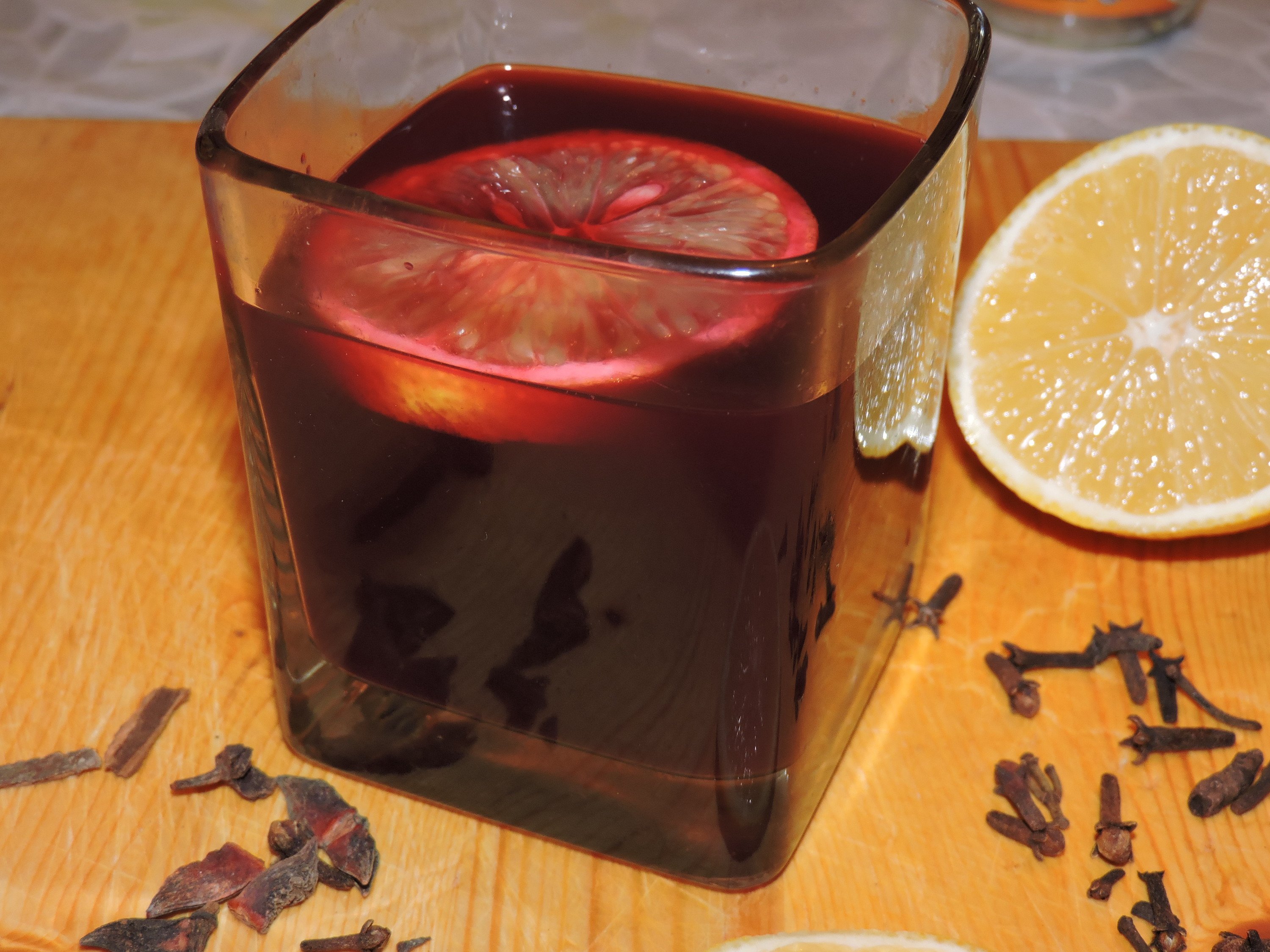
Dried grapes are added to speed up fermentation and make the drink sweeter. The classic recipe calls for adding 10 grams of raisins per kilogram of grapes when adding water and stirring in the sugar.
Raisins must be added unwashed to avoid removing bacteria on the surface that promote fermentation.
With the aroma of spices
When making fortified wine, alcohol or vodka is used. Spices with a strong aroma are often added to the drink, which helps to muffle the vodka's aroma. The ingredients are selected in the following proportions:
- berries – 700 g;
- water – 1 l;
- sugar – 300 g;
- vodka – 350 ml;
- citric acid (optional);
- cloves – 5 pcs;
- cinnamon – 1 stick.
The berries are covered with water, boiled for 30 minutes, and left to cool for 12 hours. Then, they are filtered through cheesecloth. Sugar is added to the container with the must, and the mixture is brought to a boil again. The remaining ingredients are added, stirred, and the heat is turned off. Cool, strain, and bottle the mixture. It can be served without aging.
With lemon zest
For 3 kg of rowan berries, you'll need 3 lemons. The zest is used, and the wine is prepared using the same principle as described in the orange recipe.
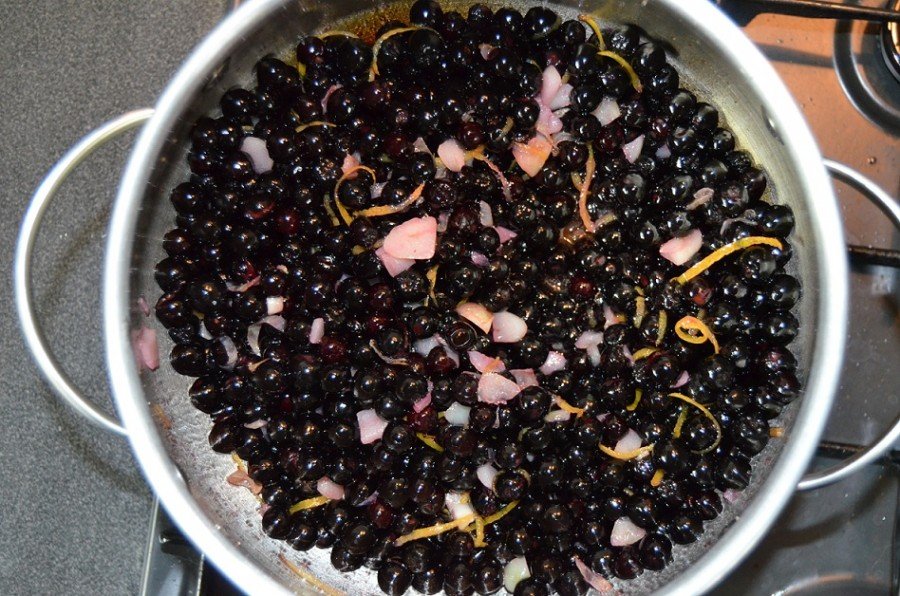
From frozen berry juice
This drink can be made in winter. Let the berries sit, squeeze out about 3 liters of juice, and warm to room temperature. Add:
- 2 glasses of water;
- 2.5 kg of water;
- 200 g raisins.
The container is left to ferment with a water seal, waiting until the drink clears. It is then drained, removing any impurities, poured into glass bottles, and stored in the cellar for three months.
How to properly store chokeberry wine
Since homemade wine made using the described methods is not very strong (only 13-14 degrees), it can be stored for a long time. It is advisable to:
- use glass containers;
- Place bottles horizontally and plastic boxes vertically;
- Maintain a room temperature of around +14°C.
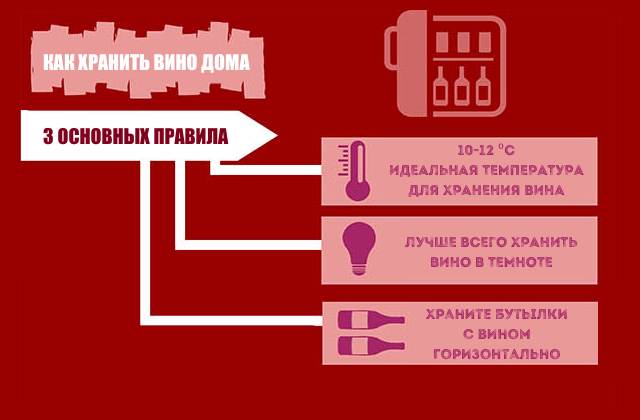
Low-alcohol wines can be stored for 6 months to 2 years, while fortified wines can be stored for up to 5 years. In urban areas, wine can be stored in the refrigerator or on the balcony.
Although doctors recommend drinking chokeberry wine in small doses for those with hypertension, those with gastrointestinal issues should still avoid excessive consumption. And remember: the longer the drink steeps, the more flavorful it will be.