
A folk medicine chest for the home: the benefits of viburnum for treating illnesses
Content
- 1 Useful parts of the plant
- 2 Chemical and vitamin composition of viburnum
- 3 Video: "The Benefits and Potential Harms of Viburnum for the Body"
- 4 Useful and medicinal properties
- 5 Folk recipes for using viburnum
- 5.1 To strengthen the immune system
- 5.2 For colds
- 5.3 For tonsillitis
- 5.4 For bronchitis and pneumonia
- 5.5 For chronic cough
- 5.6 For headaches
- 5.7 To calm the nervous system
- 5.8 For hypertension
- 5.9 For liver diseases
- 5.10 For stomach ulcers
- 5.11 For gastritis
- 5.12 For constipation
- 5.13 For diarrhea
- 5.14 For skin diseases
- 5.15 For sweaty feet
- 6 Using viburnum in home cosmetology
- 7 Rules for harvesting and storing berries and other plant parts
- 8 Harm and contraindications of viburnum treatment
Useful parts of the plant
There are over 160 varieties of viburnum recognized in botany. Some are ornamental, while others can be used in cooking or to treat illnesses. The latter includes the red viburnum, whose beneficial and medicinal properties were known to our ancestors.
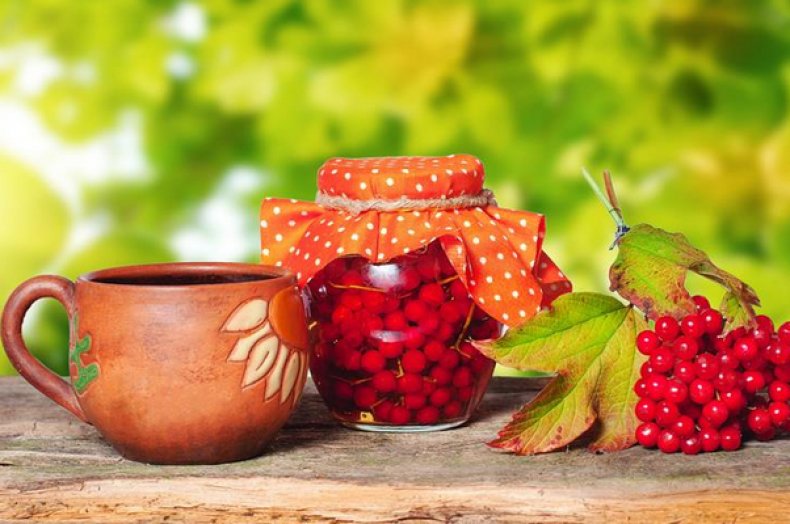
Red viburnum berries have a distinctive flavor, with a hint of tartness and a hint of bitterness. However, infusions and decoctions made from the berries are very beneficial for both health and well-being. The berries can be used in cooking, including sauces, salad dressings, marinades, and a variety of baked goods.
The fruit seeds are used as a laxative and for gastrointestinal spasms. The leaves effectively cleanse the body and normalize metabolic processes. Viburnum flowers are used to prevent and treat colds and viruses. Remedies using the bark help strengthen the immune system and nervous system.
Chemical and vitamin composition of viburnum
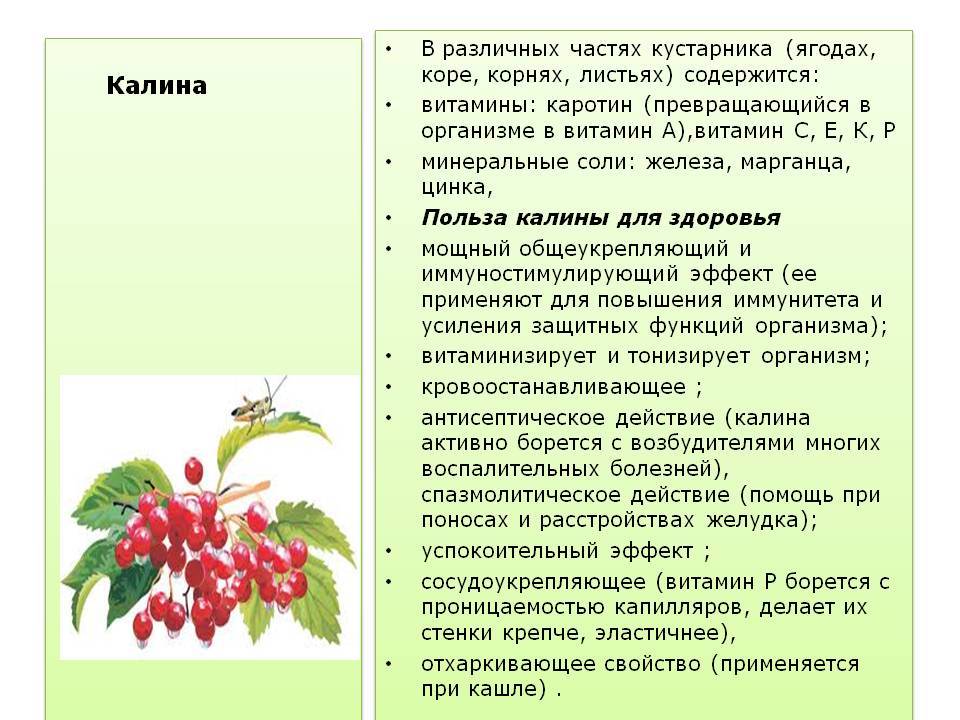
The health benefits of red viburnum are due to its rich vitamin content: A, E, C, P, and K. Remarkably, the amount of vitamin C in red viburnum is 70% higher than in lemon.
The plant's biochemical composition includes essential oils, tannins, pectin, alkaloids, phytoncides, and organic acids. The fruits and other parts of the medicinal plant contain many elements from the periodic table.
Video: "The Benefits and Potential Harms of Viburnum for the Body"
This video explains how to use berries and other parts of the plant in the treatment and prevention of diseases.
Useful and medicinal properties
Viburnum's effects on the human body are vast. The plant's key beneficial and medicinal properties include:
- strengthening the body, including supporting the immune system;
- prevention and treatment of colds, viruses and seasonal infections;
- prevention of vitamin deficiency;
- normalization of the nervous system, prevention of stress and depression;
- improving the functioning of the digestive organs;
- normalization of pulse and equalization of blood pressure;
- varicose vein therapy;
- effective diuretic and hemostatic agent;
- cleansing the body of waste and toxins;
- prevention of swelling and removal of excess fluid;
- beneficial dynamics of the effect on the cardiovascular system.
Viburnum can be used as an anti-inflammatory, antipyretic, wound-healing and rejuvenating agent.
Folk recipes for using viburnum
Let's look at several simple to implement, but very effective medicinal remedies using viburnum.
To strengthen the immune system
Viburnum-based remedies are very popular for general tonics. These can be freshly squeezed juice diluted with honey or an immune-boosting tea. To prepare it, pour boiling water over a handful of ripe or dried berries. Let the drink steep for two hours and take small doses 2-3 times daily.
For colds
At the first sign of a cold, you should drink viburnum tea, the recipe for which is described above, or a decoction of the bark.
To make a homemade cold decoction, take 2 tablespoons of finely chopped bark and 250 ml of boiled water. Simmer for 10 minutes over low heat. Turn off the heat, cover the pan, and let it sit for 15–20 minutes. Then strain the decoction. Add 1 tablespoon of honey and about 10 drops of sea buckthorn essential oil.
-
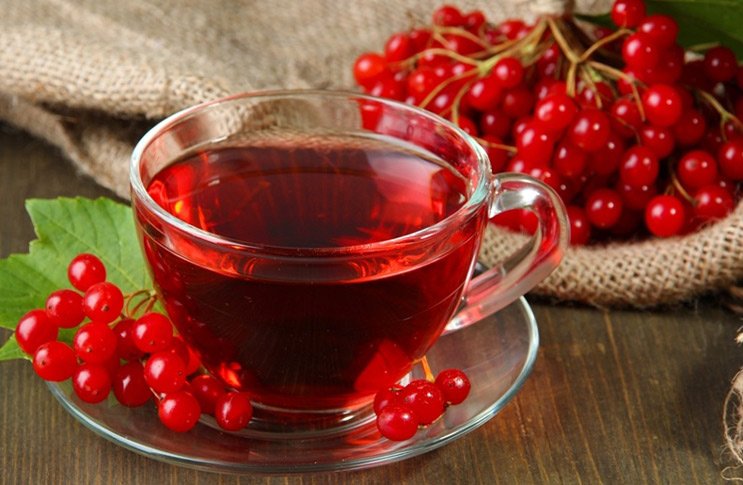
- Viburnum tea
-
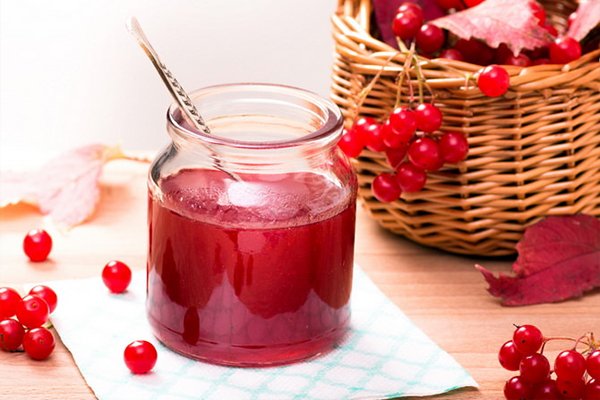
- Freshly squeezed juice
-
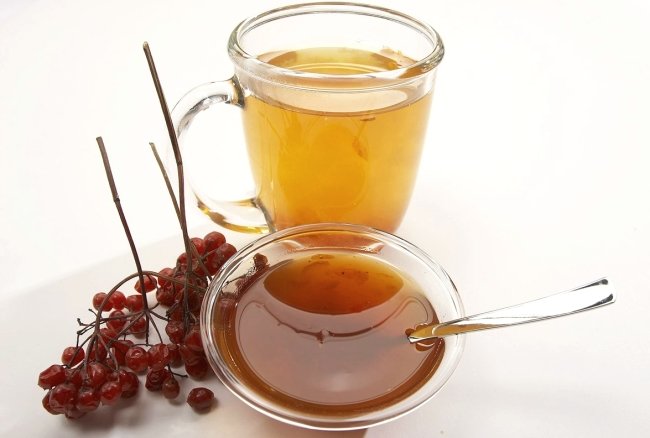
- A decoction of viburnum bark and fruits
For tonsillitis
Place 1 tablespoon of washed berries in a saucepan, add 250 ml of purified drinking water, and bring to a boil. Simmer the infusion for 20–30 minutes, strain through several layers of cheesecloth, and dilute with boiled water to a volume of 250 ml. Take 1 tablespoon after meals to treat sore throats, laryngitis, pharyngitis, and other throat conditions.
A sore throat can be gargled with an infusion of flowers and berries. This gargle should be done no more than three times a day.
For bronchitis and pneumonia
For pneumonia and bronchitis, try treating it with viburnum syrup. Pour 2 tablespoons of berries into 500 ml of water, bring to a boil, and simmer for 20 minutes. Remove from the heat and add 2 tablespoons of honey. Cover with a lid and wrap the syrup container with a towel.
The medicinal syrup can be consumed after 3 hours. The maximum daily dose is 400 ml, divided into 4-5 doses.
For chronic cough
Take 100 g of berries and 400 ml of drinking water. Place the pan with the ingredients on the stove, bring to a boil, reduce the heat, and simmer for another 30 minutes. Strain, add 125 ml of liquid honey, and consume 2 tablespoons 30 minutes after your main meal.
For headaches
To relieve migraines, regularly drink freshly squeezed juice from ripe viburnum berries. To eliminate the acidity and bitterness, you can add honey to taste.
To calm the nervous system
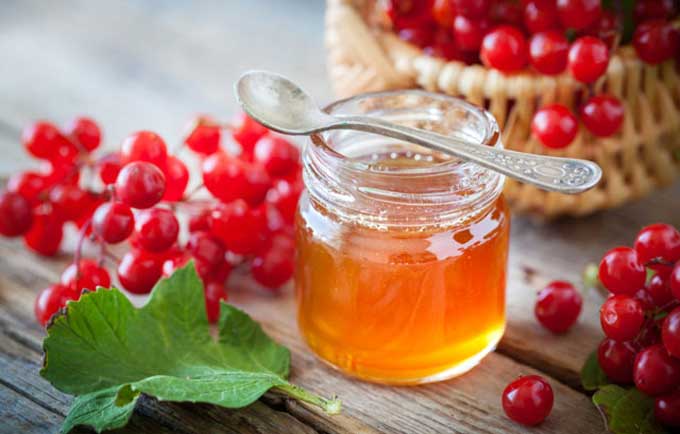
A decoction of viburnum bark can help prevent neurosis, nervous breakdowns, or depression. Pour 250 ml of purified drinking water into a small bowl and place it on the stove. Place a container with 1 tablespoon of crushed bark in a double boiler and simmer for 30 minutes. Cool the infusion and divide it into 4 portions.
For hypertension
Don't joke around with high blood pressure—it's extremely dangerous to your life and health. For hypertension, we recommend the following:
- Wash thoroughly and chop 300 g of ripe red viburnum berries.
- Add 300 g of honey and 0.5 l of cognac.
- Mix all ingredients thoroughly.
- Move the container to a cool, semi-dark place. Let it steep for 4–5 days.
The infused homemade medicinal preparation is consumed 1 teaspoon at breakfast, lunch and dinner.
For liver diseases
Boil ripe, dried, or frozen viburnum berries in a small amount of water. Strain the mixture through a sieve or cheesecloth, add 250 ml of honey, and take 2 tablespoons before morning and evening meals. The course of treatment is 14 days.
For stomach ulcers
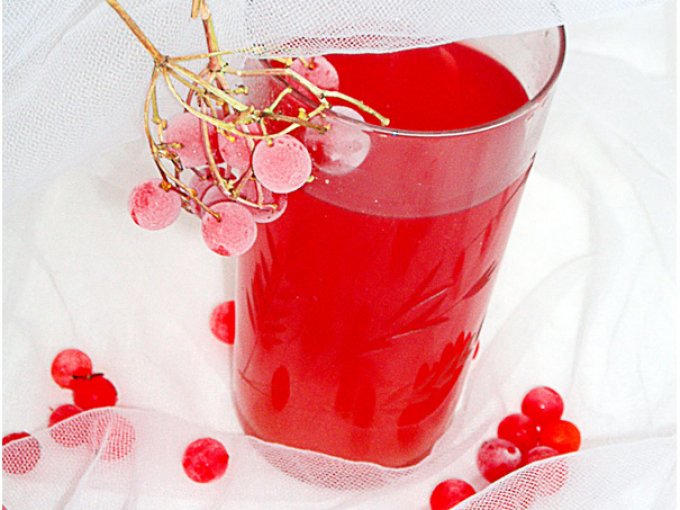
To prepare a medicinal anti-ulcer juice, you'll need 400 g of berries, 300 g of sugar, and 0.5 liters of water. Strain the berries through a sieve, dilute with sugar water, and bring to a boil over low heat.
For gastritis
Add 2 tablespoons of viburnum berries to a glass of boiling water and let steep in a warm, dark place for 4 hours. Divide the amount of "medicines" into 5 doses.
For constipation
Want to get rid of constipation for good? Every 2-3 days, eat about 40 viburnum berries, mashed through a sieve or cheesecloth, with honey.
For diarrhea
Surprisingly, viburnum helps combat not only constipation but also diarrhea. Add a few tablespoons of crushed berries to 0.5 cups of honey. Heat the mixture over low heat, cool, and take 1 tablespoon at regular intervals between doses.
For skin diseases
Eczema, dermatitis, acne, age-related rashes, ringworm, and other skin conditions can be treated with freshly squeezed viburnum juice, infusions, and decoctions, the recipes for which are described above. The remedy is applied to the affected area of skin and should not be washed off or wiped off.
For sweaty feet
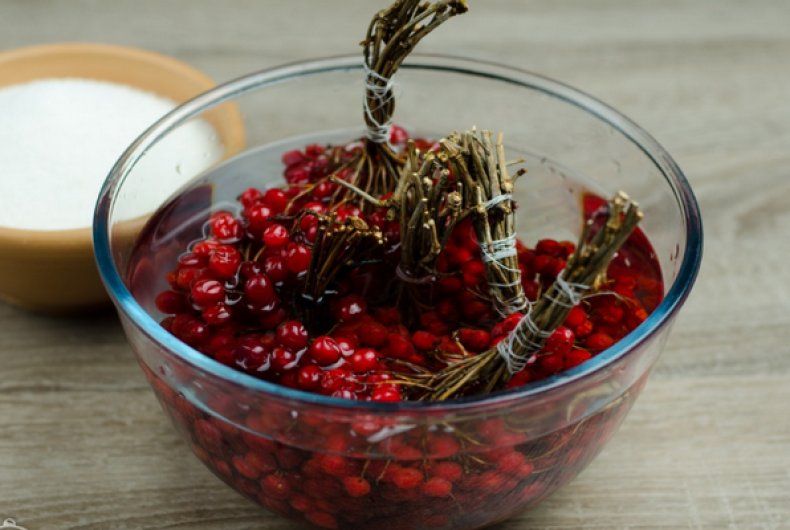
A decoction of crushed viburnum bark can be used to relieve excessive sweating of the feet. Once the decoction has cooled to room temperature, soak a cotton pad in it. Then, wipe your feet with the cotton pad. Repeat this procedure at least 2-3 times a day.
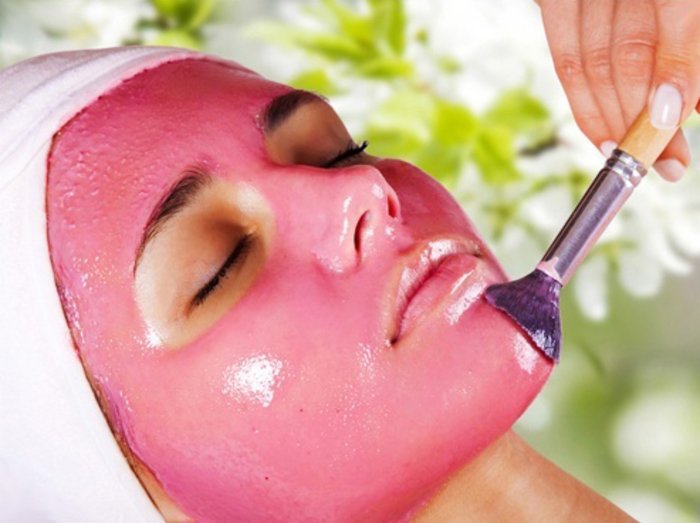
Using viburnum in home cosmetology
Viburnum effectively combats aging and skin aging. For this reason, the plant's berries and flowers are often used to make homemade cosmetics.
This easy-to-make mask will help reduce fine lines and wrinkles: combine 1.5 handfuls of ripe berries, 1 tablespoon of olive oil, 1 teaspoon of liquid honey, and one egg yolk. Blend all ingredients together. Apply the resulting smooth mixture to your face and leave it on for 15–20 minutes. Remove the mask with a damp cotton pad.
To improve skin elasticity and firmness, try a homemade tonic made from viburnum flowers. Pour boiling water over the flowers (200 ml of water per 2 tablespoons of viburnum) and let steep for 2 hours. Use the strained toner in your facial care routine.
Rules for harvesting and storing berries and other plant parts
Viburnum berries are picked from the tree after the first autumn frosts. This is believed to be when they contain the most nutrients. They can be stored fresh or processed. They can be refrigerated for up to one month.
Viburnum berries that are ground with sugar, dried, dried or frozen have a longer shelf life.
The optimal time to harvest the bark is mid-April. However, it's best to wait until the active sap flow phase is over. The flowers are harvested in May-June, dried in the sun, and stored in breathable bags.
Harm and contraindications of viburnum treatment
Viburnum should not be consumed or used by those with individual intolerances or allergies, high stomach acidity, or a tendency toward blood clots. The plant is contraindicated for those with gout, arthritis, and kidney problems.
Expectant mothers should avoid excessive consumption of this product. The red berries, like other parts of the medicinal plant, stimulate uterine contractions. Consequently, the risk of premature birth increases.
Despite the wide range of uses for red viburnum, try not to overuse folk remedies. Any treatment and prevention will only be effective if you take a sensible approach to your health.