
What are the benefits and harms of radish for the human body?
Content
Description of the vegetable and its varieties
Undemanding in terms of growing conditions and low maintenance, radish is widely grown throughout Russia. The root vegetable is resistant to most fungal and bacterial diseases, tolerates drought and frost, and successfully copes with various weather extremes. High yields and a wide range of uses are the main advantages of this vegetable crop.
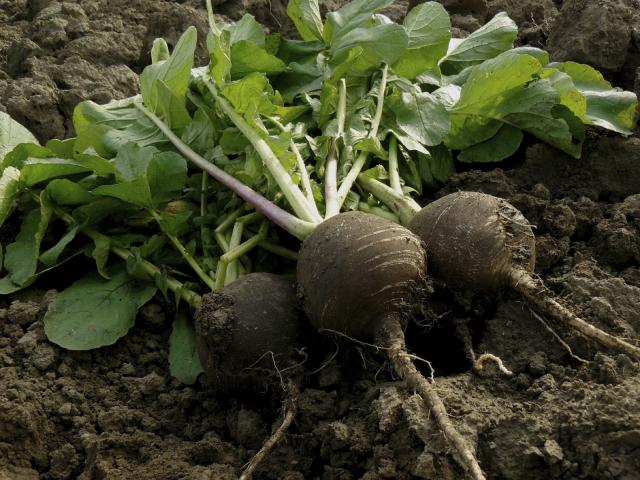
Various types and varieties of root vegetables are grown across Russia, including cold climates. Radish comes in white, black, red, green, and long daikon varieties. Depending on the variety, the root can be round, oval, or oblong. Its marketability and flavor are also determined by its species characteristics. The black variety is considered the spiciest, while the green variety is the juiciest. The white root combines the best qualities of the other subspecies: its juicy white flesh has a pleasant, slightly bitter taste.
Caloric content and unique composition of radish
Radish is a root vegetable with negative calories, so it is often included in the diet when losing weight. Depending on the type, the calorie content of the root vegetable ranges from 20 to 35 kcal per 100 g.
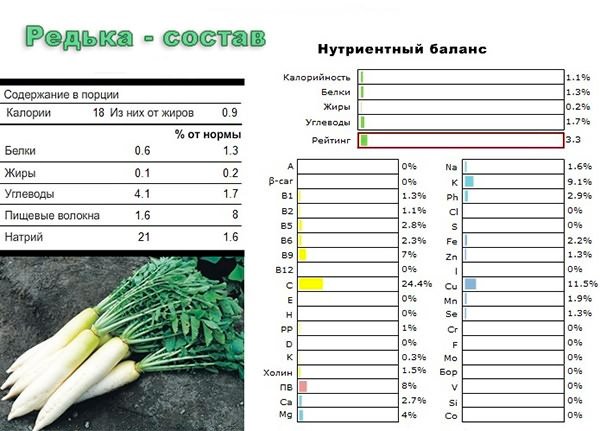
The ratio of proteins, fats, and carbohydrates also depends on the variety of the root vegetable. For example, red radish contains 3.4 g of carbohydrates, 1.2 g of protein, and 0.1 g of fat. Long white radish contains 4.1 g of carbohydrates, 0.6 g of protein, and 0.1 g of fat. Black radishes are more nutritious. The root vegetable contains 2.1 g of fiber, 2 g of protein, 6.7 g of carbohydrates, and 0.2 g of fat. Margilan, or green, radish contains 2.5 g of protein, 2.9 g of carbohydrates, and 0.3 g of fat.
The root vegetable's biochemical composition is unique. What vitamins and minerals does radish contain? The vegetable is rich in vitamins A, C, E, H, PP, B1, B2, B5, B6, and B9. The root's biochemical composition includes the following mineral compounds: phosphorus, magnesium, potassium, sodium, calcium, zinc, iron, sulfur, chlorine, selenium, manganese, copper, and iodine. The product also contains essential oils, fiber, phytoncides, and amino acids.
-
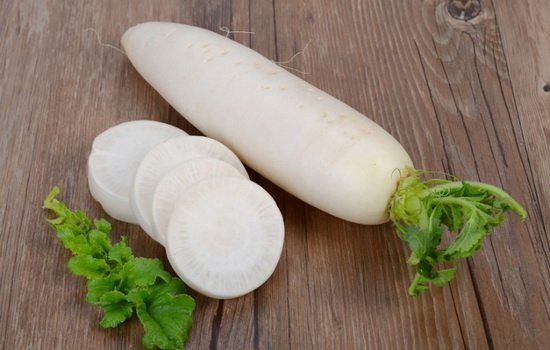
- Daikon
-
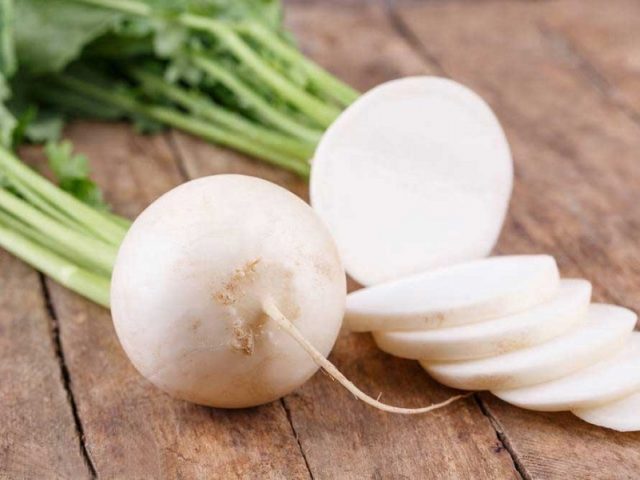
- White root vegetable
-
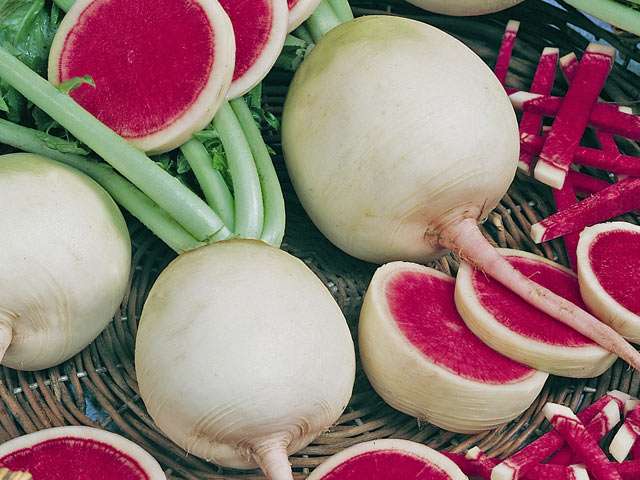
- Red root vegetable
-
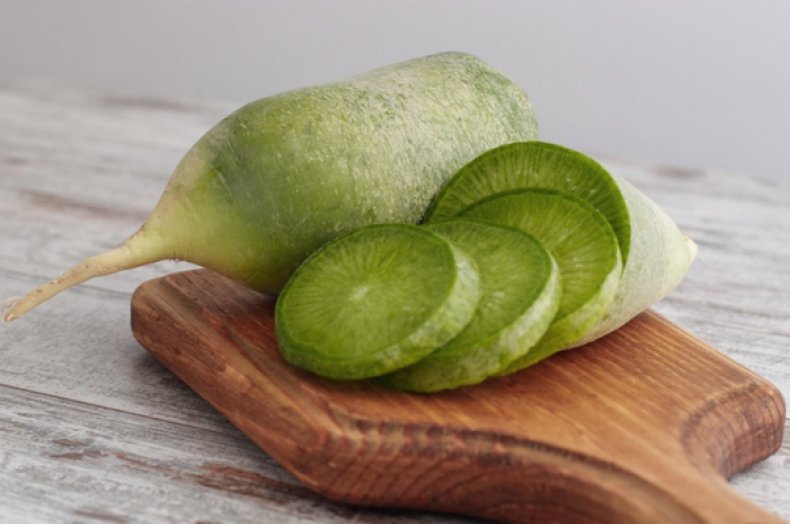
- Green root vegetable
-
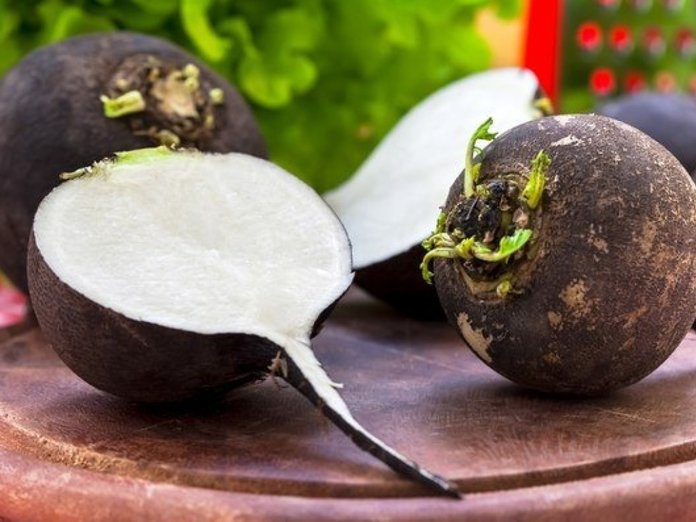
- Black root vegetable
Video: "The Unique Benefits of Radish"
This video discusses the main beneficial, medicinal and nutritional properties of the product.
Useful properties of radish
Radish is beneficial for humans and their health. It has strong antibacterial and anti-inflammatory properties, helping to strengthen the immune system and fight viruses and colds. The root vegetable is included in the diet for gastrointestinal disorders, as it prevents constipation and improves digestive function. Experts recommend eating radish fruits for neuralgia, frequent headaches, and high blood pressure. The root is prescribed for brittle hair and fragile nails.
The product's benefits for reproductive dysfunction in men and women have been scientifically proven.
Features of use
Despite its rich biochemical composition, in some cases, consumption of the root vegetable requires supervision by a nutritionist or attending physician.
When losing weight
Negative-calorie foods are essential for weight loss. Eating vegetables promotes rapid weight loss without putting a strain on the body. However, this diet should be short-term. The therapeutic diet can be repeated after 3-4 months.
For diabetes mellitus
People with diabetes can enjoy some low-calorie foods. Furthermore, it's worth including not only root vegetables but also the greens in their diet. The high concentration of vitamins and minerals improves digestion, lowers cholesterol, and has a positive effect on heart health.
During pregnancy
Is it safe to eat radishes during pregnancy? This question concerns not only expectant mothers but also scientists. Debates on this topic have raged for many years.
It has been scientifically proven that excessive consumption of the root vegetable causes uterine contractions, which can lead to premature labor. For this reason, eating the vegetable during pregnancy is not recommended.
When breastfeeding
Lactation consultants recommend including a variety of fruits and vegetables, including radishes, in a new mother's diet. Through breast milk, the baby receives all the nutrients and beneficial substances found in these foods.
Main areas of application
This negative-calorie product is widely used in cooking and dietetics. After careful study of its biochemical composition, the root vegetable has begun to be used in cosmetology and traditional medicine.
In cooking
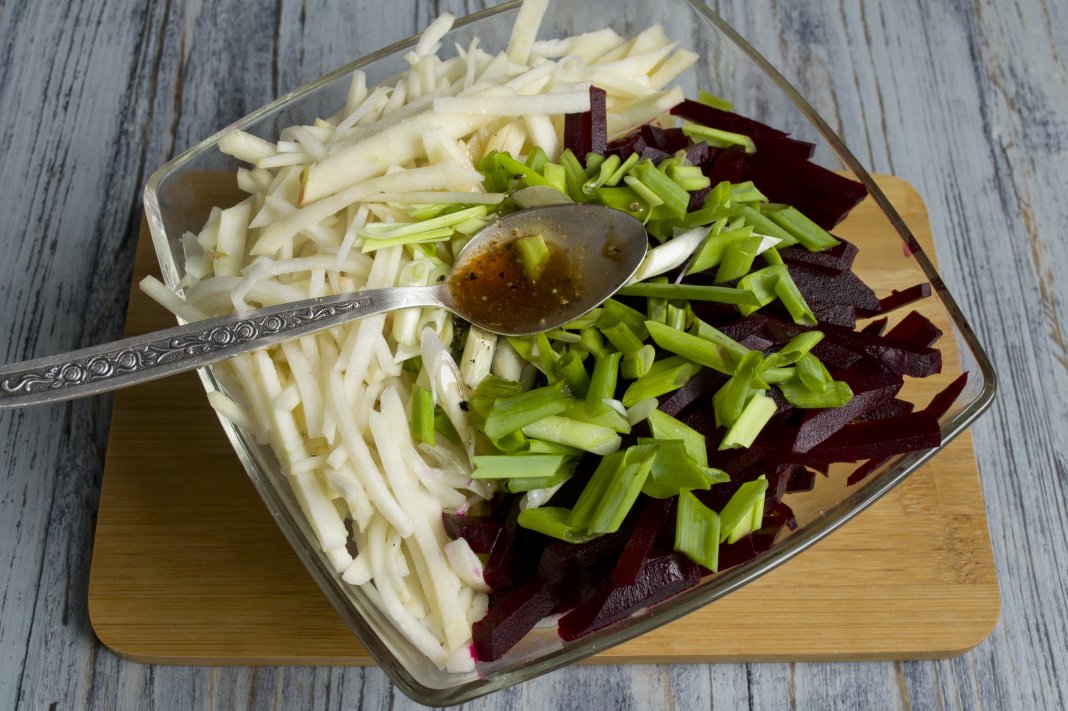
Radish is widely used in cooking to create vitamin-rich, low-calorie salads. Both the roots and tops of the plant have interesting flavors.
The root vegetable can be used as a standalone dish. It can be eaten raw, stewed, or baked. Fans of exotic dishes recommend trying radish puree and spicy baked chips. The vegetable pairs well with salt and sugar, but experimenting with spices is not recommended.
In dietetics
Radish is a nutritionist's assistant. Freshly squeezed juice from this root vegetable is especially valuable. The drink cleanses the body of waste, toxins, and other harmful substances.
A diet will be more effective if you incorporate physical activity into your routine. Your exercise program should be tailored to your overall health and well-being.
In cosmetology
The vegetable is used in cosmetics to strengthen hair follicles. It's also indispensable for combating freckles and age spots. Soak a cotton pad in freshly squeezed juice and thoroughly wipe problem areas.
Mix the grated root vegetable with a few tablespoons of honey. Apply the mixture to your face and décolleté. This mask smooths wrinkles and prevents skin aging.
In folk medicine
The benefits of radish in folk medicine are incomparable. Let's look at some of the most popular recipes:
- Mix equal amounts of chopped horseradish and radish. Rub the mixture into your chest and back. It's best to do this before bed. This treatment helps combat flu, bronchitis, and colds.
- For hypertension, a mixture of radish, horseradish, beetroot, and carrot juices is recommended. The ingredients should be mixed in a ratio of 3:2:1:1.
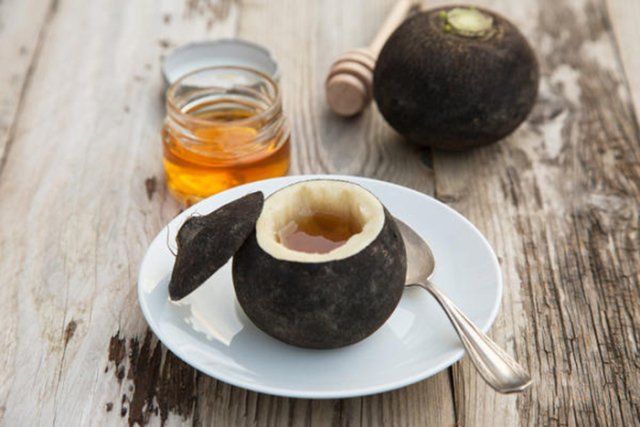
- The benefits of this vegetable for coughs have long been known. Grind one root vegetable, add 200 g of liquid honey, let it steep for 12 hours, strain, and drink throughout the day.
Contraindications and possible harm of the vegetable
Radish isn't as harmless as one might think. The main contraindications for eating this root vegetable include:
- increased acidity of gastric juice;
- stomach and/or intestinal ulcers;
- gastritis and/or colitis;
- chronic inflammatory processes;
- renal failure;
- obstruction of the bile ducts.
People with heart or vascular conditions, as well as those who have recently suffered a heart attack, should limit their consumption of this vegetable. Radish is contraindicated in those with individual intolerances or food allergies.
It's important to remember that any treatment requires monitoring. Excessive radish consumption can not only prevent the development of certain pathologies but also worsen the situation.