
What's the secret of coconut flakes: benefits and potential harm to the body
Content
- 1 Types and varieties of coconut flakes
- 2 Chemical composition and nutritional value
- 3 Video: "Benefits of Coconut, Coconut Milk, Oil, and Coconut Flakes"
- 4 Useful properties of the product
- 5 Features of use
- 6 Application of coconut flakes in various fields
- 7 The harm of coconut flakes and contraindications for use
- 8 Recommendations for product selection and storage
Types and varieties of coconut flakes
Coconut pulp is processed into shreds using industrial equipment. This process varies from factory to factory. Depending on how it's crushed, sifted, and what's left, the final product is divided into grades:
- coarse – this is coarsely ground pulp, too dry and tasteless, and is valued the least;
- medium – a product of average cost, the pulp is well ground, contains a sufficient amount of fat, it leaves a mark on the napkin;
- fine – the most expensive and high-quality type of shavings, the granules are small, crystal white, with a high content of fatty acids.
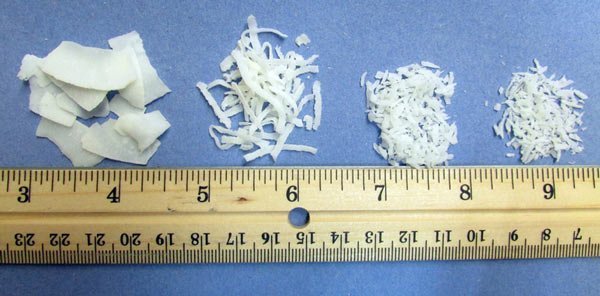
To increase sales, manufacturers often add ingredients to the bags that impart flavor and sweetness to the shavings, which reduces their nutritional value.
Chemical composition and nutritional value
The chemical composition of wood shavings is rich and unique. It contains over 20 amino acids, saturated fats, oils, esters, and abundant dietary fiber. It is a source of vitamins A, E, group B, valuable minerals: magnesium, zinc, iron, potassium, phosphorus and selenium. The dry product contains only 2% water.
Its caloric content is quite high – about 600 kcal/100 g due to fat (up to 67%). 100 g of shavings contain 13 g of protein, 14 g of carbohydrates, and the percentage of proteins, fats, and carbohydrates is 13.7/69.7/16.7.
Video: "Benefits of Coconut, Coconut Milk, Oil, and Coconut Flakes"
This video describes the beneficial properties of coconut and its components.
Useful properties of the product
Eating shavings is beneficial at any age. For women, it has a rejuvenating effect, slowing the aging process and regenerating skin cells. During menopause, including it in your diet can help prevent cancer, normalize hormonal balance, and improve mood.
For men, the product boosts sexual potency and prevents infections and urological diseases. Older men will appreciate the shavings' cholesterol-lowering properties and improved brain function.
Coconut will saturate a growing body with vitamins, boost immunity, strengthen bones and teeth, help cope with mental stress, and prevent parasitic infestations.
Important! Due to the high fat content, this product should not be given to children under 1 year of age.
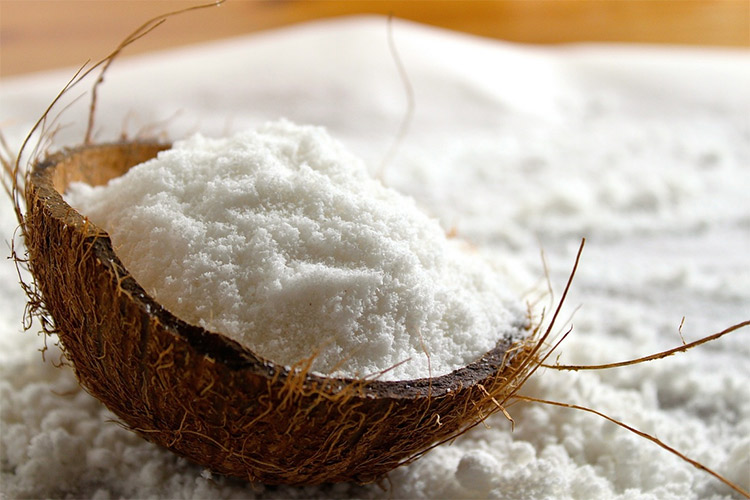
Features of use
Many people enjoy the pleasant taste of coconut granules, but is it always safe for everyone to eat them?
During pregnancy and breastfeeding
Doctors typically recommend that pregnant women avoid exotic fruits and nuts, but this doesn't apply to coconut. If your pregnancy is progressing normally, coconut-based dishes will benefit your body, boosting your metabolism and providing vitamins, fats, and micronutrients. Nursing mothers will also benefit from coconut, but you should start introducing it into your diet in small portions, monitoring your baby's reaction.
When losing weight
All diets aim to cleanse the intestines, and the dietary fiber found in shavings does this exceptionally well. As a result, digestion improves, metabolism is normalized, and excess weight is lost. Many consider shavings too high in calories for dietary use, but there's no need to worry about these fats—they're plant-based, so they're easily and quickly digested.
For diabetes mellitus
Medical opinions on the use of coconut flakes for diabetics are mixed. While the product contains substances that are contraindicated for this condition, its consumption also improves metabolism. Furthermore, coconut does not contain sugars that cause glucose spikes, so its inclusion in the diet will only improve health. The main thing is not to exceed the recommended daily intake. While a healthy person should consume 100-200 grams per day, a diabetic person should reduce this intake by half.
For gastritis and pancreatitis
Coconut is not recommended for pancreatitis due to its high fat content. An inflamed pancreas has difficulty digesting food, which can lead to flare-ups. Pancreatitis is a fairly serious condition, requiring a low-protein and low-fat diet.
Coconut is not contraindicated for gastritis, except during an acute phase. During remission, it will help the intestines flush out toxins and normalize digestion, thereby improving the patient's condition.
Application of coconut flakes in various fields
What is interesting is that coconut pulp is widely used in a wide variety of areas of human activity: medicine, cosmetology, perfumery, and, of course, cooking.
Culinary masterpieces
Coconut flakes are most often used in confectionery. With their delicate texture and pleasant aroma, they are perfect for dusting, decorating desserts, and even as a main ingredient. There are many recipes featuring coconut pulp. Take the famous Raffaello candies and coconut cookies for example.
However, the use of shavings isn't limited to sweet dishes. They're found in appetizers and hot dishes. The crisp flesh adds a distinctive aroma and flavor to vegetable salads, meat, and seafood. Many restaurants use shavings to bake chicken, fry fish, and fry shrimp.
-
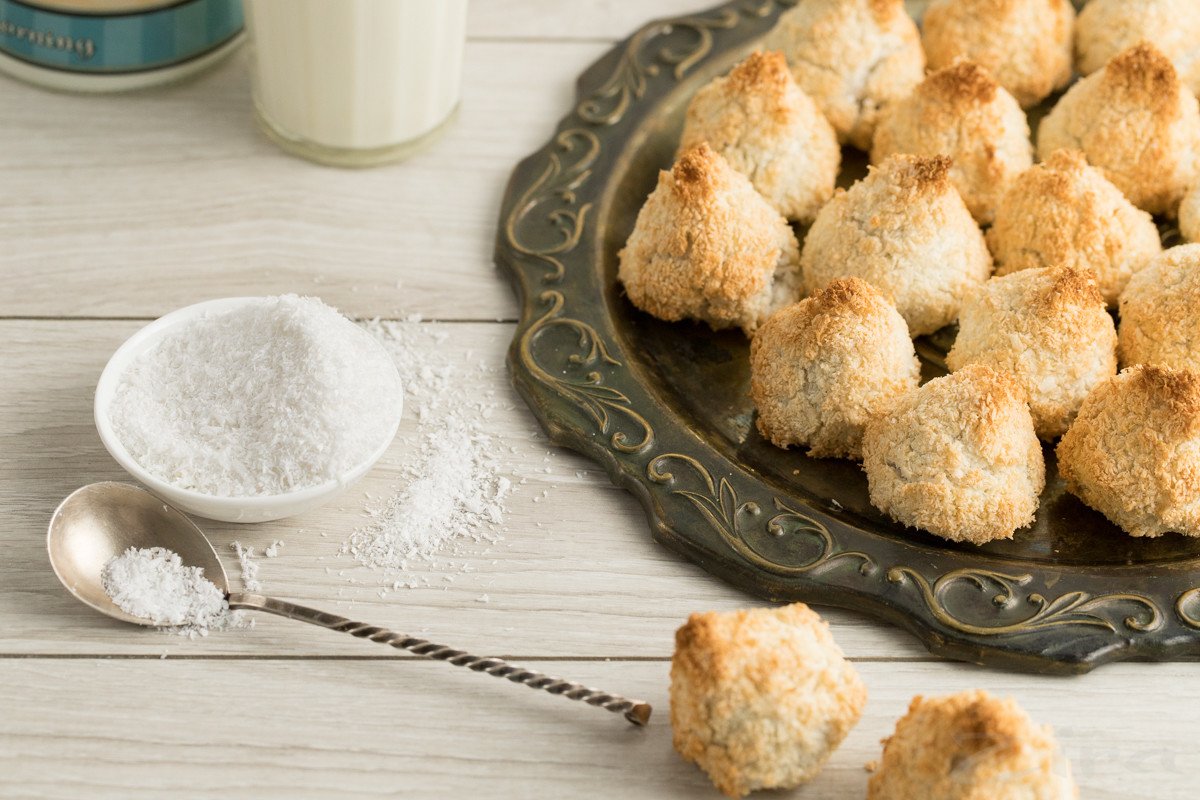
- Coconut cookies
-
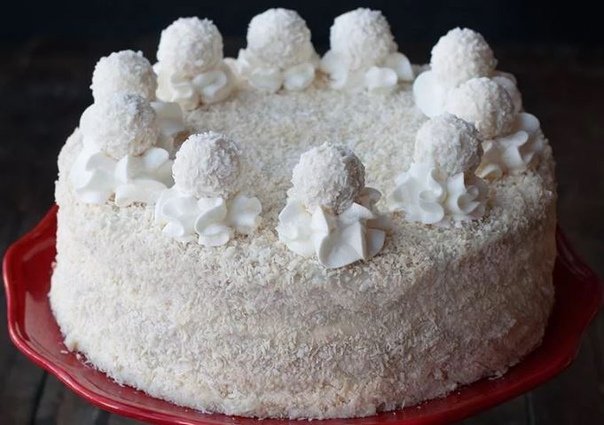
- Baking decor
-
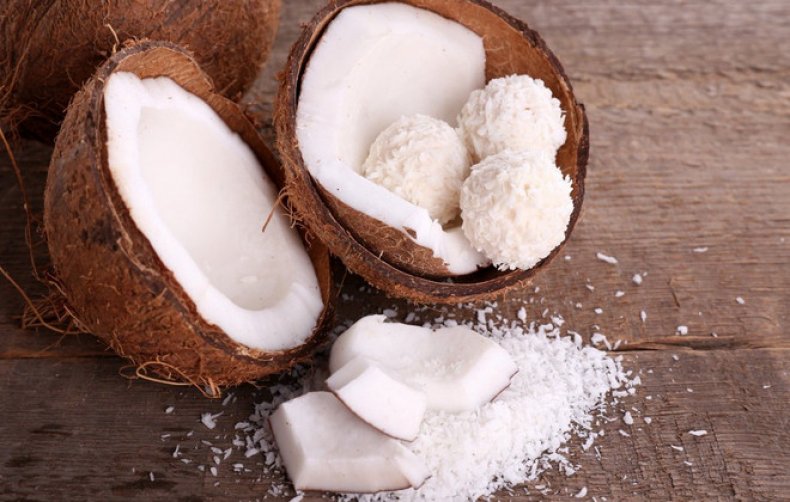
- Raffaello candies
Cosmetics
Coconut is an ingredient in many cleansing products: shampoos, soaps, foams, and shower gels. The fine particles of coconut flakes effectively exfoliate dead skin, moisturizing and nourishing it. In home cosmetology, coconut is used to make masks and scrubs. These products are suitable for all skin types, and their recipes are very simple.
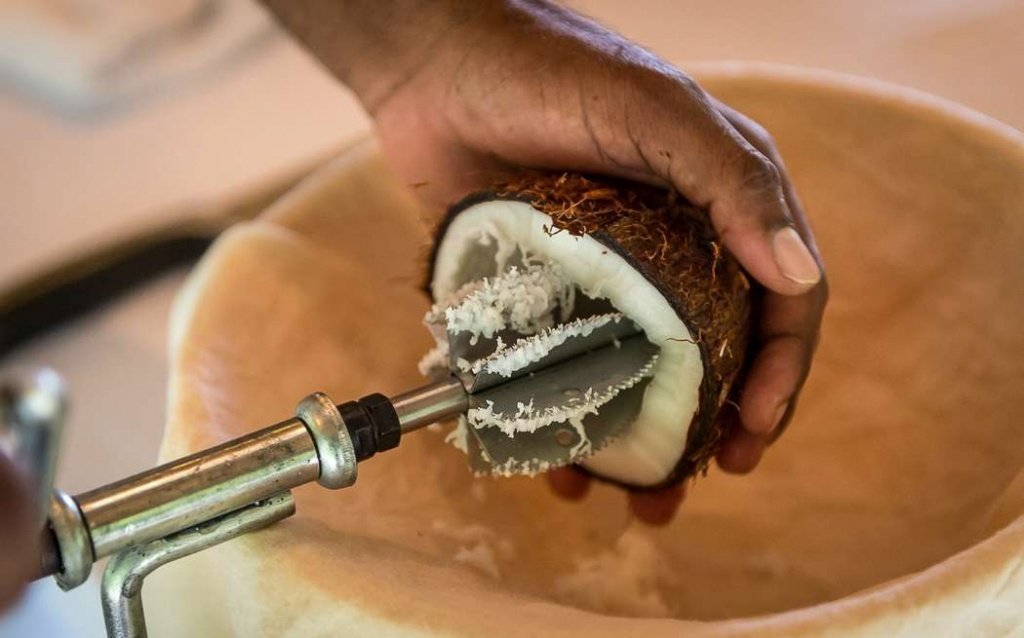
For masks, it's best to use natural coconut shavings, without additives or fragrances. To make them at home, split a peeled coconut, drain the liquid, then scrape out the pulp, grate it, and dry it in the sun or oven.
For the treatment of diseases
Unique properties allow the use of shavings in therapy:
- cardiovascular diseases – organic acids present in the granules reduce cholesterol levels;
- bacterial infections and viruses - having an antimicrobial effect, it accelerates recovery.
- helminthic infestations - to combat parasites, children should eat a teaspoon on an empty stomach and adults a tablespoon;
- oncology – being a natural antioxidant, coconut suppresses cancer cells.
Coconut flakes for seedlings
The benefits of coconut coir for plants have long been appreciated by gardeners and homesteaders. They add it to the substrate for seedlings and houseplants, or simply sprinkle it into the holes when planting. Possessing antibacterial properties, coconut coir granules protect roots from infection, loosen the soil, prevent overheating, and accelerate plant growth.
The advantage of wood shavings is that they are environmentally friendly and can be used for 3-5 years.
The harm of coconut flakes and contraindications for use
Coconut is one of the safest foods. The only contraindication to its consumption is an allergy. Also, due to its fat content, it can be harmful to those with pancreatic diseases. Everyone else can consume coconut flakes in moderation without concern for their health.
Recommendations for product selection and storage
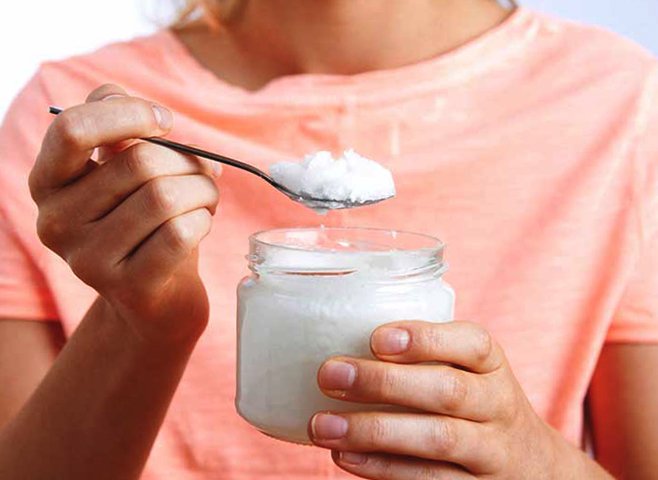
When choosing coconut flakes, look for small white granules, labeled "fine" or "medium." This product is made from fresh coconut and retains all its beneficial nutrients. Once opened, transfer the coconut flakes to an airtight container and store in a dry place away from spices. The product typically has a shelf life of 12 months, but if opened, it's best to use it within a month.
Many people love coconut flakes. It's a nutritious and healthy product with a variety of uses. Adding it to your dishes will significantly diversify your diet and improve your health and appearance.