
What are the benefits and harms of cabbage for women, men, and children?
Content
Nutritional value and chemical composition of vegetables
White cabbage's immense popularity stems from its unique set of properties. This vegetable boasts a rich nutritional profile, a pleasant taste, and is low in calories. Per 100 grams of product, it contains:
- 4.7 g carbohydrates;
- 2.0 g fiber;
- 1.8 g proteins;
- 0.3 g organic acids;
- 0.2 g fat.
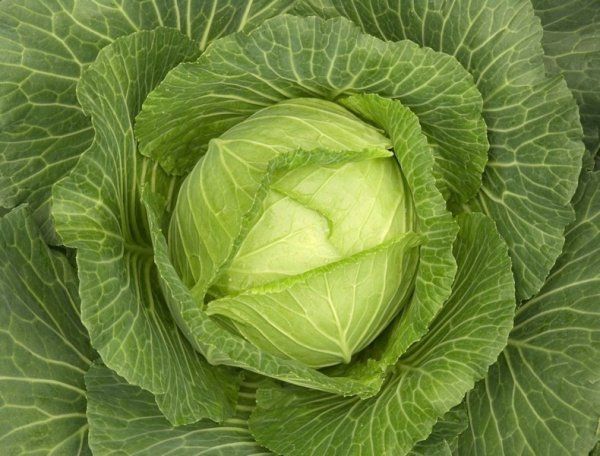
The rest is just water, quickly eliminated from the body. As a result, the calorie content of 100 grams of the product is only 27 kilocalories.
The chemical composition of white cabbage contains:
- almost a complete set of B vitamins;
- ascorbic acid;
- carotene;
- niacin;
- biotin;
- tocopherol;
- phylloquinone.
In terms of antioxidant content, this vegetable leaves even citrus fruits behind. Eating 200 grams of cabbage salad (or 100 grams of sauerkraut) for breakfast is enough to provide yourself with the "vitamin of youth" for the entire day.
Video: "The Benefits and Harms of Cabbage"
In this video, experts will explain the benefits and harms of cabbage.
Benefits of white cabbage
The product cannot be classified as a medicine, but with regular use, illnesses pass more quickly:
- cardiovascular system;
- digestive tract;
- skeletal system;
- metabolic disorders;
- caused by infection.
White cabbage is recommended for atherosclerosis and coronary heart disease, gout, and kidney problems. It does not cause complications in gastritis or gallbladder disease.
The main disadvantage of the vegetable is excessive gas formation, which both children and adults must take into account.
Let's consider how the product is useful for different categories of people.
For men
The product's zinc and folic acid content come to the forefront. If consumed regularly with food:
- a high level of potency is maintained;
- improves sperm quality;
- reduces the risk of prostate cancer;
- the risk of adenoma development is reduced.
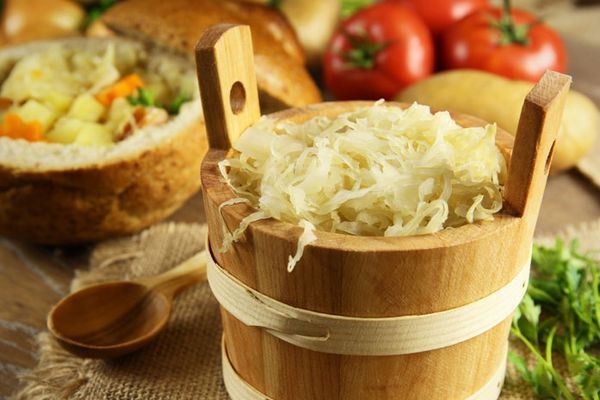
Sauerkraut brine helps alleviate hangovers after heavy drinking (it reduces intoxication and relieves headaches and muscle pain). Even athletes are recommended to drink cabbage salads after a workout to reduce muscle fatigue.
For women
The "vitamin of youth" is beneficial at any age for maintaining health and attractiveness. Any chemical component contained in the vegetable contributes to this, for example, vitamin B9 (folic acid):
- regulates the processes of puberty in adolescents;
- prevents the formation of wrinkles in adults;
- reduces negative factors during body restructuring in older people.
Cabbage can help with headaches—just apply a leaf to your temples or rub in some cabbage juice. It also helps prevent anemia and thrombosis in cases of intestinal problems.
During pregnancy
During pregnancy, the body undergoes changes, and both the expectant mother and her baby need proper nutrition. Vitamins, especially folic acid, are essential. Under its influence:
- proteins necessary for the formation of fetal cells are synthesized
- both organisms are provided with the required amount of oxygen;
- The viscosity of the lymph decreases, which prevents swelling.
Nursing mothers are also advised to consume white cabbage, which reduces the risk of complications:
- stagnation in milk production;
- mastitis.
For this purpose, compresses of cabbage leaves are applied to the chest.
For children
Pediatricians recommend introducing cabbage into children's diets starting at age 2 (not earlier, as the developing stomach is not yet able to handle gas). Growing children benefit from:
- thiamine, which improves blood circulation and digestion;
- riboflabin, which promotes metabolism;
- phosphorus and calcium, necessary for the growth and hardening of bone tissue;
- iodine, which is required for the thyroid gland to function.
For the elderly
Older adults are advised to include cabbage in their diet as it's a low-calorie food with a high amount of indigestible fiber, which is especially valuable for those with obesity and diabetes. With age, potassium and calcium levels in the body decrease, and cabbage is an excellent source of these nutrients.
Cabbage removes cholesterol from the body, which reduces the formation of atherosclerotic plaques, improves appetite, normalizes bowel function, and increases metabolism.
However, it's important to remember that increased gas production can be dangerous, especially for those with gastrointestinal problems. Excess salt and lactic acid in sauerkraut can be harmful for older people suffering from hypertension, edema, and obesity, so it's recommended to squeeze and rinse the product before consumption.
The use of vegetables in dietetics and for weight loss
The vegetable's low calorie content was mentioned earlier. This allows it to be included in diets ranging from therapeutic to weight-loss recipes.
In addition to being low in calories, cabbage is beneficial because it contains:
- vitamins U and PP, which improve digestion and prevent and heal ulcers of the intestinal mucosa;
- choline, which improves fat metabolism;
- fiber that cleanses the stomach and normalizes bowel movements.
White cabbage for beauty
Cosmetologists have also praised the product. The vitamins it contains improve skin tone, removing age spots and toning and firming the skin. The complexion becomes healthier, and the condition of the hair improves.
Let us list several recipes used in cosmetology.
Face mask
The compositions vary for different skin types.
- For dry skin: Fill a glass with crushed leaves, add half a glass of milk, and bring to a boil (simmer until the leaves are soft). Let cool, then blend. Apply to problem areas, rinsing with water after 15 minutes.
- For aging skin. Place two crushed leaves in a glass, add honey (1 teaspoon), yeast (1/4 teaspoon), and apple juice (1/4 cup). Apply to skin, then remove with a cotton swab after 20 minutes.
- For flaky skin, add a raw egg and a tablespoon of sunflower oil to the mixture. Leave it on your face for 20 minutes.
- For pigment spots. Grind only the leaves, without adding anything else. Apply olive oil to the affected areas, then apply the cabbage mixture blended in a blender. Apply and leave on for 15 minutes, then rinse with warm water.

Hair lotion
You can make lotions, balms, masks, and simple anti-dandruff rinses. Here are a few recipes.
- Lotion. Mix equal parts cabbage, lemon, and spinach juice. Rub into hair for a week.
- Balm. Chop 50g each of cabbage, nettle, and burdock. Place in a small saucepan, add 400ml of milk, and simmer until the herbs soften. Let cool, strain, and add 20g of lemon juice. Rub into the skin, rinsing off after 30 minutes.
- Mask. Mix two doses of cabbage juice with one dose of onion oil and one dose of camphor oil. Rub into hair and scalp, then cover with a warm towel. Wash after an hour. Repeat twice a week for two months.
- Rinse. Mix 100 g each of crushed and dried nettle and burdock leaves. Pour boiling water over the mixture and let it steep for half a day. Add 50 g of sauerkraut juice.
For hand care
Overly dry skin develops microcracks over time. To combat them, use one of the following recipes.
- Soak your palms in warm sauerkraut juice for 10 minutes. Then, dry them and apply a nourishing cream.
- Apply brine to your hands for 15 minutes. Rinse and apply a moisturizer.
- Add sunflower oil (equal amounts) to a mixture of cabbage, cucumber, zucchini, and onion juices. Rub into palms morning and evening.
Medicinal properties of white cabbage
Even for a healthy person, this vegetable is useful, as it strengthens the immune system.
But "belokachanka" also helps cope with common human ailments. We'll tell you how to use it.
For gastritis, stomach and intestinal ulcers
Cabbage's ability to heal wounds and ulcers of the stomach lining is due to the presence of the amino acid methionine (vitamin U). To prepare a medicinal drink, select several clean, outer cabbage leaves. Grind them, collecting the juice in a bowl, then add the squeezed juice through cheesecloth.
Drink ¾ glass 40 minutes before meals.
When you have gastritis, it's better to eat stewed cabbage rather than raw or fermented cabbage. This preserves all the beneficial ingredients, reduces the strain on the stomach, and improves digestion.
For pancreatitis
Cabbage dishes should not be consumed during the acute phase of the disease, as fiber and essential oils negatively affect inflammatory processes in the pancreas, increasing unpleasant symptoms.
When the doctor's prescribed treatment is effective, cabbage is added to the therapeutic diet in the form of:
- vegetable soups;
- boiled or stewed dishes, such as cabbage rolls, cutlets or ragout.
If health stabilizes, fresh or fermented products are added to the menu.
Important: When eating cabbage dishes, pay attention to how you feel. If you feel even the slightest discomfort, remove the vegetable from your diet.
For bruises, contusions and abrasions
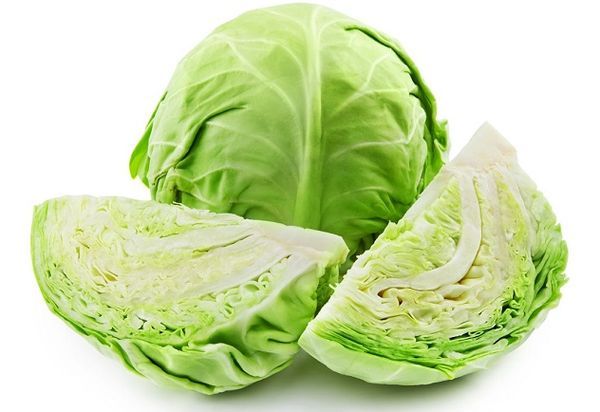
To heal various wounds, it is recommended to apply to the affected area:
- whole leaf compress;
- a poultice in the form of a cloth soaked in squeezed juice.
The pain quickly decreases and damaged tissues are restored.
For burns
The treatment is similar to that for bruises and abrasions (compress or poultice). It's best to take the leaf from a fresh head of cabbage, rinsed with water.
For parasites
It helps fight giardia and other parasites that infest the body. Drink 50 grams of cabbage brine half an hour before each meal. Results will improve after a couple of weeks, and within a month, the helminths will be completely gone.
For gout
A compress or lotion can help relieve pain associated with arthritis and gout. Eat only stewed or steamed. You can add carrots, onions, and lean meat to the dish. However, do not fry in oil.
For edema
They form as a result of excess fluid accumulation in the tissues. Squeezed cabbage juice (a quarter cup) should be taken half an hour before meals.
For mastopathy
The disease is accompanied by swelling and inflammation. Cabbage contains so-called indoles, which limit the effect of the female hormone estrogen on the mammary glands.
You'll need a cabbage leaf compress with honey added. Here's the recipe:
- cut a fresh leaf from the head of cabbage;
- boil for a minute in boiling water, take out and squeeze to release juice;
- Honey is heated in steam.
Place honey on the leaf and press it against your chest. Kefir can be used instead of honey.
Against cough
For treatment, the same compress is used as for mastopathy (with honey).
For joints
A crushed fresh leaf (with its juice released) is applied to the affected area. The compress is changed after an hour. This procedure can be repeated throughout the day.
-
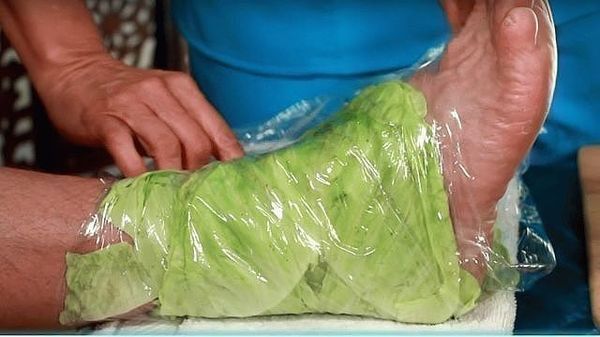
- Cabbage leaf compress
-
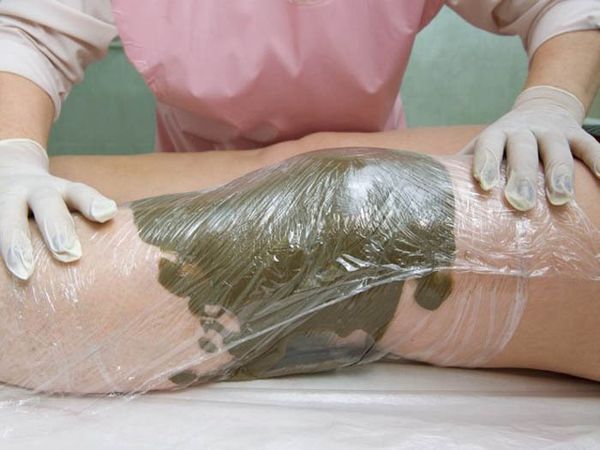
- A compress made from a crushed cabbage leaf
-
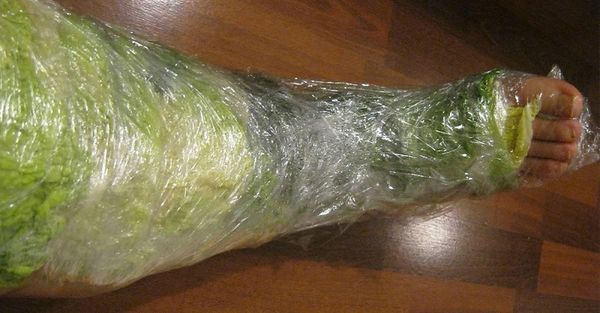
- Cabbage is used to treat joints
Possible harm and contraindications
As mentioned, cabbage in large quantities can cause increased flatulence, leading to bloating. This is unpleasant for everyone at any age. Furthermore, there are a number of contraindications.
The product may cause harm if:
- pancreatic diseases;
- colitis, enteritis;
- high acidity;
- history of liver disease;
- frequent stomach upsets.
People with hypertension are not recommended to eat sauerkraut because it contains a lot of salt.
Important: Many people, especially children, enjoy crunching on cabbage stalks. Avoid this, as they accumulate most of the nitrates and other garden chemicals during the growing process.
There are hundreds of other culinary recipes that allow you to eat this product all year round, preparing different dishes without ever repeating yourself.