
Encyclopedia of Alternative Medicine: The Benefits and Harms of Figs
Content
- 1 Caloric content and chemical composition of fresh and dried fruits
- 2 Video: "The Benefits and Potential Harms of Figs"
- 3 Useful and medicinal properties of figs
- 4 Harm and contraindications for use
- 5 Various areas of application
- 5.1 Use in cosmetology
- 5.2 Delicious homemade recipes
- 5.3 Traditional medicine recipes
- 5.3.1 To strengthen the heart and blood vessels
- 5.3.2 For the treatment of tonsillitis, stomatitis and other throat diseases
- 5.3.3 Cough medicine
- 5.3.4 Diaphoretic and antipyretic for colds
- 5.3.5 To eliminate problems of the renal and urinary systems
- 5.3.6 As a laxative
- 5.3.7 For skin lesions
- 5.3.8 For baldness
- 6 Rules for selecting, drying and storing figs
Caloric content and chemical composition of fresh and dried fruits
Few people have encountered fresh wine berries at markets and stores: they don't have a long shelf life, and transporting them over long distances is troublesome and unprofitable (although figs are also cultivated in the Russian Federation, along the Black Sea coast in the southern regions). But with figs, this isn't a problem—dried and canned berries retain all their beneficial nutrients.

The only thing that should be taken into account is that the percentage of sugars in dried fruits is about 37% instead of 24%.
The chemical composition of the fig is rich in beneficial substances, including vitamins, pectin, and organic acids. Figs are rich in vitamins A, C, E, K, thiamine, riboflavin, pyridoxine, niacin, and folate. They also contain a significant amount of pantothenic acid. Figs also contain vital minerals: sodium, calcium, potassium, magnesium, and iron.
But that's not all. Figs are rich in tannins, glucose, fructose, fiber, antioxidants, rutin, beta-carotene, and fucin.
The caloric content of the product is 74 kcal per 100 g. Carbohydrates - about 19 g, fiber - 3 g, and very little protein and fat - 0.75 g and 0.30 g, respectively.
Video: "The Benefits and Potential Harms of Figs"
This video tells about the peculiarities of using this exotic fruit.
Useful and medicinal properties of figs
Eating the fruit improves blood vessel health, stimulates the heart and gastrointestinal tract, prevents respiratory problems and tumors, helps normalize blood pressure and sugar levels, and has a beneficial effect on mental health.
For the male body
Figs have been used for hundreds of years to enhance male potency. In the East, they were consumed to improve potency, along with milk and saffron. Dried figs were a must-have for soldiers before long campaigns. Figs promote healthy cardiovascular function and reduce the risk of hypertension. Erectile dysfunction is often caused by vascular problems. Therefore, figs not only prevent early heart attacks and strokes in men but also reduce the risk of impotence.
For women's health
By replenishing mineral deficiencies in the body, regular consumption of this fruit reduces swelling and cramps in the extremities, preventing the development of varicose veins. The presence of fiber and antioxidants promotes weight regulation and detoxification. These beneficial substances also promote skin regeneration.

Can children use it?
If your child isn't prone to allergies, figs are extremely beneficial for normalizing digestion and improving appetite. Fatty acids stimulate normal development, strengthen the immune system, and support mental stability and blood formation.
Useful during pregnancy and lactation
Pregnant and breastfeeding women should consult their physician before using any product. In the absence of individual contraindications, fig consumption is permitted in moderation. The vitamin and mineral complex will replenish any nutritional deficiencies in the mother's body that will nourish the fetus. Iron and folic acid prevent anemia and ensure normal fetal development. Fiber alleviates constipation and intestinal problems common in pregnant women.
Figs are also beneficial for nursing mothers, as they promote milk production. However, figs should be consumed with caution and in small doses, otherwise they can cause colic and bloating in the baby.
Women suffering from excess weight are advised to eat fresh berries.

Harm and contraindications for use
The individuality of the human body is further demonstrated by the fact that what's beneficial for one person can be toxic for another. Even foods with a unique chemical composition and a wide variety of beneficial substances can sometimes negatively impact human health. Figs contain a small amount of essential oils. However, allergy sufferers should consume figs very carefully, sparingly and in small amounts. Experts also recommend avoiding figs for those suffering from pancreatitis, diabetes, gastrointestinal inflammation, gastritis, and ulcers.
Various areas of application
Figs are unique in both their chemical composition and their uses. They offer benefits not only as a food product but also as a cosmetic and medicinal product.
Use in cosmetology
Fig possesses unique regenerative properties. Combined with its moisturizing and softening properties, it is excellent for the following cosmetic purposes: hydrating the skin, eliminating dryness and flaking, rejuvenating, and slowing the aging process.
Delicious homemade recipes
Figs are a food that can enhance any dish. They can be used to make healthy, natural candies. Simply dip the figs in chocolate and sprinkle them with grated nuts. Figs make a delicious snack quickly, served with various types of soft, unsalted cheese. You can make a baked dessert by making a nut-and-honey filling for the berries, or blend fresh figs with yogurt or cream. You can also make compote, jam, pastilles, and even a savory sauce for poultry. A wonderful, healthy drink can be made from figs and prunes. To make it, soak the berries for an hour, simmer them in boiling water for a few minutes, and then let them cool.
In Asia, the berry is used to make a wonderful light and sweet wine.
-
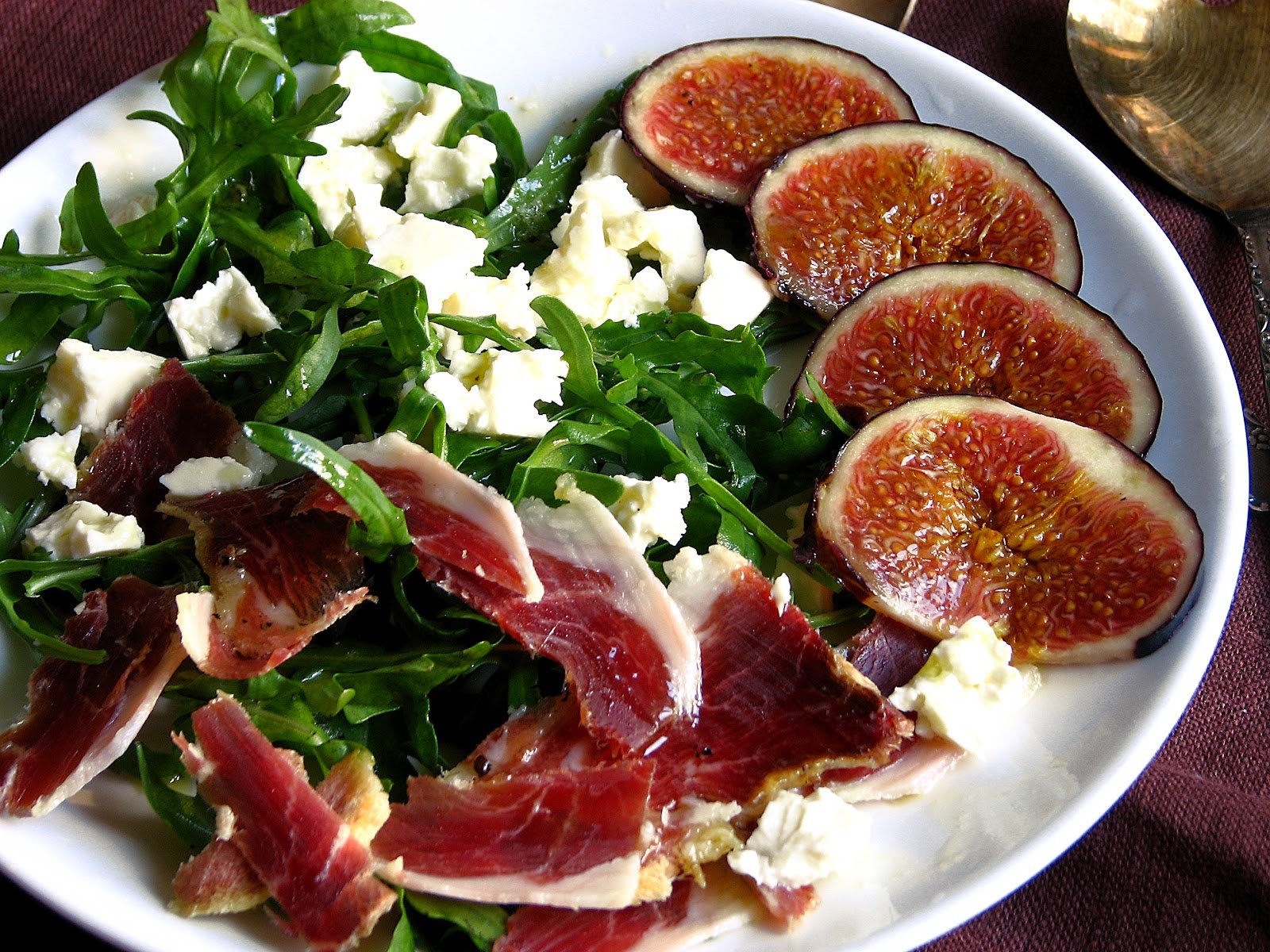
- Ham, Fig, and Goat Cheese Salad
-

- Fig pastries
-
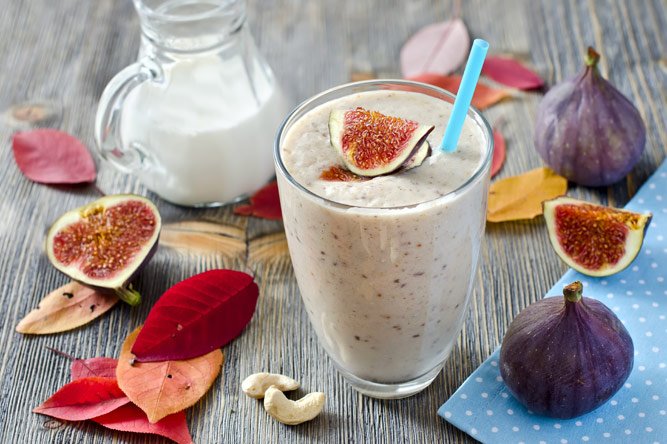
- Smoothie
Traditional medicine recipes
Figs are not only beneficial but also delicious in folk remedies. Below we present the most popular ones.
To strengthen the heart and blood vessels
Fig, prune, and almond salad. Blend 150g of figs, 75g of prunes, and a tablespoon of almonds, then mix with 100ml of acidophilus milk, orange zest, and a little sweetener.
For the treatment of tonsillitis, stomatitis and other throat diseases
Prepare a simple fig tea. Use 1 tablespoon of chopped figs per liter of water. Chop the dried figs, pour boiling water over them, and simmer for 10 minutes. Take the tea three times a day.
Cough medicine
For every 200 ml of milk, you'll need 4 dried figs. Place the figs in boiling milk, simmer for a few minutes, and let steep for another 20 minutes. Drink this warm infusion 4 times a day.

Diaphoretic and antipyretic for colds
The tincture can be prepared with water or milk. For every 200 ml of liquid, add 2 tablespoons of chopped figs. Pour the boiling liquid over the figs and let them steep for several hours.
To eliminate problems of the renal and urinary systems
For every 100 ml of water, you'll need one dried fig. Pour boiling water over the berries, simmer for 5 minutes, and then puree.
As a laxative
Fig, raisin, nutmeg, and ginger balls can be prepared in advance. For 200 g of raisins and figs, add 1 teaspoon of ginger and nutmeg. Chop everything, mix, and roll into balls.
For skin lesions
Fig puree is excellent for healing wounds, boils, and burns. To make it, soak the figs in water or boil them in milk, then blend them until smooth.
For baldness
For every 500 ml of water, you'll need 2 tablespoons of figs. Chop the figs, simmer for half an hour, and then mash. Take this infusion before meals, 100 ml at a time.
Rules for selecting, drying and storing figs
Fresh berries begin to ferment within 5-6 hours. Therefore, it's important to choose figs wisely: with intact skins, a rich color, and uniform size. Brown and beige are acceptable colors for dried berries; the fruits should be matte, slightly flattened, sweet, and may have a light white coating.

You can dry the berries yourself. To do this, rinse the figs thoroughly, pat them dry with a towel, lay them out on a wire rack, cover with cheesecloth, and dry in the sun for several days. You can also dry the berries in the oven or in an electric dehydrator.
Exotic fruits and berries are often rich in nutrients. But before consuming them, keep in mind that our bodies are not genetically predisposed to them. Remember, everything is good in moderation, and consult a doctor at the slightest discomfort.