
The beneficial properties of celery root and contraindications for its use
Content
Chemical composition and nutritional value of vegetables
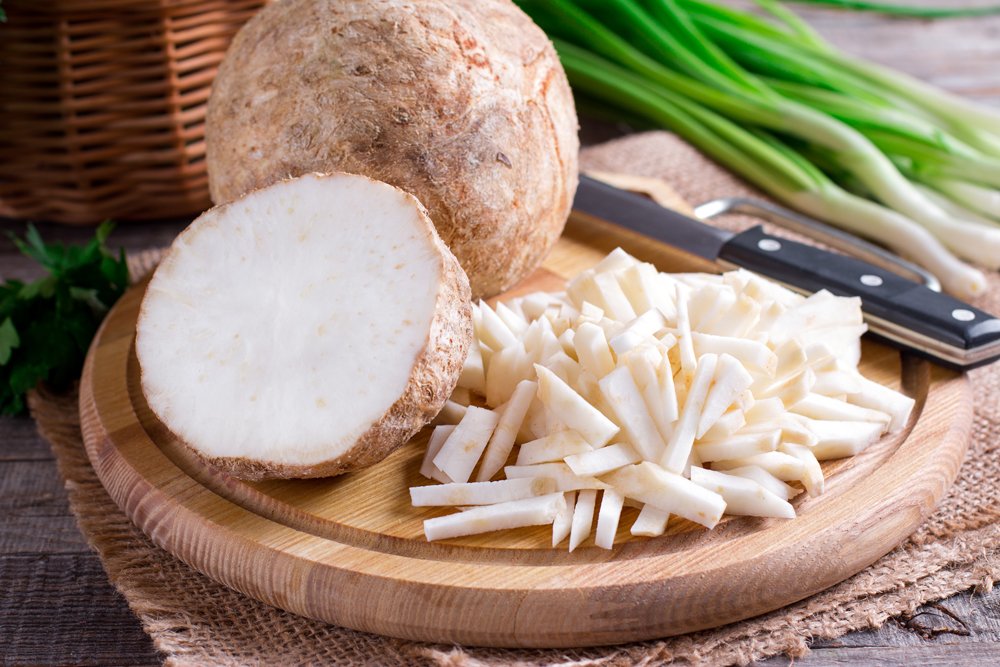
Celery root is renowned for its rich biochemical composition. It contains vitamins A, C, E, K, PP, B1, B2, B5, B6, and B9. Eating this root provides the body with beneficial micro- and macronutrients. It contains potassium, magnesium, sodium, phosphorus, calcium, copper, manganese, iron, selenium, fluorine, and zinc. Its essential oils provide a lasting, spicy aroma.

The nutritional value of celery root is only 32 kcal per 100 g of product. The fat content is negligible – no more than 0.3 g. Per 100 g of the edible portion of the root, there are 87.7 g of water, 6.5 g of carbohydrates, 1.3 g of protein, 3.1 g of dietary fiber, 0.1 g of organic acids, and 1 g each of starch and ash.
Video: "The Health Benefits of Celery"
This video presents several useful recipes for using the root vegetable.
Useful and medicinal properties of the root
Celery has anti-allergic, anti-inflammatory, antiseptic, tonic and laxative effects on the human body. Consuming this root vegetable improves appetite and normalizes digestive function. It also improves skin elasticity, vision, and the condition of hair and nails. Regular consumption of this vegetable can also prevent the development of cancer.
For women
Celery helps relieve menstrual cramps and promotes cycle normalization. Regular, moderate consumption of this vegetable has a beneficial effect on reproductive function.
Women report reduced mood swings, increased stress resistance, and restful sleep. Topical application of the root effectively improves skin firmness and elasticity.
For men
Celery root contains androsterone, which helps increase potency. This male hormone enhances the development of secondary sexual characteristics. Furthermore, the root is used to prevent and treat prostatitis, urinary tract infections, and kidney and liver diseases.
Uses of celery root
Celery is irreplaceable not only in cooking and dietetics, but also in modern alternative medicine and cosmetology.
Cooking
Celery root can be eaten fresh. A mixed salad with apple and carrot is a source of beneficial vitamins and minerals. Freshly squeezed celery juice, mixed with orange, apple, carrot, or cucumber juice, is equally beneficial.
The fragrant, aromatic root is added to winter preserves. Boiled celery is used to make a nutritious creamy soup. It can be fried, stewed, or baked. It pairs perfectly with meat and fish dishes.
-
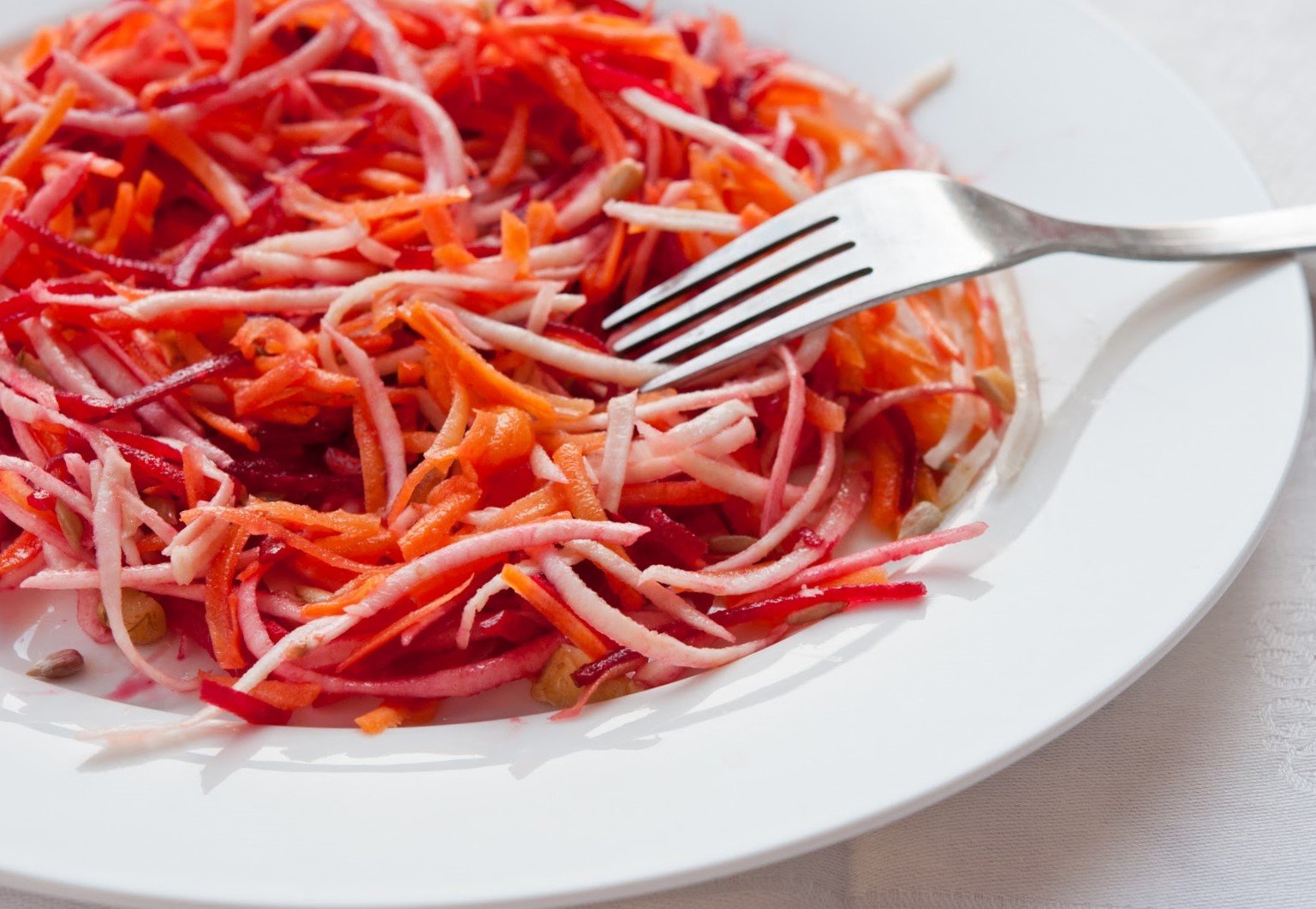
- Vitamin salad
-
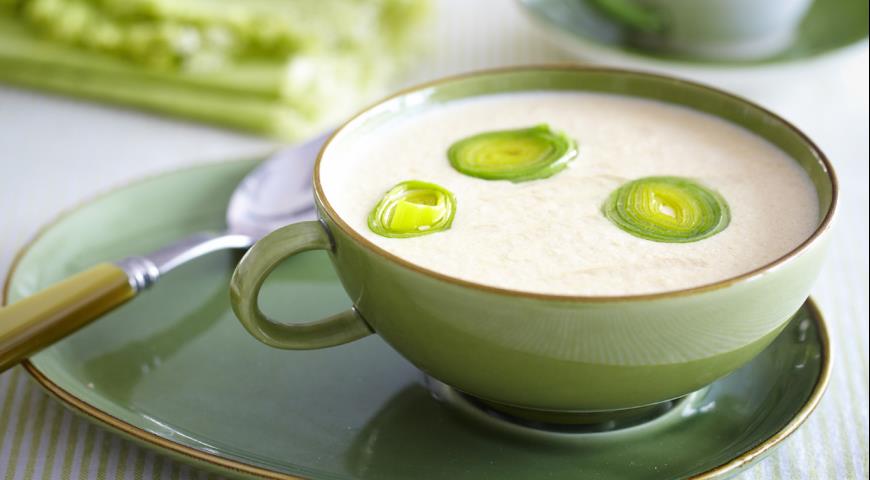
- Cream of celery root soup
-
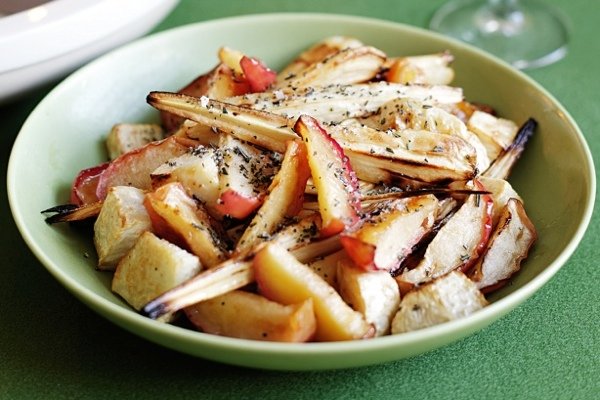
- Root vegetable baked with vegetables
Dietetics
This low-calorie product is often included in diet menus. Nutritionists recommend freshly squeezed celery juice and vitamin-rich salads, which help normalize metabolic processes. Celery improves energy levels and prevents fat deposits. Despite its low calorie content, this nutritious vegetable keeps you feeling full for a long time, which has a positive effect on your figure.
However, you shouldn't stick to a celery diet forever. Excessive consumption of the vegetable can have detrimental effects. This diet should be repeated no more than once every 3-4 months.
Cosmetology
The root vegetable is widely used in cosmetology. It tones and restores skin elasticity, cleanses pores and smoothes wrinkles, and removes toxins and other harmful substances. The product is recommended for pigmentation.

A decoction of celery root (50 g of vegetable and 400 ml of boiling water) is used to remove makeup and make cleansing masks for the face and body.
A toning lotion made with celery juice helps strengthen fine capillaries and improves complexion. To prepare the lotion, mix 40 ml of freshly squeezed juice, 50 ml of mineral water, and 2–3 drops of orange essential oil.
To prevent acne, use a cleansing mask. Combine 2 tablespoons of crushed root with 2 teaspoons of cosmetic clay and 1 teaspoon of aloe vera juice. Apply the mask to cleansed skin, leave it on for 15 minutes, and rinse with warm water.
Alternative medicine
We present to your attention several useful traditional medicine recipes using the root vegetable:
- Freshly squeezed celery root juice prevents salt deposits. The daily dose is 2 teaspoons 30 minutes before each meal. No more than 3 times per day.
- An infusion of the root is recommended for the prevention and treatment of viral and cold illnesses. Add 3–4 g of crushed root to 1 liter of boiling water. Let the infusion steep for 8–10 hours, strain, and take 1 tablespoon 3 times daily.
- Celery is recommended for reproductive disorders in women. Add 250 ml of boiling water to 50 g of chopped celery, simmer for 2 minutes, cool, and consume throughout the day.
- Dried celery root is effective in treating frostbite. 200 g of chopped celery root is steeped in 1 liter of water and simmered for 10–15 minutes. Cooled to room temperature, the decoction is applied to the frostbitten area.
Harm and contraindications for use
There are no strict contraindications for celery root consumption. However, excessive consumption of the vegetable can cause digestive problems or lead to the development of allergies.
If you have a history of conditions such as gastritis, colitis, stomach ulcers, hypotension, thrombophlebitis, varicose veins, or epilepsy, it's best to avoid excessive consumption of this product. During pregnancy and breastfeeding, consume celery in minimal quantities. The root can cause uterine tone and negatively impact milk production.
Rules for selecting and storing the product
Since the product can be consumed fresh or cooked, you need to know how to choose it correctly.
The root vegetable should look fresh and healthy. Inspect it for signs of rot and the presence of harmful insects. Tap the vegetable with your fingers. If you hear a ringing sound, there are likely hollow spaces inside the root. It's best to set such a root aside.
Choose a medium-sized vegetable with a smooth, even skin.
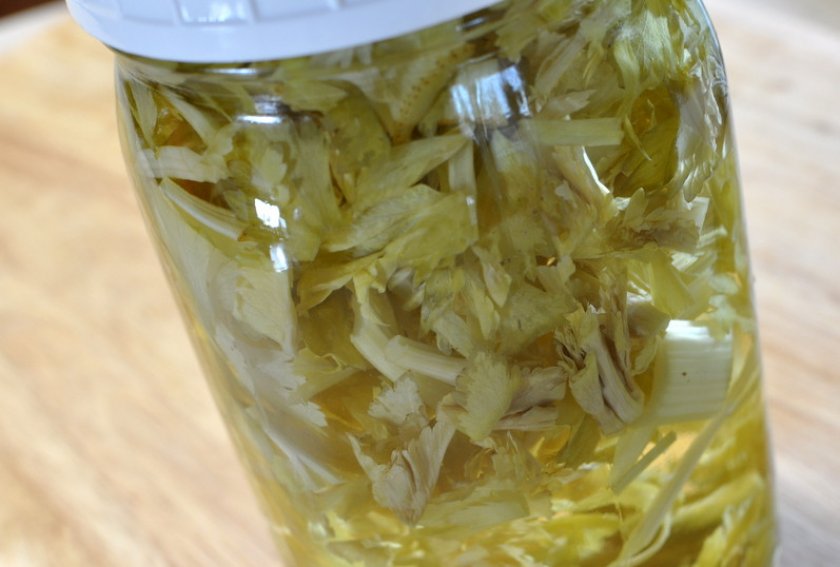
Store celery in a cool place. If you plan to cook it soon, you can simply place it in a plastic bag or wrap it in cling film. Root celery can also be stored dried or chopped.
The use of celery root for the prevention and treatment of various conditions should be done under the supervision of a physician. Self-medication and overuse of the root vegetable are dangerous to health.