
The whole truth about the beneficial properties of exotic papaya
Content
- 1 What does papaya look like and where does it grow?
- 2 Video: "The Benefits and Harms of Papaya for the Body"
- 3 Composition and caloric content
- 4 What are the benefits of papaya for the body?
- 5 Harm and contraindications for use
- 6 Medicinal uses of papaya
- 7 How is papaya used in cosmetology?
- 8 How to select and store papaya
- 9 How to peel and eat papaya
- 10 What can be made from papaya?
What does papaya look like and where does it grow?
Papaya, or papaya, is a tropical tree-like plant and the fruit that ripens on it. The papaya tree resembles a palm tree: its tall (3–10 m) straight trunk is covered with tough, fibrous bark, and long (about 70 cm) dissected leaves extend from the top. Flowers develop in the axils of these leaves, which later develop into large orange fruits 15–40 cm long.
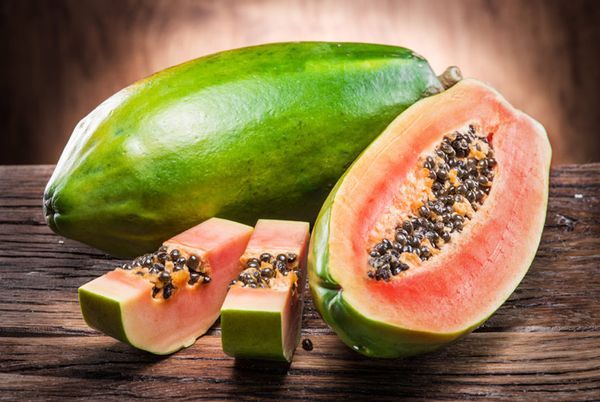
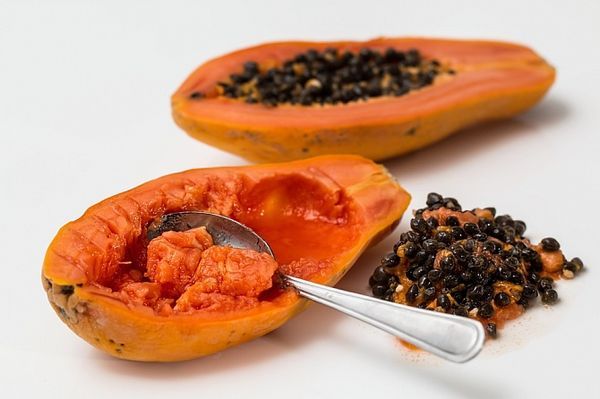
There are two types of papaya: Mexican and Hawaiian. Supermarkets primarily stock Hawaiian varieties. These are small (about 500 g) pear-shaped fruits with pinkish or orange flesh and small black seeds inside. Mexican papayas are larger (up to 5 kg) and have whiter, more oily flesh.
The plant is considered native to southern Mexico and later became established in North America. It is cultivated commercially in many tropical countries. The largest plantations are in Jamaica, the Philippines, Thailand, and Brazil.
Video: "The Benefits and Harms of Papaya for the Body"
This video will tell you about the benefits and harms of papaya for the human body.
Composition and caloric content
Despite its sweet, creamy flavor, papaya is low in calories, averaging 48 kcal/100 g, depending on the variety. The pulp is 88% water and contains a high amount of dietary fiber, carbohydrates (about 10 g), organic acids, and amino acids. It has a low protein content of 0.6 g, and only 0.1 g of fat.
Papaya holds the record for the content of carotene and vitamin C (68 mg), it also contains vitamins PP, K, E, and group B. Among minerals, potassium leads the way (182 mg), along with magnesium, calcium, phosphorus, sodium, copper, selenium, iron, and zinc. The plant enzyme papain is especially valuable in the fruit.
What are the benefits of papaya for the body?
It is worth noting that the seeds, as well as dried and cured fruits, also have beneficial properties.
Papaya seeds
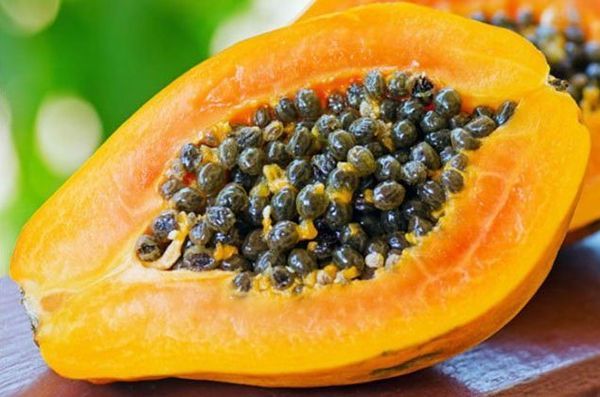
The small black seeds, which are usually discarded, contain phenols and natural antioxidants that prevent tumors and inflammation. They also contain the majority of papain. When ground, they have anthelmintic properties, remove toxins, and are noted for their healing effect on liver cirrhosis. A fragrant oil is also produced from the seeds.
Dried fruit
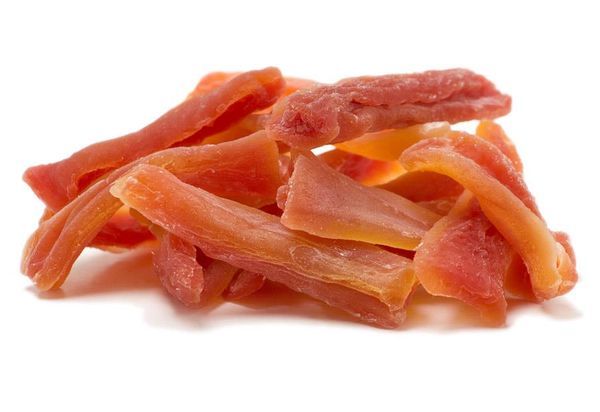
The benefits of dried fruit are obvious. They are a source of carbohydrates and a large number of micronutrients. While dried fruit is naturally higher in calories than fresh fruit (327 kcal/100 g), it also contains significantly more other nutrients, especially potassium. Regular consumption has a positive effect on the pancreas and heart, strengthens blood vessels, and normalizes heart rate.
Is candied papaya healthy?
Candied fruit is fruit pieces cooked in syrup and then dried. They're very sweet and not considered a diet food, but they're a good source of energy for snacks. Their nutritional value is comparable to fresh fruit, and they also boost energy and improve overall health. They're beneficial for anemia, but not recommended for diabetics.
-
- Dried papaya is very healthy.
-
- Candied papaya fruit
-
- Papaya is rich in seeds
Use during pregnancy and breastfeeding
Ripe fruit is an excellent source of vitamins. Eating it will prevent anemia and improve digestion and skin health. It's best to avoid fruit while breastfeeding, as the high vitamin C content can cause rashes in the baby.
During pregnancy, it is recommended to consume only ripe papaya. Unripe fruits cause uterine contractions and can lead to miscarriage. In Asian countries, women use the fruit as a contraceptive and abortion method.
Benefits for men
Thanks to the antioxidants found in papaya, it may be beneficial for the heart. Research has shown that adding it to the daily diet can improve heart function and prevent heart attacks in older men. Papaya has also been shown to have a positive effect on hormonal balance, helping to maintain normal reproductive and sexual function.
Harm and contraindications for use
Like any food, papayas can be both beneficial and harmful. First of all, it's important to know how to properly determine their ripeness, as unripe papayas contain a milky sap (latex), which in its pure form can cause poisoning and, in pregnant women, premature labor.
Since the fruit is exotic, an allergy or intolerance to some components, in particular papain, is possible.
Dried, dried fruits and candied fruits are contraindicated for diabetics.
Medicinal uses of papaya
Papaya pulp has a therapeutic effect in the following cases.
For arthritis
A special enzyme, chymopapain, contained in the pulp relieves pain and alleviates symptoms of the disease.
For gastrointestinal diseases
The enzymes in the fruit normalize stomach acidity, eliminating heartburn and promoting ulcer healing. The fiber eliminates toxins and stimulates peristalsis, thereby normalizing digestion.
For wounds and cuts
Ground seeds contain antimicrobial substances that promote healing even of purulent wounds. Papaya juice is used to treat burns, psoriasis, and skin rashes. It also reduces swelling from insect bites.
In case of visual impairment
The pulp contains a lot of carotene, which improves the functioning of the eye muscles and prevents the development of retinal dystrophy.
For intervertebral hernias
Preparations made from fruit extracts have the unique property of restoring connective tissue in intervertebral discs.
How is papaya used in cosmetology?
Papaya is an ingredient in many shampoos and anti-aging creams.
For the face
Thanks to its acids and vitamins, the pulp perfectly cleanses and restores the skin, combating dryness and acne. Masks with clay, oils, cream, or yogurt have a rejuvenating effect. Honey masks are used to nourish dry skin.
For hair
Papaya oil strengthens hair, adds silkiness, and eliminates dandruff. It's highly concentrated, so it's not applied directly to hair; it's used only in masks, conditioners, and scalp treatments.
For the body
Papaya juice is used to rub the skin after epilation to slow unwanted hair growth. Scrubs are made from the pulp and ground seeds.

How to select and store papaya
You can choose a ripe fruit in a supermarket based on the following characteristics:
- the skin color is uniform, deep yellow or orange;
- the surface is elastic;
- the fruit gives off a sweet aroma;
- Small fruit is sweeter than large one.
Ripe papayas are stored in a cool place. If they're still firm, you can leave them indoors for a couple of days next to bananas—they'll speed up ripening.
How to peel and eat papaya
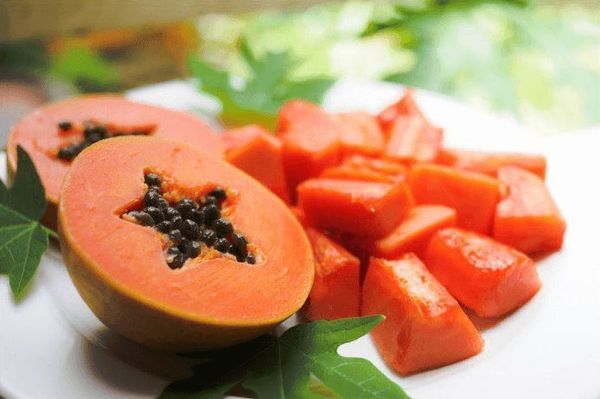
Papaya can be peeled like a melon: cut in half, remove the core, peel, and slice. If the fruit is particularly juicy, you can eat it with a spoon, like you might eat a watermelon. For desserts and salads, papaya is diced.
For exotic dishes that use unripe fruits, the pulp is grated and cooked according to the recipe.
What can be made from papaya?
In Asian countries, it is consumed as a vegetable or fruit. Ripe fruits are used to make a variety of desserts, cocktails, drinks, salads, side dishes, sauces, and marinades. Unripe fruits are firm and tart, so they are used in dishes, primarily salads, after being cooked. The aromatic pulp pairs beautifully with chicken, seafood, and fish. Tropical residents eat it for breakfast, drizzled with lime juice.
Papaya is the fourth most exported tropical fruit in the world. This means it is in high demand, and its uses are diverse: desserts, meat and fish dishes, cosmetic masks, and therapeutic uses. Papayas are also used industrially. In addition to extracting latex for rubber production, they are used in beer clarification and the manufacture of laundry detergents.