
Helpful tips: When to pickle cabbage according to the lunar calendar for 2025
Content
The health benefits of sauerkraut
Cabbage was brought to our country from Asia. In ancient Korea and China, it was discovered that pickled cabbage retains its beneficial properties for a long time. They learned to preserve it in large quantities for future use, and later, when our ancestors had the chance to taste this dish, it quickly became popular in ancient Rus'.
The product's benefits are evident from the list of vitamins and minerals it contains. For example, 100 grams of "kvashenka" contains the daily requirement of vitamin C (in the form of ascorbic acid). Sauerkraut also contains:
- vitamins of groups A, B1 and B2, E, P, K;
- iron;
- phosphorus;
- zinc;
- iodine;
- calcium;
- magnesium.
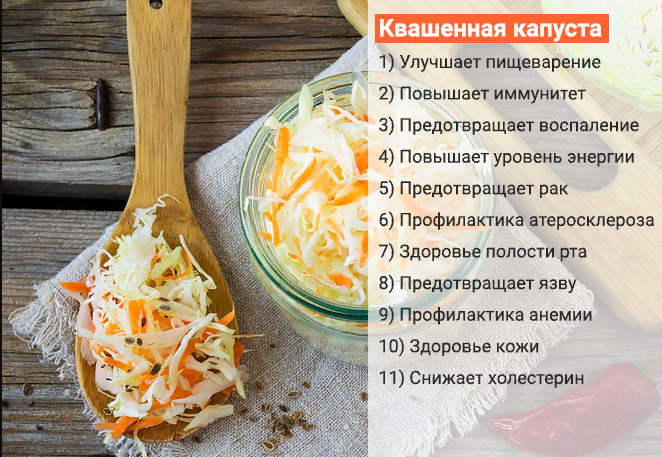
Scientists have found beneficial fiber, pectin, and organic acids in the product. This combination helps:
- reduce intoxication;
- improve digestive processes;
- activate metabolism.
In addition to the cabbage itself, it is useful to drink its brine, obtained from the juice of the vegetable, which also contains many useful substances.
In many countries, kvashenka is a traditional component of national cuisine. It's low in calories, so you can eat as much as you want without gaining weight.
The best time to pickle cabbage in 2020
Surprisingly, the phases of the moon also affect the quality of cabbage products. Over many centuries of cooking, it has been observed that the taste of a dish prepared during the waning moon is noticeably inferior. It is also far from ideal during the full moon and its waning phase. This is explained by a decrease in the activity of microorganisms, whose activity influences the fermentation process.
The ideal time is considered to be the fifth to seventh day after the appearance of the new moon in the sky.
Since the lunar cycle is 28 days long, it's important to identify favorable times for pickling each month. Not only fresh cabbage heads are suitable for pickling, but also those that have survived the winter well into early spring.

January
The moon is in its waning phase for the first 15 days, so it's best not to do any leavening. The new moon in January 2020 occurs on the 17th, meaning the best days will be January 20–25.
February
In winter, the human body desperately needs the vitamins that sauerkraut provides. At the beginning of February, the moon wanes, and the waxing phase begins between the 18th and 22nd. These are the days to focus on. Fresh sauerkraut is perfect for those who celebrate February 23rd with a hearty feast—"kvashenka" has long been considered the best hangover cure.
March
As spring warms up, stored cabbage begins to spoil. The new moon appears on the 17th of March, so, as in January, the best time to process cabbage is between the 20th and 26th.
April
The new moon shifts slightly toward the beginning of the month. The best time to work will be between the 18th and 23rd. If the stored harvest has already run out by this time, it is recommended to purchase fresh cabbage varieties at the market.
May
The new moon falls in the middle of the month. Pickling should not be done before this time; it's best to start between the 17th and 22nd.
June
Early summer cabbage harvests are still too wilted and unsuitable for pickling, although they are delicious fresh. If you decide to pickle them, June 16th to 20th are ideal.
July
It's best not to can food in midsummer, as other foods, which are abundant at that time, are rich in vitamins. However, for the most dedicated canners, the recommended time is 3–9 PM.
August
Fresh harvests from the last month of summer are suitable for processing, but only for quick consumption in the next few days; the product will not keep longer. The best time for canning is considered to be between August 14th and 20th.
September
By this month, a plethora of mid-season varieties ripen, perfectly suitable for consumption and short-term storage. The new moon will appear in the sky on the 9th, after which you need to wait 3-4 days and begin harvesting from September 12th to 18th.
October
This is the period when most of the activity for gardeners, including pickling and fermenting their cabbage harvests, occurs. Late hybrids, which retain their flavor for a long time, ripen in October. Processing takes place from October 10th to 16th, and if necessary, the period can be extended to the 20th, while the new moon is waxing.
November
It's also a good month for this type of work. Groceries arrive in abundance at markets and stores, and prices drop significantly. It would be a shame not to take advantage of this if you haven't managed to harvest a decent amount. November cabbage heads are juicy, ripe, and rich in sugar. Favorable days for pickling and curing are from the 9th to the 15th.
December
The new moon arrives on the 7th, so you can begin stocking up on the 9th. The deadline is December 20th.
How to properly pickle cabbage
When cooked incorrectly, instead of a crispy, delicious dish, you often end up with a soggy, disgusting mess. Pickling cabbage requires not only careful adherence to the recipe but also careful selection of the right varieties.
Selecting heads of cabbage
Avoid early cabbage, which hasn't yet formed and developed the required density. Mid-late and late varieties of white cabbage are suitable. We recommend considering hybrids specifically bred for long-term storage. These include:
- Valentina;
- Geneva;
- Anniversary;
- Aggressor.
Of the varieties, preference should be given to domestic ones. These varieties are:
- Hope;
- Belarusian;
- Glory;
- Present;
- Kharkov winter;
- Moscow late.
While you're still at the store, check that the heads of cabbage are firm, whole, and elastic. Vegetables should have a higher sugar content to promote fermentation. It's a good idea to taste the cabbage—it shouldn't taste bitter.
Immediately after harvesting, even late-ripening varieties, it's best not to process the heads immediately, but rather let them sit for a couple of months. During this time, the leaves will become juicier and the vegetable will absorb more sugars.
What salt to use
Salt is a unique product. Its various grades vary in salinity, which is why the results of processing also vary. The saltiest grade is "Extra"; it contains few impurities and is richer in sodium chloride. The lower the grade (premium, first, and second), the weaker the product.
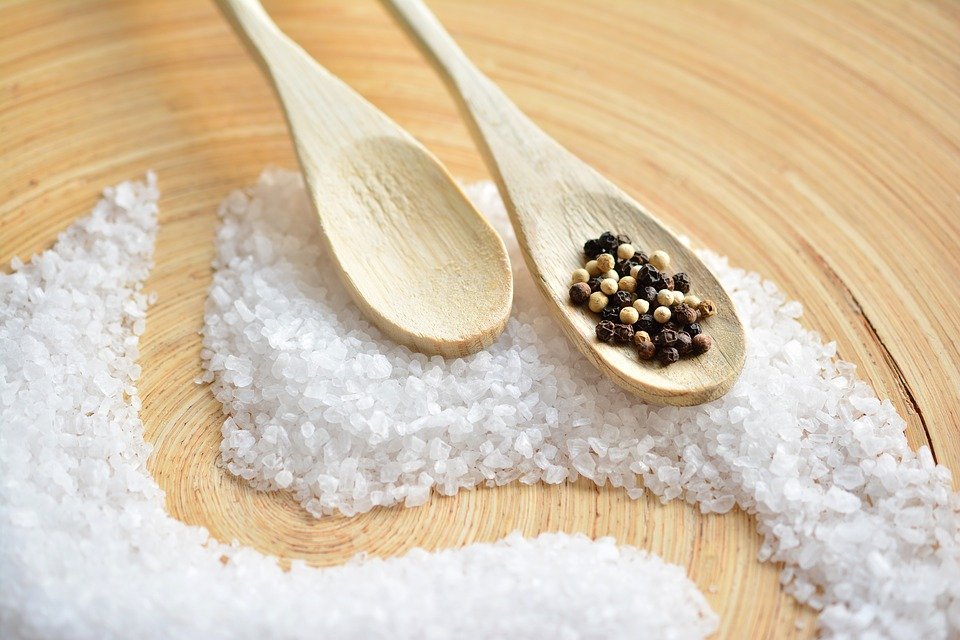
When preserving, the grain size is important. Salt is sold in fine and coarse, crushed and ground varieties. Which is better? When cooking, ground salt is preferable, while crushed or coarse salt is preferred for sauerkraut. This is because fine grains dissolve more quickly, killing the fermentation bacteria early on, which slows the fermentation process. As a result, the cabbage tastes sour and doesn't keep as well.
Coarse salt dissolves more slowly, without harming the lactic acid bacteria. The process works as intended, resulting in a crispy, tender product with a long shelf life.
What is the best way to salt?
For pickling you should take:
- wooden barrels (cedar, oak);
- enameled vessels;
- plastic barrels;
- glass containers.
In such containers, chopped vegetables can be stored for a long time.
It is not recommended to pickle cabbage in an aluminum container, as the metal oxidizes in the aggressive environment, causing the vegetables to produce acid. As a result, aluminum particles will be ingested with the food.
Video: "An Old Recipe for Pickling Cabbage"
This video shows the step-by-step preparation of a delicious and healthy snack for the winter.
Simple recipes for pickling cabbage for the winter
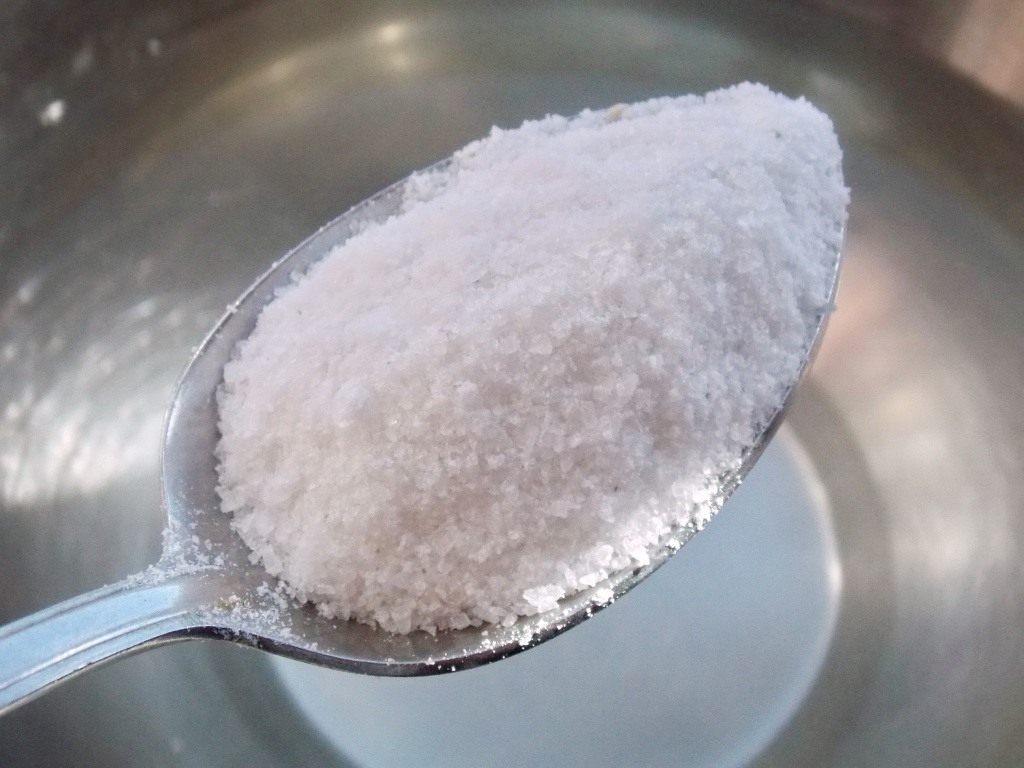
To prepare 10 kg of cabbage, you'll need 400 g of salt. The simplest method involves the following steps.
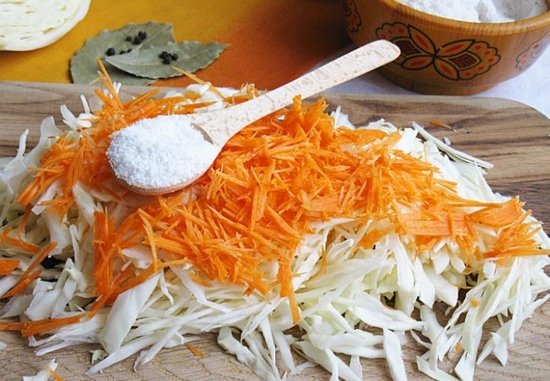
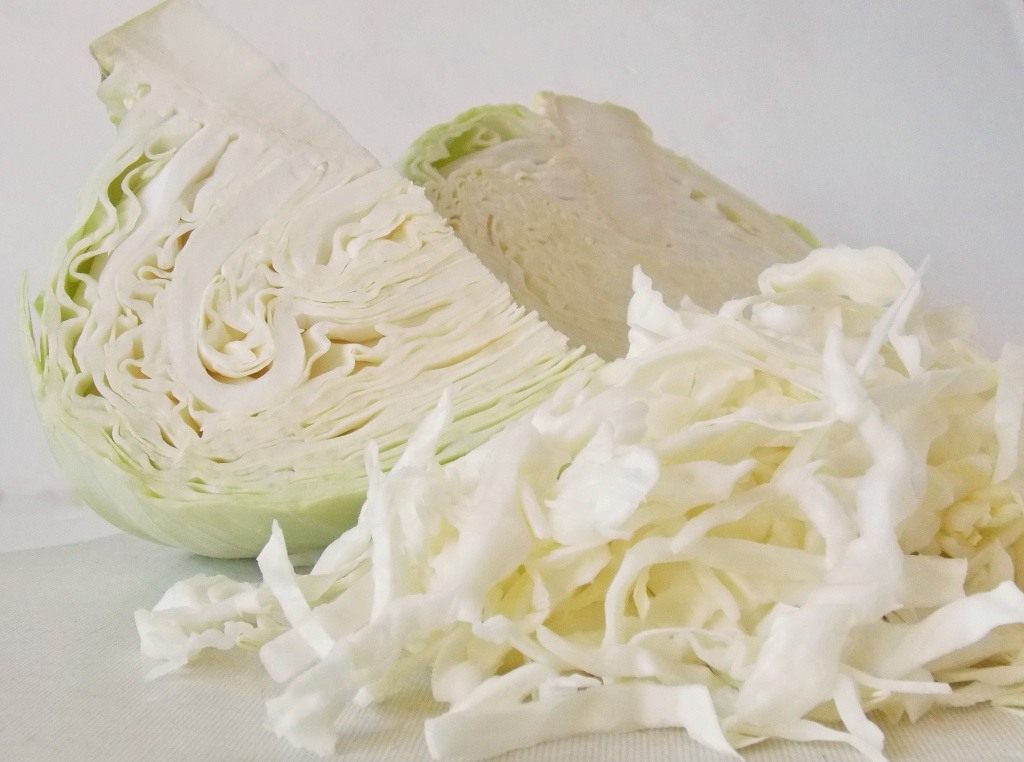
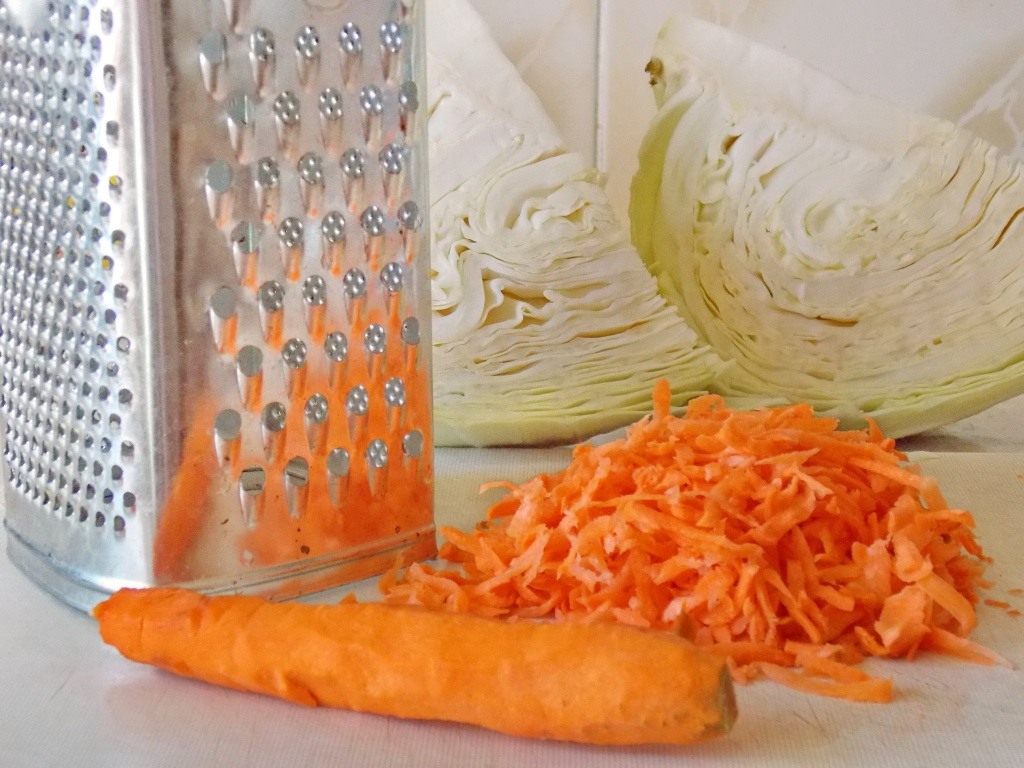
- The vegetables are chopped, sprinkled with salt, and mixed thoroughly. Finely chopped carrots are added to enhance the flavor and aroma.
- The prepared mixture must be placed into the container as tightly as possible, compacting it with a wooden masher.
- The mass is covered with a layer of cabbage leaves, then covered with natural cloth.
- A press is placed on top - a wooden lid pressed down with a jar of water, dumbbells or a heavy stone.
If the cabbage was juicy enough, juice will flow out immediately after pressing with a press (don't remove it). The mixture is then fermented for about a week indoors. Occasionally, pierce the mixture with a thin stick to release any accumulated bitterness.
On the 10th day, the container with the pickle is transferred to a cold room and left to ferment.
-
- Shred the cabbage
-
- Chop the carrots
-
- Preparing the brine
-
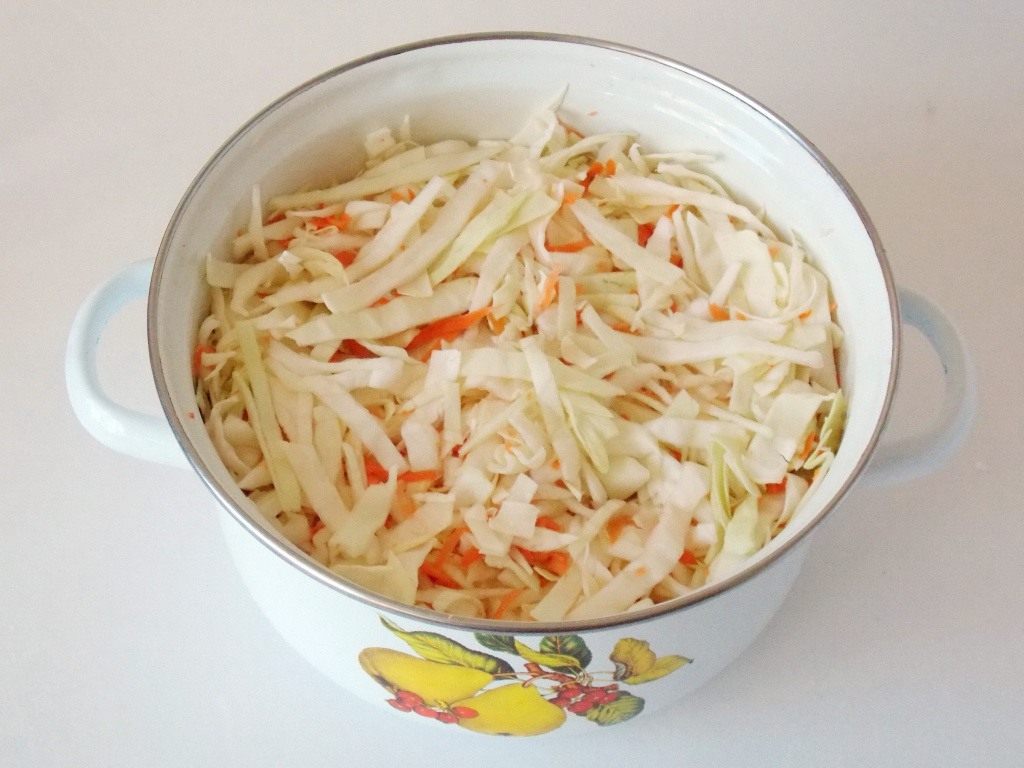
- We compact the chopped vegetables
-
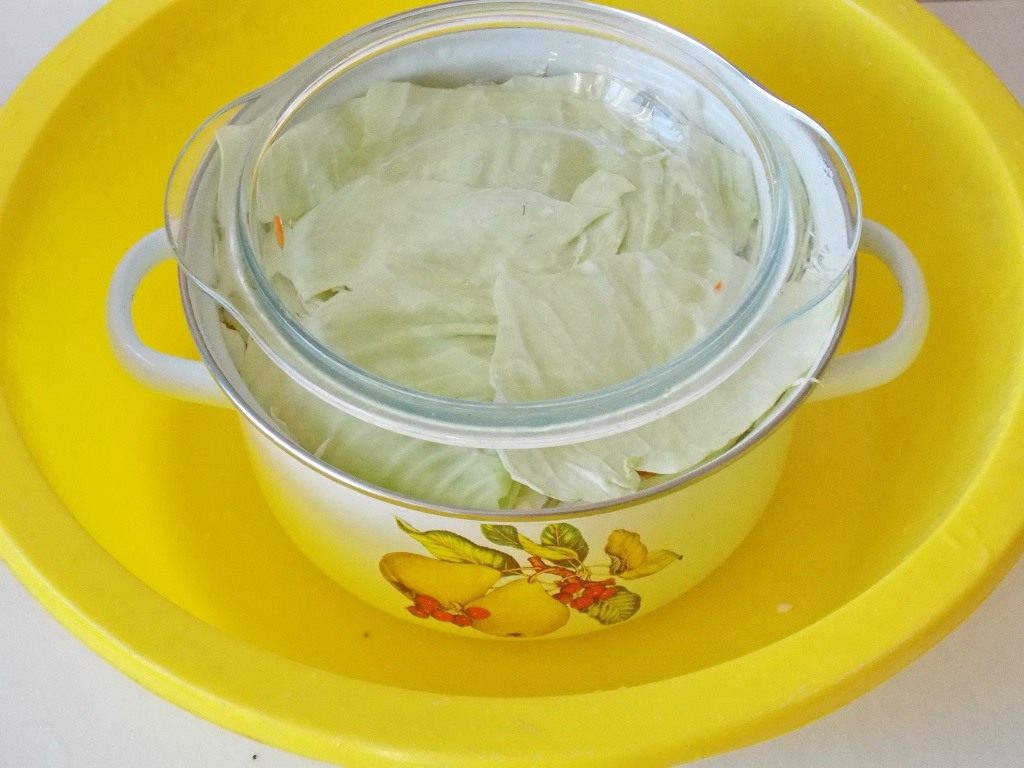
- We put the cabbage under pressure
-
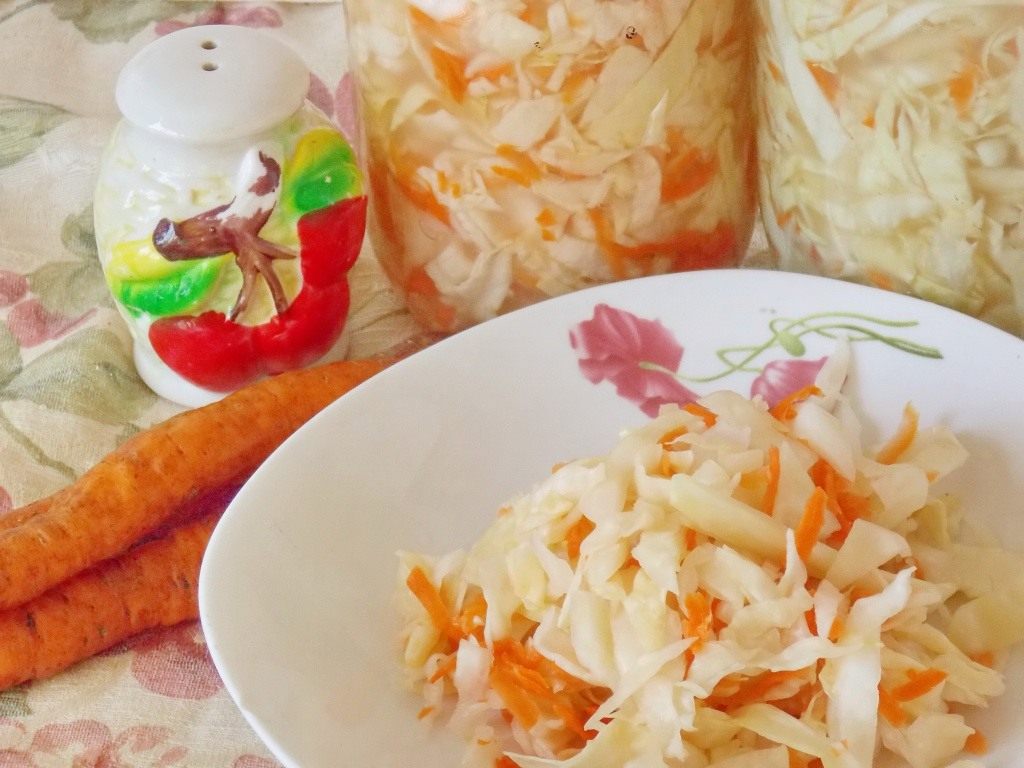
- Ready to eat snack
With herbs and pumpkin
For every 4 kg of cabbage you will need:
- 1 kg pumpkin;
- 140 g salt;
- 3 tablespoons of sugar;
- mint and tarragon (several stems).
Salt and herbs are added during the shredding stage. The pumpkin should be peeled, cut into thick slices, and sprinkled with sugar. Then, wait for the juice to release.
Place the cabbage mixture and pumpkin in layers in a container. Cover with a cloth and press.
With grapes and honey
This recipe allows you to quickly prepare a delicious product. For 2 kg of cabbage, you will need:
- 1 kg of grapes (any variety);
- 500 g carrots;
- 100 g honey;
- a bunch of basil;
- 20 g of salt.
Chop the carrots and cabbage, add the grapes, and place them in a container. Add chopped basil. Pour the honey brine over everything.
This product needs to be fermented for three days, after which it can be served.
With apples and caraway seeds
For 10 kg of vegetables you need to prepare:
- half a kilo of apples;
- 10 g each of dill and caraway seeds.
The ingredients are chopped, mixed with salt, and ground. They are then placed into a pressure press. Occasionally, they are pierced with a stick to release gases.
All recipes are good if you're creative. You can use other ingredients, such as viburnum, bell peppers, or beets, to customize the flavor of the final product. Old grandmothers' recipes, explaining all the intricacies of folk traditions, are passed down from generation to generation.