
How to Make Chacha at Home: 13 Simple and Unusual Recipes
Content
- 1 What is chacha?
- 2 Video: "Traditional Chacha Recipe"
- 3 Recipes for making chacha at home
- 4 How to remove the acetone smell from chacha
- 5 How and with what to serve chacha
What is chacha?
This is the name given to a drink containing 50–60% alcohol. The main ingredient is grapes, although there are recipes using tangerines, apples, or melon. The drink resembles white wine in appearance. It is stored in bottles or aged in oak barrels. Experts classify chacha as a brandy obtained by pressing. Consuming Georgian vodka does not cause negative effects such as hangovers, migraines, or blood pressure fluctuations.
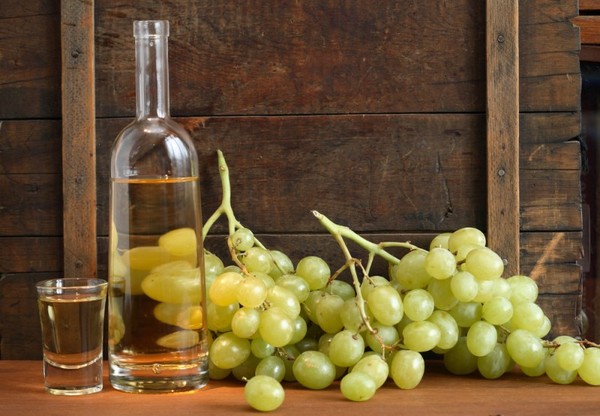
In villages, it's distilled from grape dregs left over from making juices or wines. The flavor matches the original ingredients:
- In Georgia itself, Rkatsiteli grapes are usually in demand;
- In neighboring Abkhazia – Isabella or Kachich.
National analogues of chacha are, for example, Russian moonshine, Italian grappa or Bulgarian rakia, although their raw materials and recipes differ.
When produced using factory technology, the alcohol content is 45–50 degrees, while when home-distilled, the alcohol content reaches 80 degrees. Caloric content is 225 kcal per 100 ml.
Video: "Traditional Chacha Recipe"
This video describes the recipe for making traditional Georgian moonshine from grapes.
Recipes for making chacha at home
All recipes adhere to one principle: the grapes are not washed before processing, so as not to lose the natural yeasts that coat the skins. Without them, the berry pulp will not ferment. The seeds are also not removed so that the vodka does not lose its characteristic flavor.
If the spirit is aged in oak barrels, the quality will improve significantly, approaching that of signature brandies.
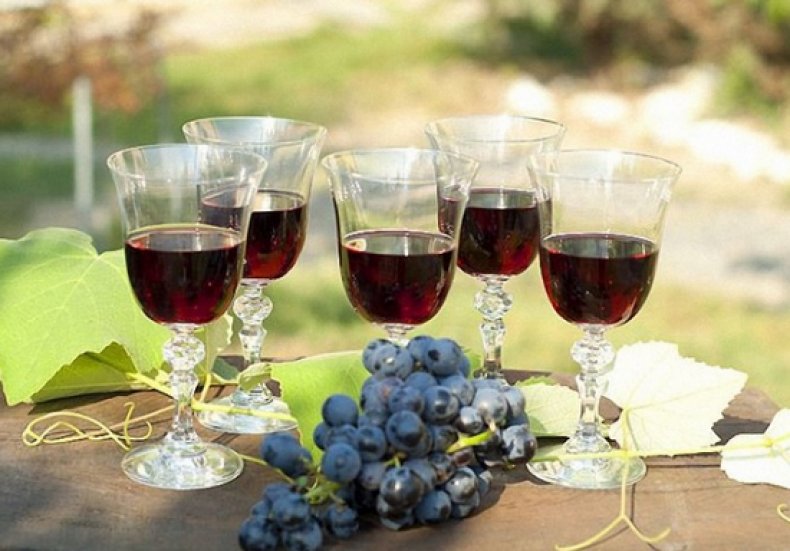
From grapes
The traditional raw material for Georgian moonshine. The fruits are usually mixed with water and sugar, and yeast is occasionally added.
Technology
For production you will need:
- a deep basin or saucepan;
- containers in which the mass will ferment;
- distillation apparatus;
- water seal.
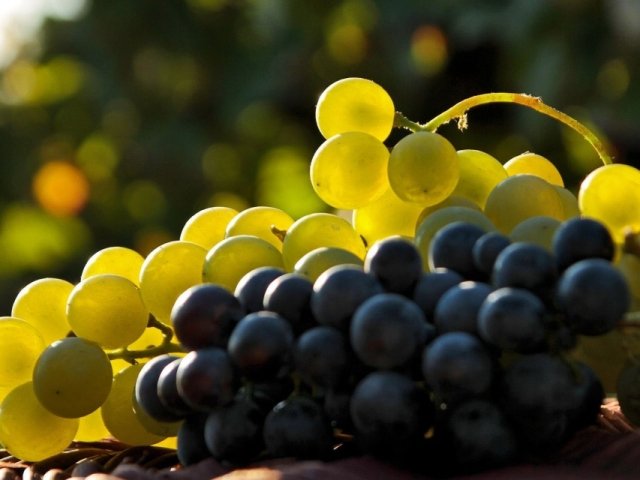
Choose varieties with high acidity. Ideally, mix the fruits of several varieties.
The cooking process consists of several stages:
- The mash is being prepared.
- It is distilled.
- Primary purification of the distillate is carried out.
- Secondary distillation of the mash is carried out.
Fermentation
Experienced winemakers perform this fermentation without sugar. The process takes longer, so sugar (and sometimes yeast) are added to speed things up. If you decide to use yeast, choose only alcohol-based yeast.
There are also requirements for water. Tap water is unsuitable; bottled water is purchased and additionally filtered.
Fermentation will take between one and a half and two months. During this time, the container containing the raw materials should be kept in a room with a temperature of 15–20°C. At higher temperatures, the drink will lose its inherent aroma.
During fermentation the following processes should be observed:
- bubbles form in the mash, creating a characteristic gurgling sound;
- the pulp periodically floats to the top.
To prevent the floating berries from molding, stir the container, allowing the pulp to settle. If the berries don't float for a long time and no bubbles appear, the mash is considered mature.
Note: Single distillation produces alcohol with an ABV of up to 40%, double distillation – 60%, and triple distillation – 80%. Multiple distillations can achieve an ABV of 96%.
Distillation of mash
The process is similar to making moonshine. The acidity is measured with a pH meter, ensuring it doesn't exceed 3–3.2.
The process is carried out as follows:
- The matured mash is poured into a distillation cube and slowly heated.
- The initial 10–12% of the wort is drained off. This is pure alcohol and is used exclusively for medicinal purposes.
- After the alcohol meter readings have dropped to 45 degrees, remove the solids (the main fraction), monitoring the readings of the device.
- The pulp is diluted with water and distilled a second time.
You can determine the strength of a drink without a device. While waiting, scoop out a small amount of distillate with a spoon and then set it on fire. If the mixture burns, it's alcohol, meaning the distillate needs to be poured out.
Distilling chacha for the second time
The distillate obtained during the initial distillation requires purification. Filtration is performed using various methods:
- Activated carbon. Cover the distillation apparatus' funnel with cotton wool and place the carbon on top. Begin pouring the distillate in a thin stream, as slowly as possible.
- Potassium permanganate. To treat a liter of liquid, prepare a solution by mixing 2 g of potassium permanganate in 50 ml of boiled water. Add to the distillate and let sit for 10 hours, then pass through a funnel fitted with a cotton filter.
-
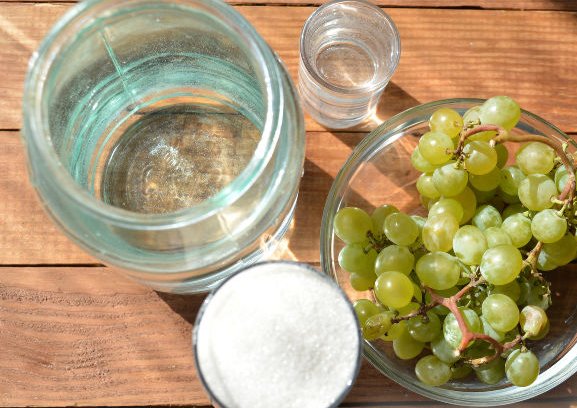
- Let's prepare the necessary ingredients
-
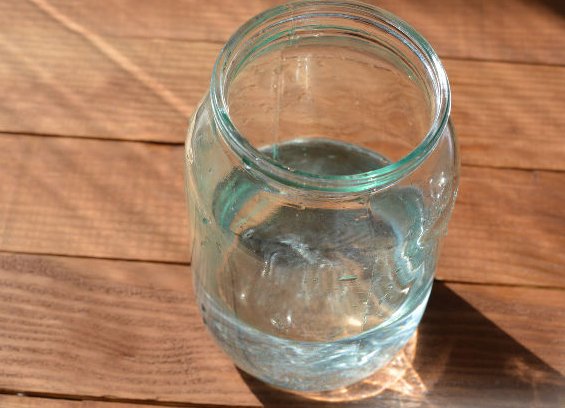
- Pour 750 ml of boiled water into the jar
-
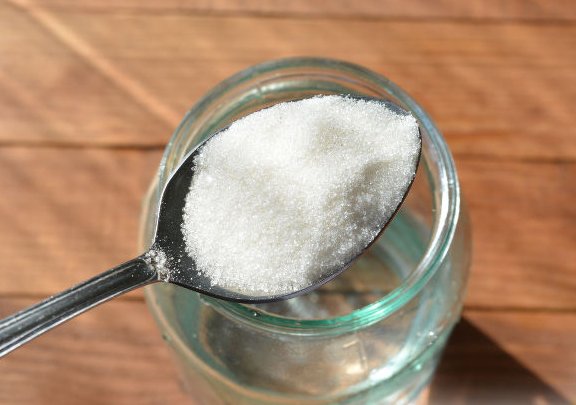
- Add 125 g of sugar
-
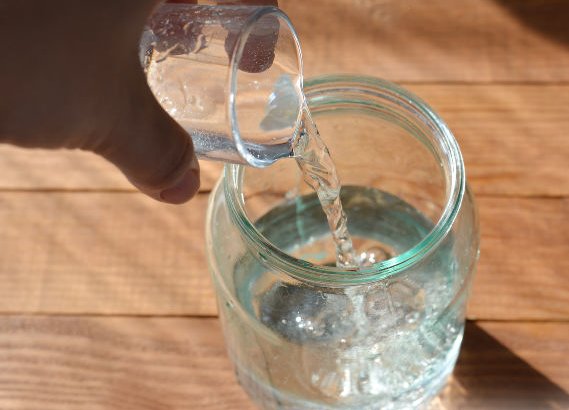
- Then add alcohol
-
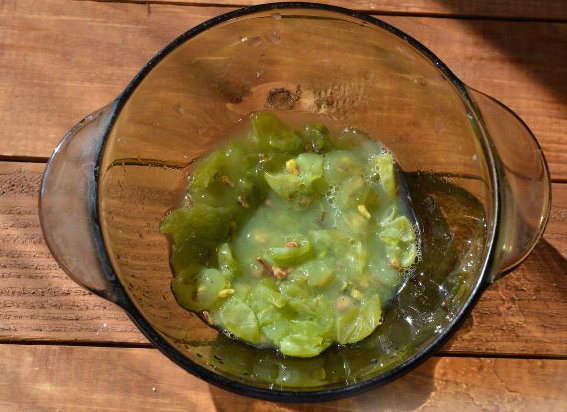
- We crush the grapes thoroughly.
-
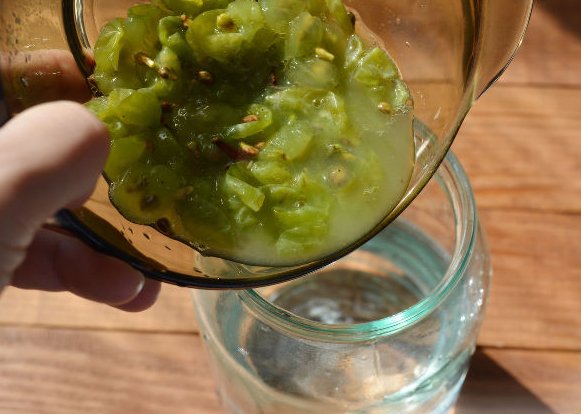
- We add it to the jar
-
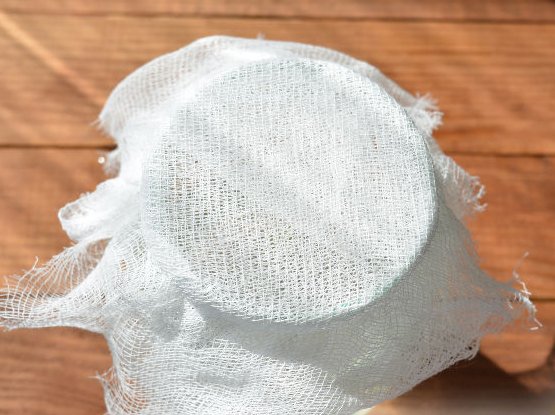
- Cover the jar with gauze and leave for a week.
-
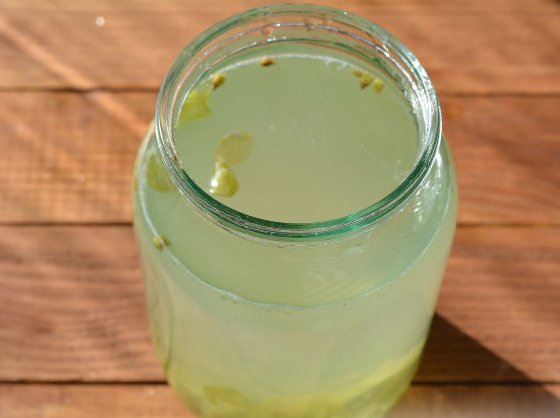
- After a week, crush the remaining grapes and add them to the jar.
-
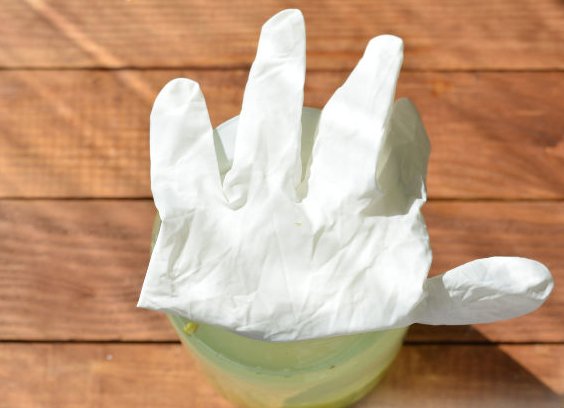
- We put a glove on top of the jar and leave everything for a month.
From grape pomace
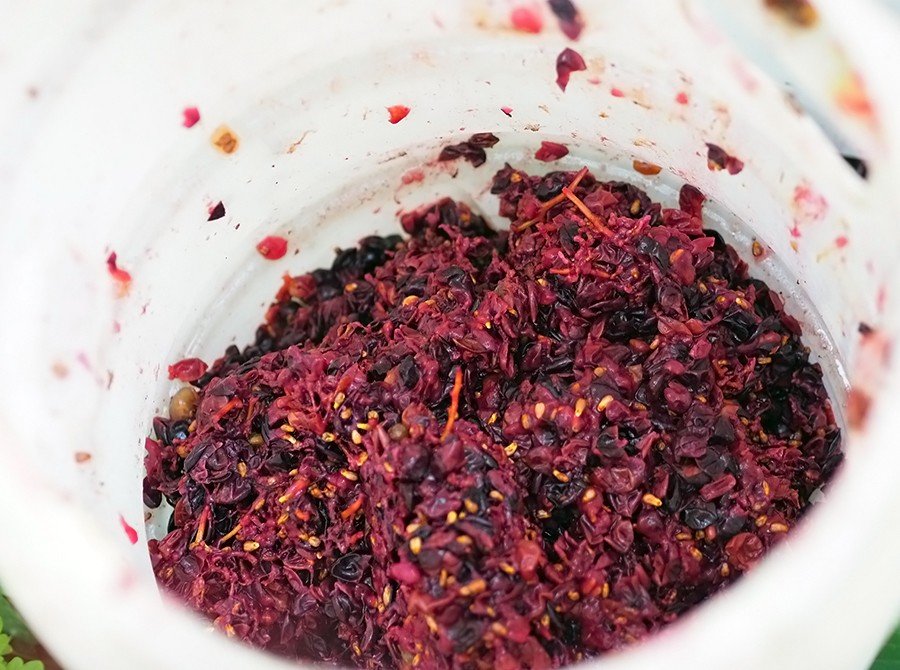
A simple recipe that takes no more than an hour to prepare. The pulp is used as the raw material, to which unripe berries are added. For each kilogram of raw material, you'll need 3 liters of water and 600 grams of sugar.
Vodka is made like this:
- The pulp in a saucepan is filled with water and 180 g of sugar is added.
- Stir until smooth, add the remaining sugar and stir again.
- Cover the container with a lid and leave it in a warm place for 10–12 days. Stir the contents every two days.
- Once fermentation is complete, the wort is drained and distilled. Water and sugar are added to the pulp and used to make a new batch.
- Distillation is carried out twice. It is advisable to reduce the strength of the drink to 40% (some leave it at 50–54%).
Although chacha can be drunk after 2 days, it is recommended to let it sit for several weeks.
From tangerines
Besides grapes, the recipe often uses the pulp of other fruits left over from juice extraction. The difference from the classic method is minor. Let's look at how to make chacha using tangerines. You'll need 2 kilos of tangerine pulp and a liter of water. The rest of the process is identical to the recipe for grape chacha: the mixture is left to settle, then passed through a still, etc.
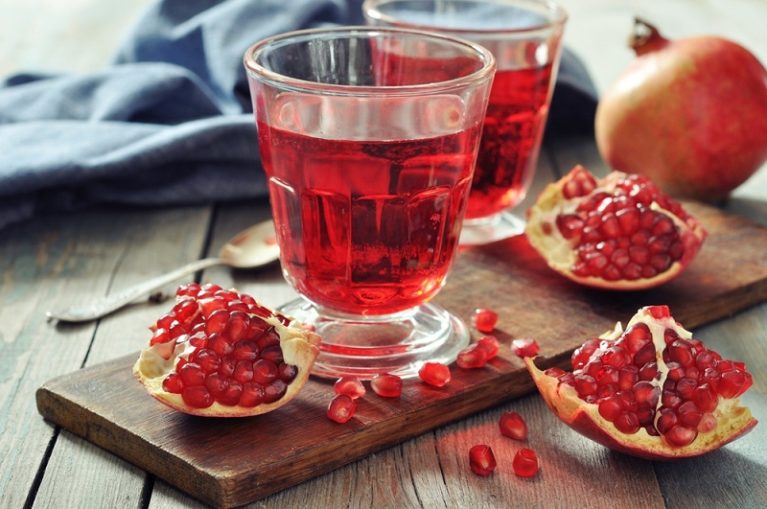
From garnet
These fruits are considered exotic in our country, so chacha is rarely made from them, although the drink is prized for its unique aroma and flavor. To process 2 kg of pomegranate pulp, you need 2 liters of water and 100 g of peeled pomegranate seeds.
To make vodka:
- water is added to the pulp and it is left to stand until mash is obtained;
- distilled for the first time, diluted to 30 degrees;
- the grains are poured with alcohol and kept for 5 days in a dark place;
- add grains to the distillate and carry out a secondary distillation;
- filtered, poured into containers, and left to settle for a month and a half (in a cellar or refrigerator).
From feijoa
The recipe is more typical of Abkhazian cuisine. For 10 kg of feijoa pulp, you need 20 liters of water and 250 g of frozen feijoa pulp to enhance the flavor.
The recipe is similar to the previous ones, but with some special features. Before the secondary distillation, you need:
- or place the fruit pulp in a steam distiller;
- or hang them in gauze over a distillation still.
From apples
The idea is to use fruit instead of traditional grapes. To process 10 kg of apples, use 2 liters of water and 1.5 kg of sugar.
The preparation is as follows:
- The apples are chopped and passed through a meat grinder or juicer.
- The resulting puree is placed in a saucepan, sugar is added and the mixture is placed in a warm place.
- After 2 weeks, when the mash begins to foam, a double distillation is carried out.
The apple moonshine is diluted to the desired strength, poured into an oak barrel, where it is stored for 3 months until homemade brandy is obtained.
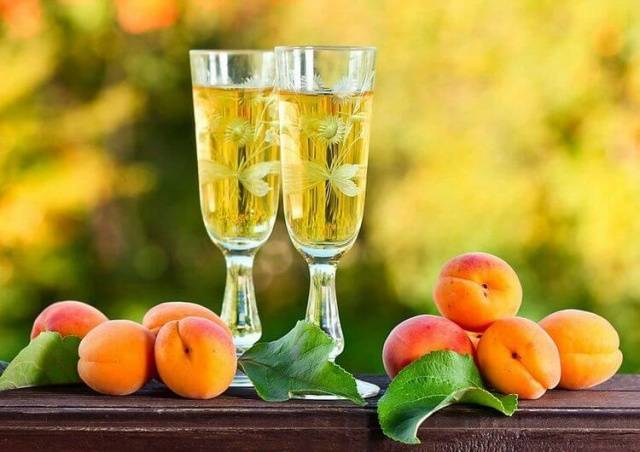
From apricots
For 10 kg of fruit you will need:
- 15 liters of water;
- 5 kg of sugar;
- 20 g dry yeast.
The recipe is as follows:
- The fruit is washed and pitted. It is then mashed using any method and collected in a container.
- Pour in water, add sugar, and add yeast.
- Close with a water seal and place in a dark, warm place for 40 days.
- Once fermentation is complete, distillation is performed. The alcohol content is brought to 30%. The wine is bottled and stored.
From pear
For pear chacha, it's recommended to use honey instead of sugar. The ingredients are as follows:
- 10 kg of ripe fruits;
- 3 liters of water;
- half a kilo of honey (if it’s too thick, it needs to be melted).
To prepare the drink you need:
- cut out the core of the fruit and mash it into a puree;
- mix with water and honey, leave in a warm place for 6 days to ferment;
- drain the wort and distill it;
- let it settle until sediment forms;
- filter, dilute with mineral water to the desired strength.
From dogwood
Dogwood berries need to be fresh. Processing 20 kg of berries requires 40 liters of water and 5 kg of sugar. The process is as follows:
- Pour the berry mixture into a container, cover and leave in a warm place for 2 days.
- The pits are removed, sprinkled with sugar, and left to ferment for 20 days. The mixture is shaken daily.
- The wort is decanted and purified by distillation.
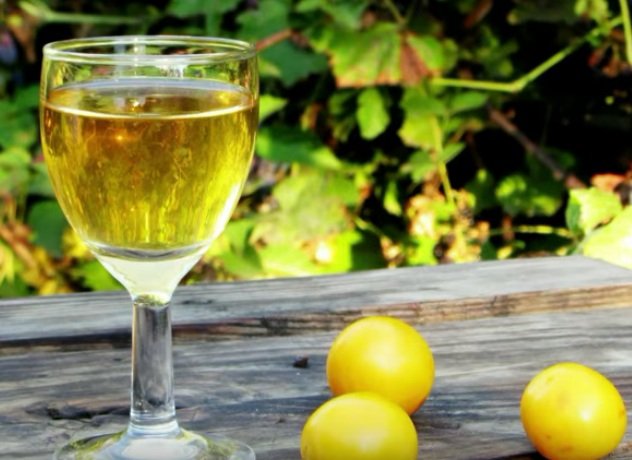
From cherry plum
It's not the berries themselves that are needed, but the pressed juice. To process 10 liters of juice, take a kilogram of sugar and 300 grams of yeast. The recipe is as follows:
- the ingredients are mixed in a container and placed in a warm place for 2 weeks;
- The wort is drained and passed through a distillation apparatus.
As a result, you will get about 3 liters of pleasant-tasting cherry plum chacha.
From melon
The drink will smell like the pleasant, fruity scent of summer. For 20 kg of melon, you'll need 2 kg of sugar and 250 g of yeast. Next steps:
- cut off the peel, separate the seeds, squeeze out the juice;
- the juice in the container is mixed with sugar until the crystals dissolve;
- add yeast and leave in a warm place for 10 days to ferment;
- remove sediment and carry out double distillation;
- dilute with water to 40%, pour into containers and store in a dark place for a week.
On tarragon
The plant is used to soften the finished drink. Fresh tarragon leaves are washed, then poured over the prepared chacha and left to steep for about three months, preferably in an oak barrel. Then, strain, bottle, and store. Use 100 grams of tarragon leaves per liter of drink.
Sugar free
It's prepared using the same principles as homemade moonshine. The absence of sugar makes the drink stronger, adding a tart flavor.
The raw material is 10 kg of grape pomace. It is prepared as follows:
- In a container, the raw material is kneaded by hand, then covered with gauze to protect from insects and stored in a warm place for 10 days. When the pulp rises to the surface, the mixture is stirred, allowing it to sink to the bottom.
- The wort is decanted and loaded into a double distillation apparatus.
- Pour into bottles and place in a cellar for 3 weeks to age.
How to remove the acetone smell from chacha
Most recipes produce a strong, but unpleasant-smelling drink with many harmful components. Potassium permanganate or charcoal, of course, don't improve the taste. Therefore, experts recommend purifying the prepared drink.
Two methods are most commonly used:
- Milk. It is added to the distillate after secondary distillation. For 10 liters of chacha, 200 ml of product is required. The mixture is left to stand in a dark place for about a week, stirred or shaken twice a day. Then, the sediment is removed by filtering it through a gauze and cotton wool filter.
- Pine nuts. They help remove the unpleasant acetone smell even from over-aged mash. A handful of nuts is required for every liter of drink. Add to the chacha and let it sit for a couple of weeks. Then filter and pour into containers.
Pine nuts absorb harmful substances from alcohol, becoming toxic and therefore no longer suitable for consumption.
How and with what to serve chacha
No matter how beneficial a product is considered, abuse inevitably causes harm to the body. This is especially true for alcohol, and chacha is no exception. The strength of Georgian vodka is masked by the exquisite grape flavor and aroma, making the drink's insidiousness manifest itself not gradually, but abruptly.
Over many centuries, a certain culture of chacha consumption has developed:
- The drink should be served warm, otherwise you won't be able to appreciate its flavor. Simple distillates are chilled to 10 degrees.
- Drink in small sips.
- It is recommended to snack on sweets, such as churchkhela (as they do in the West), or pickles (as is customary in the East).
- In Abkhazia, chacha is considered an aperitif, the perfect start to a long feast. It's traditionally washed down with wine.
Although chacha is used to warm up a gathering, it's rarely served at family dinners. Among Slavs, for example, brewing moonshine for a family member's birthday is considered bad manners.
Making chacha is easy if you have the necessary ingredients on hand. But stick to the recommended dosage to avoid blaming yourself later for intemperance.