
How feijoa fruits are beneficial for women's health
Content
- 1 Chemical composition and nutritional value of fruits
- 2 Video: "The Benefits of Feijoa Fruit and How to Prepare It for Winter"
- 3 The benefits of feijoa for the female body
- 4 Dietary properties of the product
- 5 Feijoa cosmetics
- 6 Using the medicinal properties of feijoa
- 7 Possible harm and contraindications
Chemical composition and nutritional value of fruits
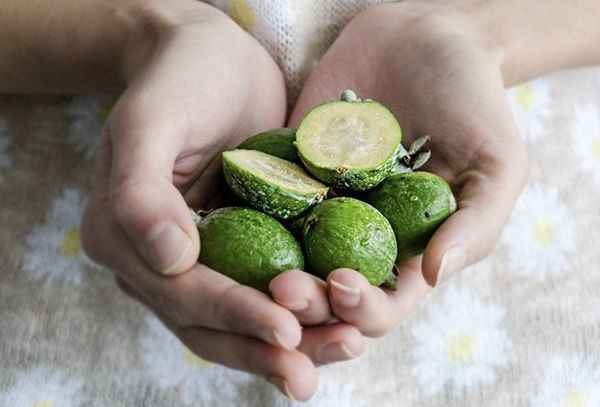
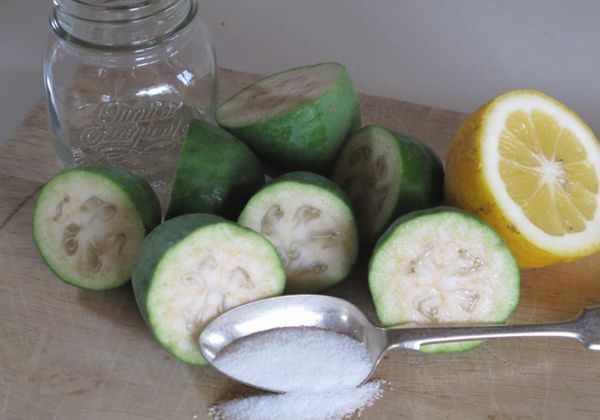
The bright green, oblong fruits, reminiscent of young nuts, are hardly particularly attractive. However, often the most ordinary, unassuming-looking foods turn out to be not only tasty but also healthy. And the feijoa's flavor is extraordinary—a harmonious blend of kiwi and strawberry with a subtle hint of pineapple.

The berry's nutritional profile is equally impressive, including: 0.6 g of fat, 1 g of protein, 13 g of carbohydrates, 8 g of sugars, and 6 g of dietary fiber. It also contains small amounts of unsaturated fats and fatty acids, as well as folate and malic acid. It's also rich in minerals and vitamins: phosphorus, potassium, magnesium, iron, sodium, and vitamins B, C, and PP.
The berry's greatest advantage is its record-breaking amount of iodine, which is quickly absorbed, and a significant dose of zinc.
Despite being high in carbohydrates, feijoa is not a high-calorie fruit. 100 g contains 49 kcal.
Video: "The Benefits of Feijoa Fruit and How to Prepare It for Winter"
This video will tell you about the benefits of feijoa fruit and how to prepare it for the winter.
The benefits of feijoa for the female body
It's hard to overestimate the benefits of this berry for women. A significant amount of zinc helps support reproductive system function.The high iodine content helps prevent iodine deficiency and combat thyroid disease. The vitamin content not only helps prevent colds but also maintains normal hormone levels and promotes healthy metabolic processes.
Minerals and acids support cardiovascular health and help increase hemoglobin levels. Fiber normalizes gastrointestinal function. Regular consumption of feijoa helps ease menstrual flow, improves mental well-being, and normalizes blood pressure.
Can it be taken during pregnancy?
Pregnant women should carefully monitor their health. Feijoa is safe to consume during pregnancy, but it's important to consult with your doctor before use. If no contraindications are identified, the following are reasons to eat the berry:
- the presence of useful substances in the fetus will replenish the deficiency of those that leave the mother’s body for the growth and development of the child;
- Iodine and folic acid promote the full development of the child, build immunity, and prevent problems with the thyroid gland and neural tube, which develop early in pregnancy;
- Dietary fiber will solve the problem of constant constipation, which pregnant women often suffer from, and will normalize the functioning of the gastrointestinal tract;
- Iron and other minerals prevent the development of anemia.
However, even if the berry is not contraindicated for a woman, she should not consume it in large quantities: start with a few berries and gradually increase the dose to the recommended one.
Eating fruit while breastfeeding
For nursing mothers, it is recommended to introduce feijoa gradually and only after the baby reaches three months of age. Otherwise, there is a risk of allergies. Feijoa should be introduced to the diet starting with ¼ of the fruit. Then, if the baby doesn't develop a rash and their stool remains normal, the dose can be increased to ½ a feijoa.
Dietary properties of the product
This berry is a real lifesaver not only for those trying to lose weight but also for those at risk of high blood sugar. Just 100 grams of berries contain approximately 17% of the body's daily fiber needs. Plant fiber supports blood sugar control and promotes slower digestion, preventing a large insulin spike.
Did you know that high levels of this hormone in the blood contribute to the rapid formation of fat deposits?
Feijoa is excellent for cleansing the intestines and supporting healthy microflora. This helps maintain a healthy weight.
Feijoa cosmetics
The berry's antioxidants slow the aging process. Various topical masks improve skin (removing acne and pigmentation) and hair.
Universal mask
An excellent option for maintaining overall skin tone. To prepare, you'll need 4 tablespoons of berry puree, 2 egg whites, and 2 teaspoons of honey. Mix all ingredients until smooth, apply to cleansed skin for 15 minutes, and rinse with water.
Rejuvenating mask
For the mask, you'll need 2 tablespoons of berry puree and 1 teaspoon each of vegetable oil and honey. Mix everything thoroughly and apply to your face for 15 minutes. Then rinse with water.
For oily skin
Mix the berry puree with a small amount of starch and a few drops of lemon juice. A few tablespoons of the puree is enough. Leave the mask on your face for fifteen minutes and then rinse with lukewarm water.
For dry skin
To prepare the mask, you'll need equal parts feijoa puree and soft cottage cheese, along with a small amount of cream. The mask should be creamy. Apply the mask for 15 minutes and rinse with warm and then cold water.
-
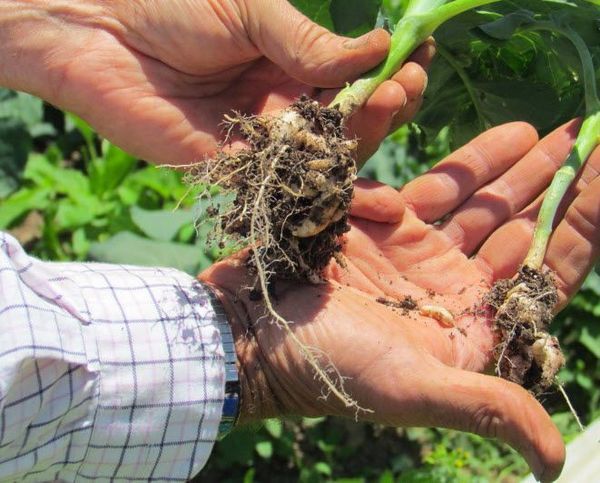
- Clubroot causes tumors and growths in the root area
Using the medicinal properties of feijoa
Not only the fruits, but also the leaves of feijoa are used to treat and prevent various diseases.
In the treatment of the thyroid gland
Feijoa replenishes iodine deficiency and helps normalize thyroid function, even reducing it. The berries are consumed in the amount recommended by a doctor, and the leaves are simply steeped and drunk twice daily, like green tea.
For diabetes
For diabetics, the daily intake should not exceed two berries per day. Carbohydrates are quickly digested, but fructose and glucose can seriously impact blood sugar levels. A leaf pulp can help treat trophic ulcers caused by the disease.
For pancreatitis
In the case of pancreatitis, the pulp, leaves, and peel of the fruit are all useful for treating it. The pulp and peel are eaten fresh (only ripe fruits), and the leaves are used to make an infusion, which is recommended to be taken before meals.
From stress
For those who frequently experience stress and nervous disorders, which put additional strain on the heart and weaken the immune system, regular berry consumption will help. Three to four berries a day is sufficient.
For high blood pressure
Magnesium, potassium, iron, and ascorbic acid have a relaxing effect on blood vessels, lower cholesterol, and improve circulation. Eating three berries a day or making a smoothie is sufficient. To make the smoothie, pour 100 grams of pulp into a glass of boiled water and add a teaspoon of honey.
For the treatment of various diseases
The abundance of nutrients in feijoa helps combat other ailments, including colds, viruses, atherosclerosis, and cardiovascular disorders. It also helps normalize the nervous system and gastrointestinal tract.
Possible harm and contraindications
This exotic berry can also cause serious health problems. Therefore, it's important to consider the following:
- Children under one year of age should not consume berries;
- It is not recommended to combine the intake of berries and dairy products, as this can cause gastrointestinal problems;
- It is forbidden to consume berries if you have thyroid dysfunction – there may be an excess of iodine;
- there is a risk of an allergic reaction, since feijoa is a strong allergen;
- only on recommendation and in limited quantities for pregnant and lactating women;
- You can only eat fully ripe fruits; unripe berries can cause poisoning.
Even the healthiest food can become toxic if consumed in excess, not to mention exotic fruits that have only recently arrived in our country. Therefore, always consult your doctor before consuming and do not exceed the recommended dose.