
Why is it worth planting and growing daikon Sasha?
Content
Description and characteristics of the variety
Daikon, with the unusual name "Sasha" for a vegetable, is classified as an ultra-early ripening variety, which is its main advantage. The description states that the growing season is 35-45 days, but many gardeners report that in favorable weather conditions, the roots ripen within a month. This is why growing this variety is so popular in the temperate zone, as other varieties, including Asian ones, ripen in 60 days at best.
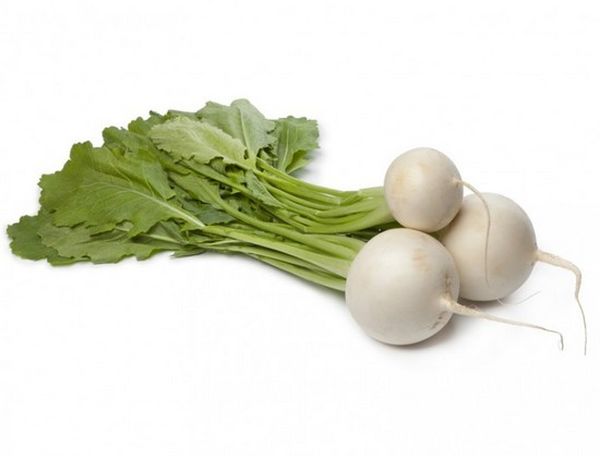
The roots of the daikon "Sasha" are not very large (200-400 g and 10-12 cm in diameter), round, slightly flattened, and similar in appearance to white radish. When ripe, the fruit is halfway above the soil surface, making harvesting easy. The flesh is firm, without voids, crisp, snow-white at the tip and slightly green at the petioles. The flavor is refreshing, slightly sweet with a subtle tang, due to the absence of mustard oils in the flesh. Suitable for baby food and dietary nutrition, it is ideal fresh in salads.
Daikon Sasha is perfectly adapted to the local climate. It can be grown both in open ground and in greenhouses during the winter and spring. While the yield in the garden is approximately 2.5–3 kg/m², in greenhouses, it can reach 4.5 kg per 1 m². Another unique quality of this variety is its resistance to bolting, allowing it to be sown several times during the season: early spring, midsummer, and even fall.
Features of cultivation
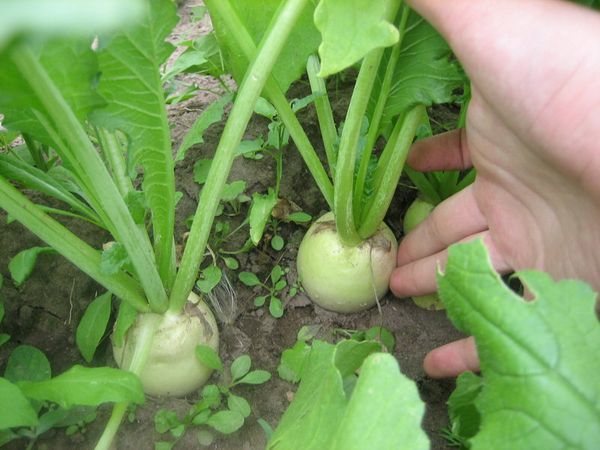
Planting and caring for daikon isn't labor-intensive. It can grow in any soil, but produces best in light, albeit not very fertile, soils. If the soil is heavy or clayey, it should be dug over and a little organic matter (compost or humus) added. Daikon grown in such soil will have a richer flavor.
Most daikon varieties are recommended to be sown in the second half of summer, but this does not apply to the "Sasha" variety. You can decide for yourself when to plant this variety based on your preferences. Given its very short growing season, it can be sown in the spring, at the same time as radishes, in the second half of summer, or in late August. Regardless of your planting time, the roots will still have time to ripen, as they only need one month. Growing roots in a greenhouse over winter takes a little longer.
Fresh daikon seeds germinate very quickly – in 4–7 days, depending on the soil moisture.
They are sown in furrows spaced 60–70 cm apart. Although the roots themselves are not very large, their tops are large, and if the rows are spaced too closely, the growing plants will interfere with each other. Sow the seeds spacingly, as most of the sprouts will be removed during thinning, and plant them no deeper than 1.5–2 cm.
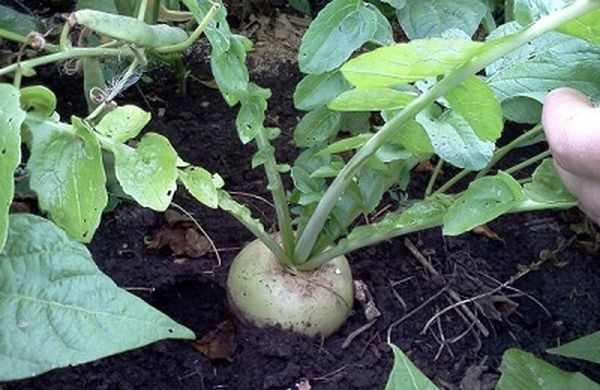
Care of the crop consists of the following processes:
- Thinning (performed as soon as 2-3 true leaves form on the plants). It is necessary to leave the strongest shoots at a distance of 20-25 cm from each other;
- Watering. Until the seeds sprout, the soil should be kept moist, then water the daikon as the top layer of soil dries out;
- weeding (2-3 times);
- pest protection.
Protecting daikon from harmful insects, particularly the flea beetle, is a separate topic in daikon cultivation. Resistant to many diseases and pests, it is completely defenseless against the flea beetle, which finds the tender young leaves a real treat.
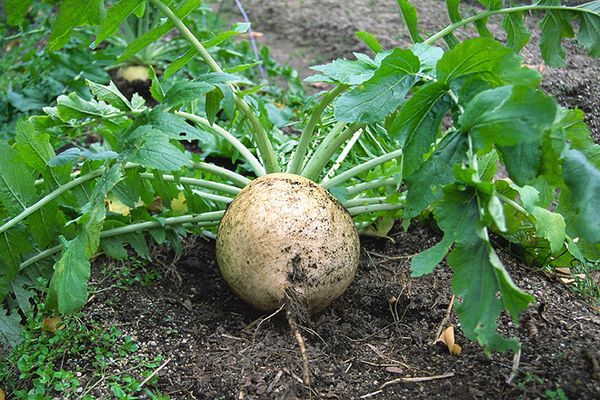
To protect crops from flea beetles, some gardeners spray them with a liquid mixture (tobacco, ash, and red pepper). However, this method isn't always effective. A simpler solution is to grow daikon under cover (film or spunbond) until the first true leaf appears. This solves several problems: the plants are protected from flea beetles, and the soil is protected from drying out and weed growth.
It is recommended to apply fertilizers to the soil only before planting.
During the growing season, daikon should not be fertilized, as the roots quickly accumulate chemicals. The crop is harvested immediately after ripening. If left in the ground for too long, the flesh may become tough and the flavor will deteriorate. For storage, daikon should be dried, placed in a cool place, or covered with sand. In this form, it can be stored for up to three months.
Advantages and disadvantages
Gardeners who have grown Sasha daikon in their gardens are very pleased with the harvest. Specifically, they note the following positive aspects of the variety:
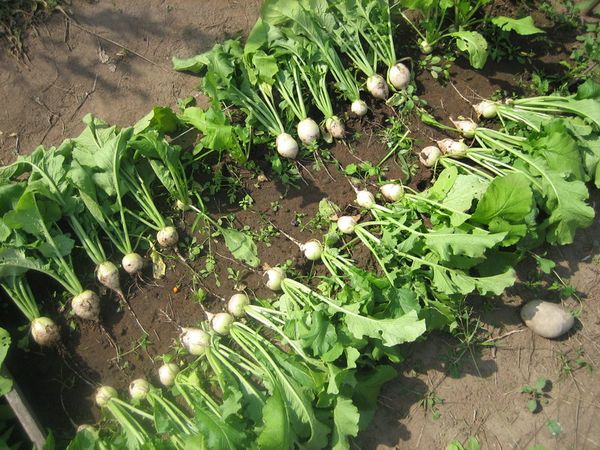
- First of all, it ripens very early, allowing you to enjoy the root crop literally a month after sowing the seeds;
- undemanding to soil conditions and composition;
- the ability to grow crops all year round (in garden beds and greenhouses);
- easy to care for;
- low bolting ability;
- excellent taste and the possibility of using it in dietary and children's diets;
- good keeping quality (up to 3 months), which is rare for summer varieties.
The "Sasha" variety has no serious flaws. A minor drawback is the root crop's tendency to crack, but this is more likely due to improper care.
Video: "When to Plant Daikon"
This video will tell you when to plant daikon.