
How to choose the best variety and plant radishes
Content
How to choose a variety
Before learning about the specifics of planting radishes outdoors in August, it's important to have a clear idea of which variety you'll choose. Those who decide to sow radishes in their garden should understand that purchasing a large-fruited variety of this root vegetable isn't enough. It's crucial to choose a variety that will not only yield a good harvest but also one whose fruits will keep for a long time, even during the winter.
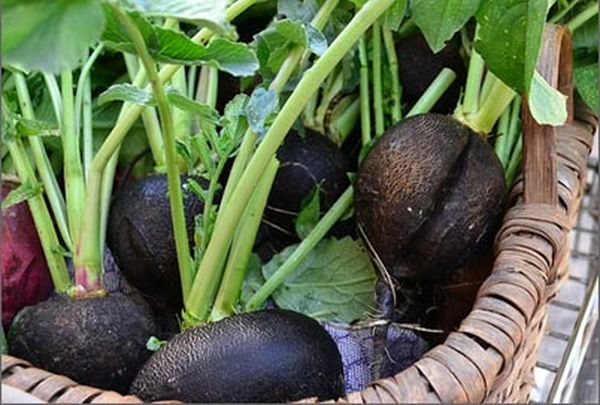
You can plant both mid-season and late-season radishes in your garden. The first category includes varieties called "Winter Round Black," "Skvirskaya Black," and "Elephant Tusk," while the second includes "Chernavka" and "Grayvoronskaya." Once you've decided on the best root vegetable variety for you, you can plant radishes in your garden.
Landing time
Timing of radish planting in the Urals is definitely an important point for gardeners. Before planting radishes, it's important to understand one key point: the climate in the Urals and Siberia differs dramatically from other regions of the country. It's recommended to select a variety and study planting techniques based on this information. Generally, May is the best time to plant radishes from seeds.
By this time, the soil has warmed up sufficiently, meaning the seedlings won't freeze due to a sudden change in weather. Winter radishes—the variety you'll harvest in late autumn—sow before mid-June. The specifics of sowing radish seeds in open ground in the Urals or Siberia are virtually identical to those for growing the root crop in other regions of Russia.
Selecting a location and preparing a garden bed
To ensure large radishes grow in your garden, planting, care, and timing aren't the only things you'll need to consider as a gardener. Growing this root vegetable and harvesting a substantial harvest is possible if you consider factors such as soil condition and quality, as well as the site you'll be sowing the seeds, in advance. This plant prefers fertile soil: loamy, slightly alkaline, and neutral.
Acidic soil is not the best choice for planting root vegetables, as they won't develop very vigorously in such conditions. Furthermore, various diseases are possible. Particular attention should be paid to the radish's predecessor. Typically, it should be planted after garlic, beans, corn, tomatoes, and cucumbers. Also, remember to prepare the soil for sowing radish seeds. It is recommended to dig the soil in the fall. This will ensure the soil is loose when planting the root vegetables.
Selection and preparation of seeds
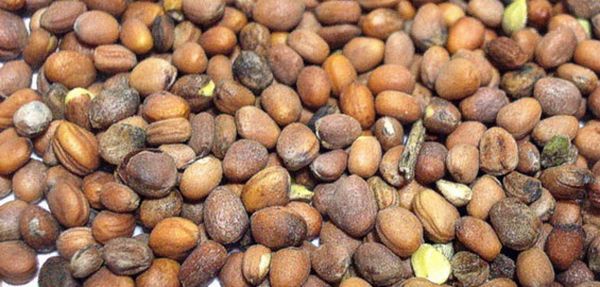
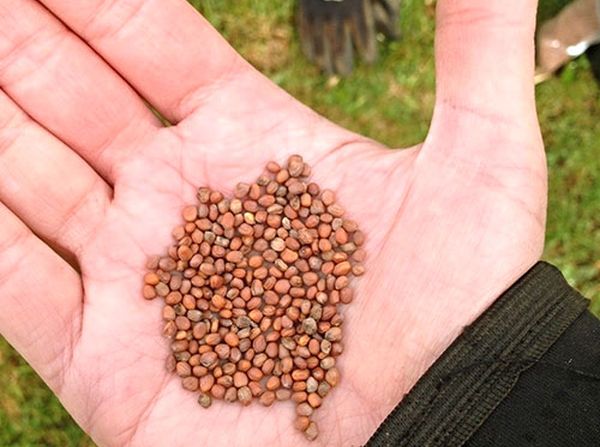
For planting, it's best to select large seeds. During preparation, it's recommended to soak the seeds in a salt solution. To do this, add one tablespoon of salt to a glass of water. This way, you can reliably select the ideal seeds for planting in your garden. When preparing the seeds for sowing, it's also crucial to briefly soak them in a potassium permanganate solution. This procedure is essential, as it will protect the planting material from various diseases.
Secrets of planting
Growing radishes in your garden or allotment is easy if you identify and follow some basic guidelines. For example, you can add fertilizer to the soil immediately before sowing the seeds. Avoid using fresh manure; it's better to use well-rotted manure mixed with wood ash. Generally, it's recommended to plant the seeds about 2–3 cm deep in the soil. Cover them with peat moss and humus. After a while, when the first shoots emerge, the soil should be thoroughly loosened to ensure air access to the seeds.
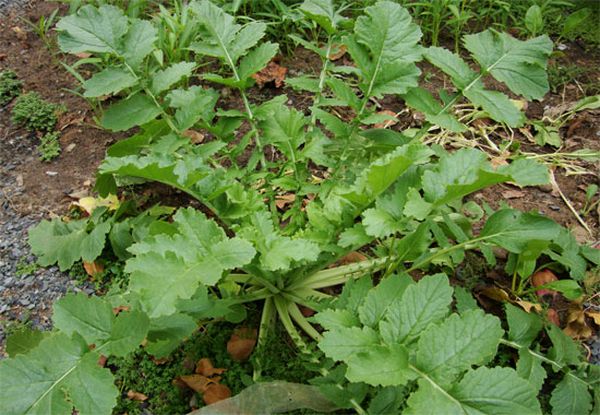
In the future, you won't be able to avoid thinning the seedlings. This procedure is essential, as thinning will allow the largest shoots more space for further development. During this process, ensure that the distance between the remaining root crop shoots is approximately 15 cm.
Under no circumstances should radishes be planted too densely: instead of forming fruits, the plant may stop ripening at the stage of flower stalk emergence.
Further care
Proper care for seeds planted in the seventh month is essential. Sowing them in July after garlic or thinning them out in time is not enough. Follow these recommendations to ensure a truly bountiful harvest in 2025:
- When the seedlings clearly emerge from the ground, they will need to be dusted with wood ash and tobacco. Can I use a special solution? Absolutely, because it will protect the plant from pests.
- Try to weed your beds regularly. This will remove weeds, loosen the soil, and thin out the seedlings;
- Water the seedlings generously and regularly. If the seeds were sown in the spring, it's recommended to moisten the soil at least once a week. For winter radish varieties, watering them no more than 3-4 times throughout the season is generally sufficient. Don't neglect watering. Otherwise, the roots will simply lose their flavor.
- Growing radishes requires regular fertilizing. In the spring, it's recommended to fertilize the soil with nitrogen fertilizers at least twice. Use sodium or calcium ammonium nitrate, as well as mullein. If you decide to plant winter radishes, it's recommended to apply a complex mineral fertilizer at least once a week in the fall.
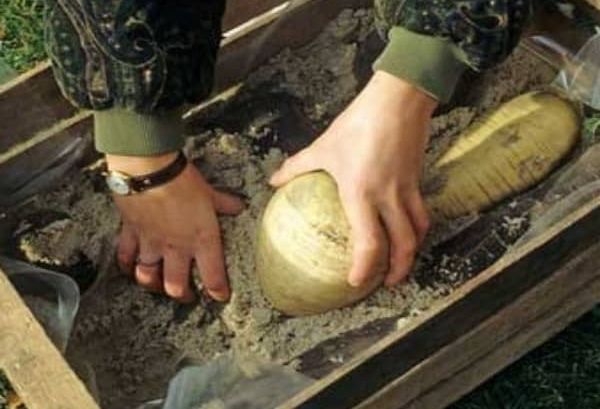
When it's time to harvest, prepare wooden boxes filled with well-moistened sand for storing the root vegetables. Place the harvested radishes in these containers and store them in a basement or pantry. Follow the basic rules for planting and growing radishes, and you'll be pleased with the fall harvest.
Video: Growing Radishes
In this video you will hear useful tips on growing radishes.