
Secrets of using oilseed radish as green manure
Why do we need green manure?
Today, green manure crops are used to enrich the soil with organic matter and complete nitrogen. Unlike mineral nitrogen, complete nitrogen is much better absorbed by plants.
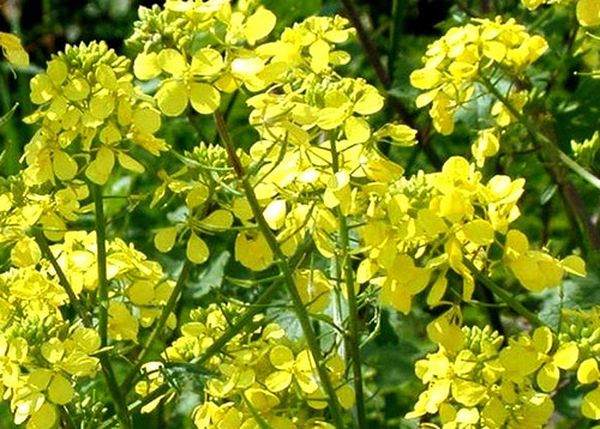
Green manure crops have a root system capable of extracting elements from deep soil layers that are essential for the complete nutrition of garden crops, such as calcium, phosphoric acid, magnesium, and so on. Microorganisms digest the plant residues of green crops, converting them into humus. Green manure crops are quite common plants. They are easy to sow and care for, and their benefits are invaluable.
It is worth noting that such crops can be sown not only to improve the soil's properties, but also to obtain a harvest. After all, many of these plants are actually vegetables or grains (for example, oilseed radish). However, the ability of such crops to enrich the soil was discovered relatively recently.
The following points should be noted as features of green manure:
- Plants are capable of rapidly accumulating green mass. When incorporated into the soil, this mass enriches it with beneficial nutrients essential for garden crops. Thus, green manure remains on the soil surface as mulch;
- have a well-developed root system. The roots are capable of penetrating deep into the soil. Their growth effectively aerates the soil and brings beneficial micronutrients to the surface, which plants with short roots simply cannot reach;
- dominance of green manure crops over weeds. They suppress the growth of weed crops;
- protection of the soil from drying out, strong heating, weathering, and freezing;
- Helps eliminate pests. Pests prefer to avoid such plantings. Green manure is also an effective way to combat diseases;
- During the flowering period, the honey plant green manure, including oilseed radish, attracts pollinators;
- They are used as fertilizer. This fertilizer can be used in combination with other types of fertilizer.
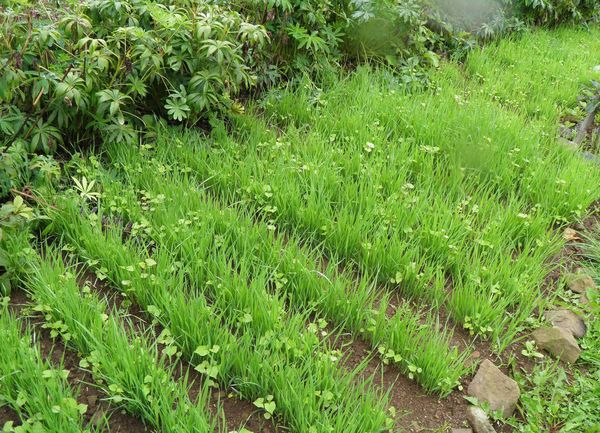
All of these properties and characteristics are also characteristic of oilseed radish. Oilseed radish green manure is not only a vegetable crop but also an excellent fertilizer. Therefore, after growing this plant, other crops demonstrate better germination and yield a higher yield. After sowing, the plants quickly form green mass. After mowing, this mass rots and turns into natural fertilizer rich in organic matter. Therefore, this green manure should be sown in areas where the soil is already depleted.
Oilseed radish also effectively protects soil from erosion, which is especially severe in the fall and spring. If this crop is left unharvested over the winter, it will trap snow. As a result, the soil will be saturated with moisture but will not freeze. Therefore, spring sowing of a new crop in this location will result in more vigorous plant growth.
Planting this variety of radish effectively enriches the soil. If 1 hectare of land is sown, the soil will accumulate:
- 85 kg of nitrogen;
- 100 kg of potassium;
- 25 kg of phosphorus.
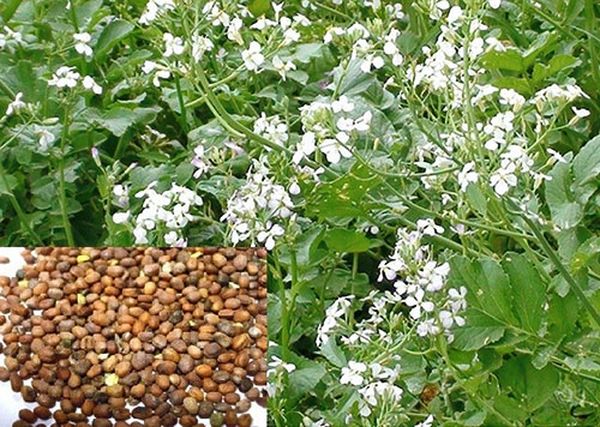
This crop is also sown if vegetable crops in the area are frequently affected by diseases. For example, the oilseed variety of radish is an effective way to combat clubroot. It suppresses the development of nematodes and other parasitic insects. Planting this crop near grapes will encourage more vigorous growth and vine development.
It's worth noting that cruciferous vegetables should not be grown after oilseed radishes. However, all other crops will yield excellent results.
As we can see, the uses of green manure, including oilseed radish, are quite varied. However, before sowing radish seeds, it's important to understand the rules for using this crop. After all, it's not recommended to use the same plant as green manure for many years.
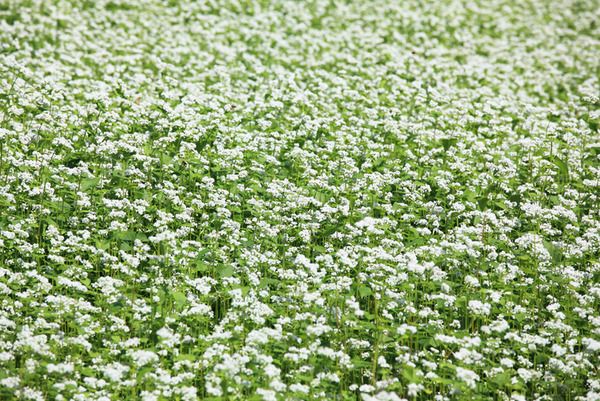
Terms of Use
Oilseed radish is an easy-to-care-for crop, capable of growing in absolutely any weather conditions. Its seeds can be sown in any type of soil. Due to the nature of its roots (which grow primarily vertically), watering is not necessary. The plants are capable of extracting water from deep soil layers. However, when grown in alkaline soils, the plants will require additional feeding.
Planting is possible in any region of the country, as the plant tolerates subzero temperatures well. The pods and shoots develop vigorously in both shade and sun.
The oilseed variety of radish is most often used after the harvest of early spring, vegetable, and winter crops. However, complete decomposition and conversion into fertilizer occurs only in high humidity conditions.
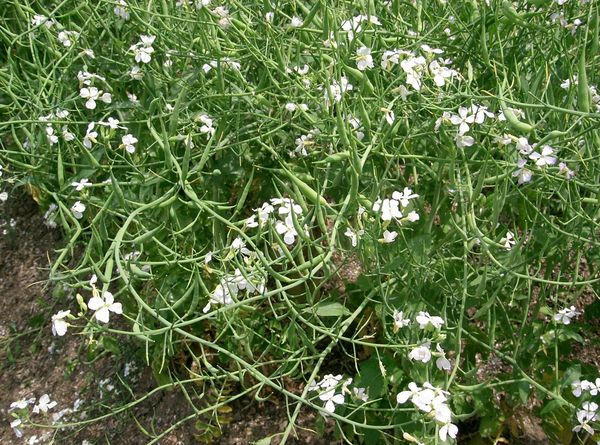
The best time to sow this crop is from early spring to mid-September. However, remember that planting seeds after the second half of August will only fertilize the soil by half. This is because the formation of green mass will not be as intense as in spring and summer. Sowing this green manure seed before planting cabbage is prohibited.
Plants should be mown before flowering. The green mass is chopped up with a shovel. Afterward, humification occurs. Complete decomposition of the biomass occurs within 2–3 weeks. This process can be accelerated by using EM products.
As we can see, the oilseed variety of radish is an excellent green manure crop. This crop has many beneficial properties and effectively prepares the soil for the coming season.
Video: How to sow green manure
This video will show you how to properly sow green manure.