
Review and cultivation of Chinese radish varieties
Content
The best varieties
Radish not only has several popular names, but also differs in the shape and color of its roots: round and elongated, bright green and slightly greenish, white and purple-pink, with delicate, multicolored flesh. One thing remains constant: the wonderful, delicate flavor of the flesh, lacking the bitterness of the common European radish. The most popular among gardeners and gourmets are the Margilan (or green) radish and the Elephant's Tusk.
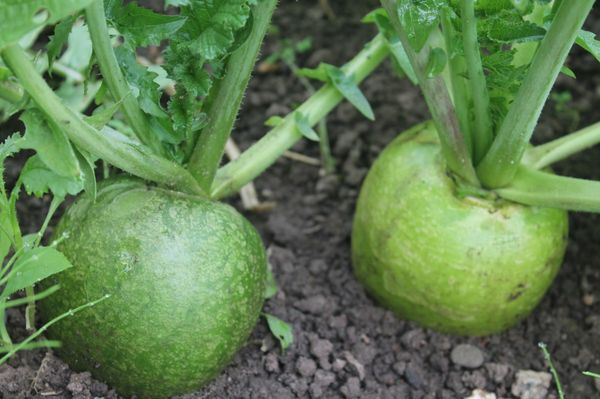
Margilan
Chinese radish, or loba radish as it's known in its native land, was introduced during the time of merchants and caravans, who carried all kinds of goods from China to Europe along the Silk Road. The radish, which attracted and delighted the urban residents of Margilan, became so established there that it became known as Margilan radish.
The beneficial substances contained in the root vegetable make it one of the most valuable products on our table. The content of vitamins, fiber, sugars, pectin, and essential oils stimulates growth, development, and functioning of the body. Thanks to its sweet and juicy flesh, lobo can be eaten raw or cooked, paired with any vegetables. This vegetable is a real find for vegetarians and those on diets.
Radish is an excellent remedy, possessing pain-relieving and antiseptic properties, and is helpful for liver, kidney, and gallbladder problems. However, it should be consumed in moderation and after consulting a specialist. Green radishes, also known as watermelon radishes, are round or cylindrical in shape, with bright green skin and raspberry-colored flesh. A single radish averages about 400 g, but can weigh up to 1 kg.
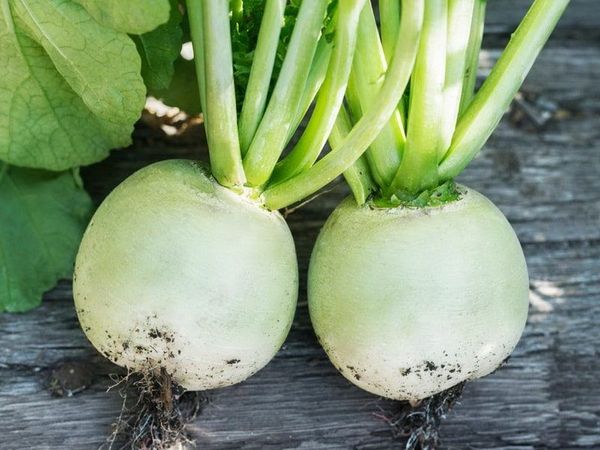
Elephant tusk
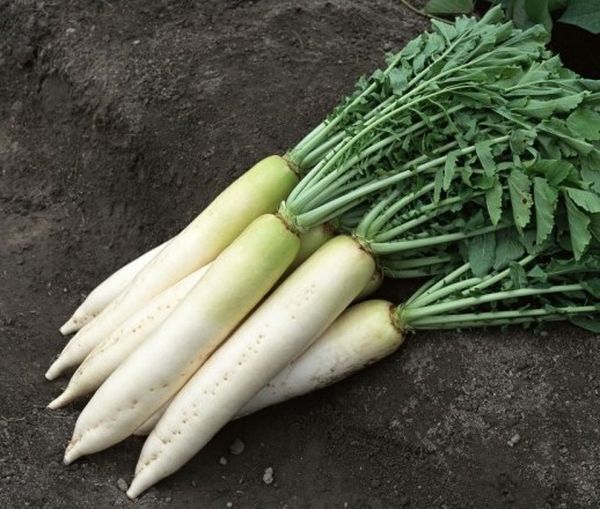
Some gardeners consider the Elephant's Tusk variety a type of Margilan radish, while others classify it as a Japanese daikon. The variety is characterized by high yields and resistance to drought and various diseases. Its flavor is also an advantage. The name eloquently hints at the vegetable's appearance: white, oblong, up to 60 cm. The fruits are unusually crisp, aromatic, and healthy.
Landing features
Planting timing should be selected based on the variety's characteristics and the growing site's climate. When to plant green radishes is up to you. Open ground sowing can be done in either spring or summer. In this case, you should focus on the early maturity of the root crop.
Lobo can be planted in spring, from mid-April until the end of the last ten days of May, and in summer, from mid-July to early September, under favorable weather conditions. If green radishes are planted in spring, a sudden warming of the weather and increased daylight hours may cause flower stalks to appear on plants that have not yet developed roots.
To prevent the plant from blooming prematurely, many gardeners prefer to plant it in the summer. Since the plant tolerates light frosts well, there's no need to worry about the root crop not having time to ripen and gain weight.
The optimal temperature for the growth and development of green radishes is considered to be around 20°C, but a significant increase can cause early emergence of flower stalks.
It's best to prepare the soil in the fall. Choose sites with neutral or slightly acidic soil. If the soil is too acidic, add slaked lime. Fertilize the soil with organic and mineral fertilizers, including potassium, superphosphate, and ammonium sulfate. Make seeding furrows deep enough (at least 30 cm) and spaced well apart. Selecting high-quality seeds is crucial: discard any unripe or damaged ones. To ensure rapid germination, thoroughly moisten the soil and cover with plastic wrap. Thin the seedlings if necessary.
Care instructions
Green radishes have their own key growing and care requirements. Fertilize the roots at least twice: after the first thinning and during active root growth. You can use complex fertilizers or ash and nitrophoska. If the roots haven't grown sufficiently and the leaves have already turned white, feed the plant with organic fertilizer.
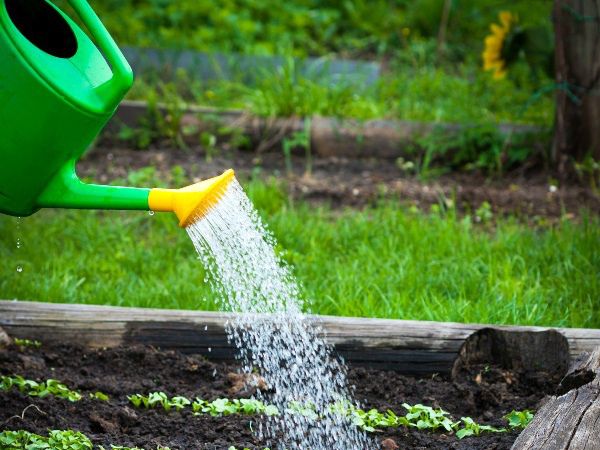
This vegetable thrives on moisture, so it requires frequent and abundant watering. However, watering should be regular and even, otherwise the radish may crack.
Why does radish become tough and bitter? It's because of a lack of moisture.
Preventative pest control is also important. Immediately after sowing, the soil should be treated with a mixture of ash, tobacco dust, and lime, taken in equal parts. Another ash treatment is recommended when the first shoots appear. Tobacco dust, wormwood flour, and pine needles will help protect the lobo from cabbage flies. Slugs can be controlled by regularly hilling the roots. The main thing is to avoid overcrowding and promptly remove excess leaves.
Harvesting
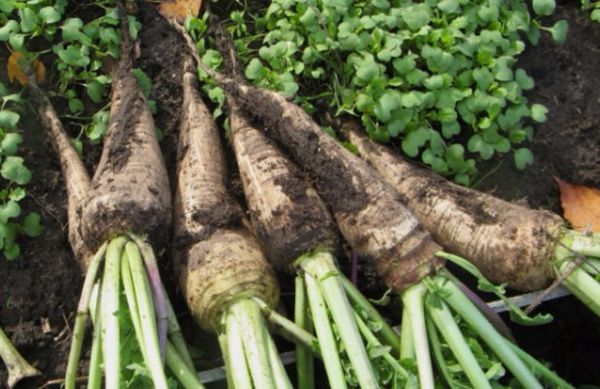
Growing radishes isn't enough; you also need to harvest them on time. It's important not to over-plant the radish, otherwise it can lose its flavor and the flesh will become hollow. Selective harvesting can help you determine when to harvest. In summer, harvest as needed, gradually gathering the entire crop; in autumn, it's important to avoid frost.
A cool, dry day is ideal for harvesting. Dig up the radishes, let them dry for a while, trim the stalks, and then store them in a cool, dry place. Green radishes can be stored well for several months; it's important to sort them periodically.
Video: "All About Caring for Radish"
This video will show you how to plant and care for radishes.