
Growing a good crop of radishes in egg cells
Content
Advantages of technology
Growing radishes in paper egg cells is becoming increasingly popular. This method allows you to save on seeds and simplify the care of young plants.
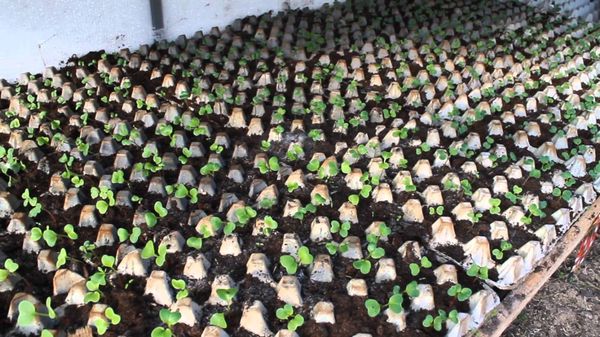
This "saving" feature is achieved by planting only one seed per hole. Young seedlings won't need thinning in the future. Furthermore, the root vegetables will grow neat and large.
How to plant radishes in egg cartons
To sow radishes in egg cells, you'll need to prepare the necessary tools: a sharp knife, planting material, water for irrigation, and the cells themselves. The conical tops of the egg cells should be cut off, creating "holes." These are where the seeds will be placed.
Place the egg trays on the ground with the holes facing down and press them lightly. This way, a small amount of soil should settle into the "hole." This simple procedure will help the seeds settle in a specific spot rather than spreading throughout the garden.
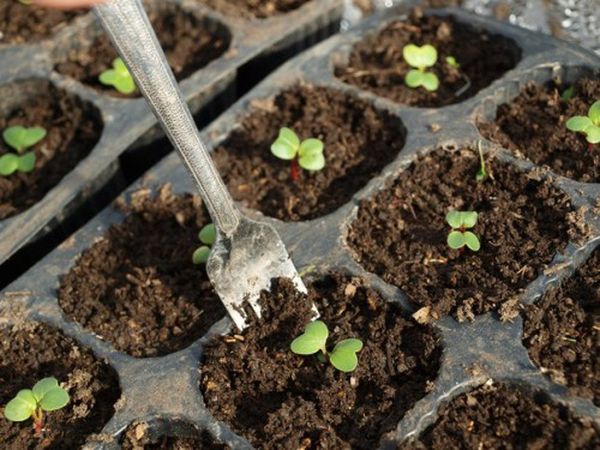
If planting radishes in trays on unprotected soil, use thick wire to create "staples" and secure the trays to the surface and to each other. This securement will prevent the wind from spreading the radishes throughout the plot.
Next, carefully inspect the seeds, remove any debris, and select the largest ones. Place one seed in each hole in the tray. This will help prevent thinning of the young seedlings in the future.
The bed created in this way should be filled with soil and watered generously. Experienced gardeners advise covering the bed with sand rather than soil. Why? The reasons:
- when drying, unlike soil, sand does not form a crust;
- When harvesting, you can gently shake it, and the roots will come out clean. Wet soil is much more difficult to remove from the vegetable.
Once the seeds have been planted and watered, it remains to wait about a week, and you will be able to observe the germination of the seeds and the active development of the sprouts.
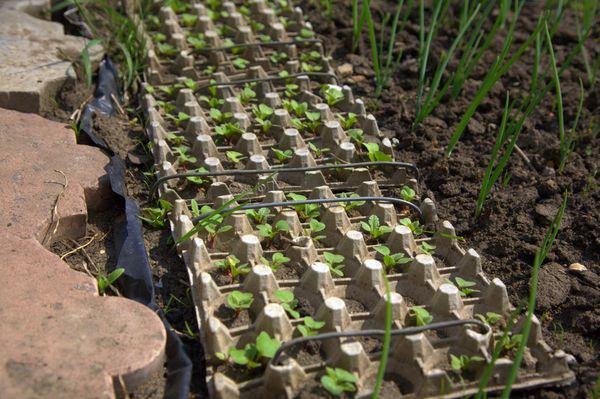
After a month, the radishes planted in the cells will yield their first harvest. To prolong the fruiting period, it's best to sow seeds in all the "egg" holes at once. It's best to leave 5 days between seedings. This will help you harvest the entire crop in short intervals rather than all at once.
Many gardeners sow radishes weekly. This helps ensure a fresh harvest lasts for a long time: harvest the radishes from one bed, and they'll appear in another.
Another trick is to plant root crop varieties that have different ripening times.
Growing and care
Growing radishes in egg trays requires the same care as when sowing them in furrows, and consists of two main procedures:
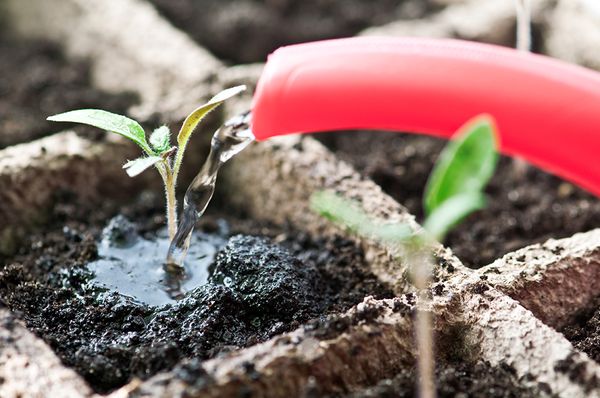
- Watering. Radishes will grow and thrive only in consistently moist soil. However, overwatering is no less harmful. When planting in unprotected soil, depending on rainfall, it's best to water young sprouts in the evening. The soil can be moistened a little daily. If it's cold outside, reduce the interval between waterings to three times weekly.
- Loosening the soil. Radishes growing in egg trays require periodic loosening of the soil. This is the only way to prevent a crust from forming on the surface, which will slow down the vegetable's development. Loosening the soil should be done after each watering or slightly less frequently. The frequency of this procedure depends on how quickly a crust forms. Mulching with a layer of humus or peat helps retain moisture in the soil.
Pest control
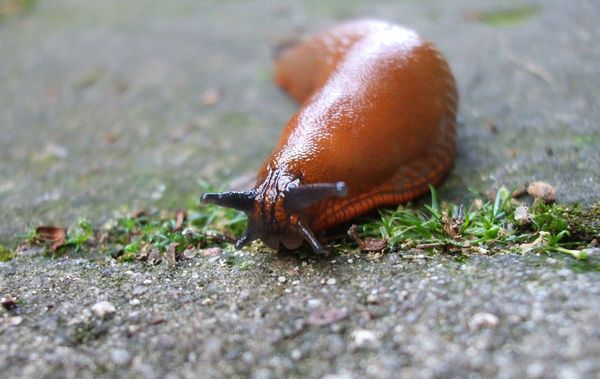
Radishes are often attacked by parasitic insects: beetles, butterflies, slugs and flea beetles. To combat parasites, alongside chemical treatments, folk remedies are often used. Gardeners fertilize radish plantings with slurry manure, which helps repel parasites, and also spray the crop with henbane or datura infusions or sprinkle the leaves with wood ash or tobacco dust.
You can combat cruciferous flea beetles using a solution of ash or tobacco dust. These solutions are quite easy to prepare: dissolve a couple of cups of dust or ash and 50 grams of laundry soap in a bucket of water. You can cover the young shoots with agrofibre or sprinkle them with celandine and tansy powder (a matchbox per unit area).
Planting radishes in egg trays is a new method for growing root vegetables. It offers several advantages, making it a popular choice among more and more gardeners.
Video: Planting Radishes in Egg Trays
This video will show you how to properly plant radishes in egg trays.