
Growing radish varieties on a windowsill
Content
Varieties for home growing
Growing radishes on a windowsill is a task anyone can handle, even a novice gardener. This plant is self-pollinating, so it can be grown indoors year-round. However, to achieve the best results, it's recommended to first select the optimal variety.
What criteria should you consider when selecting and purchasing radish varieties? It's best to buy early-ripening varieties, as you'll be able to harvest your first crop within 20-25 days after the first shoots emerge. Choose radish varieties considered drought-resistant and tolerant to low light conditions.
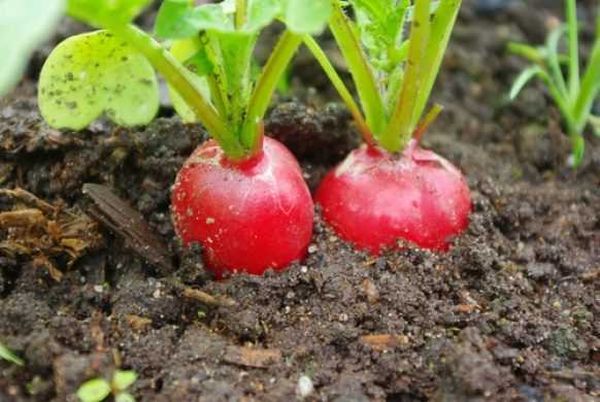
As a rule, not all amateur apartment gardeners will have the opportunity to place their seedlings on a south-facing surface to allow them to fully warm up and absorb sunlight. Therefore, it's best to plant varieties with typical characteristics. This way, your seedlings will be able to easily withstand temperature fluctuations in your apartment or any sudden change in microclimate. It's crucial that the plant doesn't produce shoots, which would hinder its vigorous growth.
Which varieties of radish best meet these requirements?
Deca
Radishes can produce quite a lot of fruit indoors. The Deka variety is quite popular among gardeners. This variety produces a harvest very quickly. Remarkably, this variety of indoor radish will not bolt, even if it is constantly kept in a well-lit area. You can enjoy the early-ripening Deka radish within 3-4 weeks of planting.
Diego
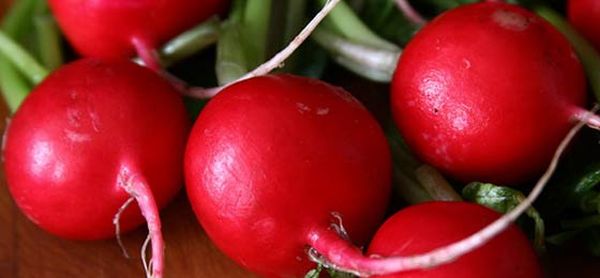
To ensure that radishes on your windowsill produce fruit well, it's important to carefully select the root vegetable variety. For example, the "Diego" hybrid is an early-ripening variety that produces fairly large fruits. It has been grown indoors for about the same amount of time as the previous variety. Interestingly, this root vegetable stores well and for a long time without losing its flavor.
Dabel
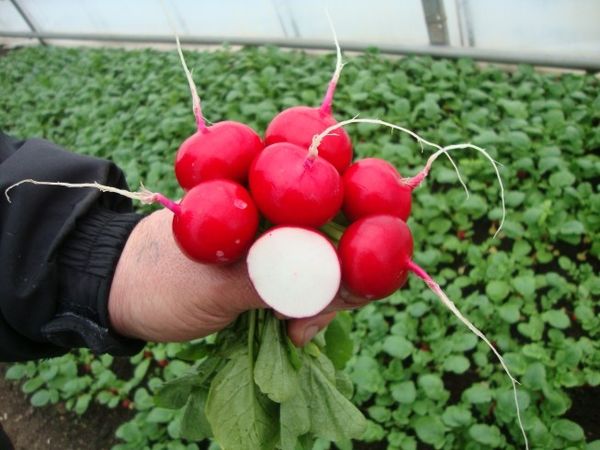
Many people know how to grow radishes on a windowsill. But first, you need to choose the right variety that meets all your needs and produces a good harvest. The "Dabel" radish variety is one such example. Its fruits are quite large and brightly colored. Importantly, this vegetable can withstand temperature fluctuations and sudden drops, making it a safe choice for growing on a windowsill or balcony in your own apartment.
Champion
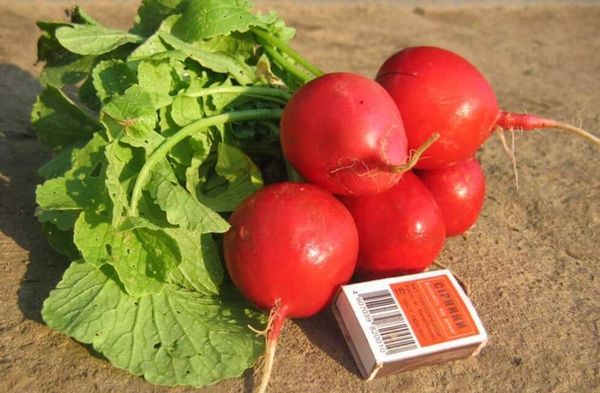
Radishes on a windowsill in winter—what better way to get vitamins than ever before? That's why it's worth considering planting this vegetable, especially in a city apartment. Among the popular varieties of this vegetable is "Champion." This variety produces large, round fruits that retain their crunch for a long time and resist flaking.

16 days
Which radish is recommended for growing on a windowsill? There's a wide variety available today. Among them, the "16 Days" variety stands out. The name speaks for itself. This root vegetable matures in just 16 days. Importantly, it won't bolt or crack. This makes this radish variety an ideal choice for any amateur gardener.
Growing rules
Many people know the basics of growing radishes at home. However, to ensure a full harvest, it's important to develop a detailed plan. To do this, you need to understand the basic growing conditions for radishes at home. There are two key reasons why the harvest of this crop may not be very bountiful:
- the room temperature is too high;
- lack or, conversely, excess of sunlight.
Knowing the most important requirements will help you grow radishes in winter without much effort.
Remember that home-grown radishes are, first and foremost, a cold-hardy plant. These root vegetables will tolerate low temperatures quite well. They can react much worse to increased temperatures. In such a situation, the seedlings begin to bolt and actively prepare for flowering, which is undesirable.
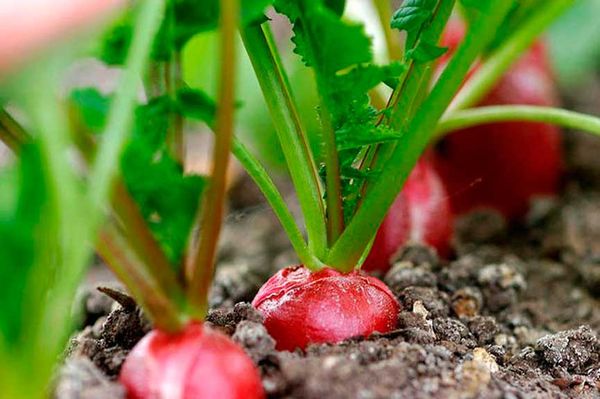
Try to place containers with radish seedlings in a sunny place, but away from heating devices.
If, for example, there's no radiator or heater under the window, containers of soil can be safely placed on the windowsill. Those who can provide all the necessary conditions for radish sprouts in their apartment will harvest gradually throughout the year. The key is to periodically sow the seeds in additional containers.
Planting boxes
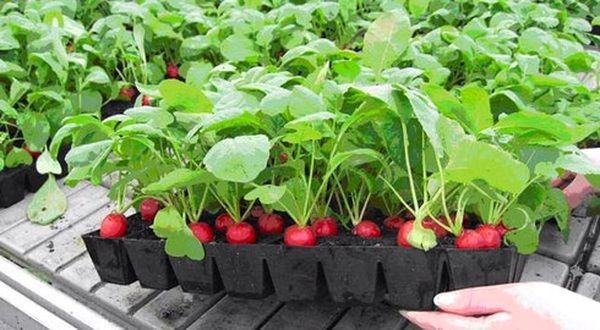
Planting radishes on a windowsill isn't difficult, but you need to properly prepare for the process first. First, select special containers for planting this crop. Some gardeners prefer to use large plastic containers in which they can sow radishes in batches.
Wooden crates or plastic containers, divided into sections with small indentations, can be used as alternative containers. These containers are the ideal choice for any gardener. Be sure to ensure drainage—small holes in the bottom of the pots to allow excess moisture to escape.
Soil composition
Growing radishes on a windowsill requires not only proper cultivation but also careful soil and seed preparation. As for soil, the easiest option is to collect it from your garden plot or from under your house. While you'll get some results, you're unlikely to reap a bountiful harvest of radishes. A nutrient-rich soil mix will be much more effective. You can purchase it at a specialty store or mix it yourself.
The key is not to overdo it with fertilizer. To ensure the substrate is truly nutritious, you can mix garden soil with peat in equal proportions.
Another way to prepare a soil mixture is to add sand and humus to the soil. This will ensure good results when planting seeds.
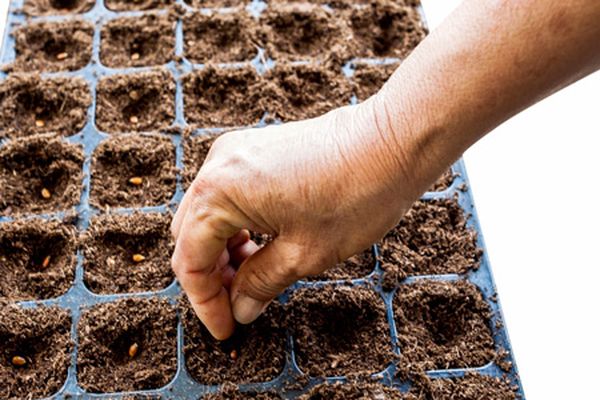
Sowing seeds
To ensure radishes grow at home and produce a bountiful harvest, you need to sow the seeds according to all the rules:
- it is necessary to make small holes in the ground;
- they should be filled with warm water;
- Next, you need to sow the seeds, maintaining a distance of 3 cm between the grains;
- After distributing the seed material, it must be covered with earth and watered so that the soil settles a little;
- Once the seeding process is complete, it's best to cover the container with glass or plastic. Leave it in this condition until the first shoots appear.
- After the seedlings emerge from the top layer of soil, they should be moved to a cool place for a couple of days to harden off. After this process, the container with the radish seedlings can be returned to its previous conditions.
Now you only need to maintain comfortable conditions for the active development of your seedlings.
Caring for seedlings
Avoid overwatering the seedlings. Water only after a light, dry crust forms on the surface of the substrate. During the summer, you can mist the soil regularly, but avoid overwatering the plant stems. Fertilizing is generally unnecessary. If you purchased a high-quality soil mix or prepared it yourself, there's no need for further fertilizing.
If desired, you can add ash and compost to the soil immediately before sowing radish seeds. However, this is not necessary. Take care of the pot-grown radish seedlings, and you'll eventually reap a full harvest. Most importantly, you'll now receive your vitamin supplement not only during the winter but year-round, if you choose to sow new radish seeds periodically.
Video: Growing Radishes on a Windowsill Under LED Lights
This video will teach you how to properly grow plants on a windowsill and use LED lighting.