
A review of the best radish varieties with different ripening periods
Content
Super early and early
Radish varieties differ in disease resistance and cultivation methods, but the most important difference is in the timing of germination. For example, with some varieties, it's possible to harvest radishes as early as sixteen days after planting. These include "Ultra-early," "18 days," "Randar F1," "Pervenets F1," and other new varieties.
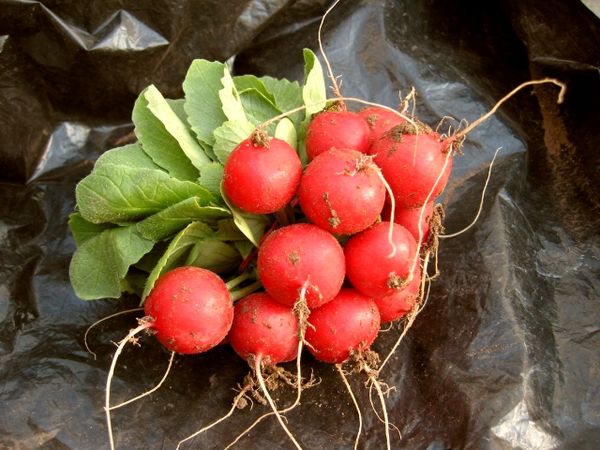
All of these varieties are considered very early. It's important to note that these varieties only need sixteen to twenty-five days to reach full maturity. However, it's important to note one caveat: these varieties are incredibly sun-loving and require at least ten hours of daylight for growth.
Early-ripening radish varieties are no less popular in domestic gardens. Early-ripening varieties take slightly longer to mature: they typically grow within twenty to twenty-seven days of first emergence. The best early varieties are considered to be the following: Ilka, Duro, Rubin, Zarya, Heat, Early Red, French Breakfast, and Deka.
In addition to popular, well-known varieties, local radish varieties and their hybrids are gaining ground on the modern market. Their cultivation is often localized to a specific location.
Valerie radish is a well-known Dutch hybrid variety. It matures in twenty-seven to twenty-five days and produces very bright, red, and large roots. The hybrid is resistant to bolting, tolerates overcrowding, and is also resistant to white rot and powdery mildew. Valerie radish is best suited for greenhouses.
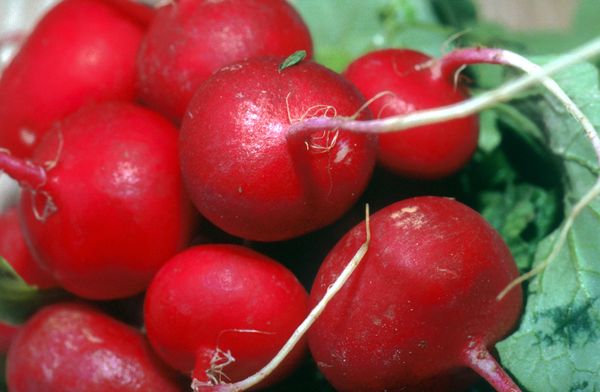
The All-Season Radish is a relatively new variety bred for open-ground cultivation. Other characteristics of this variety include early maturity and a large yield. The radish fruits are round, deep red, and have tender flesh. This variety requires little special care.
The Premier radish is an early-ripening variety. It fully matures within twenty-five days, yielding large, juicy, and mildly spicy radishes. The root flesh is white and pink. This variety's distinctive features include resistance to storage diseases and increased weight with a slightly longer harvesting period.
The Vienna F1 radish is an innovative development by Dutch breeders. This year-round hybrid ripens early, produces numerous large, uncracked roots, and is resistant to both bolting and cracking. The roots of this radish are easily recognizable—they lack a white stripe and are bright red.
The Snegirek radish is a good, early-ripening variety bred by Russian scientists. It produces a good harvest in just 18 days. It features a small rosette of leaves and large, juicy roots with firm, succulent flesh. The advantages of this variety include good transportability and long shelf life.
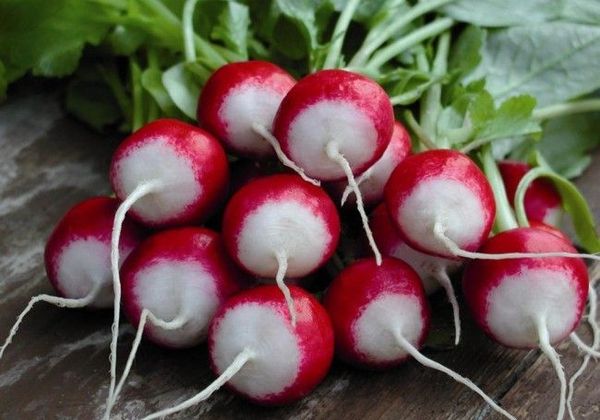
Superstar radish is a German early-season variety suitable for both greenhouse and open-air cultivation. Interest in this variety stems from its good tolerance to stress associated with changes in temperature and soil moisture.
The Goddess radish is an early-maturing variety with pronounced cold tolerance. Furthermore, the roots retain their marketability for a long time, and the plant itself is resistant to bolting and cracking.
The Irene radish is another Dutch discovery. Its seeds germinate in low light. Ripening in just twenty-five days, it is a cold-hardy and highly productive hybrid. Its tolerance to root rupture, lack of bitterness, and short leaves make this radish an attractive choice for cultivation.
Espresso radish ripens in just 18 days, requiring little light. It also has a long shelf life and a mildly pungent flavor.
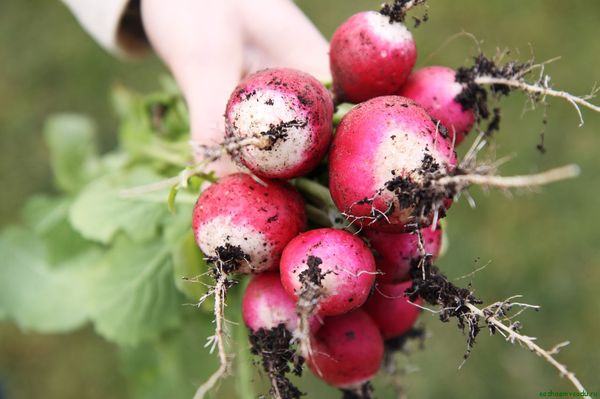
Poker F1 radish is grown in the Netherlands. Fully ripening in sixteen to eighteen days, it is resistant to bolting, stores well, and has short, compact tops, which contribute to dense plant growth.
A separate group of species includes new radish varieties, which are often proprietary. Among these, early-ripening varieties include "Mayak," "Malaga," "King Kong," and "Blue Frost."
The Mayak radish is a mid-season, proprietary hybrid with a spreading rosette and pinkish-red roots. The roots are almost completely submerged in the soil. This variety's advantage is its high temperature tolerance, making it suitable for outdoor cultivation.
The Malaga radish is a new, early-ripening variety. Its roots are known for their unusual purple color, earning it the nickname "purple radish." The roots are large and smooth, containing rich essential oils. This variety is resistant to bolting and has a long shelf life.
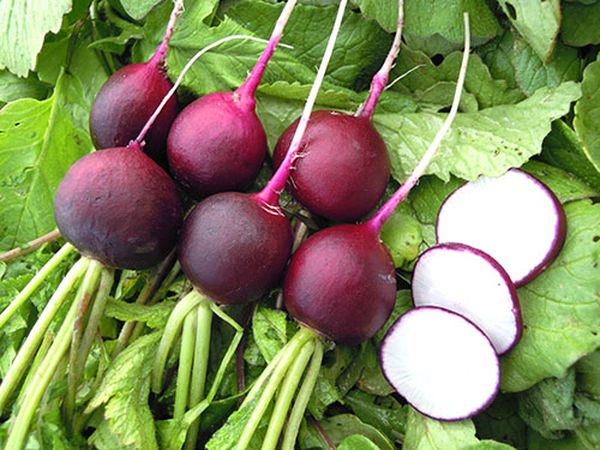
King Kong radish is a proprietary, large-fruited variety developed by Siberian breeders. This variety is almost resistant to bolting, extremely high-yielding, and delicious. King Kong radish is also a mid-early ripening variety.
Blue Frost radish is an unusual and highly recognizable root vegetable. This deep purple variety is somewhat reminiscent of the Malaga variety. Ripening in twenty-five days, it retains its vibrant appearance for a long time, resists bolting, and can therefore be grown throughout the summer.
The Sakata hybrid develops from seed to harvest in twenty-three to thirty days. A large yield, small foliage, and long-lasting marketable fruit are just some of its advantages. Sakata is resistant to one of the most damaging radish diseases, fusarium.
The Parat radish matures in 18 days. These are very large roots, weighing up to thirty grams. Developed in Germany, Parat thrives in seasonal cultivation. It prefers loose, well-lit, open soil.
Deca
The Deka radish variety is grown in greenhouses. This very early variety, developed by Russian breeders, matures within two to three weeks. The flesh of the smooth, bright red fruits is uniform and virtually non-bitter.
Diego
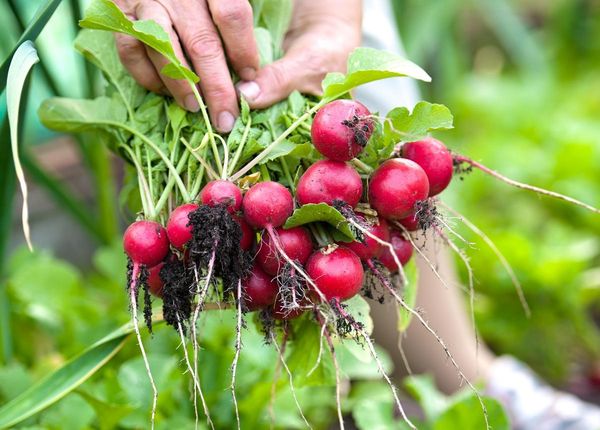
Diego is a variety developed and grown in Holland. It thrives in both open and protected soils. The cycle from seed to harvest takes twenty to thirty days. This radish produces very large, juicy, and non-bitter roots. This variety is extremely easy to grow and resilient, despite its high fertility.
Celeste F1
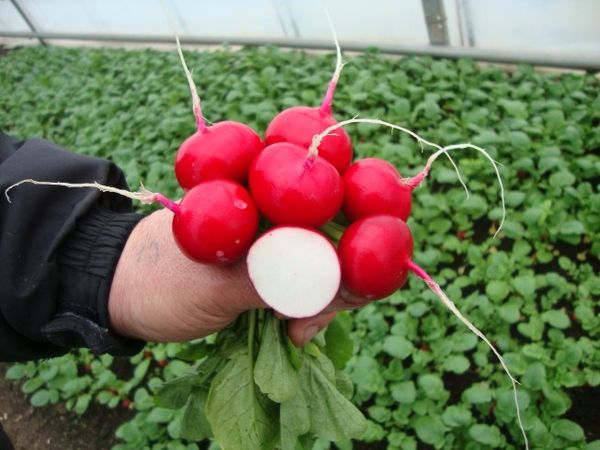
Celeste is a special variety, one of the best among mid-early ripening varieties. Its characteristic ease of cultivation coupled with rapid maturation—within twenty to twenty-five days of planting—makes this variety attractive. It requires little moisture or light, and is resistant to bolting and typical radish diseases. High yields, long shelf life, pleasant flavor, and easy transportation—all these are Celeste's advantages over other radish varieties.
Dabel
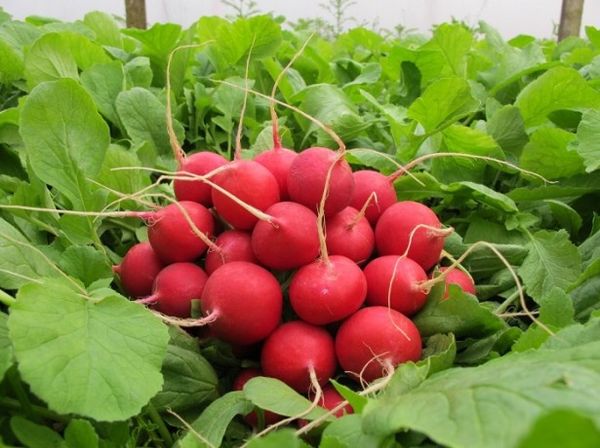
Dabel ripens in 18–23 days. It's one of the main varieties targeted for commercial use; it grows in all types of soil, is frost-resistant, and requires little care. The fruits don't crack, and the flesh is firm and crisp.
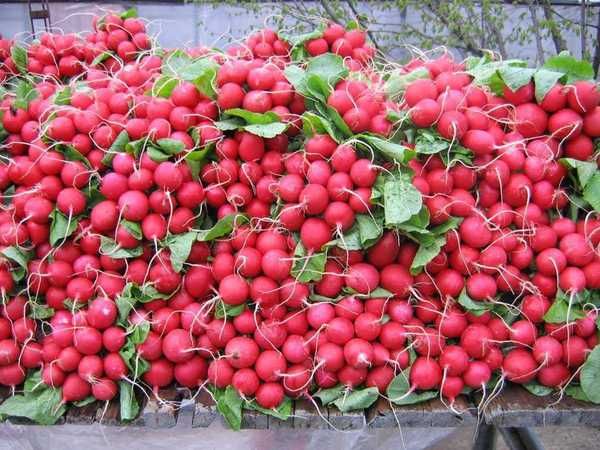
Champion
A good choice for those cultivating unprotected soil. The Champion variety is early maturing, with medium-sized fruits. This variety has a perfect germination rate and slightly elongated fruits. Also, thanks to its disease resistance, it does not require intensive fungicide treatment.
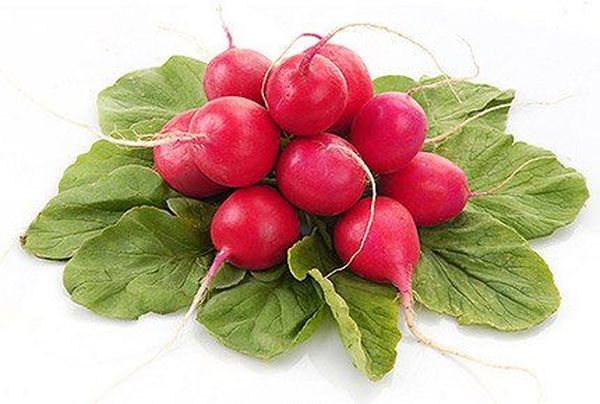
16 days
This variety caused a sensation in its time – its roots are truly ready for consumption in just sixteen days. It can be sown every two weeks and has a nearly 100% germination rate. Furthermore, this variety has a pleasant, slightly bitter flavor and is resistant to bolting.
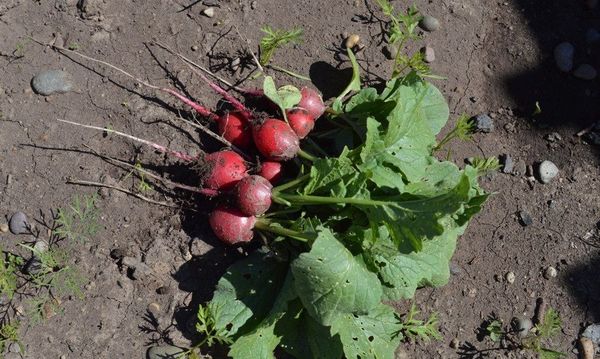
Ruby
Harvesting of this radish variety begins in just twenty-eight days. It grows well in all soil types, producing large, watery roots. Despite 100% germination and a high yield of two and a half kilograms per square meter, it is prone to wilting and budding.
Mid to late ripening
Unlike very early and early varieties, mid- and late-ripening varieties offer a number of advantages. Full root maturity varies from thirty-five to fifty days, but yields are significantly higher than early varieties. Furthermore, varieties and hybrids maturing at this stage do not flower. Late-ripening radishes are an excellent choice for year-round cultivation in open ground, thanks to their ability to be planted later: in late summer or early fall.
Among the late-ripening radishes, there are both well-known and popular varieties, as well as little-known and innovative ones, which does not diminish their qualities.
Rondeel radish is not very foliated and is frost-resistant. It produces a bountiful and very large harvest when grown outdoors. It maintains its firmness, retains its marketable appearance for a long time, and tolerates low light levels well. It is also resistant to some harmful diseases.
Vulcan radish is a signature late-ripening root vegetable with a high yield. Its characteristic elongated, spindle-shaped fruits, up to twenty centimeters long, produce large roots weighing up to three hundred grams. It can be stored for up to four months, retaining its juicy flesh with a mildly spicy flavor.
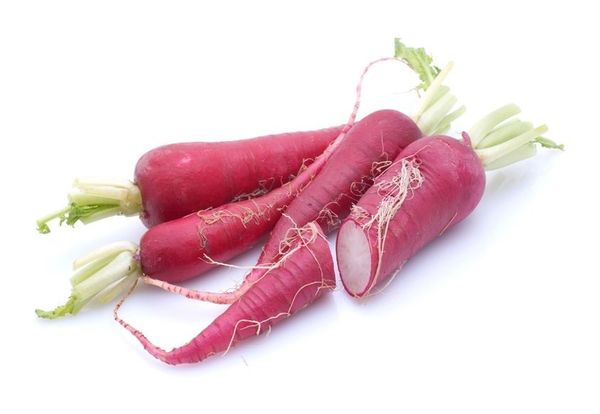
The unusual yellow color of the Zlata radish is due to its high content of vitamin C and other essential compounds. It has a very distinctive flavor, with round roots and thin yellow skin. This variety does not develop voids, crack, or bolt.
Heat
This is one of the oldest varieties that grows in all types of soil. It's quite large and very productive, with a distinctive milky-pink flesh—tangy, thanks to its high vitamin C content.
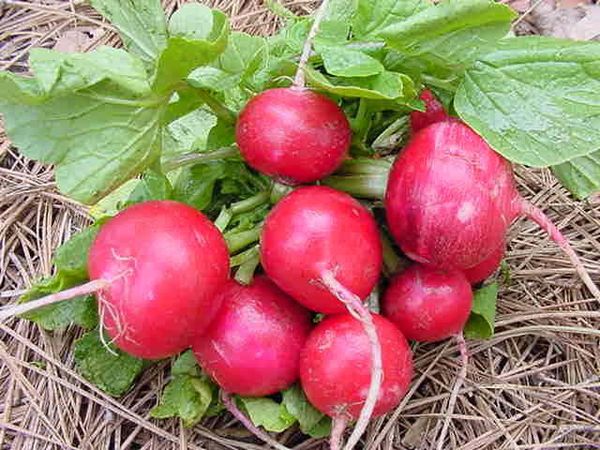
Sora
Sora is a Dutch variety with excellent light tolerance. Because it maintains its attractive appearance even with long daylight hours, it is considered ideal for summer cultivation. This warm-weather plant produces small, juicy, dark-red roots.
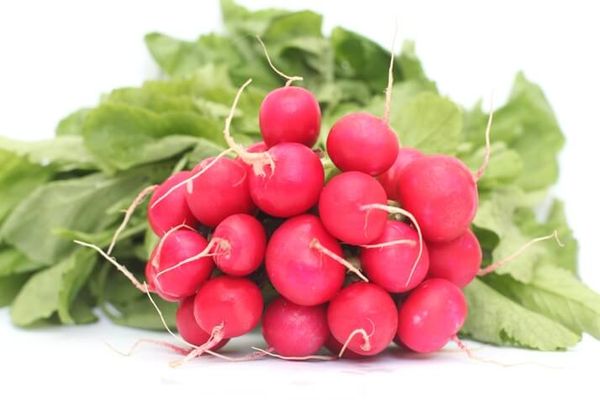
Red Giant
One of the largest and most productive varieties. Its cylindrical roots grow up to ninety grams in weight and have a characteristic deep red color. With a yield of three and a half kilograms per square meter, it maintains its marketable appearance for a long time. Also noteworthy are its near-perfect germination, drought resistance, and resistance to drooping or flowering, despite the large size of the roots.
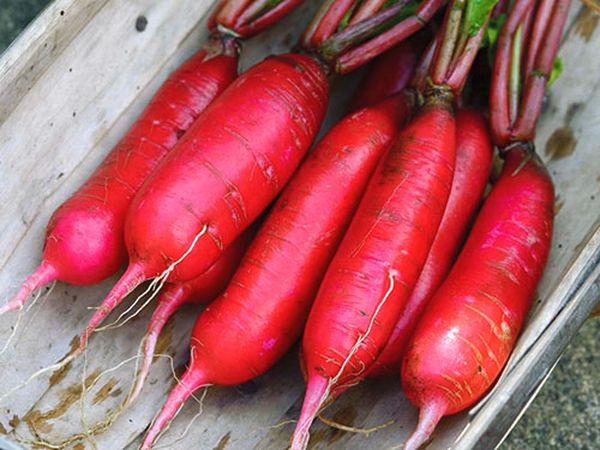
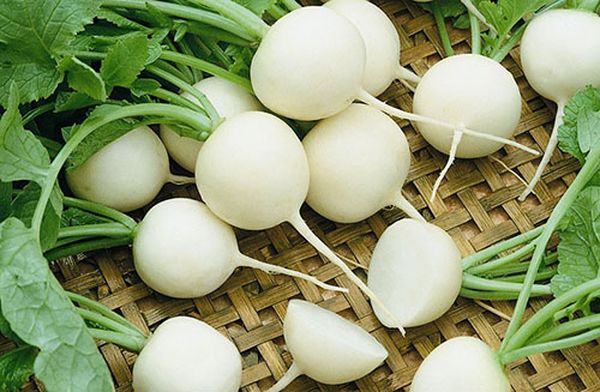
White
This unusual variety was bred in Siberia. It is truly pure white, round, and has a spicy flavor. This hybrid is extremely cold-resistant and produces a rich and large harvest.
Video: "The Benefits and Harms of Radish"
This video will tell you about the benefits and harms of radishes.