
Growing early-ripening radish variety Sora
Content
Characteristics of the variety
The early-ripening radish variety "Sora" ripens three weeks after germination and can be grown from March to October, provided March brings true spring with the melting snow. "Sora" can now be sown in a snow-free area where the soil has warmed to a depth of 3-5 cm. This variety tolerates recurrent frosts well and is cold-hardy. It also easily withstands summer heat, not bolting after temperatures rise above 25 degrees Celsius. When grown in summer, it is recommended to shade it to slightly reduce daylight hours. It produces an excellent harvest both in open ground and under plastic covers.
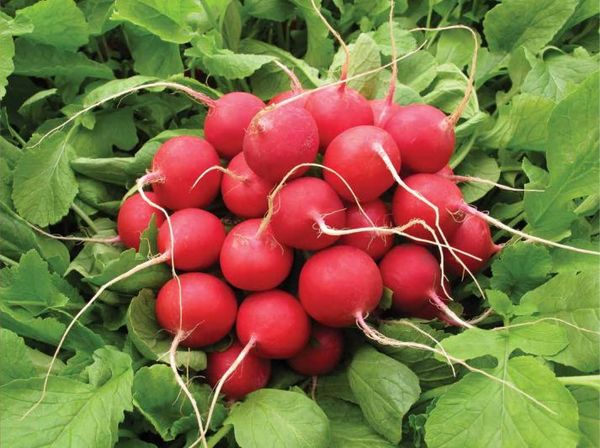
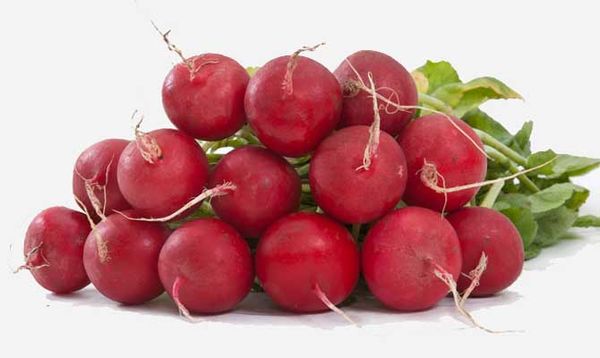
This plant, with a compact rosette of dark green leaves, delights with delicious, sweet, slightly bitter roots that look like a classic radish: round, dark red, with dazzling white flesh and a long, thin stem. The rounded fruits are almost uniform in size, about 4 cm in diameter, and weigh 30–35 g. They retain their marketable appearance well for several days after harvest if stored at a cool temperature. A square meter can yield 2 kg of early radishes.
Radishes of this variety do not form voids, do not dry out, and do not bolt if left in the ground for several days after ripening; they may only acquire a more tart taste. It is resistant to most common diseases that affect Brassicaceae plants, and is immune to both bacterial slime and downy mildew. Vegetable growers especially praise the hybrid radish "Cora f1," but remember that collecting its seeds is useless—the offspring of hybrids do not retain the characteristics of the parent plants.
Rules for sowing and care
"Sora" can be grown after any crop, except for its close relatives—radishes, cabbage, and, of course, radishes. It prefers nutritious, breathable, non-acidic soil. For spring growing, the bed is prepared in the fall. After harvesting the previous crop, it is cleared of weeds, thoroughly dug, fertilized, and, if necessary, the acidity and soil structure are adjusted. If the soil is acidic, lime or dolomite flour should be added.
For soil that's too heavy or compacted, add sand, peat, and wood ash. Fertilizing with fresh manure is not recommended, even in the fall. It's better to spread rotted manure or compost, superphosphate, and potassium fertilizers over the bed before digging. Digging will evenly distribute the fertilizers and move them to the desired soil horizon.
In the spring, as soon as the ground thaws and while it's still saturated with plenty of meltwater, place the seeds in prepared furrows to a depth of no more than 2 cm. Plants should be spaced 3–5 cm apart, with 10 cm between rows. If you purchase seeds from the Poisk breeding and seed company, there's no need to soak them before sowing; they're already prepared for planting by the manufacturer.
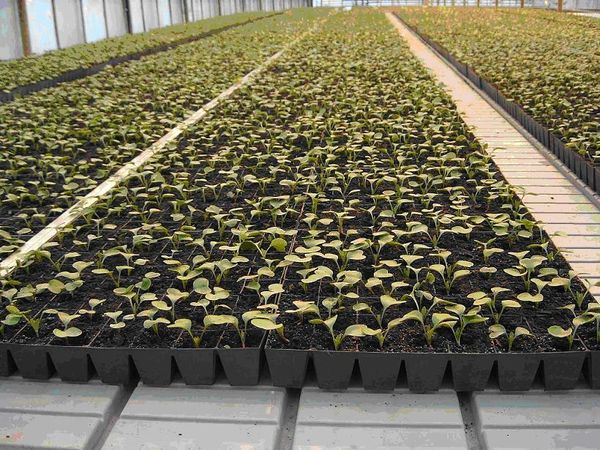
The best harvest will occur in spring, when the days are not too long and the air and soil are moist. If sowing in March, it's best to cover the plants with plastic or non-woven fabric, preferably stretched over arches. Cold-hardy varieties won't be killed by the cold, but will grow better and faster in warmer conditions.
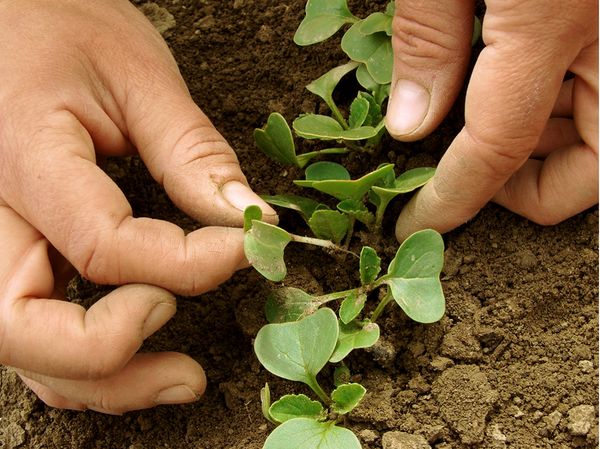
If you sow densely, you'll need to thin the seedlings, and radishes don't like being transplanted at such a tender age. Furthermore, disturbed plants will be slightly delayed in development. Therefore, it's better and more economical to sow the seeds directly at the desired spacing.
About 10 days after germination, you can feed the seedlings with a solution of mullein or chicken manure; there's no need to do this later. If the soil isn't very fertile or wasn't fertilized beforehand, you can feed them with nitrogen at 10 days old, and then later, water them with phosphorus and potassium, dissolving the mineral fertilizer in water. If the soil is sufficiently fertile, you can get by without additional feeding.
Caring for "Sora" involves weeding and loosening the soil; if it's very dry and hot, watering is necessary. Spring plantings generally have sufficient moisture. Radishes planted in late May or summer will require additional watering. Loosening and weeding these radishes are easy, as they have small, compact rosettes of leaves.
They're not susceptible to disease, but the cruciferous flea beetle can easily deprive the owners of their harvest. To prevent this, treat the radishes with a mixture of tobacco dust and wood ash ground to the same consistency. Apply the dust several times, spaced 3-4 days apart.
Harvesting
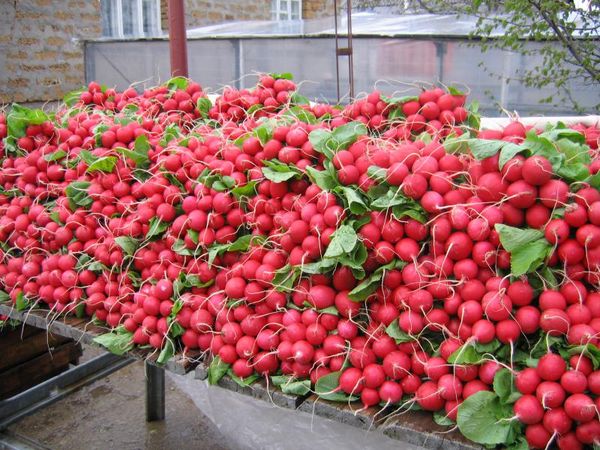
"Sora" ripens in 20-25 days, and the harvest is typically completed within a week or a week and a half. Overripe radishes don't dry out or develop air pockets, but they don't need to be left in the ground for long; they'll keep well for a week or two. After harvesting, remove the leaves from the radishes—they should be trimmed, as they are where the greatest moisture loss occurs.
Radishes grown in August and September can be stored for over a month; they are harvested and stored in a cool, damp place, like turnips. This variety can be grown until the first frost. Highly nutritious, with a rich content of vitamins and microelements, radishes are usually highly prized in the spring, but they are just as tasty and healthy in early fall. They are easy to grow, require little effort, and are sure to yield a bountiful harvest.
Video: Growing Sora Radish
In this video, a specialist will explain how to properly grow the Sora radish variety.