
A popular Dutch-bred radish hybrid, Celeste f1
Content
Varietal characteristics
The Celeste radish is one of the most sought-after varieties developed by Dutch breeders. What makes this variety remarkable is its weather resistance. It is typically planted outdoors in early spring, before the soil warms up. If grown in a greenhouse, this root vegetable can be harvested throughout the year by periodically replanting.
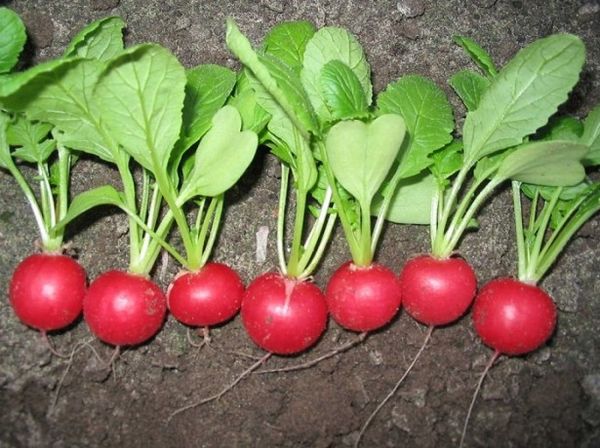
However, in addition to early ripening, the variety also has other important advantages, among which it is worth highlighting:
- high yield rates;
- good survival rate in various climatic conditions;
- disease resistance;
- good presentation;
- soft, yet rich taste.
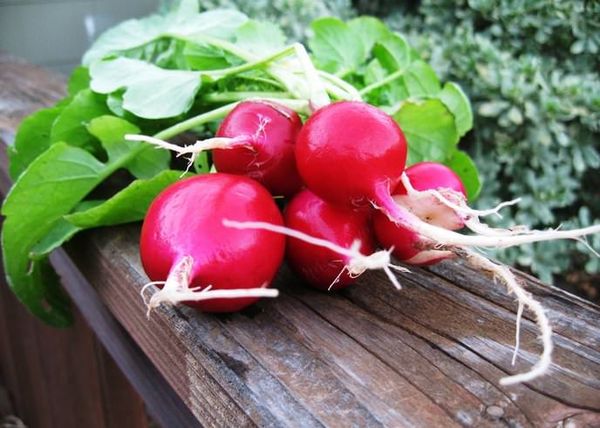
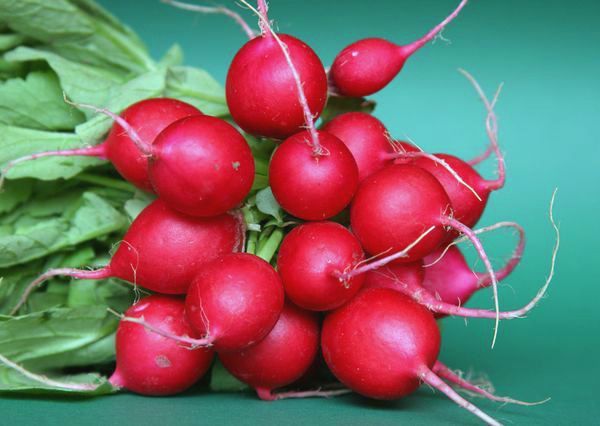
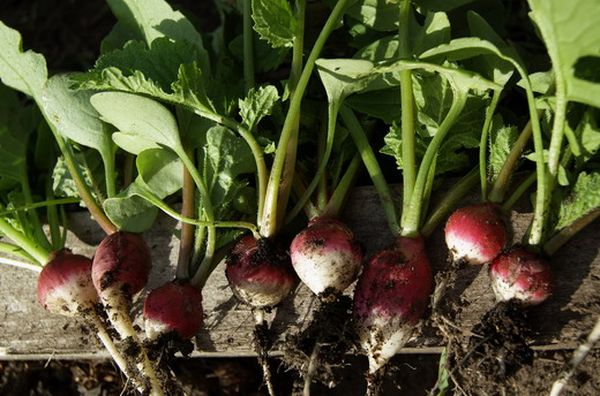
The characteristics of this variety will allow gardeners to rest assured of the success of their crops, whether in the open ground or in a greenhouse. The key is to approach the preparatory stages and the seeding process with the utmost care. The roots grown in the garden are scarlet in color. The flesh is white and crisp. The fruit's flavor is not overly pungent, but rather mild. This product will certainly become a key ingredient in vitamin-rich spring dishes.
Remarkably, ripe radishes of the Celeste variety are also very juicy. However, this won't affect storage conditions: these radishes retain their flavor for quite a long time.
Rules and timing of sowing
First of all, you need to consider the characteristics of the soil in which you plan to grow radishes. This crop prefers loose, sandy loam soil with moderate acidity. Experts recommend paying particular attention to this last point. The key is to deacidify the soil if you want a truly good harvest. Limestone is commonly used for this purpose.
While Celeste radish isn't particularly demanding to grow, there are still some important considerations. For example, like any early-ripening radish, this variety struggles to grow in saline soils and doesn't tolerate drought well. Therefore, choose well-lit, fertilized, and well-drained areas of the garden for planting radishes. This way, you can expect excellent results. What do gardeners need to know about planting this plant in the ground?
It's recommended to begin excavation work around April. Although this crop exhibits good resistance to temperature fluctuations, it's still recommended to cover the seedlings with a special film for the first few months.
This way, you will protect the vegetable from temperature fluctuations and frosts, which often occur in the spring.
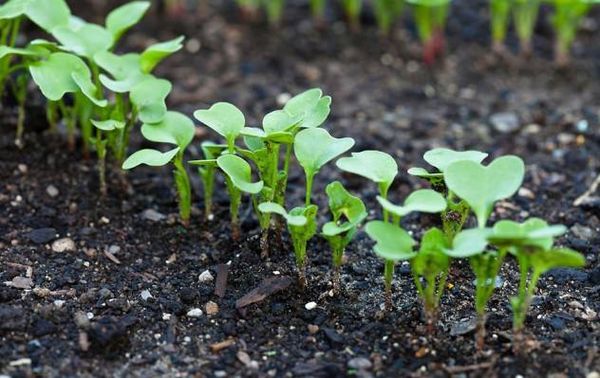
To ensure successful planting and care of radish seeds, pay special attention to the preparation stage. It's recommended to soak the seeds in a potassium permanganate solution for a while before planting. Afterward, place the seeds on a damp cloth and leave them for a couple of days. Remember to keep the cloth moist during this period. This way, by the time you plant, you'll have planting material that's highly resistant to diseases.
Care instructions
The Celeste f1 radish is an excellent choice for any gardener. However, getting a good harvest requires some effort. Generally, caring for radish seeds planted in the ground isn't particularly labor-intensive. The main thing is to remember to water them regularly and maintain an optimal temperature.
Soil moisture should be high, but not too high. If the soil is oversaturated, you'll end up with cracked root vegetables. However, if the soil moisture level is low, the result may be similar. How can you find the right balance in this case? Try not to overwater the radish seedlings, but be sure to mulch the top layer of soil with peat.
As for fertilizing, it's optional. If you added fertilizer to the soil when planting the seeds, that should be sufficient. Otherwise, you'll eventually realize that the seedlings aren't growing vigorously and are becoming puny. This indicates the need for soil nutrition. Liquid mullein or an ash solution can be used for this purpose.
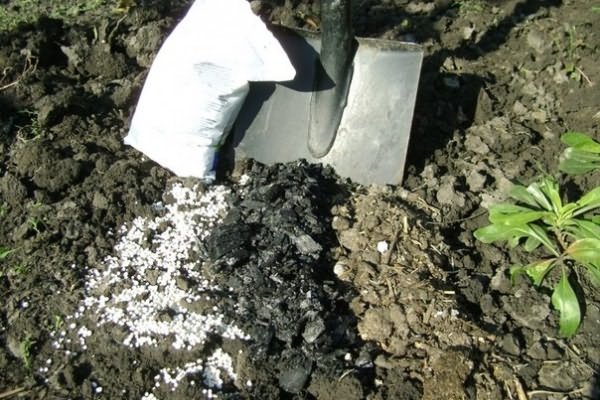
Farmers often rely on seemingly effective mineral fertilizers. But in reality, their excess in the soil leads to a buildup of nitrates, which are not very beneficial for plants. Growing the Celeste variety of radish at home is quite easy.
Fighting diseases
Caring for radish seeds doesn't end with planting. Several key aspects need to be addressed if you want your efforts to be worthwhile. To ensure this, don't just water the soil and loosen the soil occasionally. Another important consideration is protecting the radish seedlings from diseases and pests.
Among the most dangerous diseases affecting both the stems and roots of agricultural crops, we can highlight:
- White rot. The key symptom is root discolouration. This problem occurs due to excess moisture in the soil or insufficient light;
- Gray mold. The main cause of this disease is high humidity and unfavorable temperature conditions;
- Mosaic. The leaf blade changes shape, and the plant itself literally stops growing. Aphids and weevils are considered carriers of this infection;
- Blackleg. This disease can be diagnosed by curled, blackened leaves. If no action is taken in time, the root crop itself will eventually suffer.
Of course, the best way to protect plants from diseases and pests is prevention. Not all diseases can be prevented, but treating the seeds before planting is essential. This will prevent the development of some quite dangerous diseases.
Also, try to inspect the seedlings of this crop periodically: by detecting a disease early, you can quickly eliminate the source of infection. Provide comprehensive care for your Dutch-bred radish, and growing this vegetable will be more than rewarding.
Video: How to Plant Celeste Radishes
In this video, an experienced agronomist will explain how to properly plant the Celeste radish variety.