
Successful cultivation of radishes at home on the balcony
Content
Requirements for choosing a location
Despite all its advantages and ease of implementation, growing radishes at home comes with some essential requirements for every gardener. Particular attention should be paid to determining the optimal area in your apartment for setting up a mini greenhouse and growing radishes. Since seeds are usually planted in early spring, containers with the growing medium should be placed on the south-facing balcony or windowsill. To ensure vigorous seedling development, it is recommended to provide the plants with adequate sunlight (up to 12 hours a day), which can be achieved by placing the containers on the south side of the apartment.
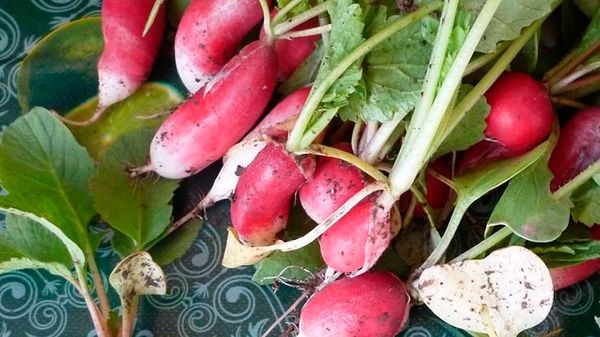
Around the beginning of April, you can start sowing the seeds of this vegetable. Wait until the frosts have passed outside and then begin planting. A balcony, a windowsill, or a loggia—where you place the containers with the seedlings isn't that important. The main thing is to ensure the radish seedlings have access to sunlight: only then will they one day reward you with a bountiful harvest.
What to sow in
Growing radishes on your balcony is a great way to grow a vitamin-rich vegetable indoors. However, to ensure the results exceed your expectations, it's recommended to carefully select the right containers and the optimal growing medium. Ideal soil for radishes should be rich in oxygen, humus, and minerals.
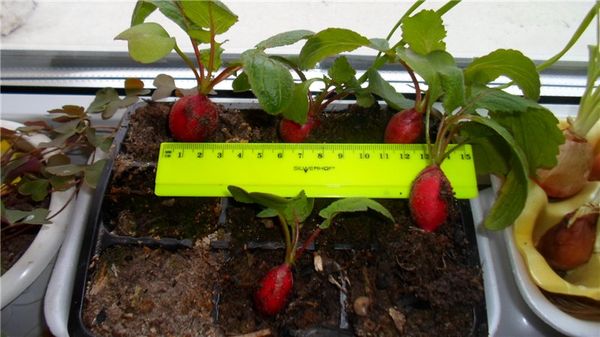
Try to add fertilizer to the substrate, but don't overdo it: if the soil is excessively saturated with nitrates, the plants won't respond well to this treatment. If you prefer to purchase a ready-made substrate, you can do so at a specialized gardening store. A soil mix designed for tomatoes and cucumbers is also suitable for growing radishes. However, buying ready-made soil for planting radishes can be quite expensive. Instead, prepare the soil yourself.
To do this you will need:
- Forest soil. Gardeners typically look for loose soil, which can be found near mole burrows (the piles of soil they leave behind are the best soil for growing almost any crop);
- sand;
- humus or compost;
- soil from the garden.
Mix all these components and you will get a soil mixture that is not inferior in its characteristics even to store-bought substrate.
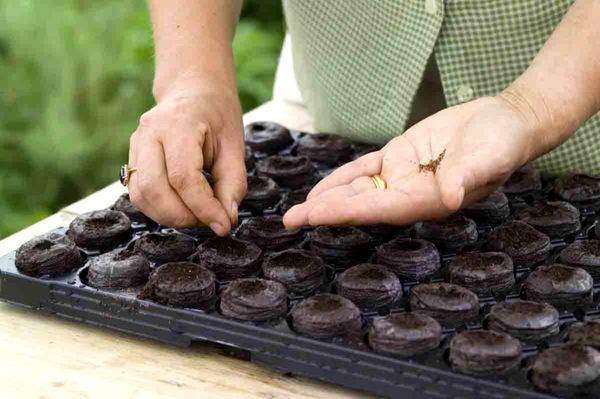
As for the containers you'll need for planting radish seeds, it's best to choose small seedling-rearing boxes. However, don't sow the seeds in a single, solid container. Place small plastic cups in the box—each one will serve as an ideal mini-planter for growing the root vegetable. Be sure to provide drainage: make small holes in the containers to allow excess moisture to drain.
Seed preparation
To ensure a full harvest of radishes on your balcony, it's essential to strictly follow the key recommendations for sowing the root crop. But before you begin gardening, it's essential to carefully select the seeds and prepare them for sowing. While seed preparation may seem unimportant, it also impacts the success of growing radishes indoors.
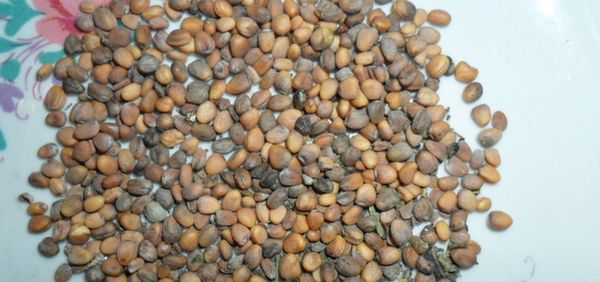
What's the main challenge when purchasing seeds for planting? It's quite difficult to find reliable buyers. Private farmers often prefer to buy seedlings at the market, but this can have serious consequences. The problem is that a radish variety may sound wonderful, but in reality, the yield won't necessarily be as good. This is why experts recommend buying only from specialized stores.
There's another small but important detail: for successful radish cultivation at home, it's best to purchase varieties that aren't too susceptible to bolting. Among the most common options are the following:
- "French Breakfast";
- "18 days";
- "Heat".
This doesn't mean that nothing else will suit you. Much depends on your preferences, but the varieties listed are the best options for growing on your apartment balcony.
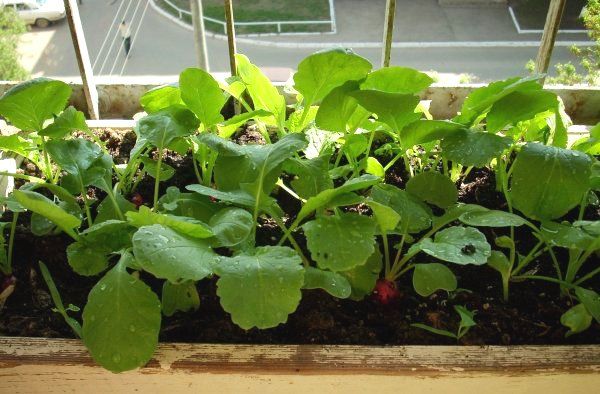
Once you've purchased the seeds, it's time to begin processing them. It's recommended to sift them through a sieve. This will allow you to select the largest seeds, which are the first to be planted. Remove any suspicious-looking seeds (spotted or damaged) immediately, as the success of your planting depends on the quality of the seeds.
It is very important to carry out one more preparatory procedure: treat the seed material with a solution of potassium permanganate. This liquid protects the seeds from various diseases. After soaking them in the medicinal mixture, place the planting material in warm water for about 24 hours. Once you've completed all the necessary preparations, you can expect full results from growing radishes on your balcony.
Sowing seeds
You can plant the seeds in the substrate directly in your apartment, and then place the containers with the seedlings on the balcony. This procedure involves the following steps:
- Pour the soil mixture prepared in the fall or the ready-made substrate purchased in the store into the container;
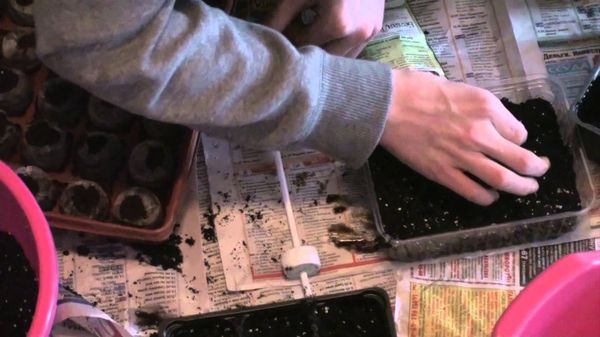
- It's recommended to compact the soil. To do this, leave about 5 cm above ground level in the container, then water the surface of the substrate. After a few hours, the soil will settle slightly, and you can add another layer on top, which will also need to be watered.
- Dig small furrows (about 1.5 centimeters deep) in the soil. The distance between these furrows should be at least 10 cm. Sometimes, novice gardeners neglect these requirements and sow radishes much more densely. However, in this case, you won't be able to reap a bountiful harvest, as the roots will be quite small.
- Immediately after sowing, the container can be covered with plastic film until the first shoots appear.
After planting the radish seeds in special containers, all you need to do is provide basic care for the seedlings. This is a fairly simple task, and you'll get the hang of it fairly quickly.
Hardening off seedlings
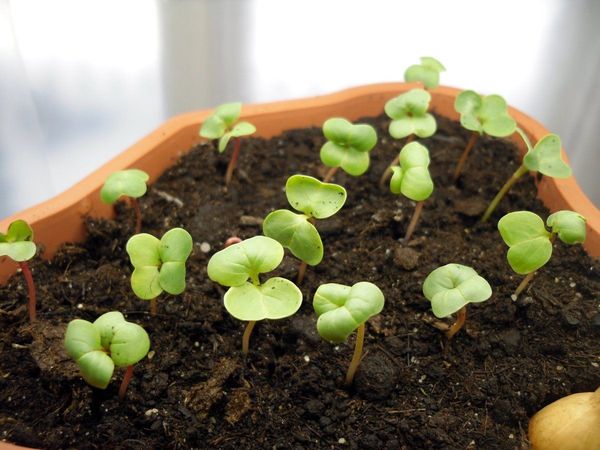
Although caring for seedlings isn't particularly difficult, it's still recommended to master a few key rules that must be strictly followed. This will ensure good results, and your homegrown radish sprouts will develop vigorously. To do this, however, you first need to master the seedling hardening technique. This isn't difficult either. When seedlings finally appear in the container with the sown seeds (wait until the sprouts have strengthened a bit), it's time to harden them off.
Why is this necessary? This procedure is necessary to ensure the plants' resistance to sudden cold snaps. Essentially, all you need to do is lower the room temperature to 7-8 degrees Celsius. Allow approximately 3-4 days for the radish seedlings to adapt to the new temperature, and then return to the previous temperature.
This procedure will serve you well, as your radish seedlings will become much more resilient to potential sudden changes in the microclimate in your apartment. Take care of your radish seedlings, and you'll enjoy a bountiful harvest of this vegetable on your balcony.
Video: Sowing Radish Seeds in Egg Trays
This video shows how to properly sow radishes in egg trays for growing on a balcony.