
When to start sowing early radishes in a greenhouse
Content
Best sowing times
Radishes are an annual crop. Experts classify them as a member of the cabbage family. When growing this vegetable in a greenhouse, ensure it receives sufficient light and warmth. Radishes are planted in the spring when daylight hours begin to increase. If you want to grow this tasty and healthy vegetable in a greenhouse during the winter, you'll need a good supplemental lighting system. They are frost-tolerant, but not to temperatures exceeding -3 degrees Celsius.
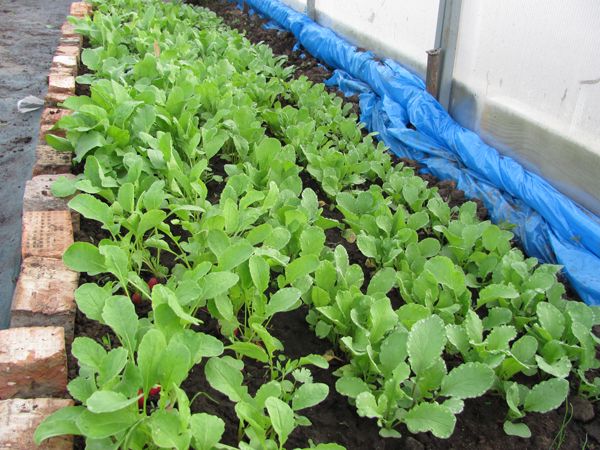
The optimal temperature for growing radishes, as many vegetable growers in our country have shown, is 18-20 degrees Celsius. Proper soil selection is also essential. Radishes are rich in easily digestible vitamin C and essential oils (beneficial for the digestive system). The plant's potassium-rich juice is recommended for those with kidney and heart problems. For any winter colds, a homemade vitamin-rich and proven mixture made from radish, onion, and pepper juice is effective.
In spring, radishes are sown in two stages, traditionally beginning in April (under plastic) and ending in August. The next batch can be sown when the first seedlings have developed full leaves. To ensure the harvest ripens simultaneously, experienced gardeners practice growing the vegetable at intervals of up to two weeks. The soil for sowing the seeds should be sufficiently moist. Dry seeds should be placed in the soil to a depth of no more than 2 cm. It is also important to consider that early varieties have a growing season of 20 to 25 days, while late varieties last 40 to 45 days. In some regions of our country, radishes are sown in open ground as early as March.
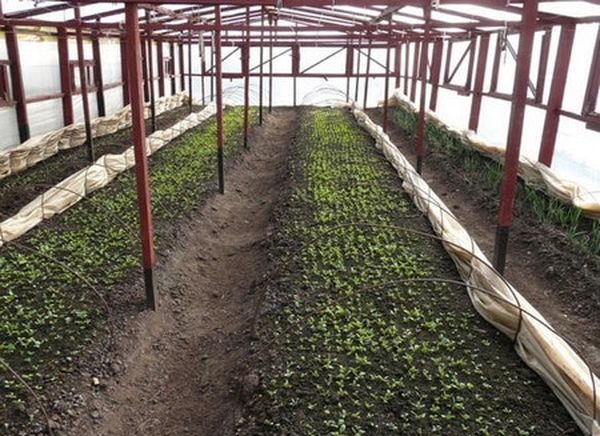
When is it appropriate to sow radishes in a polycarbonate greenhouse? This modern greenhouse retains heat well thanks to its thick sheet covering.
The air and soil warm up faster in a greenhouse than in glass structures. Therefore, it's permissible to plant radishes earlier in a polycarbonate greenhouse.
Many gardeners wonder when they can start planting radishes in their greenhouse, taking into account the ripening times of individual varieties. Early-ripening varieties are recommended to be planted in the spring from March 20 to April 10, mid-season varieties from July 25 to August 10, and late-ripening varieties from August 10 to the end of October.
How to plant in a greenhouse correctly
Radishes are best planted in soil with a neutral pH. This is prepared in the fall by digging the soil and adding fertilizer. You'll need about 40 grams of superphosphate and 15 grams of potassium chloride per square meter. Full-fledged root vegetables grow in soil supplemented with 1.5 buckets of compost per square meter. The width of the beds is typically about 1 meter. When the sun begins to warm the soil in the spring, you can plan your planting date. For growing in temperate climates, it's recommended to choose varieties of this favorite vegetable such as Zhara, Ranniy Sort, Saxa, and Zarya.
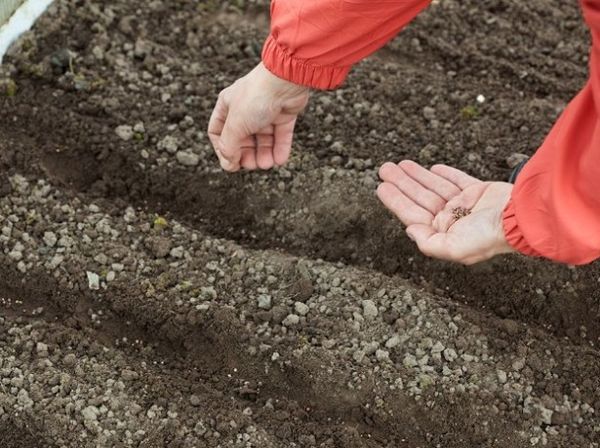
If the greenhouse has a good heating system, radish harvesting is possible year-round. After the last frost, remove any remaining snow from the greenhouse, repair the frame if necessary, and cover it with plastic. Planting begins when the soil is soft and at least 3 cm deep. Sow the seeds evenly in prepared furrows. The optimal seeding depth is up to 1.5 cm.
You can sow seeds by hand, use a seeder, or sow them using a strip sowing method. Hand sowing is usually done if the garden area is no more than 10 square meters. Dry or soaked seeds are taken individually and placed in a furrow. Depending on the variety, they should be spaced 4-10 cm apart. After covering with soil, compact it using a wide board or roller. Sometimes the distance between seeds is measured using a simple matchbox. After sowing, water the plants thoroughly. Avoid overwatering the beds. If you have a plot larger than 10 square meters, you can use a mechanical hand seeder.
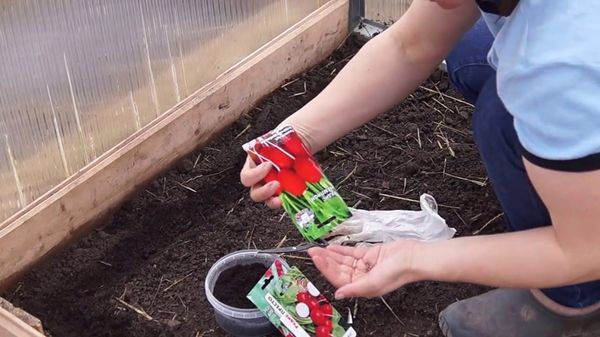
Single-row, double-row, and strip seeders are available today. Use only dry seeds. The seeding depth and seeding rate can be adjusted on the seeding machine. The seeding machine will need to be readjusted if, after checking the depth and uniformity after use, you discover deviations from the norm. With a little practical experience, it is possible to sow a large area in a short time. For strip seeding, special paper strips are used, approximately 0.5 meters wide and up to 2.5 meters long. Seeds are glued to them every 5 cm. A paste consisting of water and starch must be prepared. The prepared strips are placed at the bottom of the furrows.
Proper cultivation in a greenhouse
It is important to maintain normal soil moisture levels and the required temperature regime. The latter parameter changes repeatedly throughout the radish growing season. For example, during the first 2-3 days after planting, the temperature should be 15-18 degrees Celsius. Once the first shoots appear, it should be reduced to 8-10 degrees Celsius. As the tops begin to emerge, the crop requires a temperature of 15-20 degrees Celsius for full development. Under these conditions, normal root development can be expected. Daily watering is also required. After germination, the beds can be watered once every couple of days.
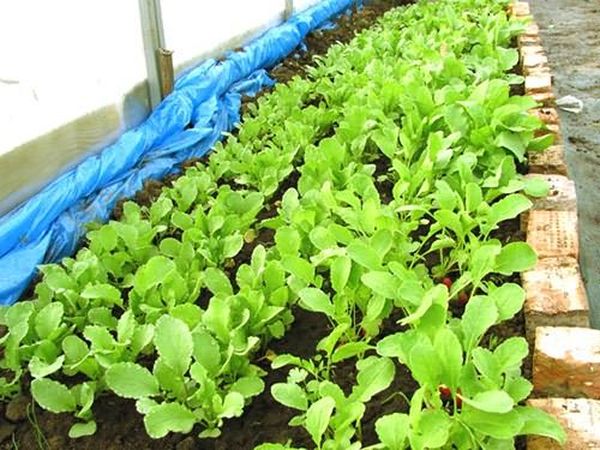
After each treatment, be sure to ventilate the greenhouse. This will prevent the development of fungal infections. Ventilation is also important if temperatures rise above 20–22°C (68–72°F). Radishes require 12 hours of daylight per day. In winter, supplemental lighting is necessary. Fertilizer should only be applied to the soil if the soil is depleted from growing early vegetables. To prevent your radishes from being susceptible to fungal infections, spray them with a solution of ash and soap. This can be easily made at home using 1 cup of ash and about 50 grams of soap per 10 liters of water.
Tips and tricks for growing in a greenhouse
When growing radishes in a modern greenhouse, it's important to consider several nuances that directly affect their yield. This wonderful vegetable prefers open space and avoids shade. If planted too densely, the plant may grow more slowly than it should. Be sure to thin out the radishes promptly if you weren't able to plant them sparsely.
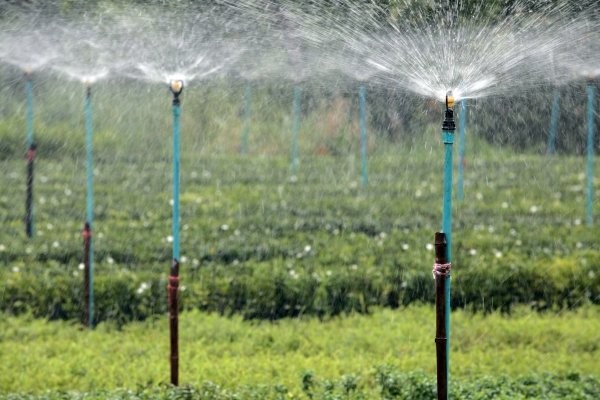
To develop a good root system, the plant requires constant, abundant watering and periodic loosening. Watering frequency is once every 2-3 days. However, on hot days, it's best to water the plants daily. A good guideline is 6 to 8 liters of water per square meter.

You can tell there is a deficiency of nutrients in the soil by the change in the usual rich green color of the leaves to a pale green. A plant whose growth has slowed can be fertilized with a urea solution, using 1 teaspoon of the solution and 1 cup of cow manure per bucket of water. The typical application rate for this homemade organic fertilizer is approximately 5 liters per square meter.
Planting spinach in adjacent beds can provide radishes with reliable protection from potential pests. It's recommended to choose a plot where vegetables were previously grown. Only cruciferous plants are considered poor predecessors.
Video: Planting Radishes in a Greenhouse
This video will teach you how to properly plant radishes in a greenhouse and provide practical planting tips.