
How to Properly Plant Radishes from Seeds
Content
Preparation of seed material
The process ahead is simple. First, you need to purchase high-quality seed, as the success of radish cultivation depends on the right variety. But what's the real problem? Buying seeds at the market or even at a specialty store doesn't always guarantee 100% results.
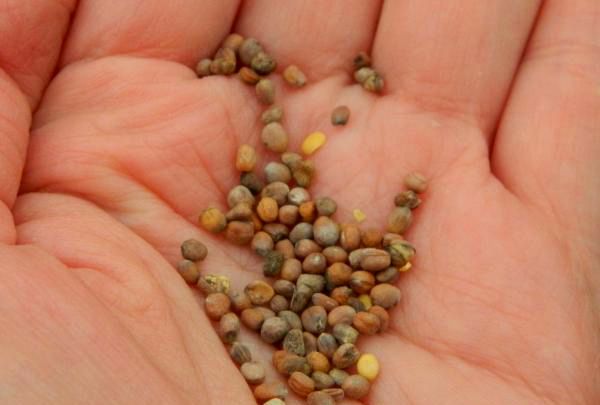
The variety you choose may be well-suited to your region's specific conditions and temperature fluctuations. However, in reality, such characteristics may not always be accurate. Therefore, experts recommend planting seed radishes first. This way, by the end of the season, you'll have excellent seed material that can be planted in the ground the following spring to produce root vegetables.
Another important point: choose several varieties of seeds for sowing. Keep a notebook and record the key advantages of each variety (root color and size, ripening time, etc.) as you grow the plant. You'll be able to easily select the best varieties for planting outdoors.
Selecting seeds
Selecting radish seeds for germination is an important preparatory step. This process should begin after the root vegetables have matured in the garden. This is the best time to identify the best plants that will later serve as seedlings.
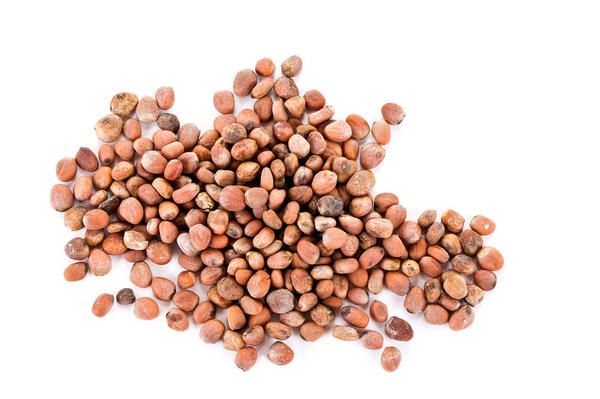
What are the criteria for selection:
- the shape of the fruit, its evenness and color saturation;
- large size;
- absence of various damages, for example, cracking of the fruit;
- a small number of leaves in a rosette;
- Lack of bolting. If the root vegetable doesn't produce bolts or flower stalks for a long time, it's perfect for harvesting radish seeds.
The best plants and varieties of crops will provide high-quality seed for next season. The key is to properly prepare them for planting in your garden.
Seed treatment
How to grow radish seeds correctly? Not all gardeners treat radish seeds and soak them in special solutions before sowing. In fact, this is essential if you want the plant to sprout much earlier and develop more vigorously.
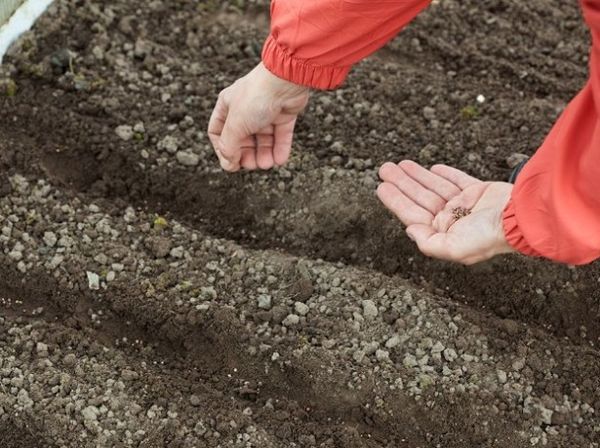
How can you prepare seeds for planting in open ground?
- The calibrated grains should be placed on a damp cloth and kept in a warm place for 24 hours;
- Disinfecting the seeds is a separate task. To do this, soak them in hot water for 15-20 minutes. This procedure will protect the seeds from various diseases. Be sure to cool the seeds after heating, enrich them with beneficial microelements, and then dry them thoroughly.
- What does micronutrient enrichment mean for grains? It's a healing bath of minerals and growth stimulants. By soaking the grains in this solution for a while, you can ultimately achieve excellent results.
Decide for yourself which seed soaking procedure before planting is most appropriate. Soaking the seeds in warm water for several hours has also proven quite effective. In any case, this treatment must be carried out correctly. Afterward, be sure to dry the seeds on a regular cloth.
After processing, the seeds should not be stored for long periods of time. This procedure is typically performed immediately before planting the seeds outdoors.
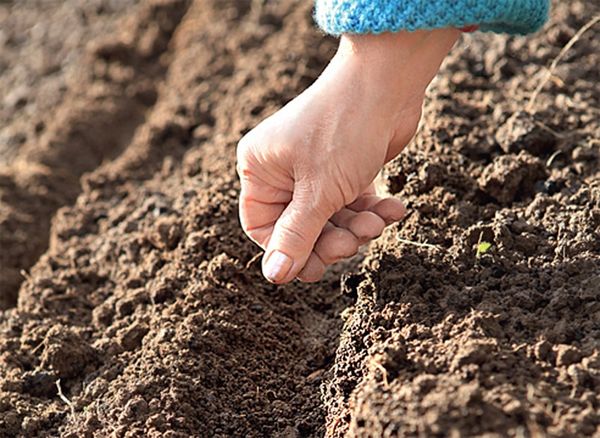
What you need to know before boarding
Few people know how to plant radishes from home-grown seeds. But in reality, the process isn't too difficult, even for a novice gardener. However, there are still some tricks to keeping in mind when getting seeds:
- Choose a cultivar of domestic radish for seeding, rather than a hybrid. Otherwise, you risk growing a crop that will lose its specific characteristics after propagation.
- Interestingly, if you collect seeds at the end of the season for planting next year, you can use them for 4-5 years, as seeds can be stored for quite a long time. Therefore, it makes sense to sow more seeds;
- Be sure to use special preparations if you encounter a pest infestation while growing radishes for seed.
Radishes are grown domestically throughout our country, and the yield is quite good. But for maximum benefit, try planting the crop for seed harvesting—you're sure to be pleased with the results.
Planting in a greenhouse or open ground
What should a gardener know and do to ensure effective seed germination? Much depends on the planting location. If the seeds are planted in a greenhouse or hotbed, there's no need to treat them. The key is to maintain a distance between the furrows (about the width of a palm).
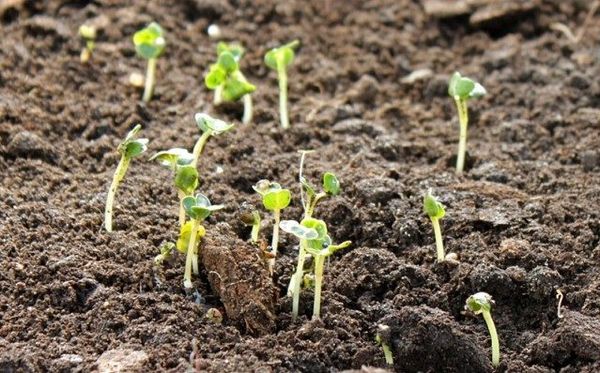
As soon as the first radish shoots emerge from the soil, the seedlings will need to be thinned. However, if you were able to maintain the proper spacing when planting the seeds, further thinning is not necessary.
As for sowing seeds in open ground, the planting technology here is somewhat different, although it is greatly influenced by the condition and quality of the soil.
Caring for seedlings
This crop isn't considered particularly demanding in terms of care, but some basic recommendations should still be followed. For example, after sowing the seeds, the area should be watered almost daily. Don't allow the top layer of soil to dry out, otherwise the young, fragile radish seedlings may simply die. Overall, the soil should be kept consistently moist, approximately 70%. Otherwise, don't expect a good harvest.
What other plant care measures should you consider? Be sure to weed the soil regularly: firstly, you'll loosen the soil regularly, which is very beneficial for plant development; secondly, you'll be able to remove weeds. If your radish seedlings are damaged by pests or diseases, the most important thing is to treat them promptly with special preparations.
As for harvesting, it occurs as the roots ripen. By following all the recommendations for caring for radishes in the garden or greenhouse, you'll reap a truly bountiful harvest. Furthermore, growing radishes from seed is a task even for a novice gardener. And the fruits, rich in vitamins, are well worth the effort.
Video: "How and When to Plant Radishes"
This video will tell you how and when it is best to plant radishes.