
What to feed radishes with at the planting and growth stages
Content
Why do we need fertilizers?
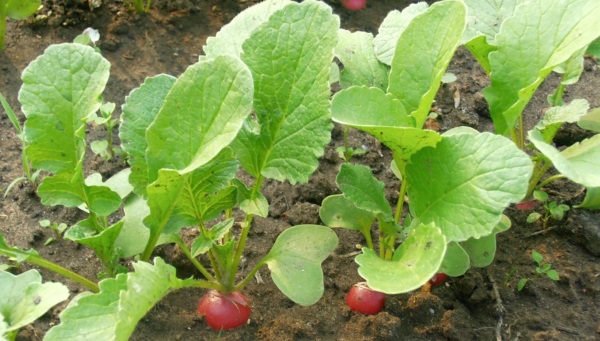
Why is it recommended to use fertilizer for indoor radishes? You'll need it to accelerate the plant's growth and development. Furthermore, roots in fertilized soil always grow large and tasty. Overdoing it with fertilizer is also undesirable. Overdoing it with various fertilizers can have the opposite effect. Therefore, it's recommended to learn the basic techniques for fertilizing indoor radishes in your garden.
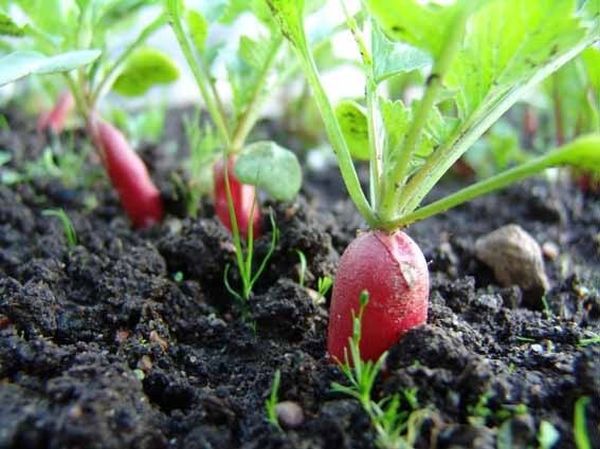
First of all, pay attention to the overall condition of the soil. If you applied fertilizer to the soil in the fall or early spring, immediately before planting the seeds in the soil, you don’t need to worry about additional feeding. However, if you haven't carried out this procedure in the past, be sure to fertilize the soil during the process of growing agricultural crops.
However, keep an eye on the rate and intensity of growth of your indoor radishes. If you notice the stems and leaves of your vegetable are growing vigorously, it's quite possible there's too much nitrogen fertilizer in the soil. How can you remedy this? By adding phosphorus and potassium. To do this, mix superphosphate or potassium sulfate with water. You can also add a little sifted wood ash (it stimulates the growth of indoor radishes).
Let's say you notice that the tops of your radishes have become limp, pale, and lifeless. This clearly indicates a nitrogen deficiency in the soil. How can you eliminate this problem? It's quite simple: you'll need to perform a one-time fertilization with urea. To do this, add just one teaspoon of the mixture to a bucket of water, and the plant will immediately begin to grow vigorously.
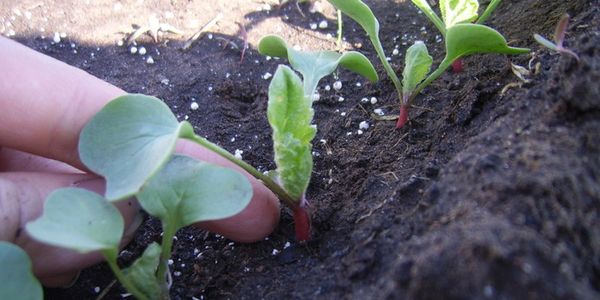
Fertilizing at the planting stage
How to effectively fertilize the soil where you grow radishes, no matter the variety? Although this crop has earned a reputation among Russian farmers as an easy-to-care-for plant that's one of the first to bear ripe fruit in their gardens, it's still important to understand the issue of fertilizing. Fertilizing radishes is essential not only during the growth stage but also immediately after planting. This is especially true for farmers who neglect to fertilize the soil immediately before sowing the seeds. What aspects does this stage of plant care include?
- Ideally, if you decide to grow radishes in your garden in the spring, you should think about fertilizing the soil in the fall. It's recommended to add humus, potassium salt, and superphosphate to the soil. This complex mixture will provide the soil with everything it needs.
- Immediately before sowing the seeds, it's advisable to apply another fertilizer. To do this, first thoroughly dig the garden, then add humus or compost, as well as wood ash, urea, and double superphosphate. It's not necessary to include all of these components in the nutrient mixture; use your own preferences.
Remember: after applying fertilizer to the soil (whether you do it in the fall or early spring), the soil must be thoroughly loosened. To do this, rake the area. This will distribute the fertilizer evenly, and the soil will absorb the nutrients more effectively.
Fertilizers at the growth stage
Farmers don't always thoroughly prepare their seeds for planting. In most cases, radishes require fertilizing during the active growth stage, especially if the seeds weren't treated before planting and the garden soil wasn't fertilized. What should you do in this case, and how can you ensure a high-quality soil fertilization process?
- Let's say the stems and leaves of your radishes have turned pale over time. In this case, they're likely lacking nitrogen. By using this procedure while growing your radishes in your garden, you can restart photosynthesis.
- The opposite can also happen. Sometimes the soil becomes so saturated with nutrients that the vegetative part of the plant develops vigorously, while the root vegetables themselves grow small. How can this be corrected? A nutrient mixture of potassium and phosphorus is a good solution for gardeners.
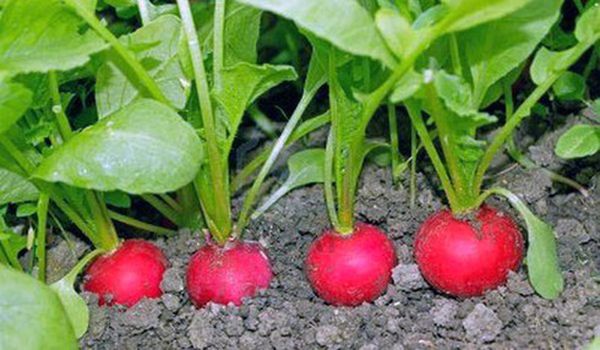
Beginning gardeners often believe that fertilizing is the most important step in caring for indoor radishes, and that the results depend solely on it. However, in reality, this isn't the only important factor.
In order to reap a bountiful harvest of radishes, it is also recommended to pay attention to several additional points:
- Seeds must be soaked before sowing. Most often, gardeners use a weak solution of potassium permanganate, but soaking the seeds in water is also considered an alternative;
- It's also very important to pay attention to the vegetables and root crops you grew in your garden before planting radishes. Recommended predecessors include cucumbers, tomatoes, potatoes, and legumes. It's not recommended to plant radishes in a garden where you grew cabbage, turnips, or horseradish last season—these crops are very similar and therefore require similar amounts of nutrients.
- Be sure to sow the seeds within the specified time frame;
- Another important part of care is regular watering of plants.
Knowing how to feed radishes, as well as adhering to other basic principles of caring for the crop, you will get good results.
Pest and disease control
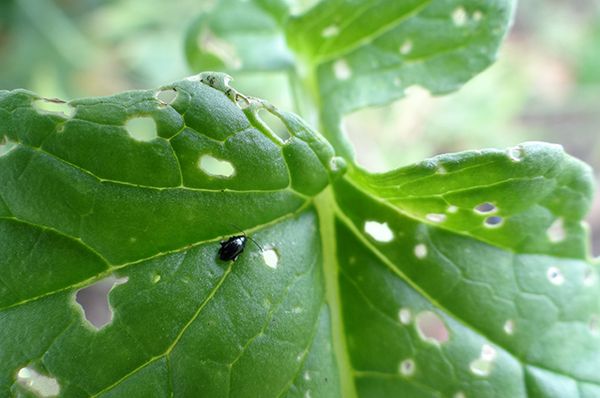
To grow radishes in your garden effortlessly, it's recommended to learn not only the basic fertilizing requirements but also a few other things. Every gardener should know how to protect their plants from pests and various diseases. Among the many pests, mole crickets and cruciferous flea beetles can cause the most harm to radishes.
The second option is the most dangerous for agricultural crops. The problem is that these insects attack the seeds immediately after planting. If they aren't treated before sowing, you may never see any green shoots. Therefore, during and immediately after sowing, it's a good idea to spray the seedlings or newly emerged green tops with a solution of wood ash, laundry soap, and purified water. Apply this solution to the radishes, and pests such as cruciferous flea beetles will be unable to harm the plant.
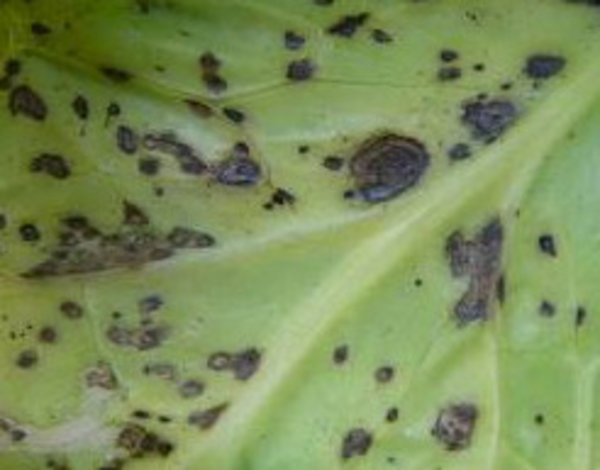
In general, there's no need to worry about diseases affecting home-grown radishes. This plant rarely gets sick. However, among the most common ailments are:
- Bacterial blight. This is a fungal disease that causes the leaves on the plant to die off, and a slimy, rot-like substance appears on the roots themselves;
- Powdery mildew. Initially, a white coating appears on the stems and leaves, but eventually the plant's vegetative system simply turns black and dies;
- Clubroot. This disease is caused by bacteria. What's the danger of this infection? Swelling and growths appear on the plants. As a result, the radishes may turn black and wilt before the roots form;
- Blackleg. Initially, yellow spots appear on the plant's leaves and stems. But if no action is taken promptly, the leaves curl up, and the stem itself turns black at the base.
Take care of your homegrown radish seedlings early. It's crucial to fertilize the soil before planting the seeds in the garden. While this doesn't require much effort, it's worth following the basic principles. This way, you'll be able to grow a full harvest of homegrown radishes in your garden without any extra effort.
Video: "Fertilizing Radishes"
This video will tell you how and what to fertilize radishes with.