
Benefits and uses of Superphosphate fertilizer for plants
Content
Composition of superphosphate and features of its use
As the name suggests, the fertilizer's main active ingredient is phosphorus. It makes up 20 to 50% of the total fertilizer content. In addition to the main active ingredient, the product may contain:
- nitrogen;
- sulfur;
- molybdenum;
- gypsum;
- pine forest.
The main effect of superphosphate is aimed at accelerating growth, increasing productivity, and improving the quality of the crop. Fertilizing also strengthens the root system and normalizes metabolism.
Signs of phosphorus deficiency
A chemical component essential to all plants is virtually absent from soils. Phosphorus deficiency can be identified by the following signs:
- leaf blades change color, becoming yellowish or bluish;
- dark purple spots appear on the back side;
- If the deficiency occurs in root crops, the fruits darken inside.
To replenish the necessary microelement, the soil is fertilized with special phosphorus-containing compounds, which quickly eliminate all symptoms.
What soils to use on?
The product can be used without prior preparation on alkaline or neutral soils. If the soil is acidic, the pH level must be lowered before using superphosphate. To achieve the desired pH, add wood ash or lime, dig the area thoroughly, and then leave it for 30 days. After completing the preparatory stage, you can begin applying phosphorus-containing fertilizers.
Timing of superphosphate application
Because phosphorus is absorbed by the soil very slowly, it only needs to be applied twice:
- in autumn or spring when digging up the area;
- before planting seedlings.
Throughout the rest of the season, the product can only be used for foliar feeding.
Video "Superphosphate Review"
This video explains the specifics of the preparation and use of the drug.
Types of superphosphate
Depending on their chemical composition, fertilizers come in several types. We'll discuss some of them in more detail.
Monophosphate
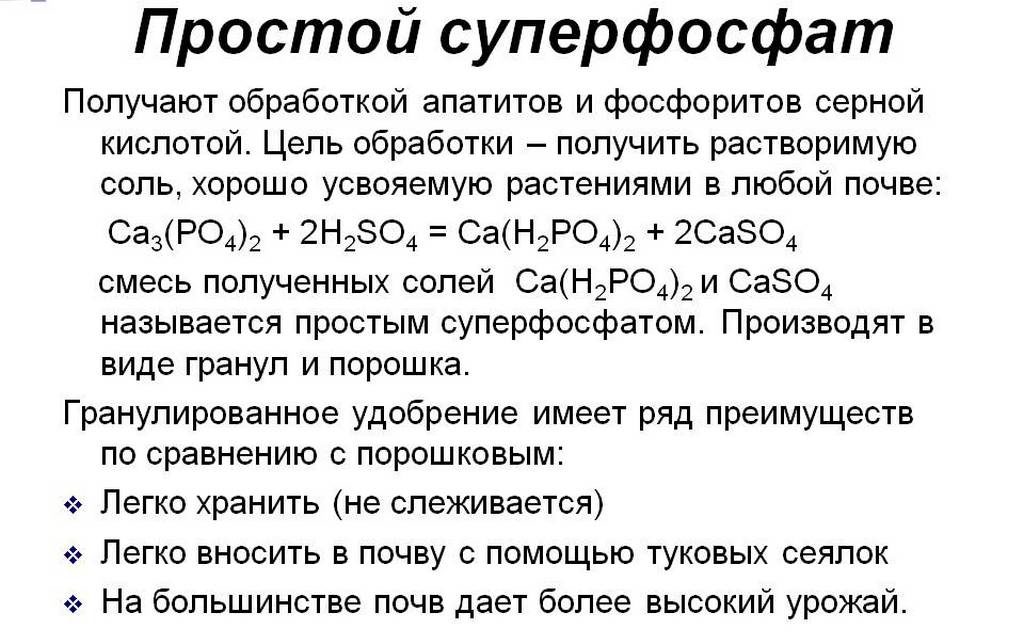
A white or grayish powder that is quite difficult to dissolve in water. Its phosphorus oxide content is approximately 20-25%. Of all the varieties, simple superphosphate is the least effective, but is much less expensive.
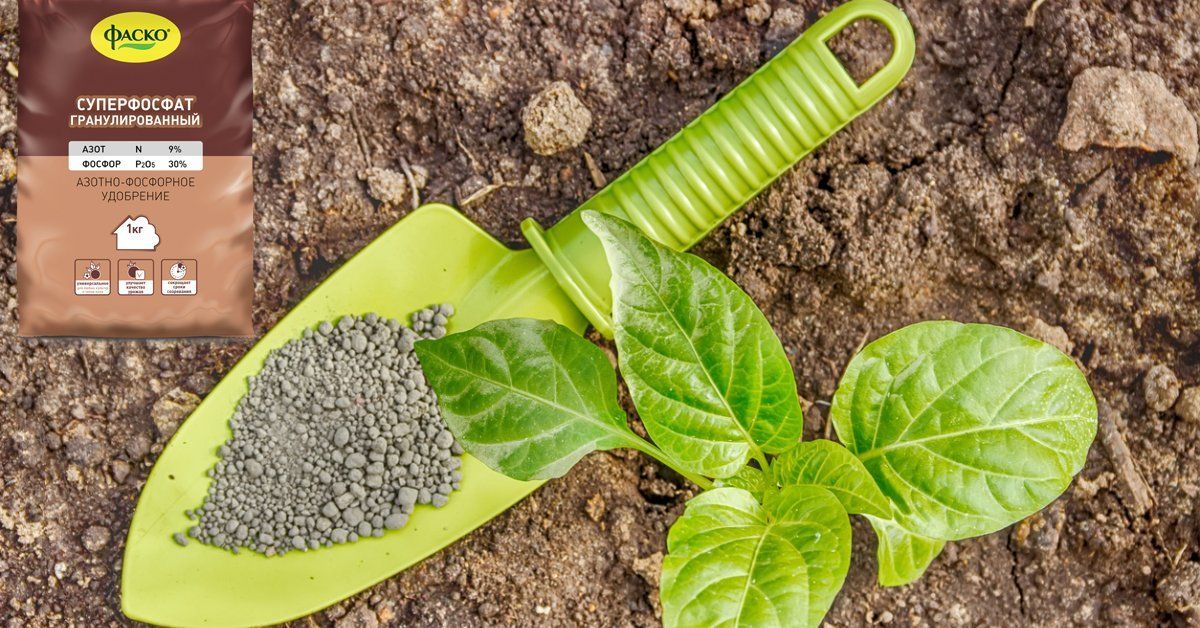
Granular superphosphate
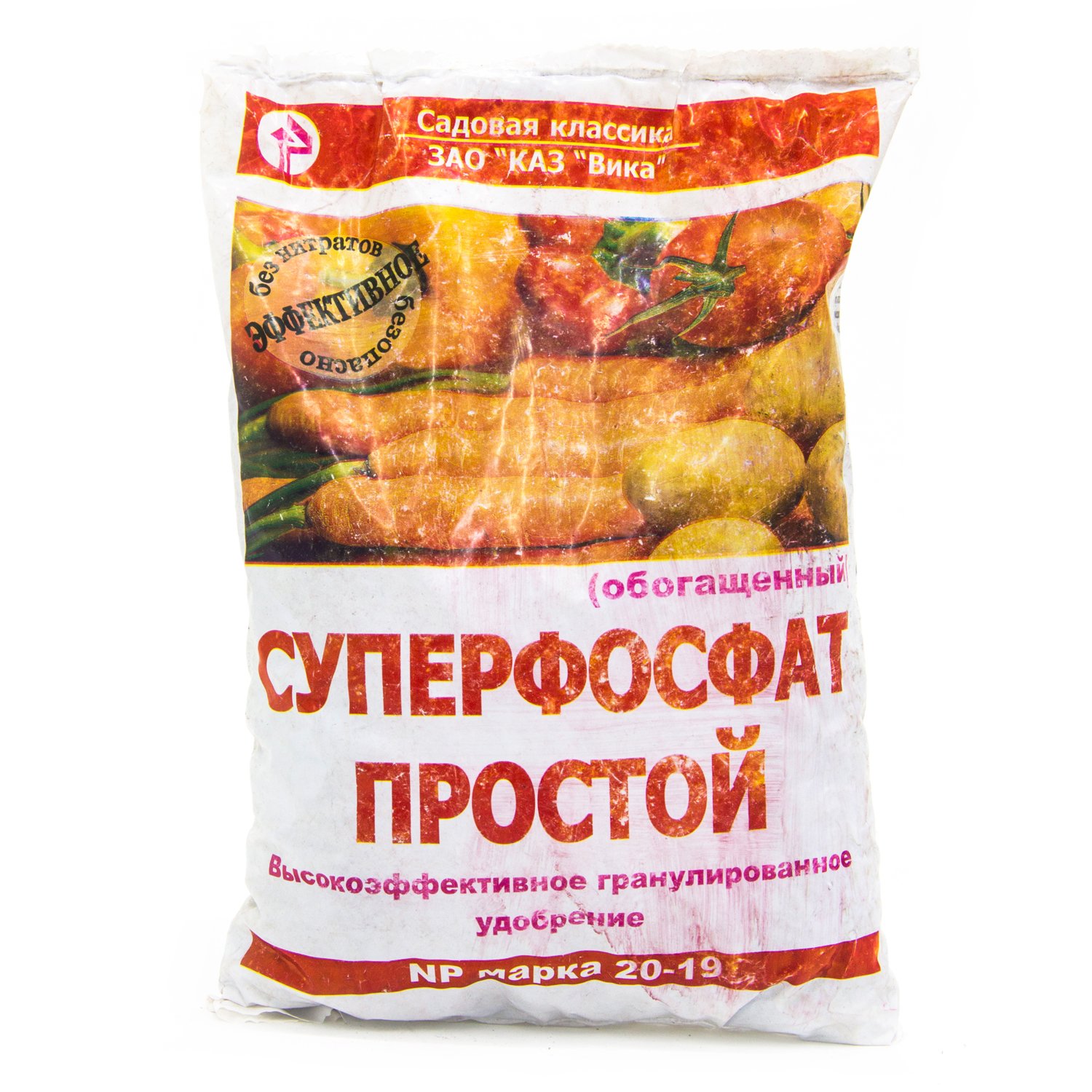
It is obtained by processing monophosphate in a granulator. In addition to phosphorus oxide, which makes up exactly half of the granulated product, it also contains 20-30% calcium sulfate. This fertilizer is especially good for cabbage crops.
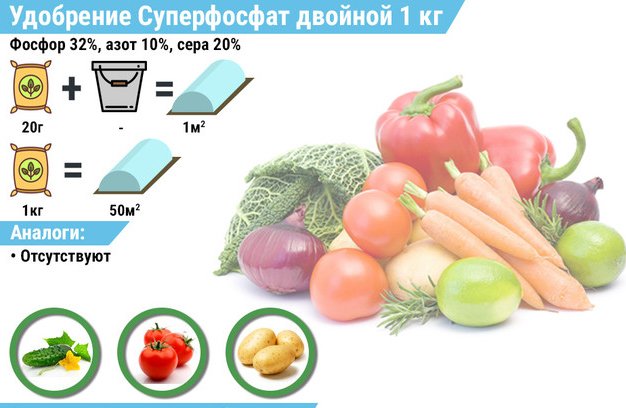
Double superphosphate
It has a high concentration of monocalcium phosphate. It dissolves fairly easily in water and is inexpensive. These properties make the use of mineral fertilizer more cost-effective and reduce application rates.
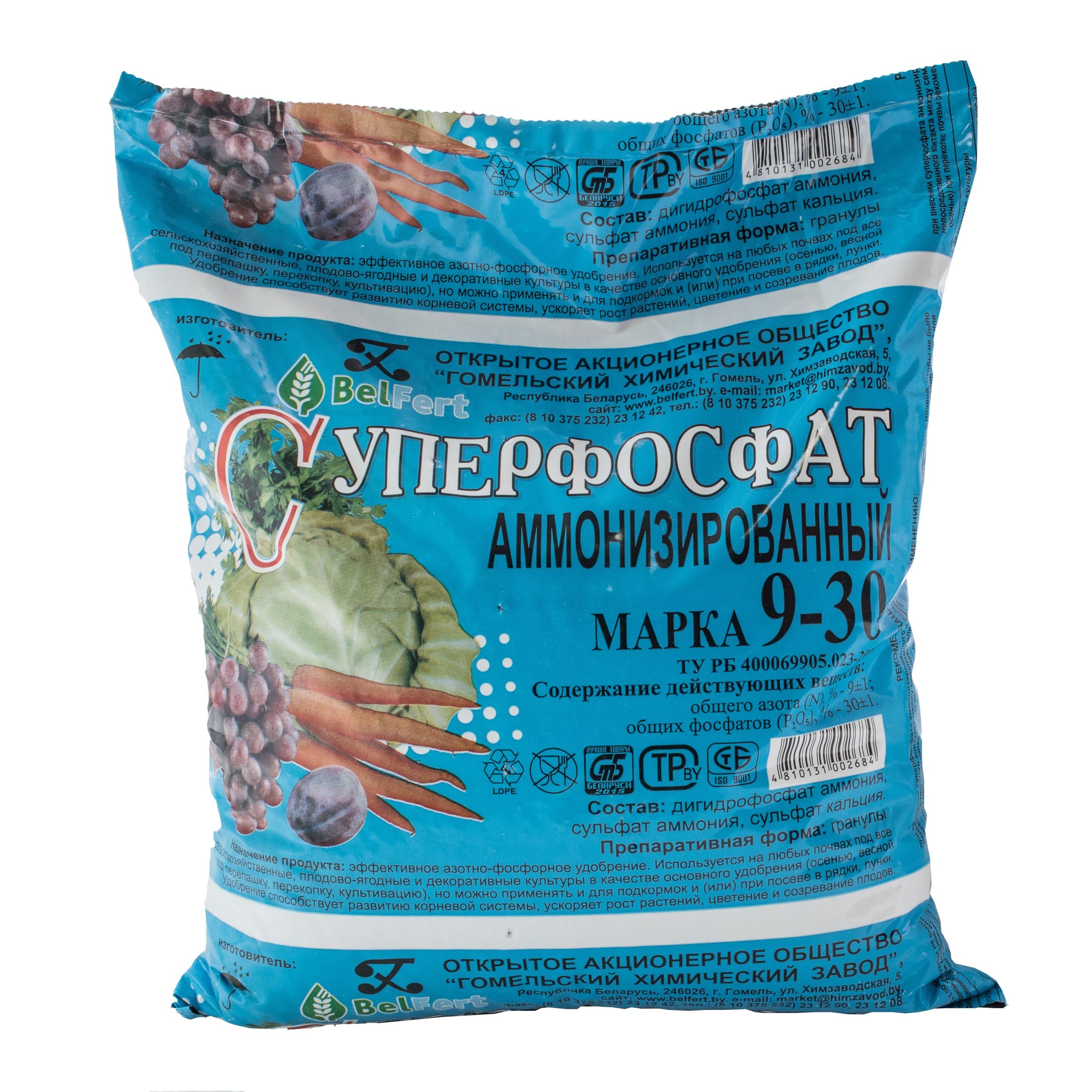
Ammoniated superphosphate
Almost half of the fertilizer's total composition is potassium sulfate. The product also contains ammonium and 12% sulfur. Ammoniated fertilizer is well suited for oilseed or brassica crops that suffer from sulfur deficiency.
-
- Monophosphate
-
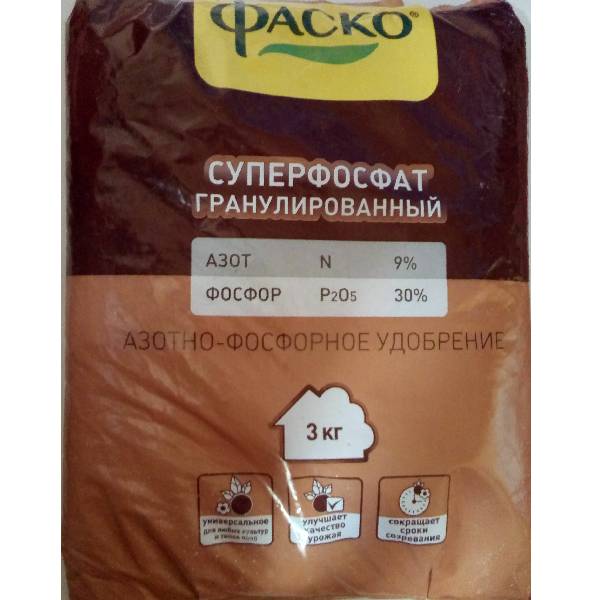
- Granular superphosphate
-
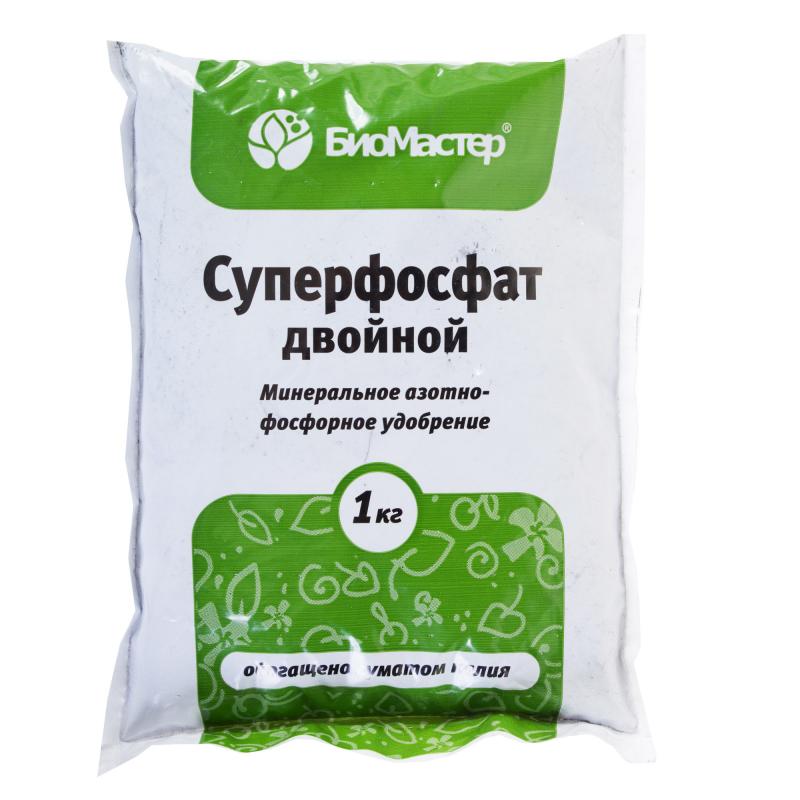
- Double superphosphate
-
- Ammoniated superphosphate
Preparation of working solution
Unlike other mineral fertilizers, dry superphosphate granules are poorly absorbed by the soil. To increase the effectiveness of the fertilizer, prepare a bio-extract. To do this, prepare a working solution in advance by diluting 20 tablespoons of granulated powder with three liters of water. Then, leave the solution at room temperature for 24 hours, stirring occasionally, to form a suspension.
The basic fertilizer is prepared as follows: 150 ml of superphosphate suspension is diluted in 10 liters of water, then 20 ml of nitrogen fertilizer and half a liter of wood ash are added. Nitrogen is an essential component, as without it, phosphorus cannot be absorbed by plants.
Another fertilizing option is superphosphate compost. To make it, combine the basic fertilizer with live biobacteria (such as "Humate"). The mixture is poured into lukewarm water and left for 24 hours, stirring regularly until the components are fully dissolved.
Instructions for use for various plants
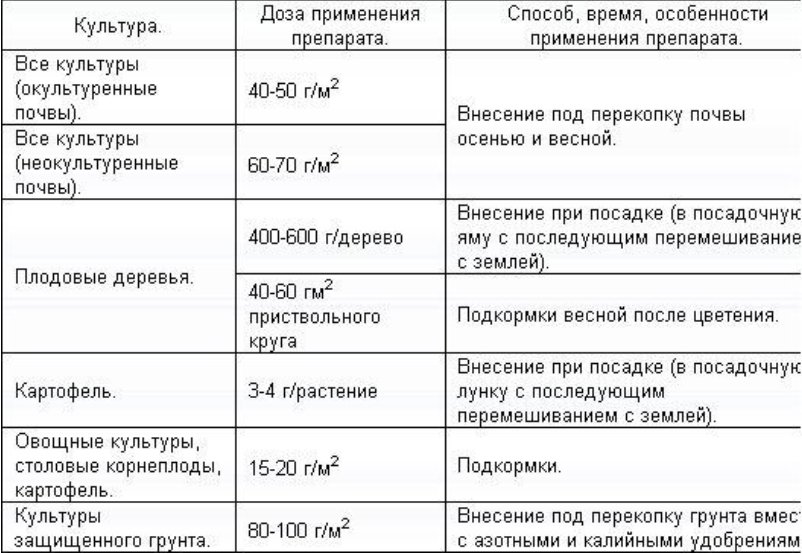
This universal product is suitable for all types of green spaces. The required dosage is described in the instructions on the back of the package. Let's look at application rates for common crops.
Fruit trees and shrubs
Potassium-phosphorus fertilizers are used for fruit trees. They are applied at 35 g, diluted with water or scattered around the trunk, followed by tilling. Berry bushes are fertilized by applying 2 tablespoons of the fertilizer under the roots to a depth of about 10 cm.
Grape
It's recommended to fertilize vines every 2-3 years. Regular feeding will increase the sugar content of the fruit and stimulate bud formation. To do this, apply the main fertilizer along with a potassium fertilizer (55 g per square meter) to a depth of 40-45 cm.
Strawberries and garden strawberries
The product is used when planting shrubs in the garden and for autumn fertilizing. In spring, use a mixture of 5 kg of organic matter, 60 g of the main product, and 15 g of calcium per square meter. In autumn, dilute a kilogram of compost, 35 g of monophosphate, and 0.3 kg of wood ash in a bucket of water.
Potatoes and tomatoes
Fertilize potatoes before planting, adding 4 grams of fertilizer to each planting hole. For tomatoes, increase the dosage to 15 grams per plant. This process should be repeated several times while the plant is flowering to allow the fruit to develop its flavor.
Cucumbers
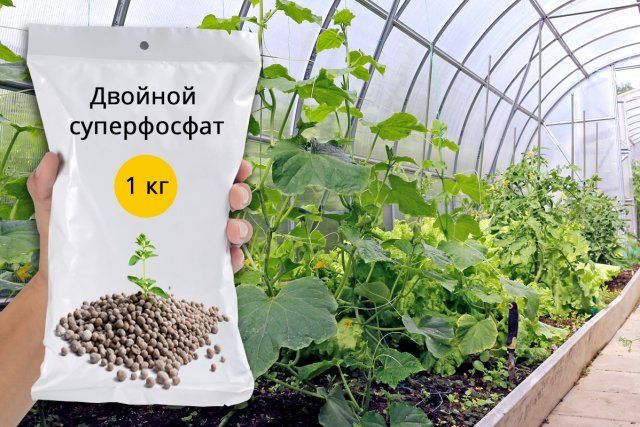
For this crop, fertilizing is carried out three times:
- a week before planting - 25 g of superphosphate and ammonium nitrate, 20 g of potassium sulfate;
- as soon as 2-3 full leaves are formed - 25 g of double superphosphate, 20 g of potassium sulfate per bucket of water;
- After flowering, the bushes are irrigated with bio-extract.
Garlic
A month and a half before planting, add half a bucket of organic matter mixed with 10 g of double superphosphate, 15 g of potassium sulfate, and a quarter liter of wood ash. For pre-winter hilling, apply a mixture of 20 g of base fertilizer with 15 g of potassium salt.
Cereals and flax
It's best to feed these plants with dry granules mixed with the seed. Farmers report improved growth and greater productivity. During the growing season, irrigating flax or grain crops with bio-extract is not recommended.
Corn and sunflower
To prevent plants from being overwhelmed by phosphorus, planting holes are prepared in a special way. Fertilizer is placed at the very bottom. A layer of soil, dry grass, and fallen leaves is placed on top, and only then is planting done.
Lawn grass
Superphosphate helps lawns look more well-groomed and prevent them from turning yellow. The best fertilizer for green grass is 60 g of the base compound per square meter. This procedure is carried out in the fall, before winter.
Roses
Phosphorus helps roses produce larger buds and a richer color. Fertilize the bushes in the fall with a solution of 30 grams of double superphosphate and 10 grams of potassium sulfate per bucket of water.
Lilies
To improve the bulbs' frost resistance and boost germination next season, the soil is fertilized with a special mineral complex. It consists of 2 tablespoons of monophosphate and 1.5 tablespoons of potassium magnesium sulfate.
Houseplants
Potted plants are fed during bud formation and flowering. Plants can also be fertilized regularly throughout the summer using a solution of 5 g of superphosphate, 12 g of ammonium nitrate, and 3 g of potassium salt per bucket of water.
Safety precautions and storage rules
The manufacturer usually indicates the expiration date of mineral supplements on the packaging. Store the product in a closed container, at a cool temperature and away from light. Keep away from food and out of the reach of children and pets.
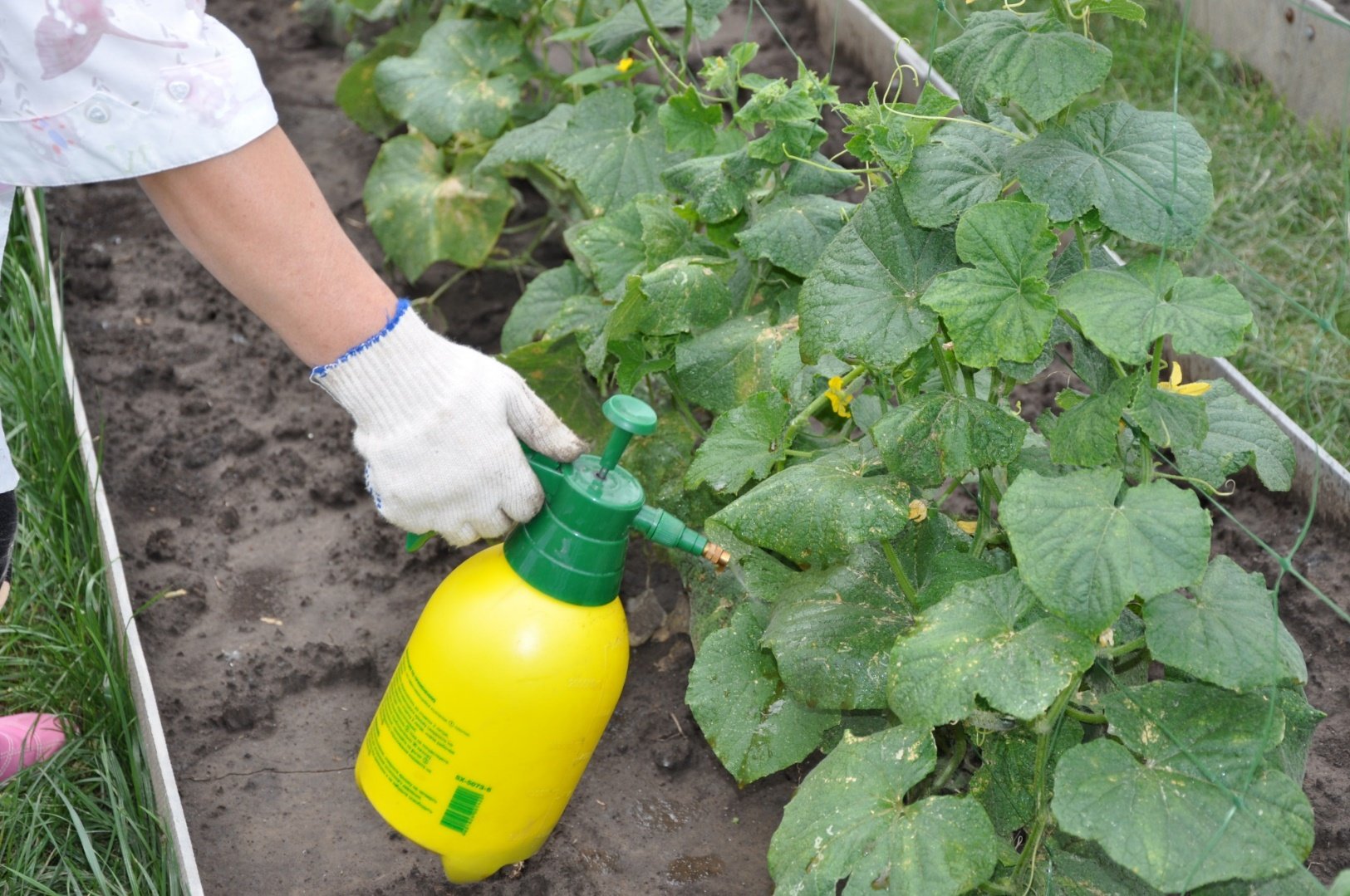
When working with superphosphate, it's important to take safety precautions. Wear rubber gloves and work clothes, and wash your hands thoroughly with soap afterward. If the substance comes into contact with mucous membranes, rinse the affected area thoroughly with running water.
Compatibility with other fertilizers
Phosphorus fertilizers can be combined with potassium compounds or nitrogen-containing complexes. It's also acceptable to combine mineral fertilizers with organic ones (such as bird droppings, humus, or manure).
Applying superphosphate together with chalk and urea is strictly prohibited. The interval between fertilizing should be at least 14 days.
Reviews from summer residents
"As an experienced winegrower, I've been using superphosphate for decades. As a result, I have strong vines, very sweet, large bunches, and a bountiful harvest."
"Two summers ago, I noticed that the potato crop was completely bad, black inside. I consulted with other gardeners and found a phosphorus deficiency. The next time I planted, I added superphosphate along with the tubers. The result was an excellent harvest without a single defect."
Phosphorus-containing fertilizers are a true lifesaver for many gardeners. Mineral compounds rich in phosphorus help increase the productivity of crops and also provide them with essential nutrients.