
Fruit formation stimulator Bud: instructions for use, composition, and mechanism of action
Content
Description of the drug "Bud"
The universal product "Bud" is a modern biological growth activator for cultivated and ornamental plants. It is produced by Technoexport, a company that is part of the Green Belt brand, well-known among gardeners.
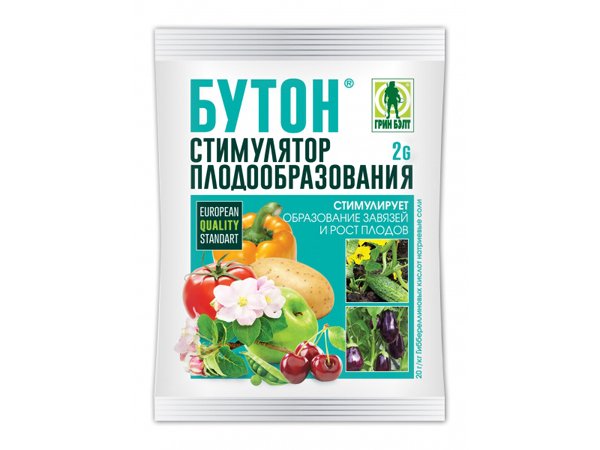
"Buton" is a gray powder. It is available in hermetically sealed 2g and 10g sachets.
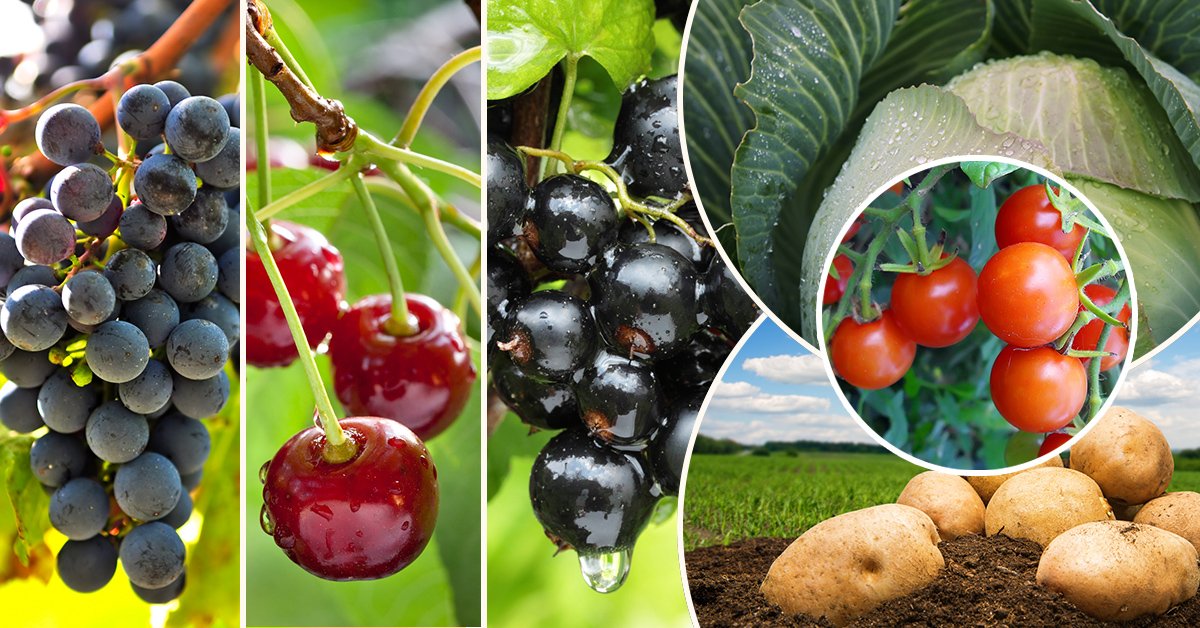
The drug "Bud" is used for treating fruit and ornamental crops
Video: "The Bud Fruit Formation Stimulator in Action"
This video provides a description of the drug and explains how to use it.
Composition and purpose
"Bud" is used to reduce the number of barren flowers, regulate the formation of ovaries and fruits, and stimulate the growth and development of cultivated crops. No negative impact on plant viability was detected.
The drug contains the following components:
- sodium salt of gibberellic acids – stimulation of fruit ripening and increase in yield;
- humates – useful and nutritious vitamins, micro- and macroelements, poly- and monosaccharides;
- Microelements boron, copper and manganese – improve the process of photosynthesis, increase resistance to pathogens, control the loss of ovaries.
Mechanism of action
The biostimulant can be used for watering and spraying cultivated fruit and ornamental plants, as well as for soaking seeds and tubers before planting. Sodium gibberellic acid and other auxiliary components are especially essential for plants during the vegetative growth and development period. Enriching seeds and tubers with nutrients and beneficial substances increases the germination rate of crops. Mature crops become more resilient.
Benefits of growth stimulator
Regarding the benefits of using the product, the following factors are worth noting:
- increasing the percentage of crop germination and the survival rate of seedlings and saplings;
- increase in crop yields (by 20–35%);
- increasing drought and frost resistance;
- increasing resistance to pathogens of fungal, bacterial and viral infections;
- reduction of fruit ripening period;
- improving the commercial and taste characteristics of the crop;
- increasing the percentage of vitamins and minerals in fruits.
Increasing the percentage of crop germination is one of the advantages of "Bud"
Instructions for use
The growth biostimulant "Bud" is available in several forms. These products are designed to increase fruiting activity, stimulate flowering, and ovary formation in various vegetable crops, garden plants, and houseplants.
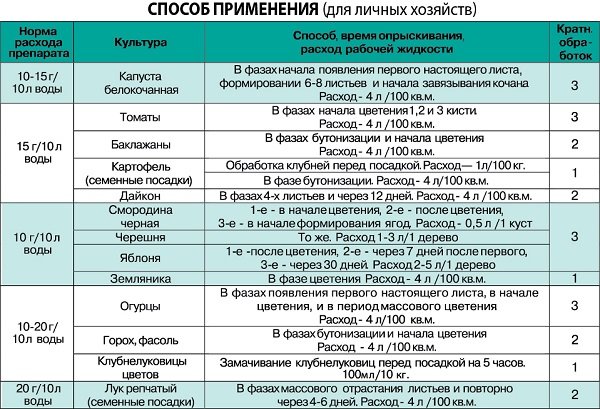
Table: consumption rates of fruit formation stimulator
Fruit formation stimulator
The most popular form of this biological product is "Bud. Fruit Formation Stimulator." It is used for seed treatment and spraying on various vegetable, fruit, and flowering crops.
The contents of the packet are dissolved in warm water. The dosage of the prepared solution and its concentration may vary significantly:
- Apple tree – 2 liters of water and 2 g of the product. To spray a mature tree, you will need 2.5–3 liters of the prepared solution; for a young tree, 1 liter.
- Apricot, cherry, and currant bushes – 2 liters of water and 2 g of powder. Each plant (young or mature) requires 1–1.5 liters of the prepared stimulant.
- Grapes and strawberries – 100 liters of water and 2–4 g of the product. To treat 100 m² of vineyard or strawberry plantings, use 4 liters of liquid.
- Onions – 2 liters of water and 4 g of activator. This amount of solution is enough to spray 50 m² of garden. This procedure is carried out when the onions are sprouting.
- Cabbage – 2 liters of water and 2–3 g of product. Treatment is carried out during the flowering stage and when the 6th, 7th, and 8th leaves are forming. For a 50 m² garden bed, approximately 2 liters of diluted concentrate will be required.
- Potatoes – 2 liters of water and 2–4 g of stimulant. To treat 100 kg of seed tubers, prepare 1 liter of solution. To spray beds during flowering (100 m²), at least 4 liters of the fruiting stimulant will be needed.
For cucumbers, zucchini and squash
To increase germination rates, it's recommended to soak cucumber, squash, and zucchini seeds in a Bud solution for 8 hours. To prepare the growth-stimulating solution, you'll need 200–250 ml of water and 5 g of dry powder.
Processing of squash, cucumbers and zucchini is carried out three times per season:
- after the formation of the first leaf blade;
- at the stage of inflorescence formation;
- at the initial stage of ovary formation.
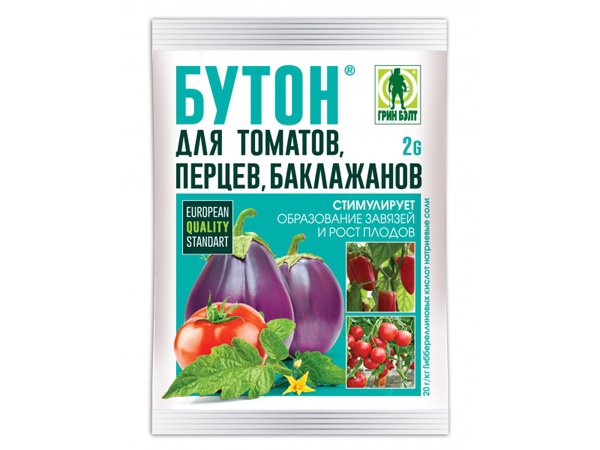
For tomatoes, peppers, eggplants
The prepared solution (2 liters of water and 2 grams of product) is sufficient for treating 40 m² of a garden or greenhouse. The first spraying of tomatoes, eggplants, and peppers is done during the bud formation stage, followed by subsequent sprayings during the flowering of the first, second, and third clusters.
Failure to comply with the above deadlines will result in no results from treatment with the fruiting activator.
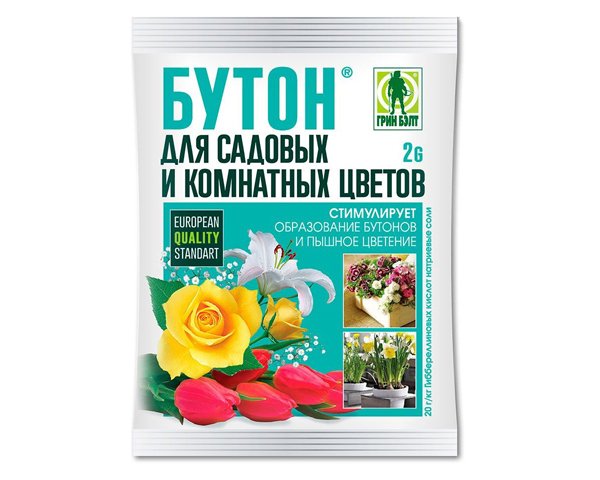
For garden and indoor flowers
Treating garden and indoor flowers with "Bud" increases plant vitality, protects them from active pest infestations, and prolongs the flowering period.
For every 2 liters of water, apply 2 g of concentrated powder. Apply during the flowering and budding stages, as well as when planting/repotting flowers. In rare cases, Uniflor Bud can be used as a substitute.
Hazard class and precautions
The biological plant growth stimulator is classified as a moderately toxic product—hazard group 3. The fruiting activator must be used strictly as directed. Any remaining prepared solution or original packaging should not be stored. The product and its storage bag must be discarded.
Working with "Buton" requires personal protective equipment. This includes protective clothing, a respirator, safety glasses, and gloves. If the product comes into contact with mucous membranes or skin, immediately treat the affected area with soapy water and rinse thoroughly with running water.
After finishing work, you need to change clothes, wash your hands thoroughly with laundry soap, wash your face and rinse your mouth with water.
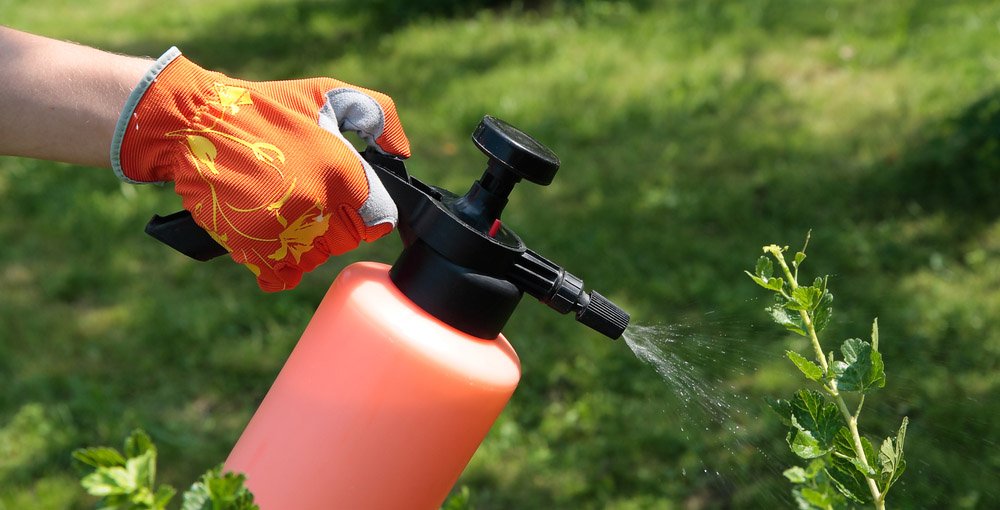
Working with a biostimulant requires the use of personal protective equipment.
Expiration date and storage conditions
The guaranteed shelf life of the biological growth stimulator is 24 months from the production date indicated on the packaging. According to gardeners, improper storage causes the product to lose its original qualities and biological properties.
Store "Bud" in a sealed bag. The recommended temperature range is -30 to +30°C. Store in a dry and well-ventilated area. Avoid direct sunlight. Please note that chemical-based products pose a serious risk to children and pets.
Any fertilizer, including the Bud biostimulant, must be used judiciously. Increasing the solution's concentration, improper dosing, and failure to adhere to application schedules can negatively impact plant growth and development.