
Forewarned is forearmed: A chart of mosquito, tick, and other insect appearances
Content
Life-threatening
Ticks carry dangerous infections such as encephalitis, fever, and tick paralysis. Their life cycle begins in March-April, when the overwintering females awaken, and the first generation of ticks hatches, searching for a host. Ticks awaken at temperatures between 1 and 3 degrees Celsius and become most active at 10 degrees Celsius.
The peak of bloodsuckers' activity occurs in June. If the month is moderately humid, with short but regular rainfall and temperatures around +20 degrees, ticks will multiply rapidly.

Seasonal tick activity
In July and August, the tick population declines. This is due both to the completion of the tick's natural life cycle and to predator activity. However, we can't relax until the first frost. Surviving ticks, although in smaller numbers, continue to search for hosts.
How to protect yourself? Ticks are undemanding, preferring wide open spaces with tall grass, calm weather, and humid air. However, you can encounter these pests not only outdoors but also in your own yard.
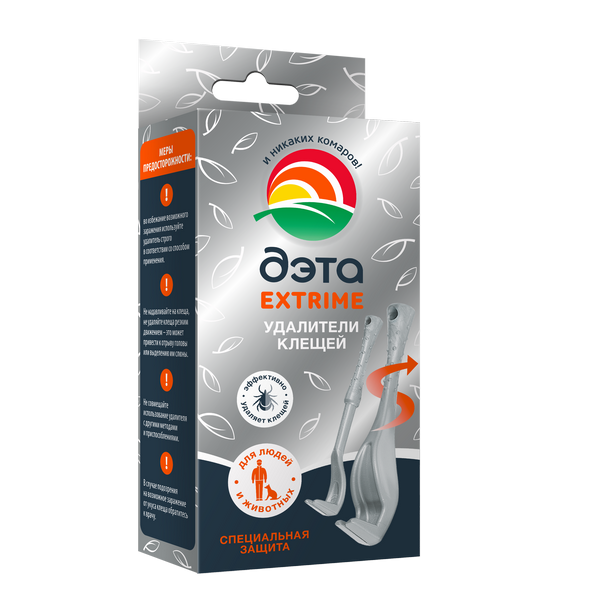
Tick remover
From mid-April to May, don't neglect tick protection when going for a walk. Treat your clothing and gear with Deta Extreme tick repellent spray, paying particular attention to clothing that comes into contact with your skin. This product will reliably protect you from ticks without harming your health. Incidentally, the spray is enhanced with a natural repellent—fir oil. The line also includes a reliable tick repellent for children—Baby Deta tick repellent spray.
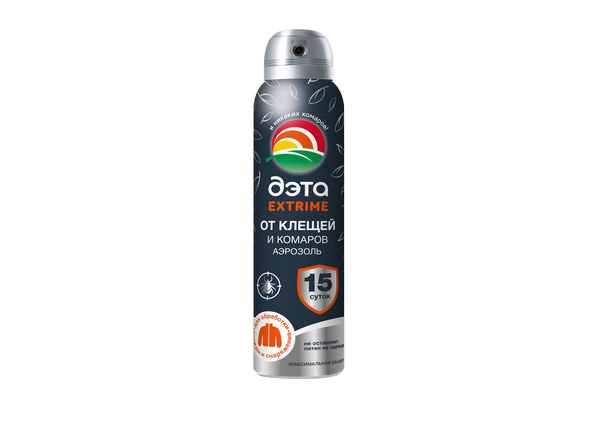
Deta Extreme Aerosol for ticks and mosquitoes
Unpleasant and active
We can enjoy spring in peace, because the first mosquitoes appear only in early June. By midsummer, these parasites become our nightmare, their numbers increase, and they go hunting. Mosquito behavior is unpredictable: one year they are so aggressive that people suffer numerous bites, while another year the "mosquito season" is extremely calm. Fortunately, in our natural environment, mosquitoes pose no threat to life or health, but an encounter with them remains very unpleasant.
Mosquitoes are most active in the evening and at night. In the forest, mosquitoes are ready to attack at any time of day.
To avoid being eaten, take two minutes before going for a walk to treat your clothes and exposed skin with Deta. Choose a water-based spray; it won't leave marks on your clothes or cause allergies, and it will keep mosquitoes away for at least four hours.
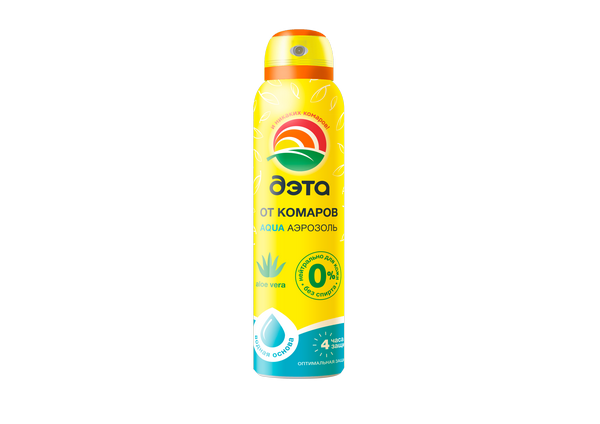
Aqua-aerosol against mosquitoes
Good friends
In addition to dangerous insects, spring also brings forth some "good guys." The timing of these emergences varies from region to region, depending on the outside temperature, but on average:
- At the end of March, stoneflies wake up near bodies of water.
- In mid-April you can see the first butterflies and bumblebees.
- In May, slow-moving May beetles crawl out to bask in the sun.
- Hardworking bees rush to pollinate flowers.
Insects can lift our spirits with the flutter of their colorful wings, or upset us with their unexpected appearance. The key is to always remember to protect yourself, wear protective clothing on long walks, get up-to-date vaccinations, and always keep Deta repellents in your backpack.
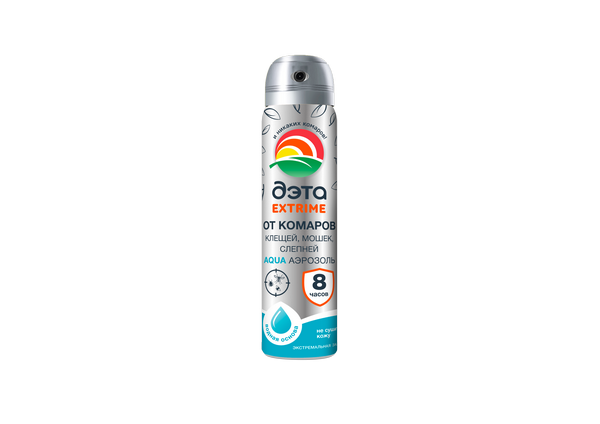
Deta Extreme Aqua Aerosol for mosquitoes, ticks, midges, and horseflies
Video: How to Get Rid of Mosquitoes with Folk Remedies
This video will show you how to use effective folk remedies to control insects.